Leash Training
How to stop pulling and teach loose leash walking, step by step.
Leash training matters more than most new dog owners realize. It’s not just about looking polished on walks. It’s about safety, control, and quality of life for both you and your dog. A dog that pulls like a freight train isn’t just exhausting to walk—they’re at risk. They could bolt into traffic, get into a fight with another dog, or chase wildlife into dangerous territory. Even in fenced neighborhoods, loose leash skills mean you can actually enjoy a walk instead of being dragged from lamppost to lamppost. And here’s the thing: dogs who are a pleasure to walk get walked more. That means better physical health, mental stimulation, and fewer behavior problems from pent-up energy. Plus, most cities and towns have leash laws for a reason. You can’t just let your dog roam free, even if they’re friendly. Training your dog to walk nicely isn’t optional. It’s part of being a responsible owner.
When it comes to gear, not all equipment is created equal. For puppies and small dogs—think Chihuahuas, Pomeranians, Yorkies—skip the flat collar. Their tracheas are delicate, and even a small jerk can cause long-term damage. A well-fitted harness is the only safe choice. For larger or stronger dogs, especially those prone to pulling, a front-clip harness like the Freedom Harness or 2 Hounds Urban is your best training tool. It gently steers your dog when they pull, making it harder for them to forge ahead. The back-clip harnesses? They’re fine for casual walking once your dog is trained, but they don’t help with pulling. As for retractable leashes—put them away during training. That constant length change teaches your dog that pulling gets them farther, which is the opposite of what you want. Stick with a standard 6-foot nylon or biothane leash. It gives you consistent feedback and control. Head halters like the Gentle Leader or Halti can be game-changers for strong pullers, especially big dogs like Huskies or Malamutes. But don’t just slap one on and go. Your dog needs to be conditioned to it slowly, with treats and short sessions, or they’ll fight it like a muzzle. Introduce it like any new tool—gradually, positively, and with patience.
Before you even think about stepping outside, your puppy needs to be comfortable with the leash indoors. Start by letting them drag a lightweight leash around the house under your supervision. This helps them get used to the feel and sound of it without pressure. Just make sure you’re watching so they don’t get tangled or chew it. Pair the leash with good things. Clip it on, then play fetch. Clip it on, then give a treat. Clip it on, then go to the backyard. You’re building a positive association. Once they’re indifferent—or better, excited—about the leash, start practicing walking around the house with you. Use gentle leash pressure to guide them, not yank. If they stop, crouch down and call them. If they pull, pause and wait. The moment they turn back or the leash goes slack, mark it with a “yes” or click and reward. Your goal isn’t perfect heel position yet. It’s teaching them that the leash isn’t scary and that staying near you feels good. Don’t rush this step. If your puppy is still tripping over the leash or panicking when it touches their back, going outside will only make things worse. Wait until they’re relaxed and confident.
Now comes the real work: teaching loose leash walking. The golden rule is simple—pulling never gets them where they want to go. If they pull ahead, they don’t get to move forward. If they stay by your side, they keep walking and earn rewards. There are a few proven methods, and most people end up combining them. The Stop and Wait method is straightforward. When your dog pulls, you stop moving. Stand still like a tree. Wait. The second the leash goes slack—either because they turn back or take a step toward you—mark it and treat. Then continue. It sounds basic, but it works because it teaches cause and effect. Pulling = nothing happens. Slack = we move. Some dogs catch on fast. Others take days. Be patient. The Reverse Direction method adds a little more consequence. When they pull, you turn and walk the opposite way. This teaches them that pulling moves them away from what they want—whether it’s the park, a squirrel, or another dog. It’s especially effective for determined pullers. Just make sure you’re quick and consistent. Hesitate, and they’ll learn to plow through. The third method, Reward Position, is about building value in staying at your side. Every few steps, mark and treat when your dog is in the right spot. Use a verbal cue like “with me” or “let’s go” to mark the behavior. This works well for puppies because it’s positive, fast-paced, and builds focus. You’re not just correcting pulling—you’re reinforcing the right behavior. Most trainers recommend starting with Reward Position for young dogs, then layering in Stop and Wait as needed. Keep sessions short—5 to 10 minutes of focused work. This isn’t about logging miles. It’s about building skills. After the training block, you can let them sniff and explore on a loose leash, but don’t expect perfection.
Even with the best training, problems pop up. Pulling toward other dogs is common. Your dog sees a friend and loses all sense. Don’t punish them. Instead, teach an alternative behavior like “look at me” or “sit” when they see another dog. Start at a distance where they can stay calm, reward heavily for attention, and slowly decrease the distance over time. The key is management—don’t put your dog in situations they can’t succeed in. If every walk ends in reactivity, you’re setting them up to fail. Lunging at squirrels or birds? That’s prey drive, and it’s hardwired in breeds like Terriers, Huskies, and Greyhounds. You’re not going to eliminate it, but you can manage it. Use a front-clip harness for better control. Carry high-value treats—chicken, cheese, hot dog bits—and reward your dog the second they notice a trigger but before they react. It’s called “capturing the glance,” and it builds focus over time. Some dogs refuse to walk at all, especially young puppies. They freeze, sit, or lie down. Don’t drag them. That teaches them the leash is scary. Instead, crouch down, talk softly, and lure them forward with treats. Make it a game. If they’re really stressed, go back to indoor practice. And if your dog is barking, lunging, or growling at other dogs or people, that’s leash reactivity. It’s different from pulling. It’s often rooted in fear, frustration, or overarousal. You can manage it with distance and treats, but if it’s intense or getting worse, get help. A certified trainer can guide you through desensitization and counter-conditioning. Don’t try to “tough it out” on walks. That usually makes it worse.
Breed matters when it comes to leash training. A Border Collie puppy with endless energy won’t focus on treats if they haven’t burned off steam first. Same goes for Labs, Shepherds, and Pointers. For these dogs, a quick game of fetch or 10 minutes of zoomies in the yard before training can make the difference between success and a meltdown. Small breeds need special care. A Yorkie or Maltese on a collar risks tracheal collapse, especially if they’re prone to pulling. Always use a harness, and make sure it fits snugly but doesn’t rub. Sighthounds like Greyhounds and Whippets, and scent hounds like Beagles and Bassets, are bred to follow their nose or chase movement. Don’t expect them to ignore a squirrel. Set realistic goals. You’re not teaching perfect heel. You’re teaching them to stay connected to you even when distractions exist. Brachycephalic breeds—Bulldogs, Pugs, Boston Terriers—overheat easily. Keep walks short, go in the early morning or late evening, and always use a harness. A collar can restrict their airway, and the last thing you need is a dog gasping for breath on a walk. These aren’t excuses to skip training. They’re reasons to adapt your approach. And if you’re wondering how your specific breed handles leash training, we’ve got you covered. PuppyBase has detailed leash training guides for all 276 recognized breeds, from the stubborn Chow Chow to the eager-to-please Golden Retriever. Because one size doesn’t fit all.
Leash Training by Energy Level
Your dog’s energy level changes everything about leash training. A mellow Basset Hound and a wired Border Collie need completely different approaches.
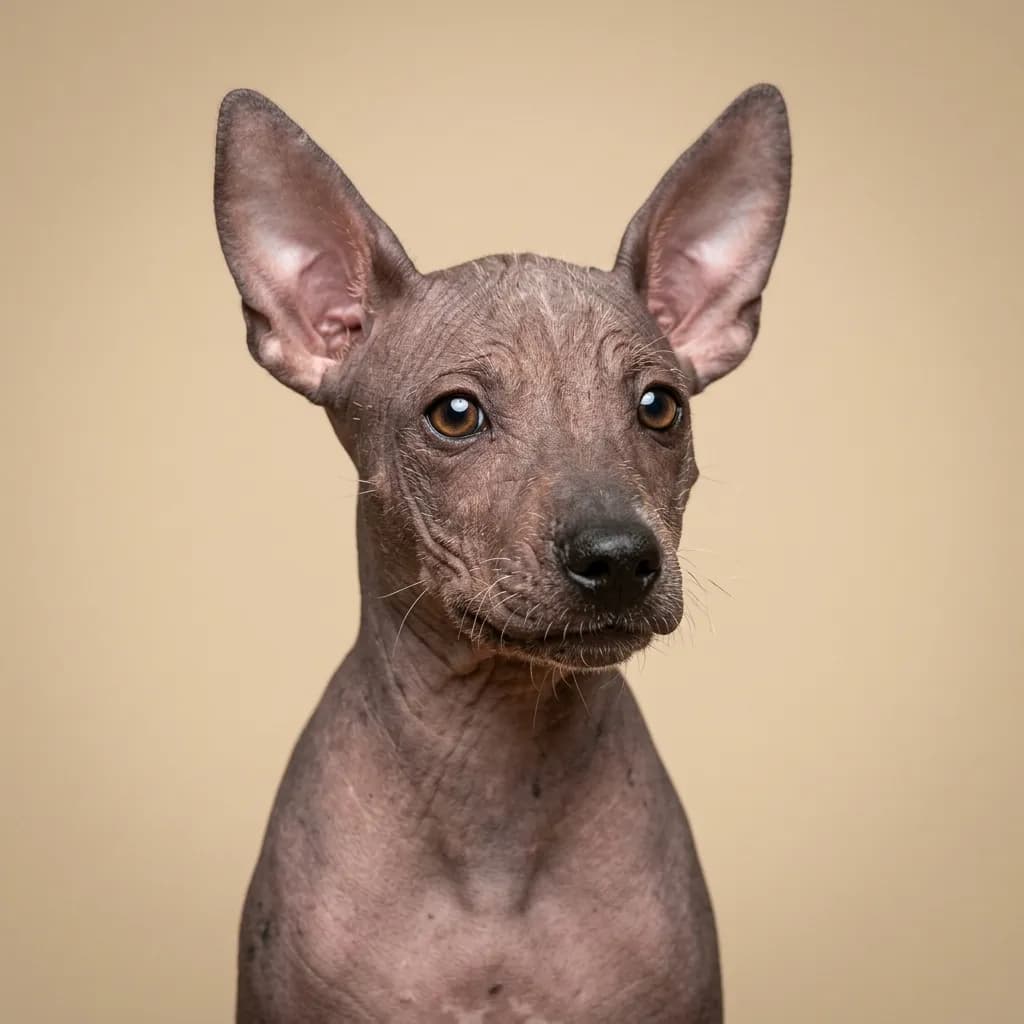
Short sessions, gentle approach
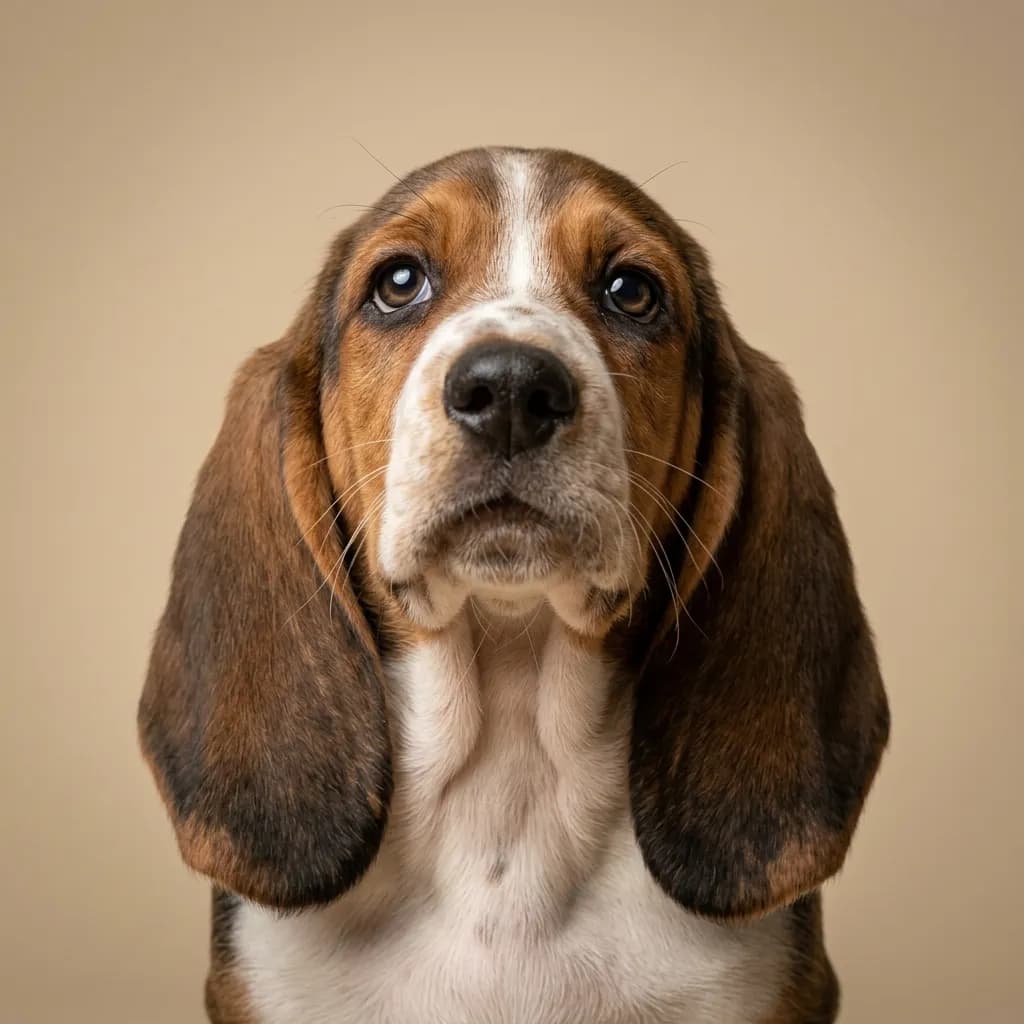


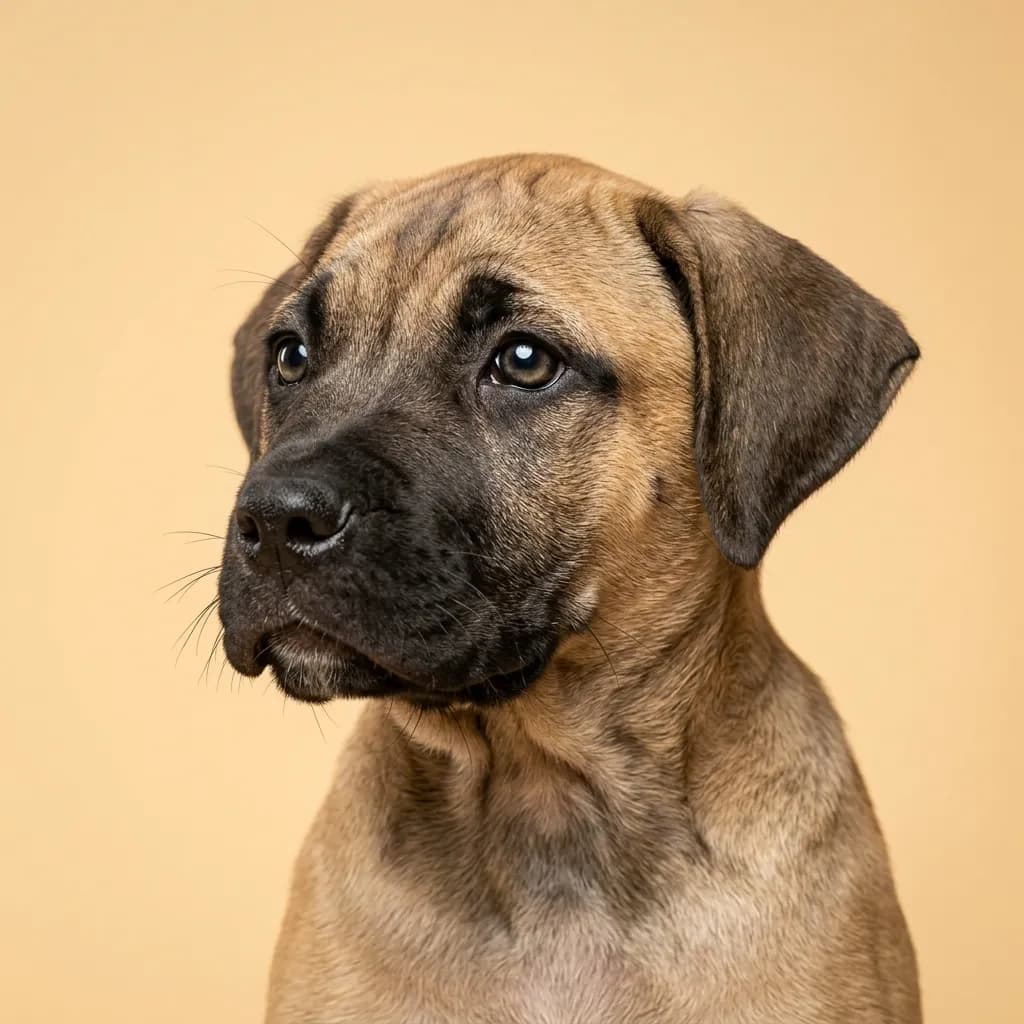
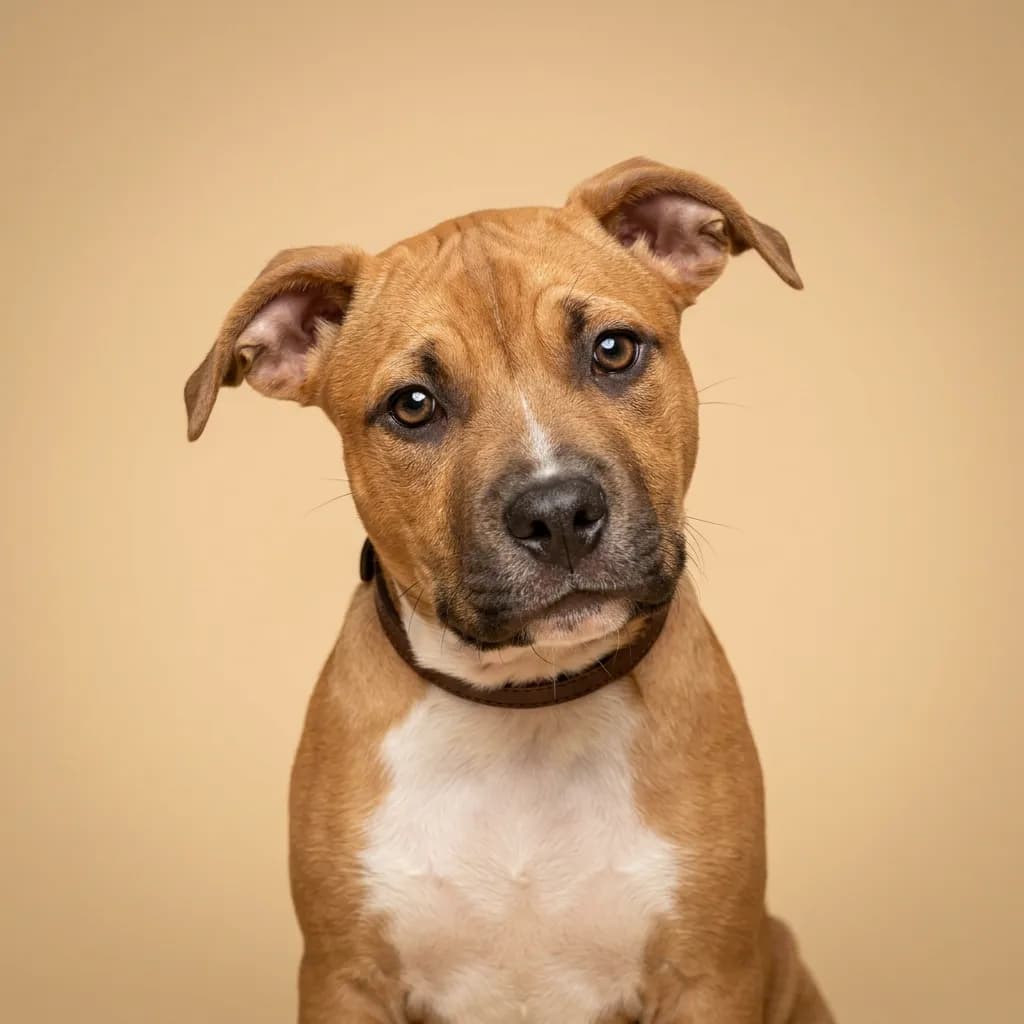
Balance exercise and training
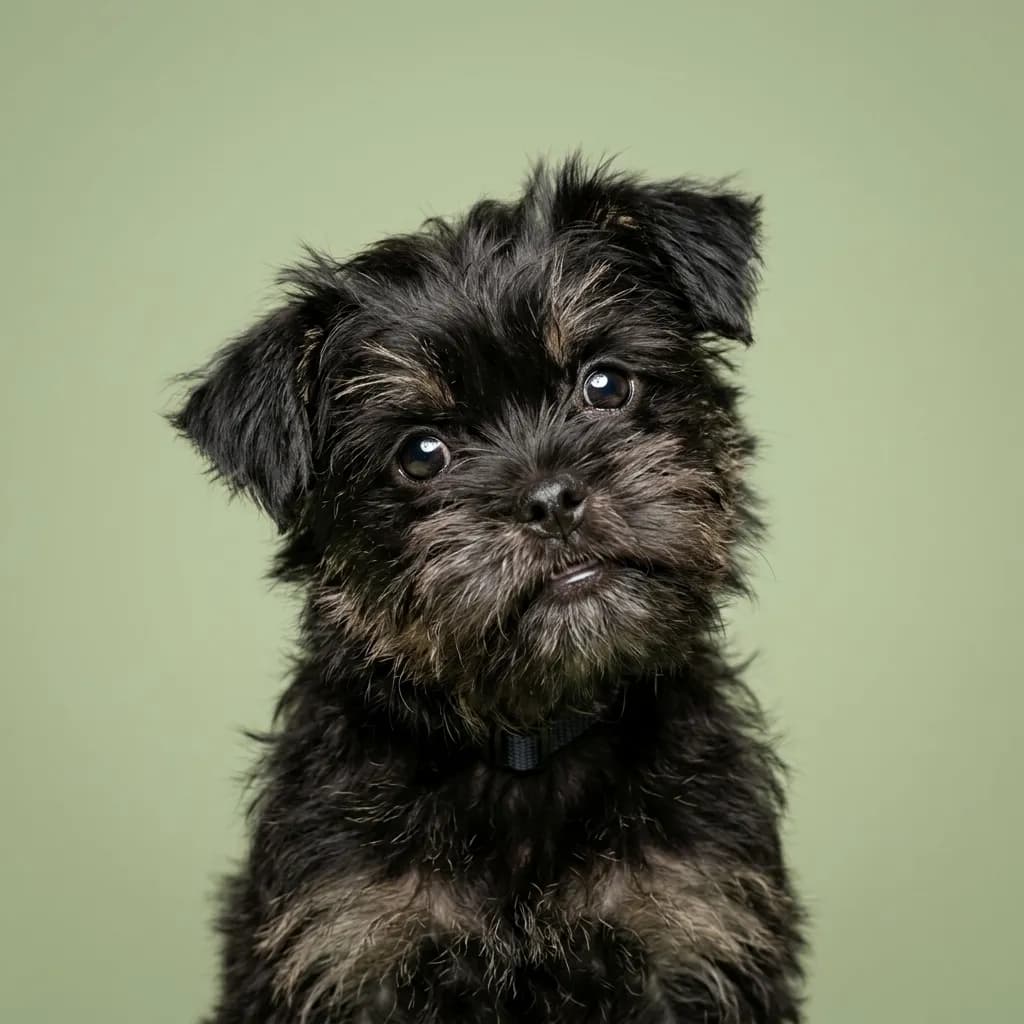
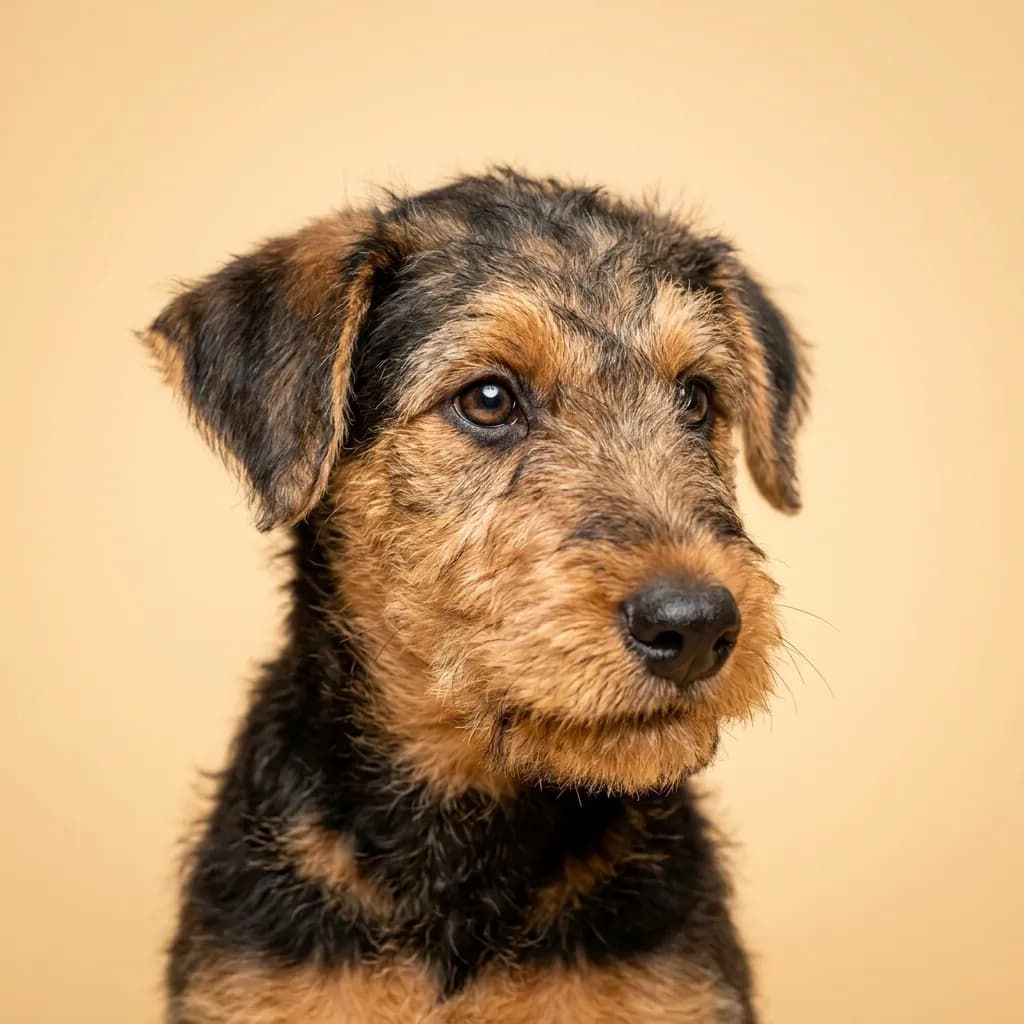
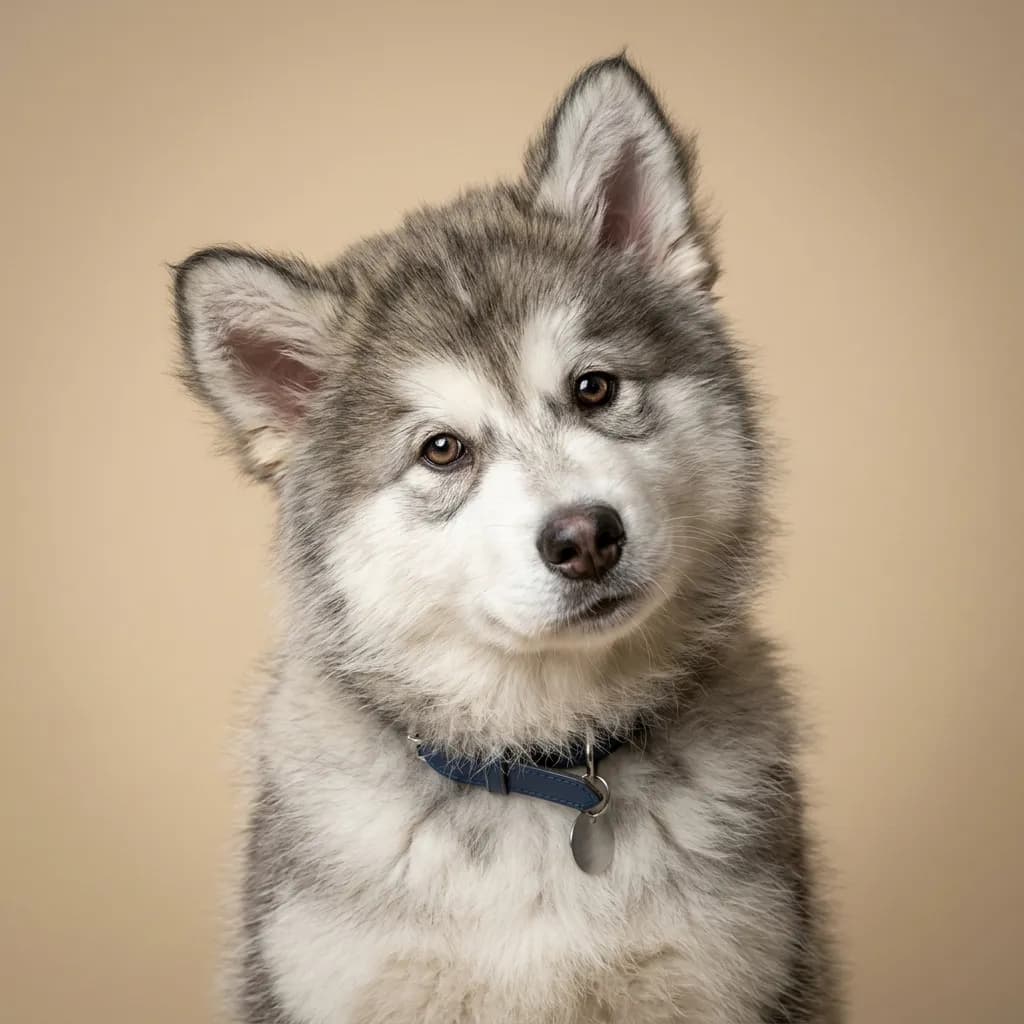
Exercise BEFORE training sessions

You don’t need more tabs open. You need one trustworthy source.
Tell us your breed and your puppy’s age. We’ll tell you exactly what to focus on this week. One email. One priority. That’s it.
Tell us your breed and your puppy’s age. We’ll send you exactly what to work on this week.