Training Your Alaskan Malamute
Bred for jobs requiring strength, stamina, and decision-making. Responds to purposeful training with clear expectations. Needs to understand WHY.
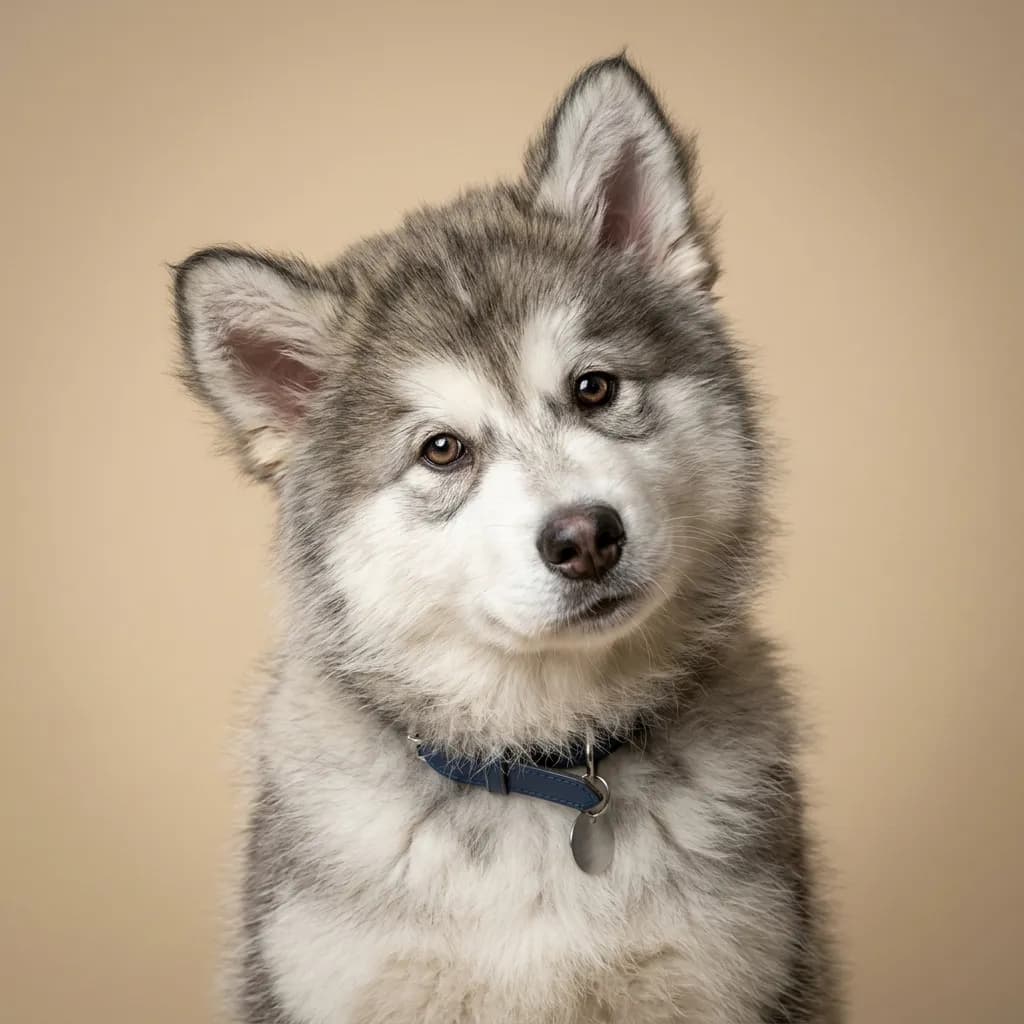
What Training a Alaskan Malamute Is Actually Like
Training an Alaskan Malamute is not about obedience drills or instant compliance. It’s about partnership. These dogs are intelligent but not eager-to-please in the way a Border Collie or Golden Retriever is. They rank in Coren’s Tier 4, meaning they need 25 to 40 repetitions to learn a new command, and even then, they’ll only follow it about half the time on first try. That’s not defiance—it’s critical thinking. Bred to pull heavy freight across frozen terrain, they’re built to make decisions independently. If a command doesn’t make sense in context, they’ll hesitate or ignore it. You’re not training a robot. You’re guiding a strong-minded athlete who needs to understand the why behind the what. They’re affectionate and loyal, but that doesn’t mean they’ll jump to obey. Expect slow, steady progress with setbacks during adolescence. They thrive on structure, purpose, and consistency—not praise alone.
Training Timeline
Start at 8 weeks: socialization is critical. The window closes at 12 weeks, so expose your puppy to new people, dogs, sounds, and surfaces aggressively during this time. Use positive reinforcement, but keep sessions short—5 minutes max. By 16 weeks, begin basic commands like sit and stay, but expect inconsistent responses. At 6 months, adolescence hits hard. Energy spikes, attention drops, and independence grows. This phase lasts until 18 months. Around 11 to 12 months, a second fear period hits between weeks 44 and 56. Avoid forced exposure. Keep training predictable. Use familiar environments. Push too hard and you’ll create lasting wariness. By 14 months, they reach social maturity. You’ll finally see consistency. Continue reinforcing known commands, but gradually increase difficulty—add distance, distractions, and duration. By 18 months, if trained with purpose, your Malamute will respond reliably in most settings.
Breed-Specific Challenges
First, prey drive. Malamutes were not bred to listen—they were bred to pull. That means high chase instincts. Squirrels, cats, even joggers can trigger a full sprint. Recall training must start early and be non-negotiable. Second, independent thinking. They’ll question commands they don’t understand. “Sit” with no context? They’ll stare. Use task-oriented cues—link commands to actions like “load the sled” or “wait at the door.” Third, climate sensitivity. They overheat fast. Train in early morning or late evening, especially in warmer zones. A tired Malamute isn’t lazy—it’s overheated. And finally, their loyalty doesn’t equal compliance. They bond deeply but still test boundaries. A first-time owner often mistakes affection for obedience and gets overwhelmed.
What Works Best
Train in 10 to 15 minute blocks, twice daily. Their mental stimulation needs are moderate, but focus is low during adolescence. Keep it purposeful. Use clear, structured sessions that build gradually—day one, sit in the yard. Day five, sit with mild distraction. Week two, sit before meals. They respond best when they see the logic. Rewards should combine food and task satisfaction. A treat after a completed sled pull or a long walk after a perfect heel reinforces effort. Avoid repetitive drills. They’ll tune out. Instead, vary locations and tasks. Use their job—hiking, cart-pulling, snow trekking—as reinforcement. They don’t train for you. They train with you.
Crate Training Your Alaskan Malamute
For an Alaskan Malamute, start with a 42-inch crate right out of the gate—even if your puppy is small. These dogs grow fast, and they’ll hit 80 pounds fast enough that downsizing later is a waste of money. Use a divider to section off the back so they’re not sleeping in a giant space they could soil; just make sure to adjust it as they grow so they only have room for a bed and a little turning space.
Malamutes are affectionate and loyal, but they’re also task-oriented with high energy, so crate training has to be purposeful. They won’t settle just because you tell them to. If the crate feels like a prison, they’ll fight it—chewing pads, digging at the plastic tray, or howling. That’s not defiance, it’s boredom mixed with separation anxiety. These dogs bond hard and don’t like being isolated, so never use the crate as punishment. Instead, make it part of their routine: short sessions at first, always ending on a calm note.
A 4-month-old Malamute shouldn’t be crated more than 3 hours at a time; by 6 months, maybe 4. Even as adults, don’t push beyond 6 hours unless absolutely necessary. Their energy level is 4 out of 5 for a reason—they need activity, not confinement.
Here’s a breed-specific trick: stuff a Kong with peanut butter and freeze it, but only after they’ve been crated quietly for a few minutes. They’re clever and will learn fast if the payoff is consistent. Also, pad the crate with a durable bed—these dogs dig, and some will shred foam if left alone too long. And skip the plastic crates; go metal with a fabric top if you want something portable.
Stick to a clear structure, increase duration slowly, and always pair crating with something positive—like a walk or play session right after. Malamutes thrive on routine and purpose. Make the crate part of that, and they’ll accept it as their den, not a jail.
Potty Training Your Alaskan Malamute
Alaskan Malamutes are big dogs with big personalities, and their size plays a role in potty training right from the start. At around 80 pounds on average, they have larger bladders than smaller breeds, which sounds helpful but doesn’t necessarily mean they’ll catch on faster. Puppies still need frequent trips outside—every 1-2 hours during the day, after meals, naps, and play sessions—because their systems are immature, not because they’re lazy. You can expect a realistic timeline of 4 to 6 months for reliable house training, sometimes longer. Don’t be fooled by early success; consistency over several months is key.
Trainability is rated a 5/5, but that’s not the whole story. Malamutes fall into Coren’s Tier 4, meaning they’re average learners and need 25 to 40 repetitions to grasp a new command. They’re loyal and affectionate, yes, but they’re also independent thinkers with a strong will. They’ll figure out the routine quickly, but they won’t always follow it just to please you. That independence means you have to be more persistent than with a eager-to-please breed like a Golden Retriever.
One breed-specific challenge is their tendency to dig or wander once outside. They’re not easily distracted by scents like hounds, but they may decide the yard is for play, not potty. You need a designated spot and a consistent cue word, and you’ve got to stick to it. Letting them roam the yard freely during potty breaks will slow progress.
Rewards work best when they’re immediate and high-value. Malamutes respond well to food rewards—small, tasty treats they can’t get any other time. Pair that with enthusiastic praise, since they do care about your approval. Use the same treat-only-for-potty routine for the first few months, then fade it gradually. They’ll learn faster when they see the benefit in it.
Leash Training Your Alaskan Malamute
Alaskan Malamutes are powerful, task-driven dogs built for pulling, and that instinct doesn’t disappear just because they’re walking down a suburban street. They average 80 pounds of muscle and endurance, so standard collars won’t cut it—go straight to a well-fitted, no-pull harness. Front-clip harnesses can help redirect their forward momentum, but don’t expect miracles. Malamutes weren’t bred to heel; they were bred to pull heavy freight across frozen tundra, often in teams, which means tension on the leash feels natural to them. That’s the root of the problem: they don’t resist pulling, they excel at it.
Their energy level is high—4 out of 5—and while they’re affectionate and loyal at home, that doesn’t translate to focus on walks. Prey drive varies, but many will lunge at squirrels or rabbits, not out of aggression but because movement triggers their deep-seated drive to chase. That sudden burst of speed can yank you off your feet if you’re not prepared. Loose-leash walking is possible, but it takes consistency and respect for their nature.
Common leash issues include pulling with freight-train force, ignoring recall during high arousal, and “sled mode,” where they lock into forward motion and tune you out. You can’t fight their genetics. Instead, reframe your goals. “Good” leash behavior for a Malamute isn’t tight-heeling like a German Shepherd. It’s about building engagement, teaching them to check in, and accepting that walks will be more about controlled exertion than perfect manners.
Use task-oriented training—break walks into short segments with clear goals, like “three steps without pulling, then treat.” Make it a job. Keep sessions short and rewarding. And for safety, consider a double-ended leash that attaches to both a harness and collar to prevent rotational escape. They’re not stubborn; they’re purpose-built. Work with that, not against it.
“I just wish someone would tell me what to do and when to do it.”
Not generic puppy tips. Not a video course you’ll never finish. Just one email a week telling you exactly what to work on with your Alaskan Malamute, at the age they are right now. Nothing to sift through. Nothing to figure out. Just this week.
Get Started — It’s FreeTell us your breed and your puppy’s age. We’ll send you exactly what to work on this week.
Socializing Your Alaskan Malamute
Alaskan Malamutes are big, strong dogs with a lot of confidence and a deep bond to their people, but they’re not born ready to handle the world calmly. Their socialization window is tight—weeks 3 to 12—and it directly overlaps with their first fear period at 8 to 11 weeks, which is critical to understand. During this time, every new experience matters. A negative or overwhelming encounter can stick with them well past puppyhood because their natural caution, bred into them as Arctic working dogs, can tip into wariness if not carefully managed.
Malamutes weren’t bred to alert or guard, but they are independent thinkers and can be aloof with strangers. That means they need more exposure to a wide variety of people—not just adults, but kids, people in hats or uniforms, and folks moving differently—so they learn early that novelty isn’t a threat. They also need consistent, positive experiences with other dogs. Their pack-drive is strong, but without early socialization, they can become either overly dominant or selectively aggressive, especially toward same-sex dogs.
Where owners go wrong is assuming their puppy’s friendly nature at 10 weeks means they’re “set.” That’s right in the middle of the fear period. Flooding them with too much too fast, or skipping outings because they’re “stubborn” or “shy,” creates gaps. Missing those early weeks doesn’t just mean a nervous dog—it means a full-grown 80-pound dog with 14 months of maturity behind him who’s reactive or disengaged when stressed. That’s hard to undo.
Done right, early socialization shapes a Malamute who’s still bold and independent but emotionally steady. You keep their playful loyalty without the reactivity. You get the sled dog strength without the baggage. And that’s what you want—a dog who’s confident enough to work in silence across frozen terrain, but gentle enough to lie beside your kid.