Training Your Afghan Hound
Independent thinkers bred to work ahead of handlers. Scent hounds follow their nose; sight hounds follow movement. Requires patience and high-value rewards.
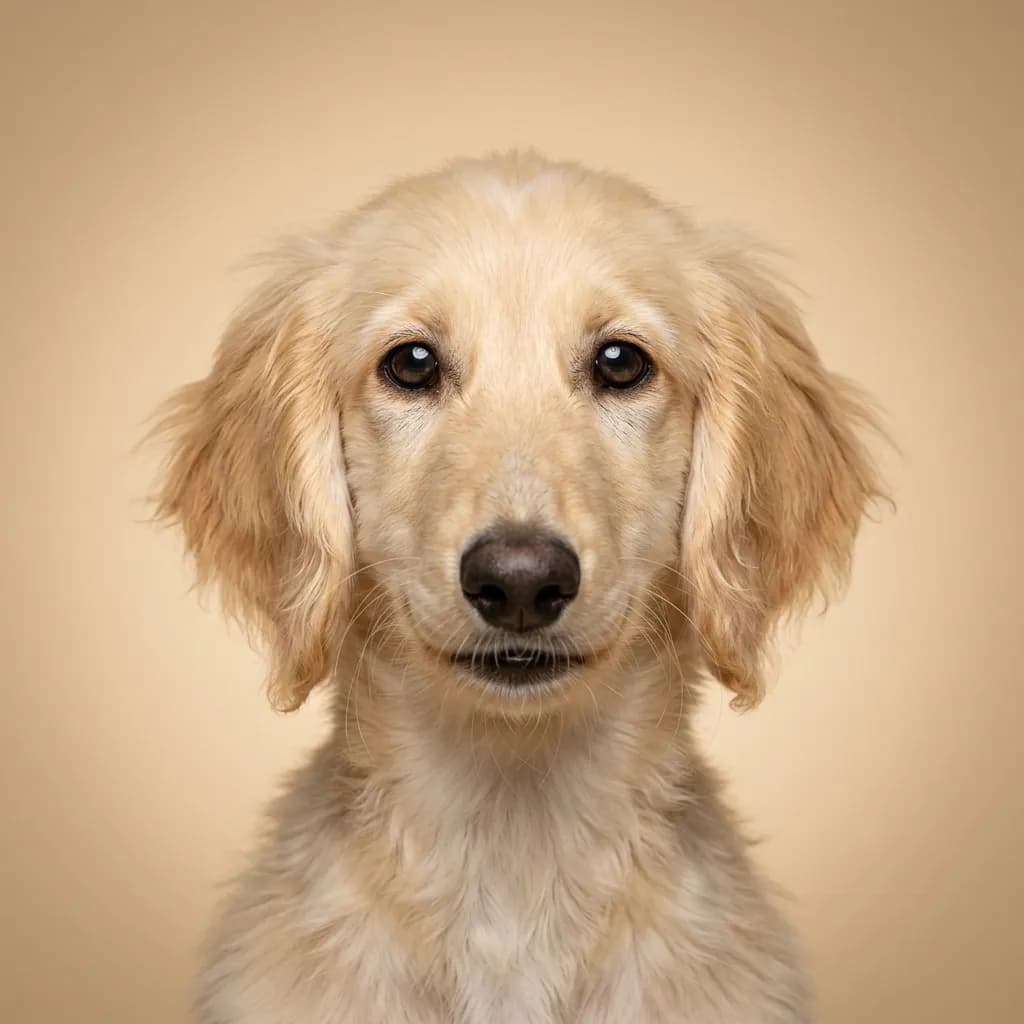
What Training a Afghan Hound Is Actually Like
Training an Afghan Hound is not about control. It’s about negotiation. These dogs are independent thinkers bred to work miles ahead of their handlers, relying on instinct and speed to course game across rugged terrain. That means they don’t default to looking at you for direction like a Border Collie would. Their Coren trainability tier is 6—the lowest—and they typically need 80 to 100 repetitions to learn a new command, with only about 25% responding to a first command. Their AKC trainability rating is 1 out of 5, which isn’t a reflection of intelligence but of motivation. They’re smart, just selective. You’ll need patience, consistency, and a sense of humor. They’re dignified to a fault, deeply loyal to their people, and capable of great affection—but on their terms. If you’re a first-time owner or want a dog that thrives on obedience drills, this isn’t the breed for you.
Training Timeline
Start socialization immediately at 8 weeks. Their critical window closes at 12 weeks, so expose them to varied people, surfaces, sounds, and environments early. Use high-value treats like chicken or freeze-dried liver to create positive associations. At 6 months, adolescence hits hard and lasts until 18 months. Expect testing, selective hearing, and bursts of goofy energy. Around 11 to 14 months, you’ll see another fear period—weeks 44 to 56—where new experiences may trigger hesitation or avoidance. Go slow. Avoid forced interactions. Reinforce confidence with calm, rewarding exposure. By 14 months, mental maturity starts to settle in. You’ll finally see more consistency in recall and focus, but off-leash freedom is still risky. Their instinct to chase is hardwired and often overrides training.
Breed-Specific Challenges
First, recall is a lifelong project. Their prey drive is intense, and once they lock onto movement—a squirrel, a cat, a fluttering bird—they’re gone. Second, they’re sensitive to harsh tones or corrections. Scolding will shut them down or make them withdraw, not comply. Third, their independence means they’ll often choose what to do, not what you ask. You can’t force compliance; you have to make the right choice more appealing. Fourth, their size and energy level—rated 4 out of 5—mean unmet needs lead to destructive behaviors like digging or pacing, especially in small yards or apartments.
What Works Best
Keep sessions under 5 minutes. Their attention span is short, and long drills backfire. Use extremely high-value rewards—think rotisserie chicken, tripe, or cheese. Scent-based games, like hiding treats or using drag lines, tap into their natural instincts and keep them engaged. Train in low-distraction environments first; even basic cues fall apart with visual or olfactory noise. Use positive reinforcement only—this breed doesn’t respond to dominance or force. Build reliability through repetition and patience, not punishment. And always, always respect their pace. They’ll learn, but on their timeline.
Crate Training Your Afghan Hound
Afghan Hounds are large dogs, averaging around 55 pounds, so plan for a 42-inch crate even if your puppy is small now. A divider is essential early on to prevent them from having too much space, which can delay house training. But don’t expect them to outgrow the need for comfort quickly—Afghans are sensitive and need the crate to feel like a den, not a prison.
Their energy level is high, ranking 4 out of 5, but their temperament is dignified and quietly loyal, not frantic. That means they won’t typically throw themselves at the crate door like some high-energy breeds. But they’re not eager to please either—trainability is only 1 out of 5. They won’t rush to accept confinement just because you say so. They need a reason to love that crate.
Use their nose. This is where scent_patience methodology pays off. Instead of luring with food alone, hide high-value treats like freeze-dried liver inside scent games inside the crate. Let them solve it. A bored Afghan is a destructive Afghan; mental work matters more than food bribes alone.
Adult Afghans can handle 4 to 5 hours crated if exercised first, but puppies should not exceed 2 to 3 hours. Their separation tolerance is moderate—they bond deeply and can become anxious if crated too long or too early. Don’t mistake their quiet demeanor for contentment. They may not bark or chew the pad, but they could be stressed silently.
One quirk: they’re not chewers of the crate itself, but they will dig at the pad if it’s slippery. Use a fleece mat with non-slip backing, and anchor it. They need to feel secure on their feet.
Short sessions—three to five minutes of positive interaction with the crate, multiple times a day—are far more effective than long forced stays. Open the crate, drop a treat inside, close it, wait five seconds, open—repeat. No pressure. They’ll walk in when they’re ready. Respect their aristocratic pace.
Potty Training Your Afghan Hound
Afghan Hounds are large dogs, averaging around 55 pounds, which means they have a decent bladder capacity. That helps a little, but don’t expect fast progress just because they’re big. Their size doesn’t speed up learning; it just means they can physically hold it longer once trained. Realistically, you’re looking at 4 to 6 months for reliable house training, sometimes longer. Don’t be fooled by early successes—consistency is key, and setbacks are common.
Their trainability score of 1 out of 5 says it all. Ranked in Coren’s lowest tier, Afghans need 80 to 100 repetitions to learn a basic command. They’re not disobedient on purpose; they’re independent thinkers with a dignified, almost aloof temperament. They don’t crave praise the way Labs or Goldens do. That means they aren’t eager to please, and standard “good dog!” enthusiasm might not faze them. You can’t rush or force them. They’ll tune you out if they feel pressured.
One major challenge is their focus. Indoors, they’re not sneaky like small breeds hiding accidents under furniture, but they will ignore your cues if something else captures their interest. Outdoors, that aristocratic mind can drift—they might stop to pose dramatically in the wind instead of doing their business. Stick to a strict schedule, especially after meals, naps, and play. Take them out every 2 to 3 hours when young.
Rewards need to be meaningful. High-value treats like small pieces of cooked chicken or freeze-dried liver work better than kibble. Praise should be calm and understated—Afghans respond to quiet confidence, not squealing excitement. Pair treats with a consistent cue word, and be patient. They’ll learn, but on their own timeline. Success with an Afghan isn’t about dominance or repetition alone. It’s about building trust, staying consistent, and respecting their quiet pride.
Leash Training Your Afghan Hound
Afghan Hounds are not built to walk politely by your side because that was never the job. Bred to course gazelle and hares over rugged mountain terrain, they’re engineered to spot movement, take off, and follow scent trails with zero regard for your arm strength. Their energy is high but bursts of speed define it—expect sudden lunges when they catch a whiff of something interesting, not steady pacing. That 4/5 energy isn’t for heel work. It’s for explosive sprints.
Leash training an Afghan is less about perfection and more about damage control. Their trainability rating of 1/5 isn’t exaggeration. They’re independent thinkers with a hound brain wired for patience and scent, not obedience. You won’t win with force. You win with strategy. A front-clip harness is non-negotiable. A collar risks tracheal damage on a dog this strong and this prone to sudden pulls. The harness gives you some leverage, but don’t expect miracles. Even with the right gear, they’ll stop mid-stride to investigate a scent or stare regally at a bird 100 yards away. That’s not defiance. That’s their job description.
Common problems? Pulling, yes—but more specifically, the complete shutdown when scent is strong. They go from zero to frozen, unresponsive to voice or treats. This isn’t stubbornness. It’s focus. Their aristocratic demeanor means they’ll ignore you with elegance, not aggression, but ignore you they will.
Realistic expectations matter. A “good” leash walk with an Afghan means managing 80% of the lunges, accepting that they’ll rarely heel, and celebrating when they check in voluntarily. Loose leash walking is rare. Success looks like you staying calm, them staying safe, and both of you surviving the walk without one of you getting dragged into the woods. They’re loyal, but on their terms. Respect their instincts and work around them, not against them.
“I just wish someone would tell me what to do and when to do it.”
Not generic puppy tips. Not a video course you’ll never finish. Just one email a week telling you exactly what to work on with your Afghan Hound, at the age they are right now. Nothing to sift through. Nothing to figure out. Just this week.
Get Started — It’s FreeTell us your breed and your puppy’s age. We’ll send you exactly what to work on this week.
Socializing Your Afghan Hound
Afghan Hounds have a narrow socialization window—weeks 3 to 12—and it directly overlaps with their first fear period, weeks 8 to 11, which is critical. Most pups come home around week 8, right when they’re most vulnerable to lasting impressions. That means you can’t wait to start. You’ve got roughly four weeks to pack in positive exposures before their natural wariness kicks in hard. Miss that window and you’re playing catch-up with a breed that remembers every bad experience.
Afghans were bred to work independently in rugged terrain, not to take cues from people, so they’re naturally aloof and cautious with new things. They need more exposure to household sounds, vehicles, metal bowls clattering, umbrellas opening—anything unpredictable. Their silky coat and height also make them stand out, so they should meet people of all ages, especially men and children, early. A startled kid grabbing their coat can spook them if they’re not used to it.
They’re wary by default, not aggressive, but that aloofness can harden into avoidance if not shaped early. Common mistakes include assuming their calmness means they’re adjusted—looks can fool you—and overprotecting them during the fear period, which teaches them that fear is the right response. Let them observe, don’t force, but do expose. Use treats, space, and patience.
If you skip proper socialization, you don’t just get a shy dog—you get a 55-pound dignified hound who freezes or backs away from anything new, even at maturity. At 14 months they solidify into who they’ve been taught to be. A well-socialized Afghan is profoundly loyal and confident in his elegance. A poorly socialized one becomes selectively deaf to training and emotionally rigid. Their loyalty runs deep, but it’s reserved. Earn it early by showing them the world isn’t something to flinch from.