Epilepsy
What It Is
Epilepsy in dogs isn’t just one thing—it’s a neurological disorder where the brain misfires, causing seizures without an obvious trigger like toxins or brain tumors. When we say "epilepsy," we usually mean idiopathic epilepsy, which means the cause is unknown but likely genetic. It typically shows up in young to middle-aged dogs (between 6 months and 6 years), and yes, it’s scary to watch. But here’s the good news: many dogs with epilepsy live full, happy lives with proper management. It’s not contagious, and it’s not your fault. But it is something you need to be ready for if you’re considering a breed on the higher-risk list. Think of it like a faulty circuit breaker in the brain—everything runs fine until, suddenly, it doesn’t.
Symptoms to Watch For
Seizures are the main red flag, and they can range from mild to full-blown emergencies. You might see your dog stiffen up, lose consciousness, paddle their legs, drool excessively, or even lose bladder control. Some dogs just stare into space or act “spaced out” (these are called absence seizures), while others have full tonic-clonic episodes that last a minute or two. What’s crucial to know: most seizures last under 2–3 minutes and aren’t immediately life-threatening. But if a seizure goes longer than 5 minutes, or your dog has multiple seizures in a row (called cluster seizures), that’s a vet emergency. Also, watch for post-seizure behavior—confusion, pacing, blindness, or extreme fatigue. Keep a seizure log: date, time, duration, severity. It sounds obsessive, but it’s gold for your vet.
Diagnosis
Diagnosing epilepsy is basically a process of elimination. Your vet will start with a full physical and neuro exam, then likely run bloodwork to rule out liver issues, low blood sugar, or infections. If that all checks out, and your dog fits the age and breed profile, they might diagnose idiopathic epilepsy. But if there’s any doubt—especially if seizures start late in life or are unusually severe—they may push for an MRI or spinal tap to rule out brain lesions or inflammation. That’s where costs jump: a basic workup might run $300–$600, but advanced imaging at a specialty clinic? You’re looking at $1,500–$3,000. It stings, but it’s worth it to know exactly what you’re dealing with.
Treatment Options
Not every dog needs meds after one seizure. If they’re infrequent (say, once every few months), your vet might just monitor. But if your dog has cluster seizures, prolonged episodes, or more than one seizure a month, medication is usually recommended. The go-to is phenobarbital—it’s been around forever, it’s effective, and it’s relatively cheap ($20–$50 a month). But it can affect the liver, so regular blood tests (every 6 months) are non-negotiable. Potassium bromide is another option, especially for dogs who can’t tolerate phenobarbital, but it’s not safe around kids or pregnant people and takes weeks to build up in the system. Newer drugs like levetiracetam (Keppra) are pricier ($80–$150/month) but gentler on organs. Some people swear by CBD oil, but the research is still thin, and dosing is a wild west. Bottom line: work closely with your vet, and don’t panic if it takes a few tries to find the right combo.
Prevention and Screening
Here’s the hard truth: you can’t fully prevent genetic epilepsy. But you can reduce risks by choosing breeders who screen their dogs. Responsible breeders will do genetic testing when available and avoid breeding dogs with a history of seizures. Ask for parent health clearances, and don’t skip the conversation—any breeder worth their salt will be transparent. If you’re adopting, get as much family history as possible. And once you have your dog, minimize triggers: keep their routine consistent, avoid extreme stress, and don’t let them get overheated. No, you can’t wrap them in bubble wrap—but good care goes a long way.
Breeds Most at Risk
Epilepsy doesn’t play favorites, but some breeds are definitely more prone. The Herding and Sporting groups take the lead—think Border Collies, Australian Shepherds, and all four Belgian varieties. Beagles and Cane Corsos show up frequently in studies, too. The data shows 57 breeds with documented predisposition, and it’s not just purebreds—mixed dogs with these lineages can inherit it too. Sporting Group has the most (12 breeds), followed closely by Herding, Hound, and those in the AKC’s Foundation Stock Service, which often includes rarer or developing breeds. If you’re falling in love with a Barbet or a Bohemian Shepherd, just go in with your eyes open. The love is real—but so is the responsibility.
Breeds commonly affected
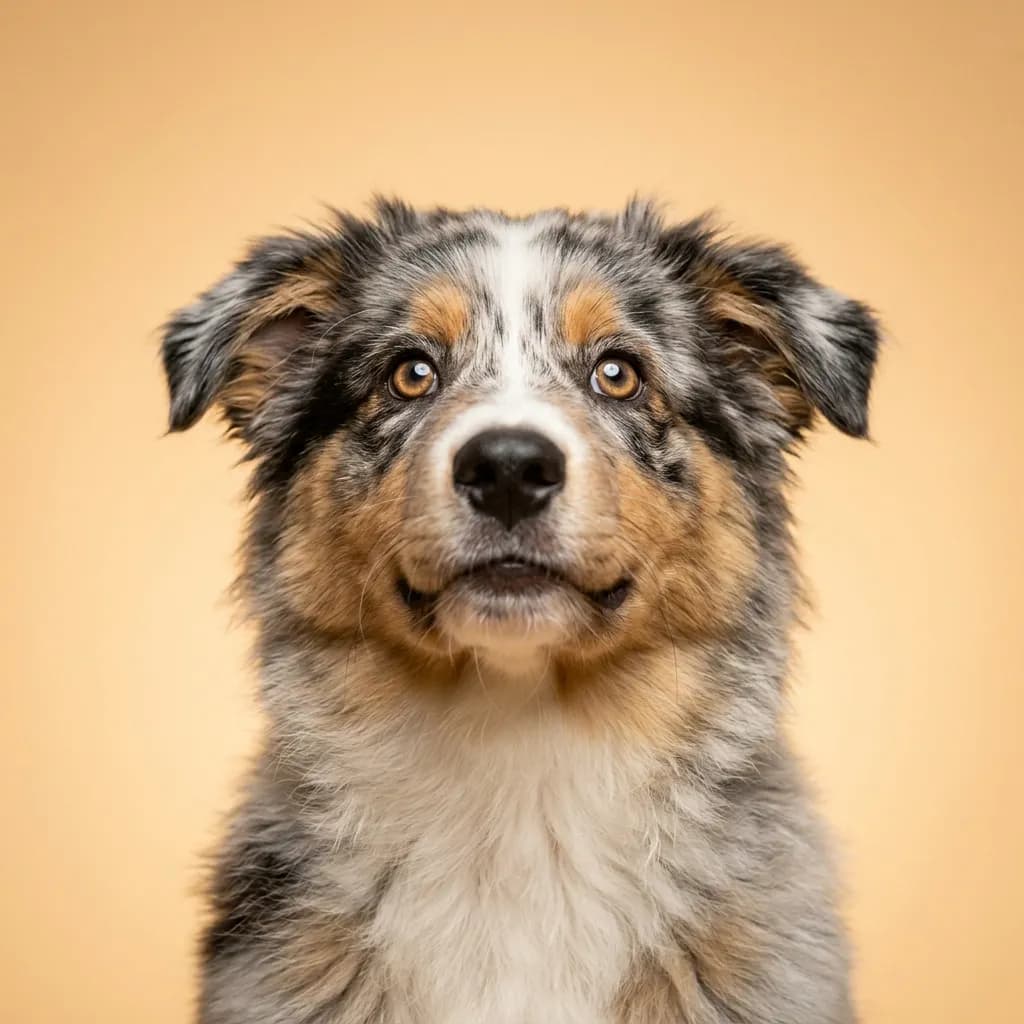
Australian Shepherd
Herding Group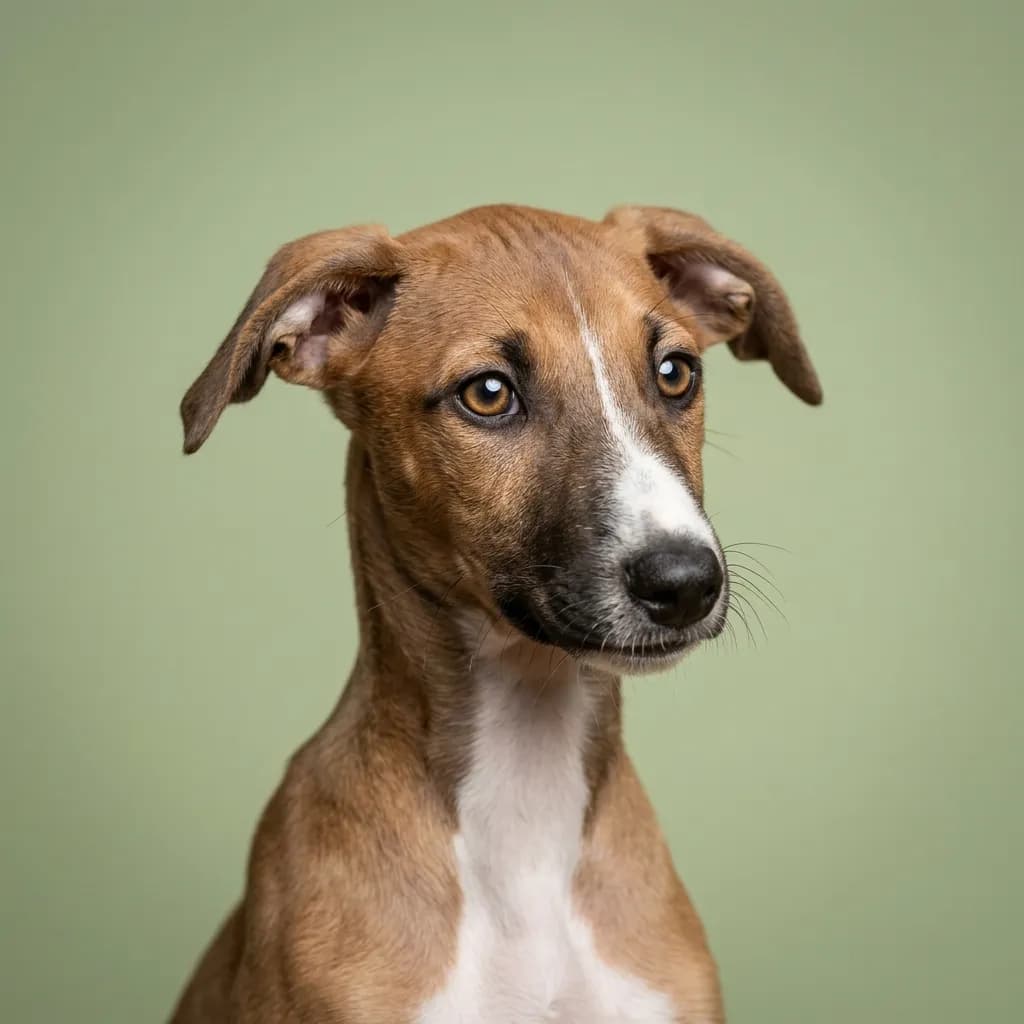
Azawakh
Hound Group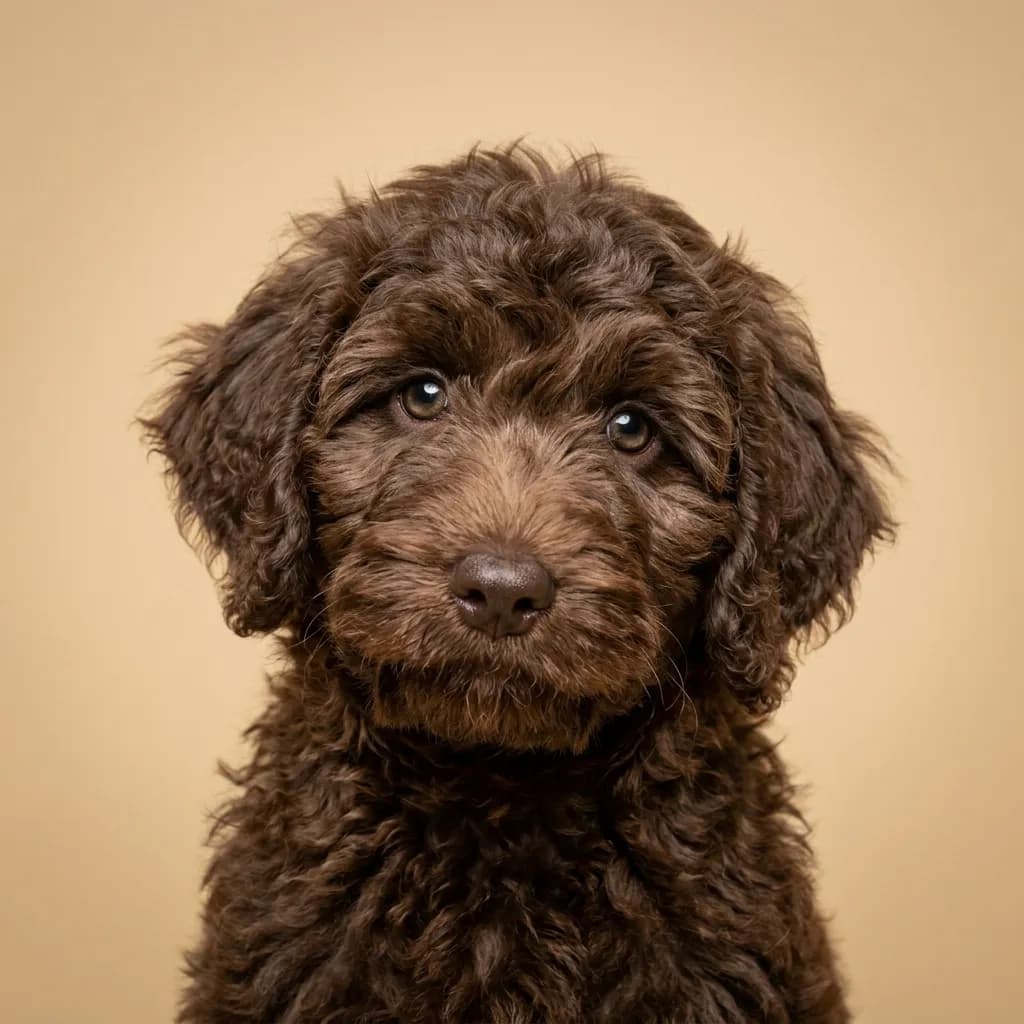
Barbet
Sporting Group
Beagle
Hound Group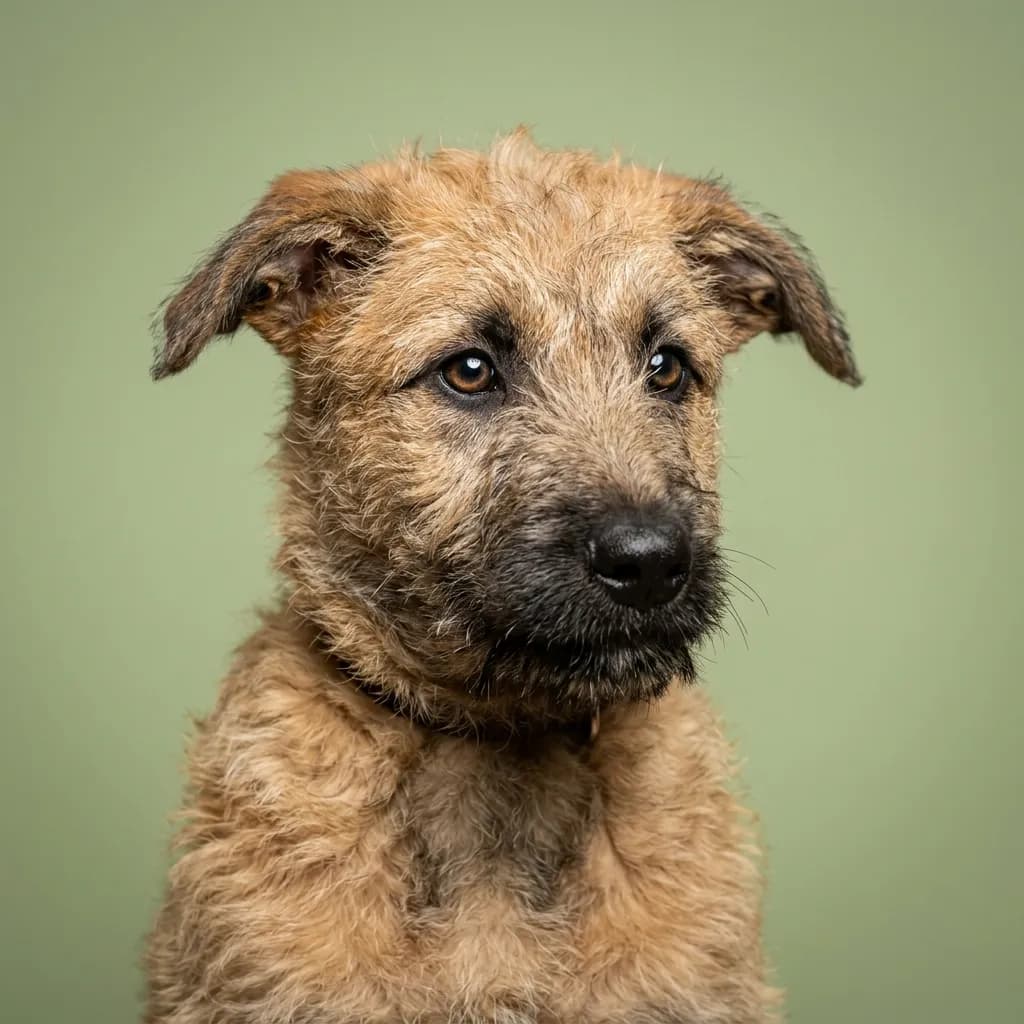
Belgian Laekenois
Miscellaneous Class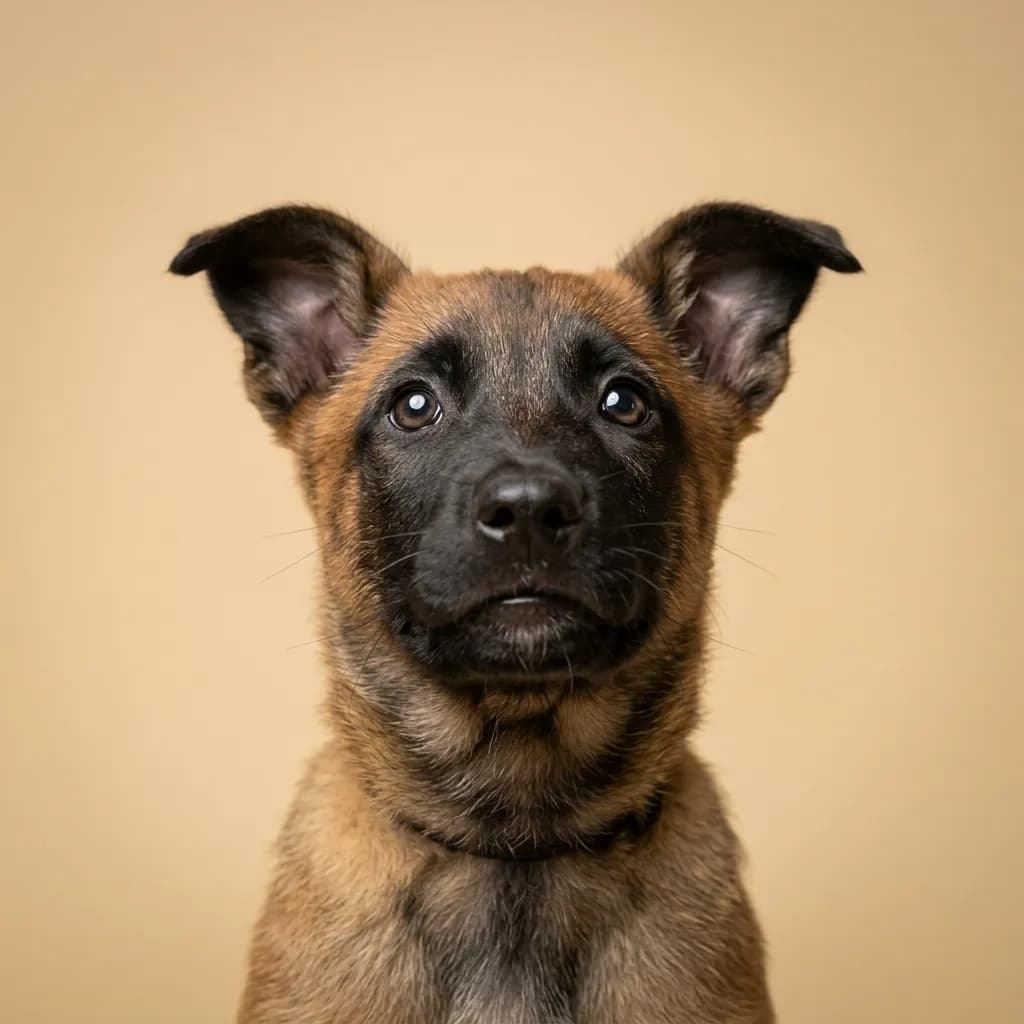
Belgian Malinois
Herding Group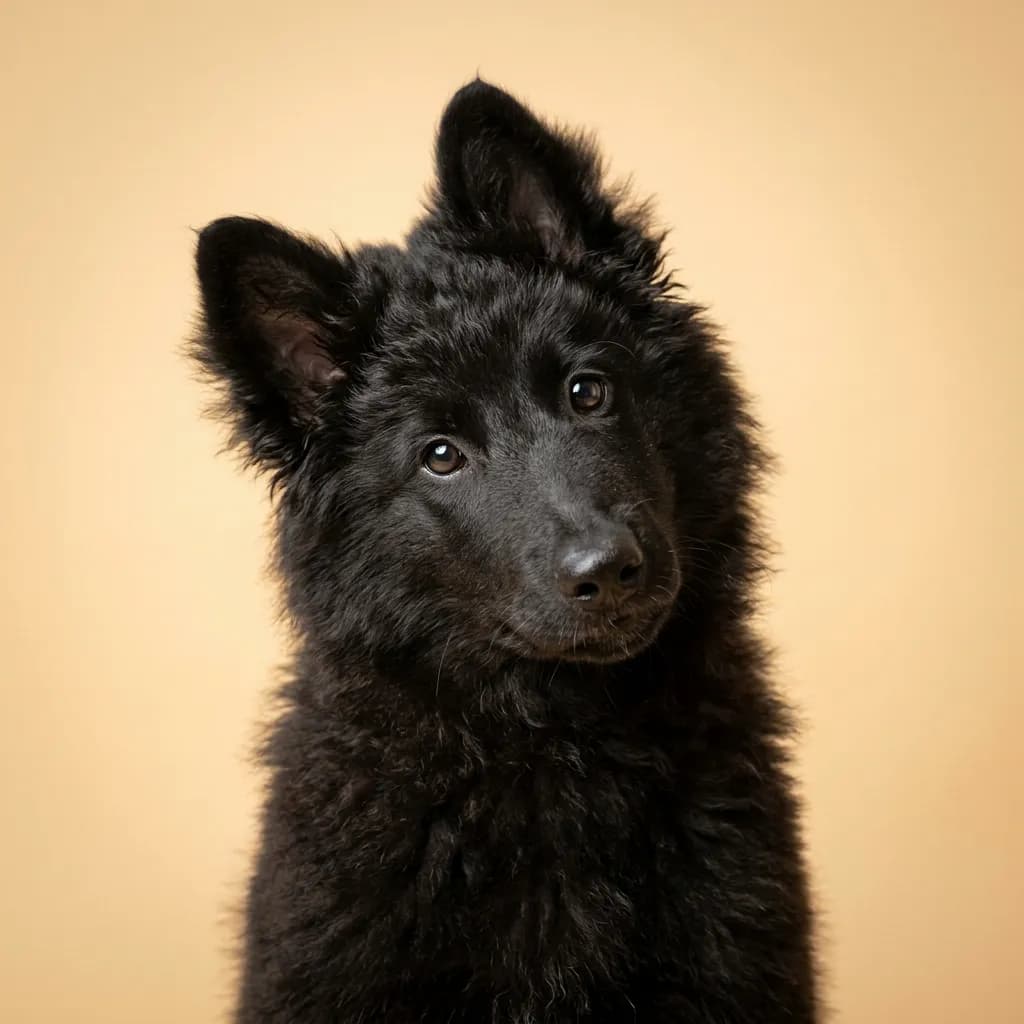
Belgian Sheepdog
Herding Group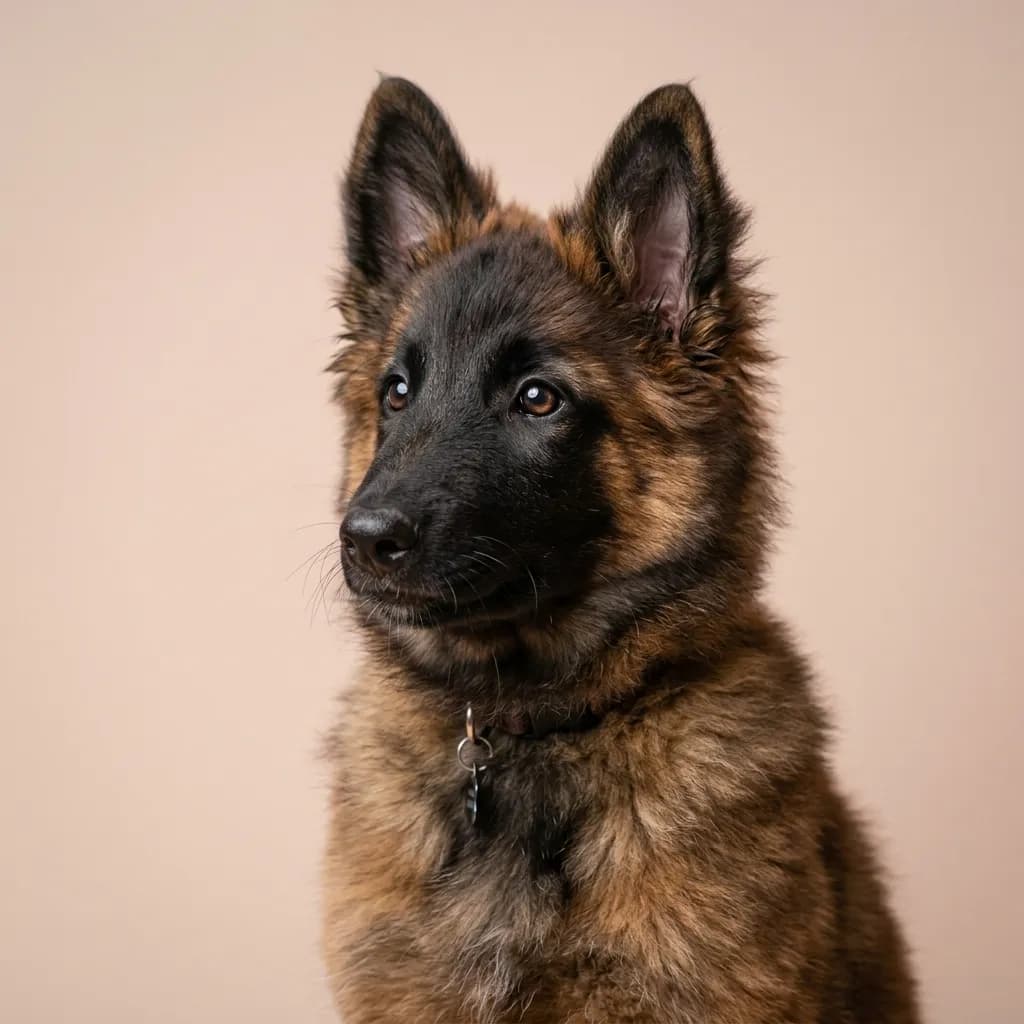
Belgian Tervuren
Herding Group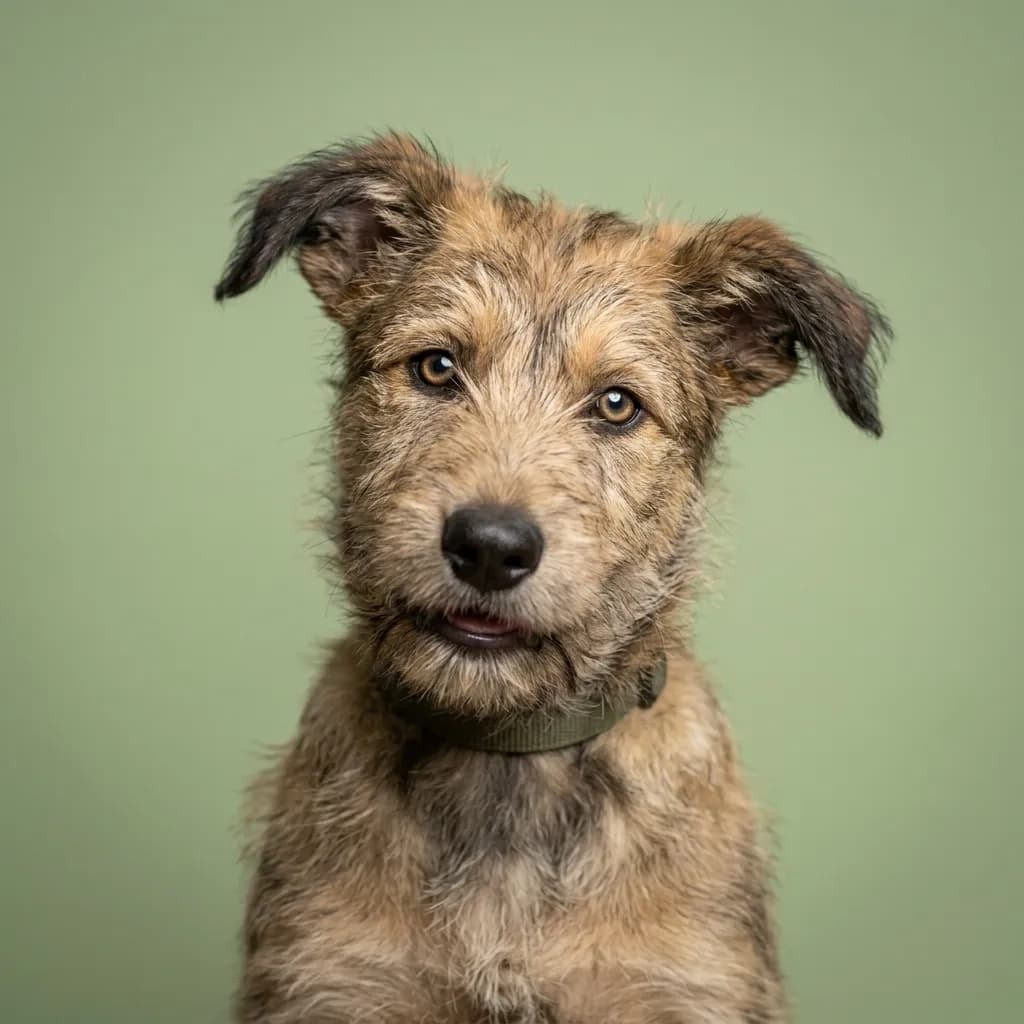
Berger Picard
Herding Group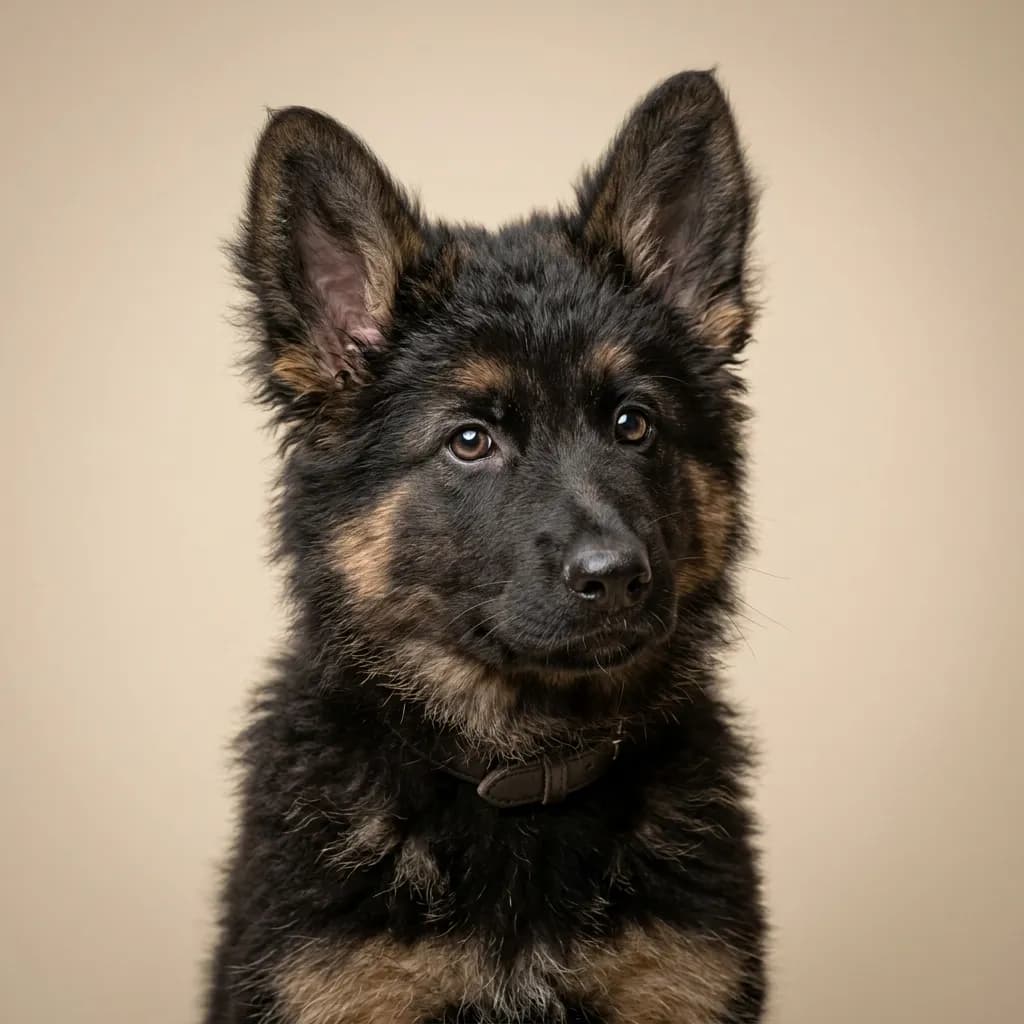
Bohemian Shepherd
Foundation Stock Service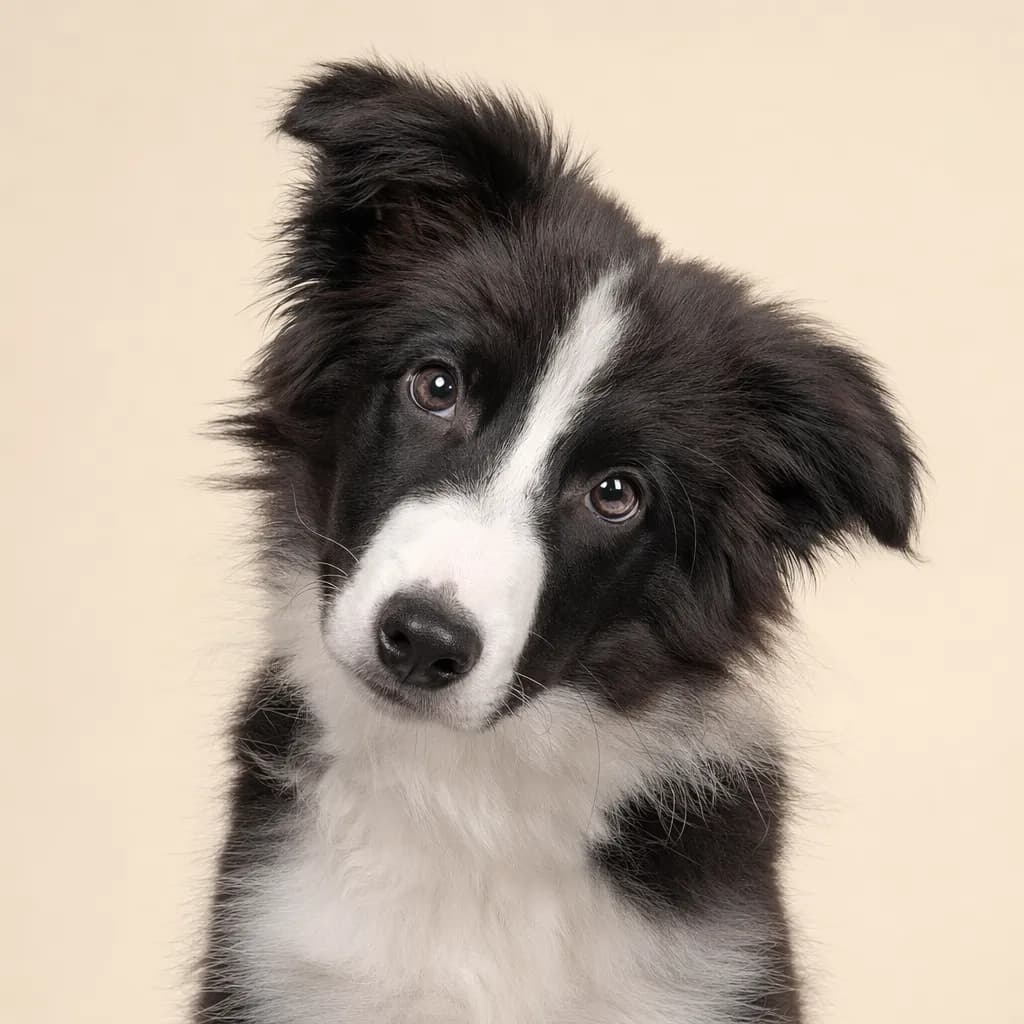
Border Collie
Herding Group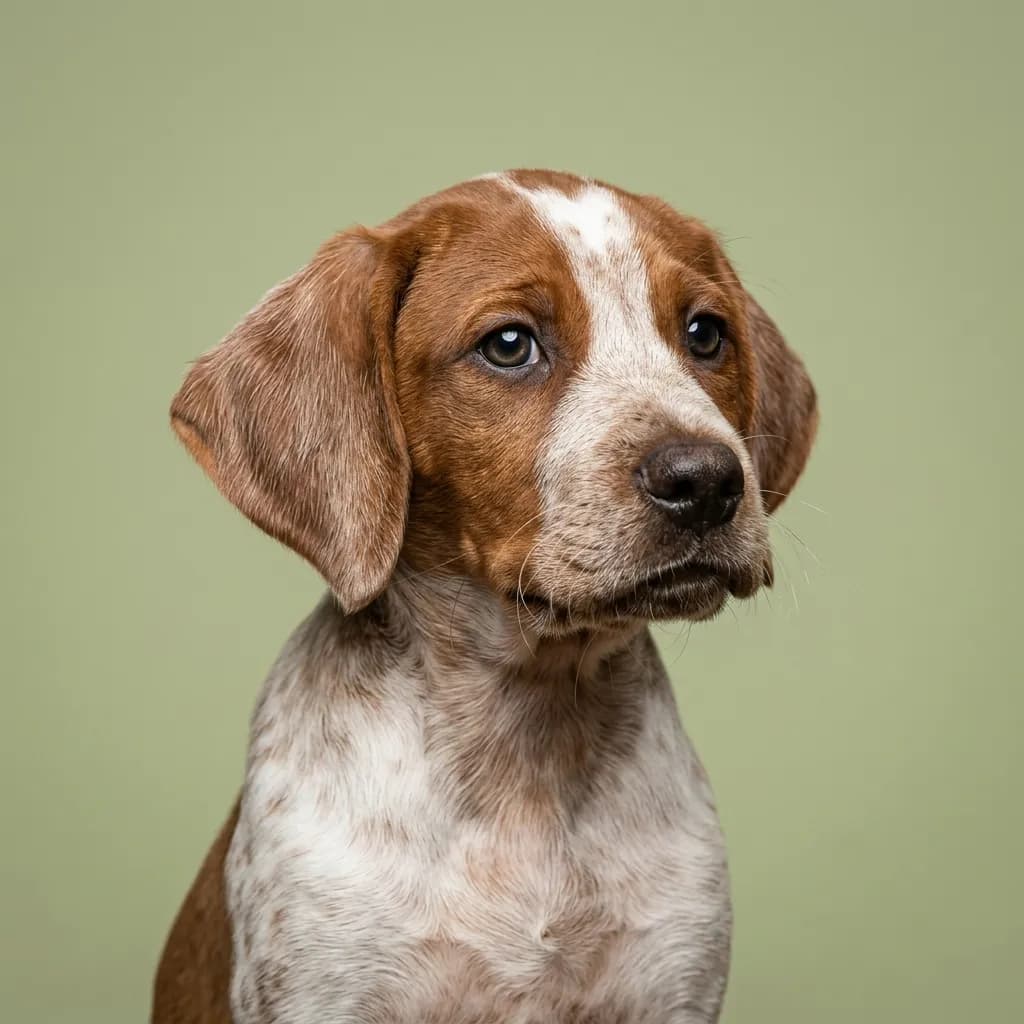
Braque Francais Pyrenean
Foundation Stock Service
Brittany
Sporting Group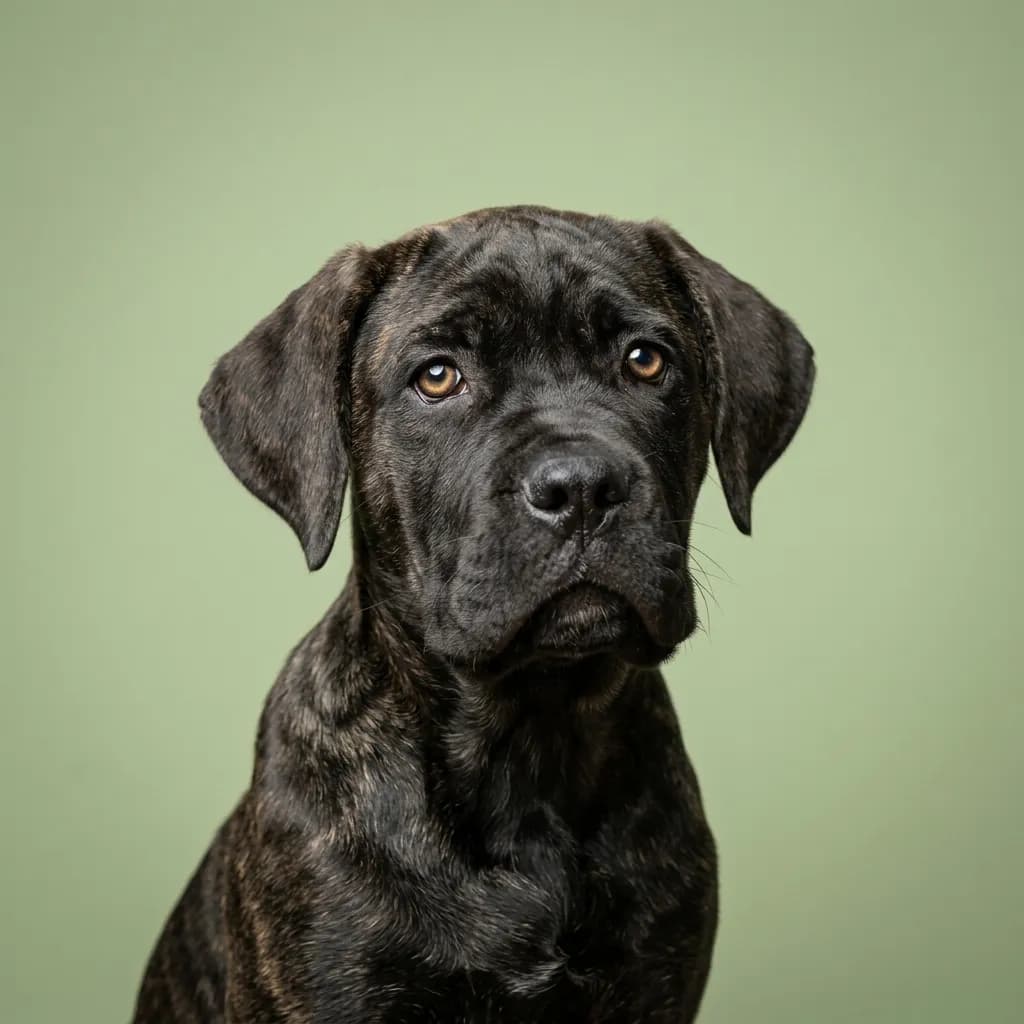
Cane Corso
Working Group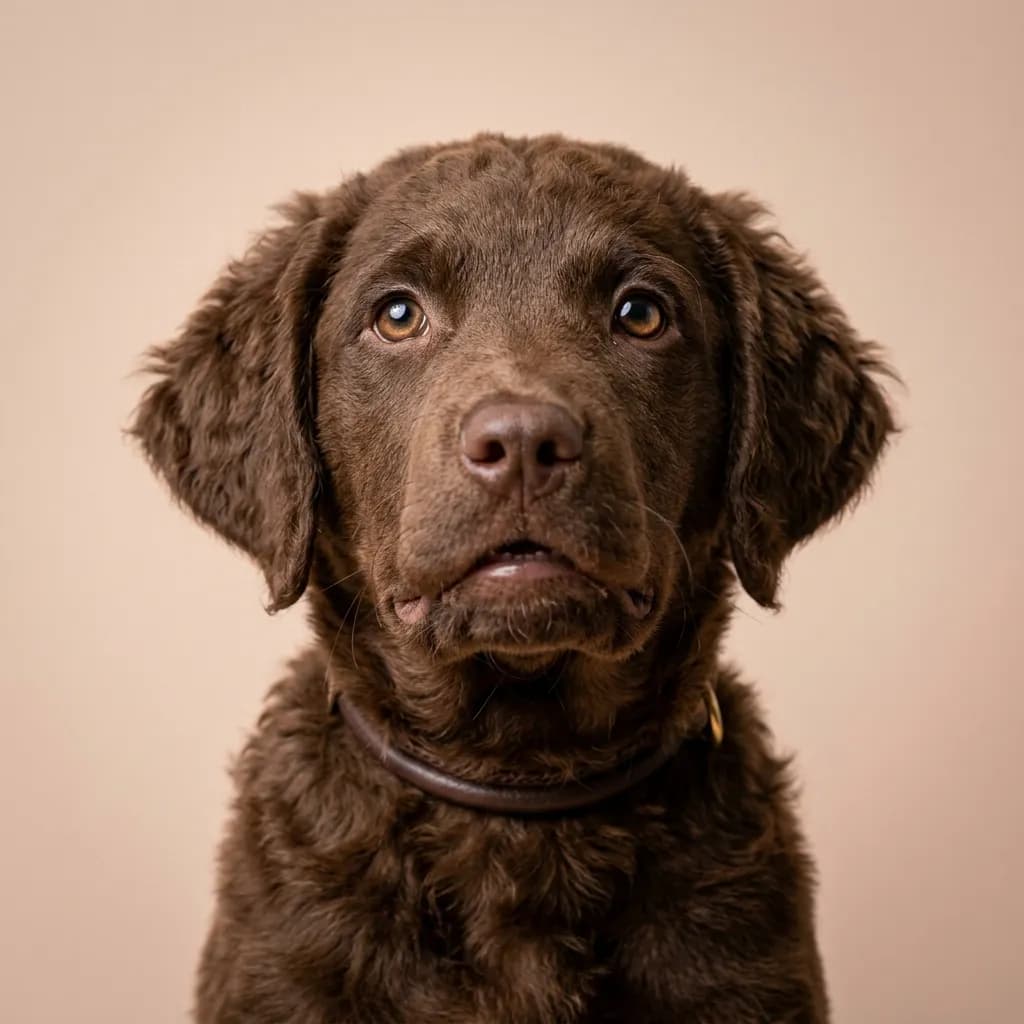
Chesapeake Bay Retriever
Sporting Group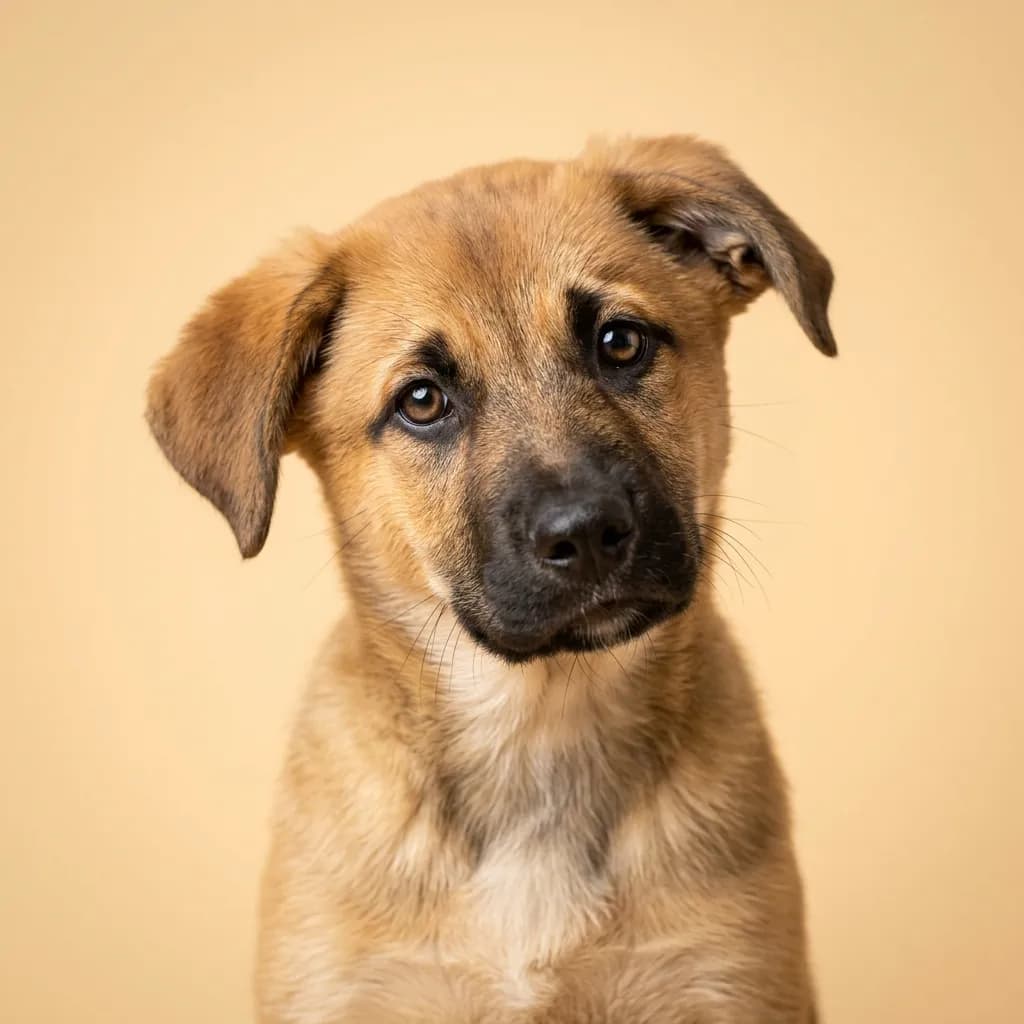
Chinook
Working Group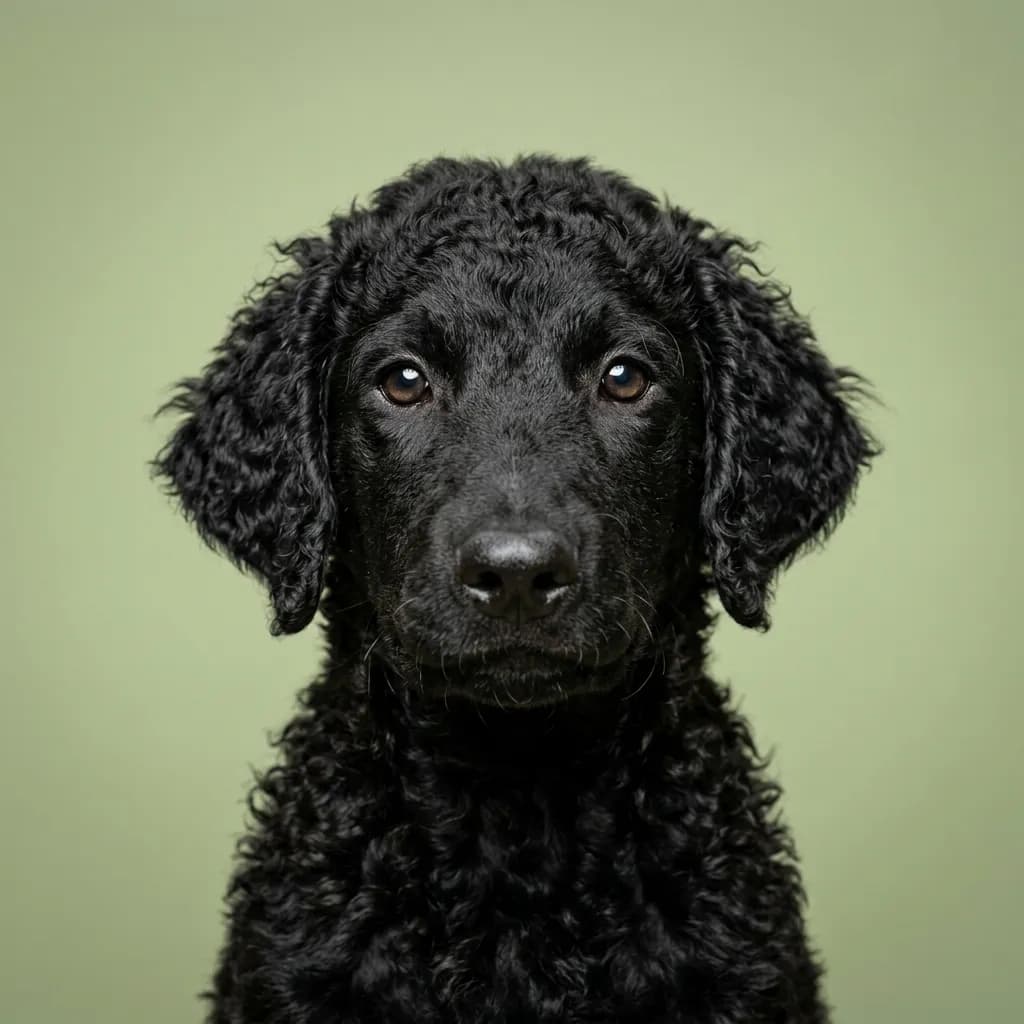
Curly-Coated Retriever
Sporting Group
Dachshund
Hound Group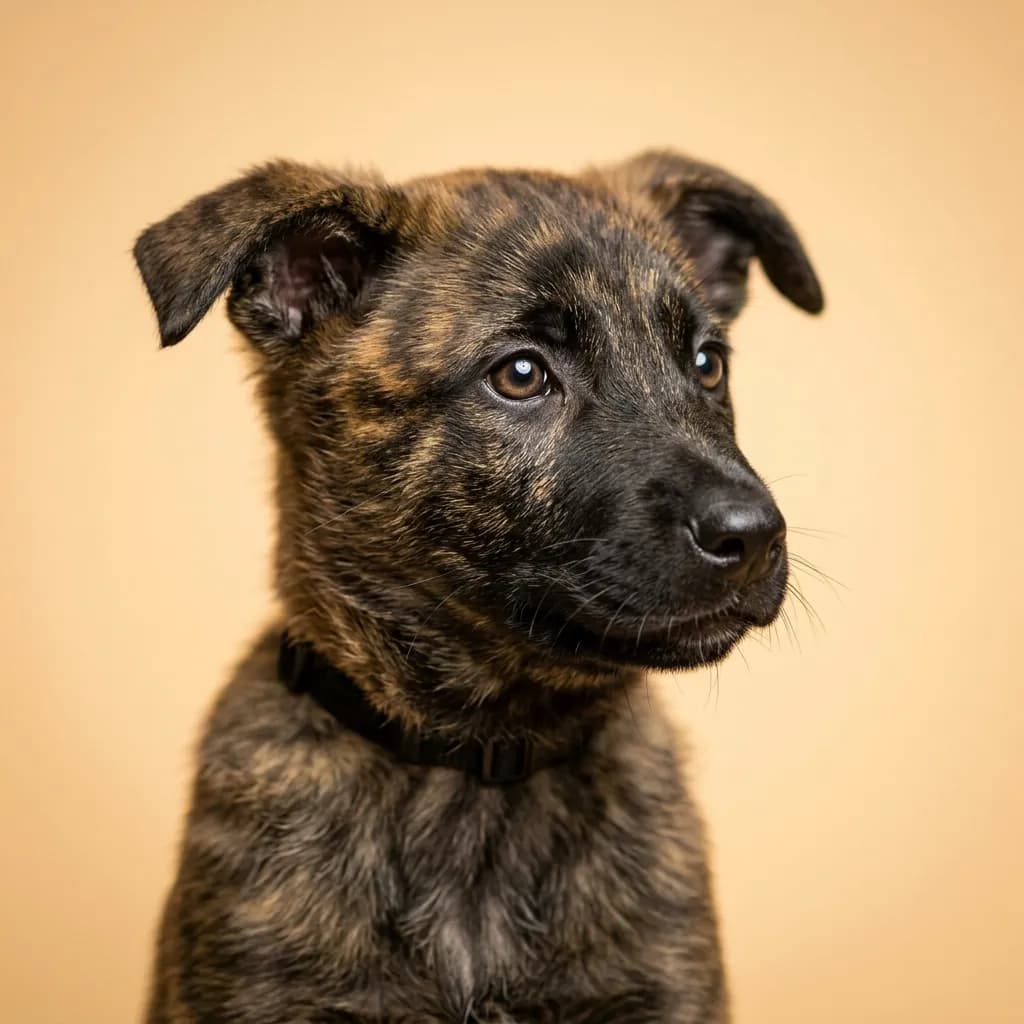
Dutch Shepherd
Miscellaneous Class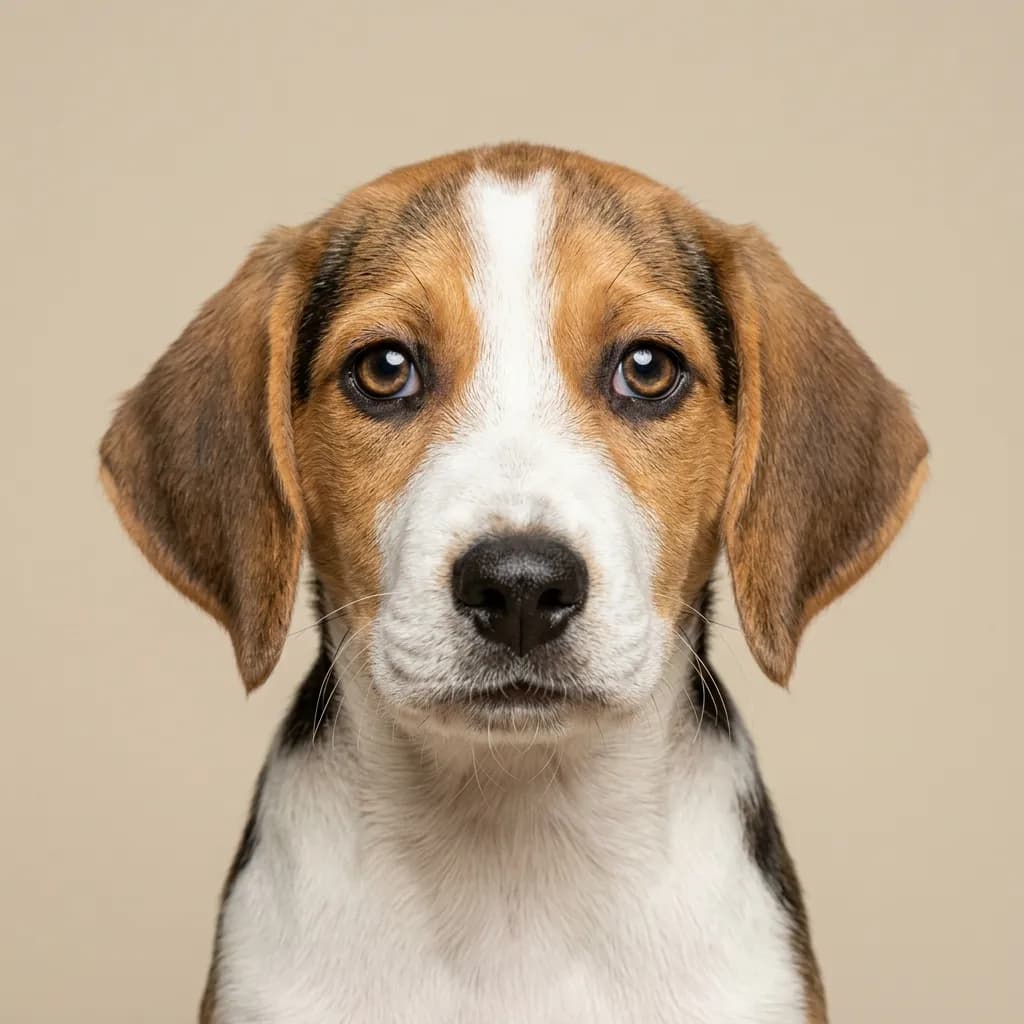
English Foxhound
Hound Group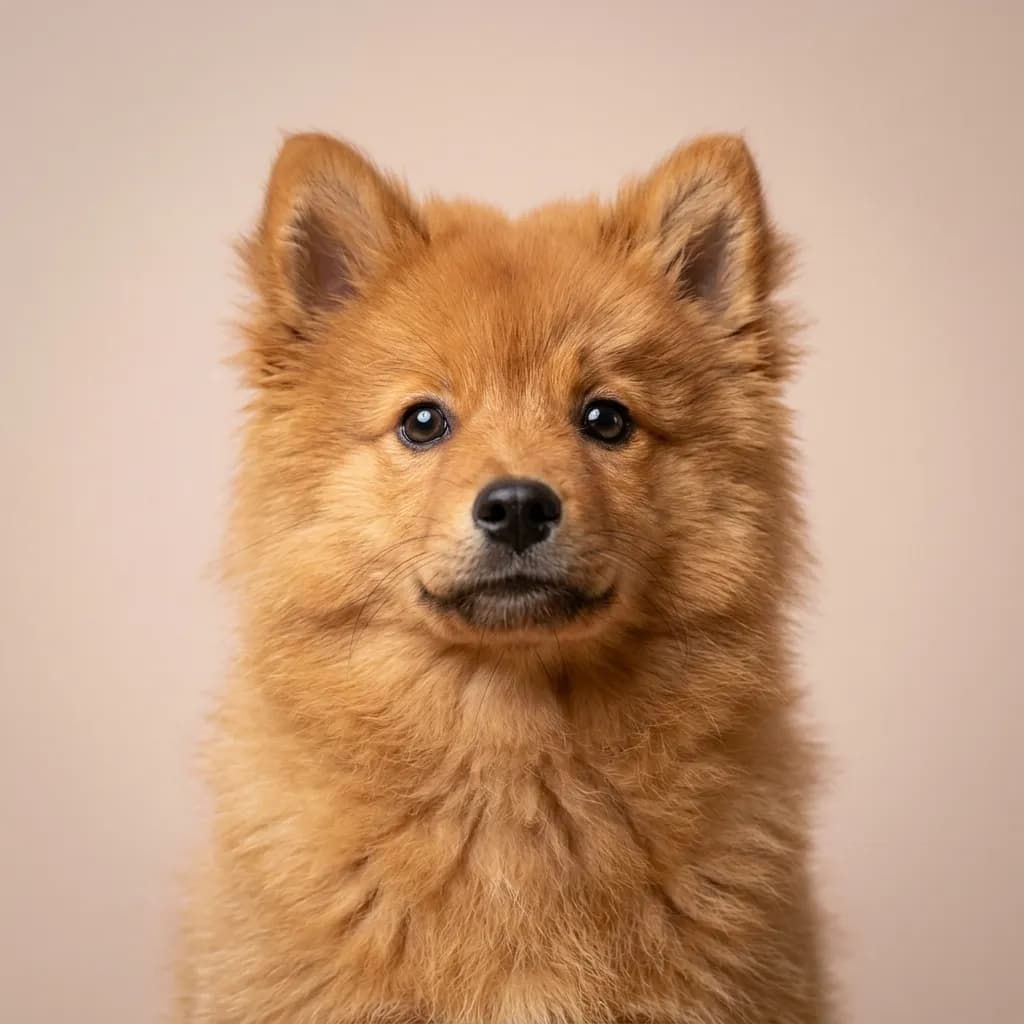
Finnish Spitz
Non-Sporting Group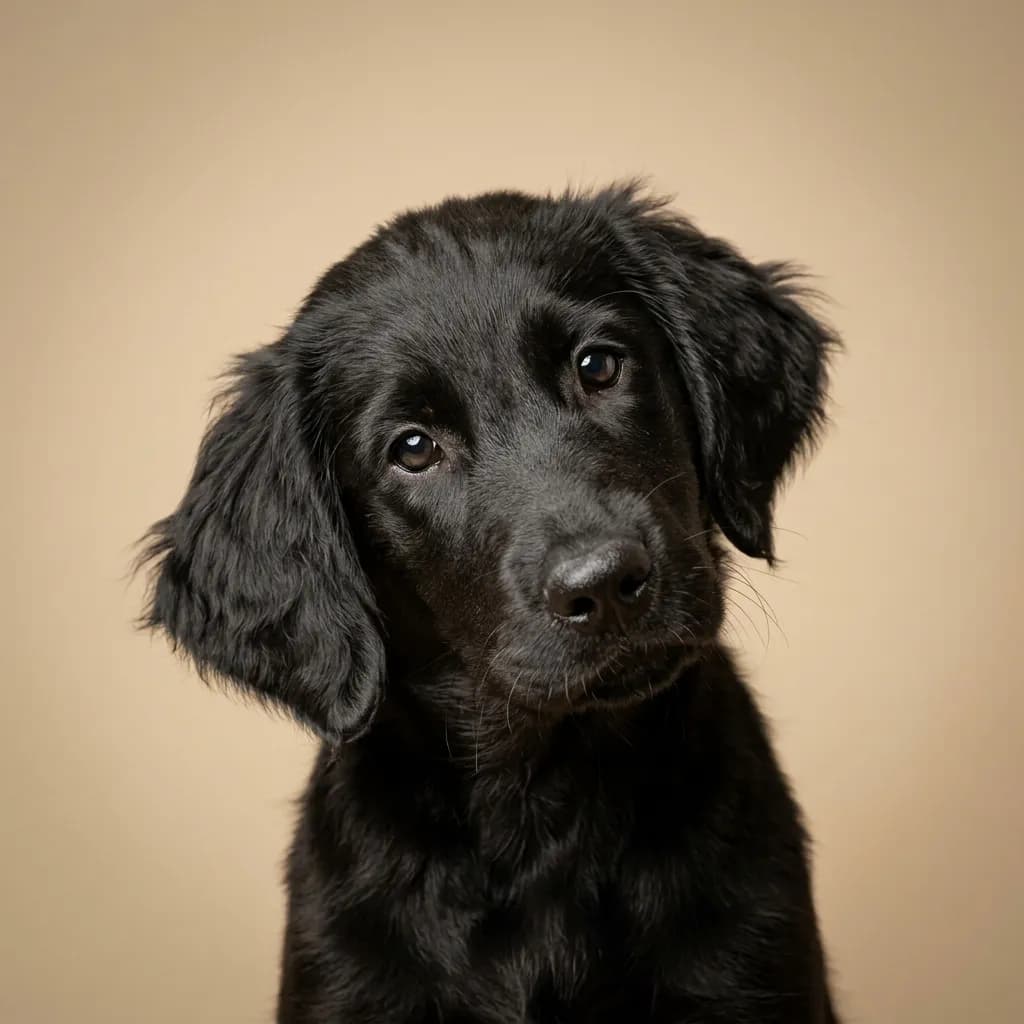
Flat-Coated Retriever
Sporting Group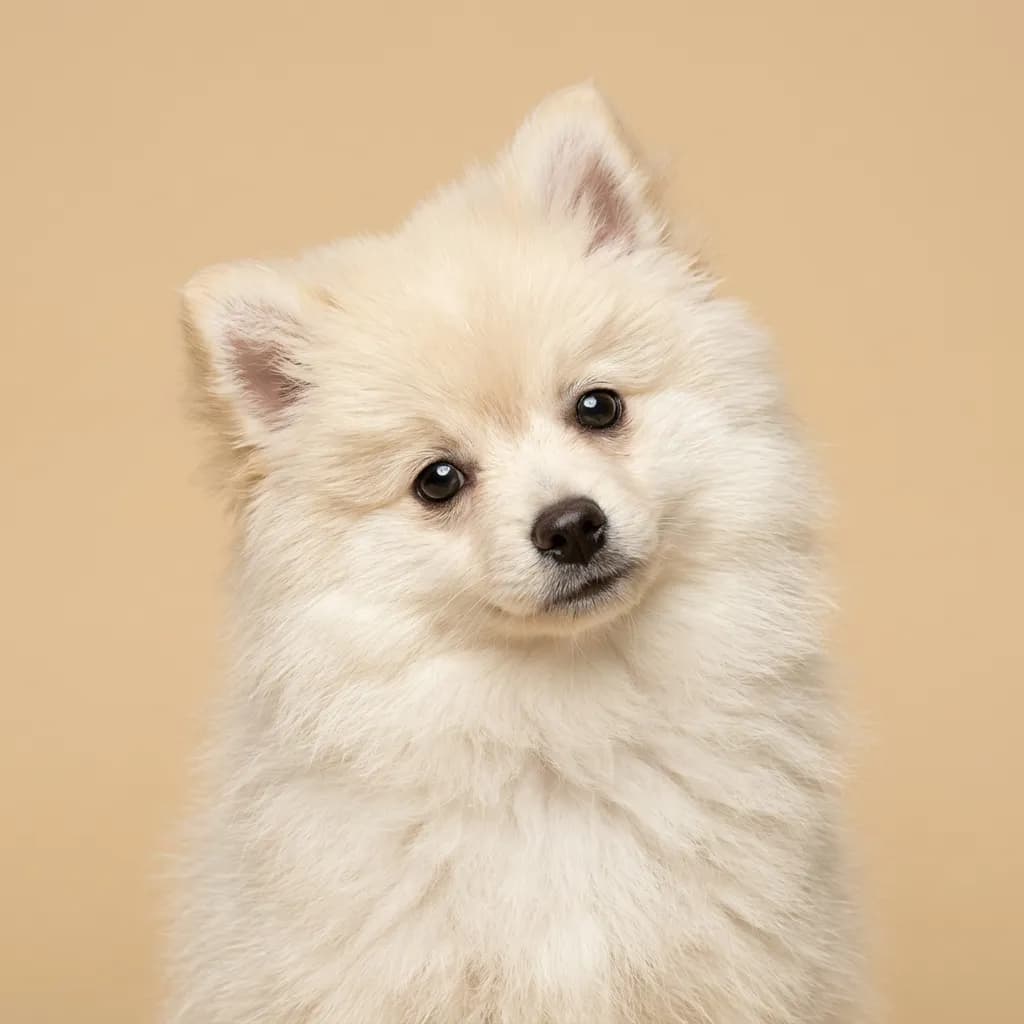
German Spitz
Foundation Stock Service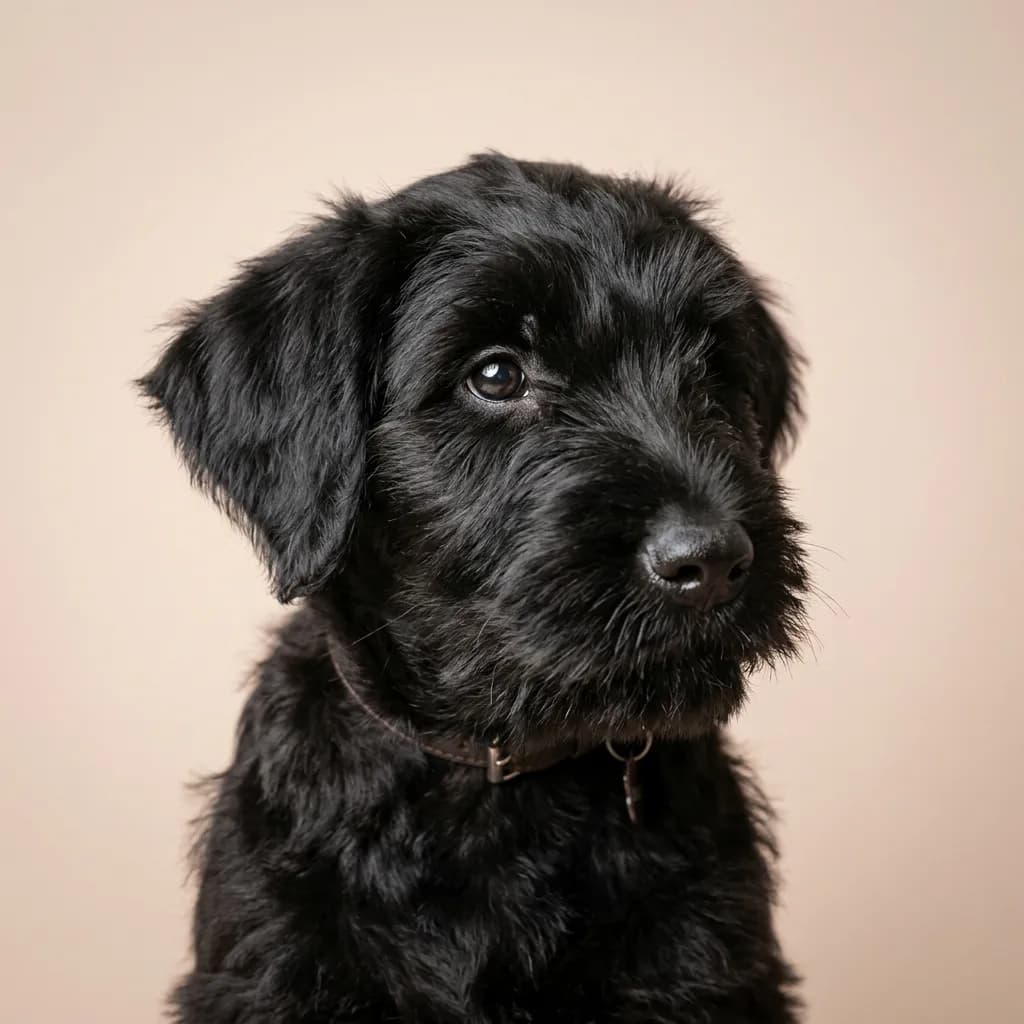
Giant Schnauzer
Working Group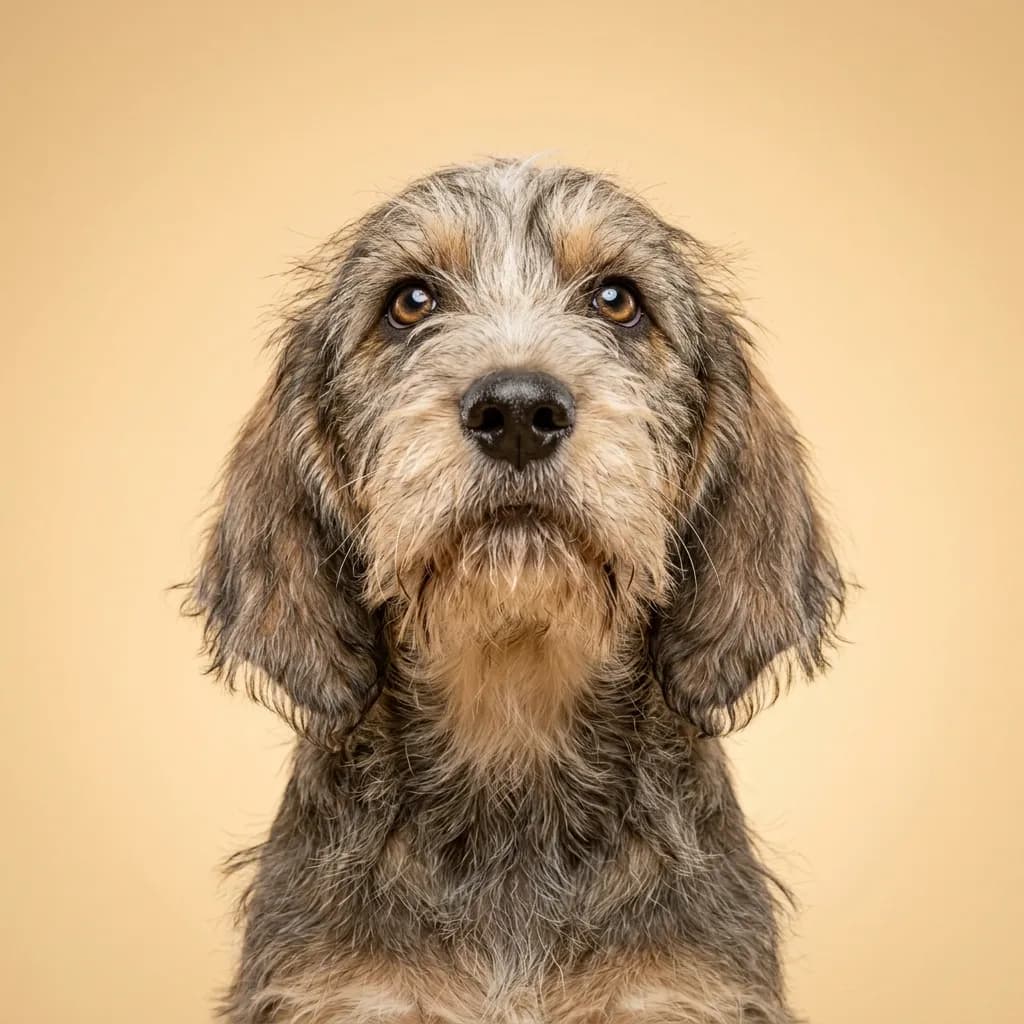
Grand Basset Griffon Vendéen
Hound Group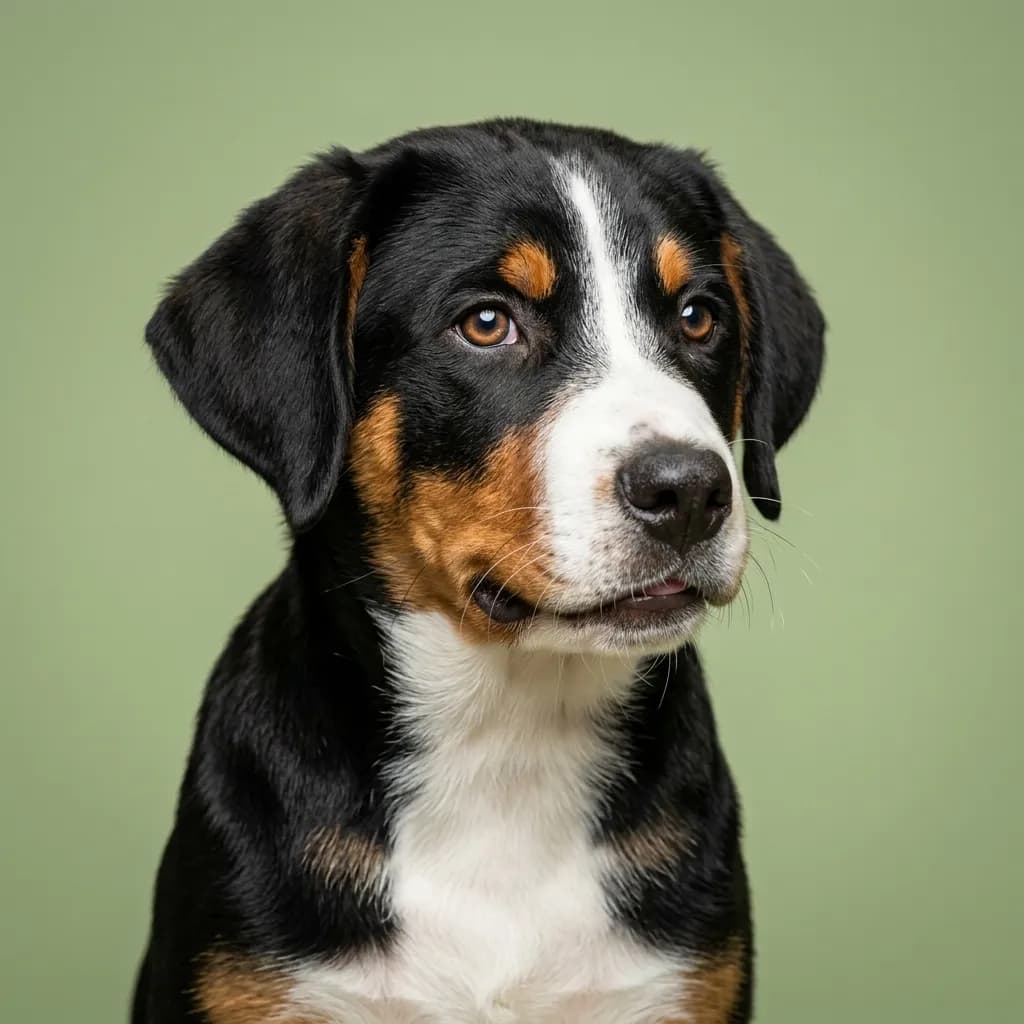
Greater Swiss Mountain Dog
Working Group
Hamiltonstovare
Foundation Stock Service
Harrier
Hound Group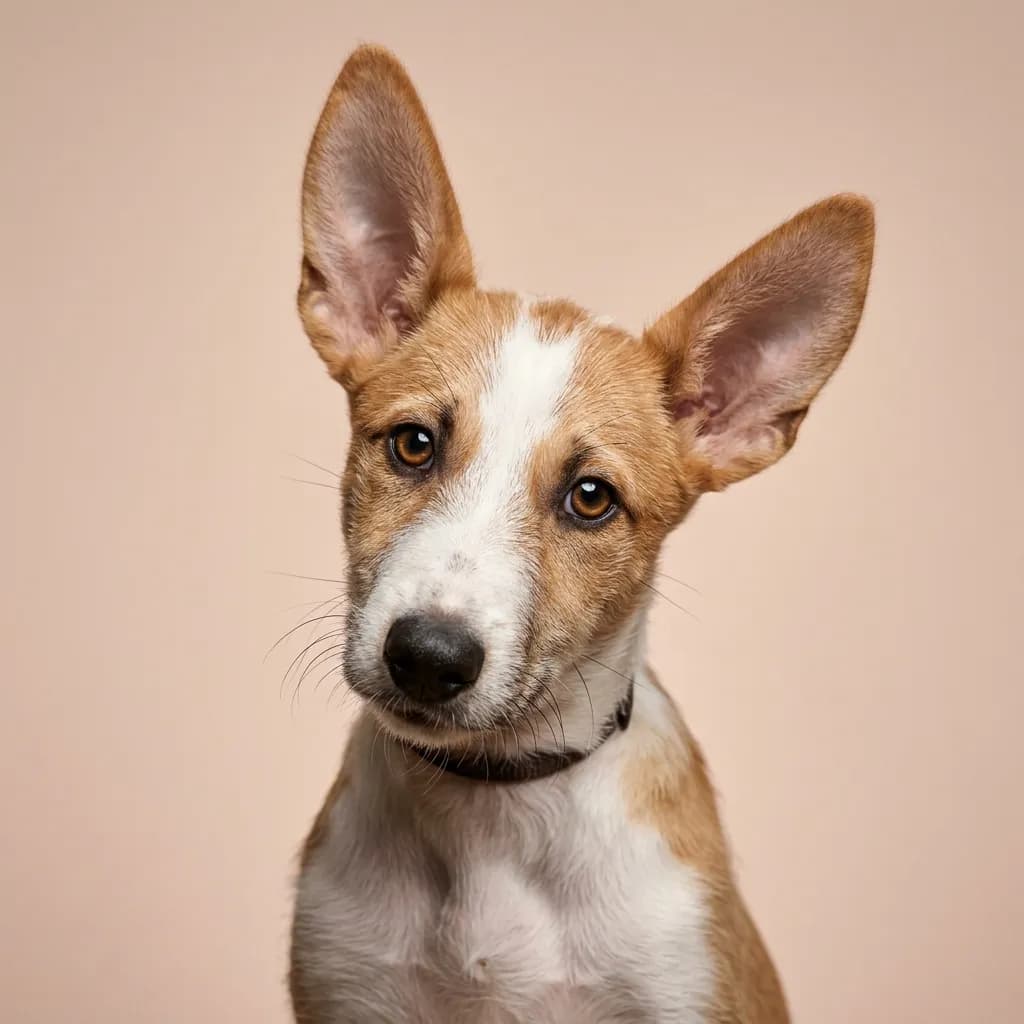
Ibizan Hound
Hound Group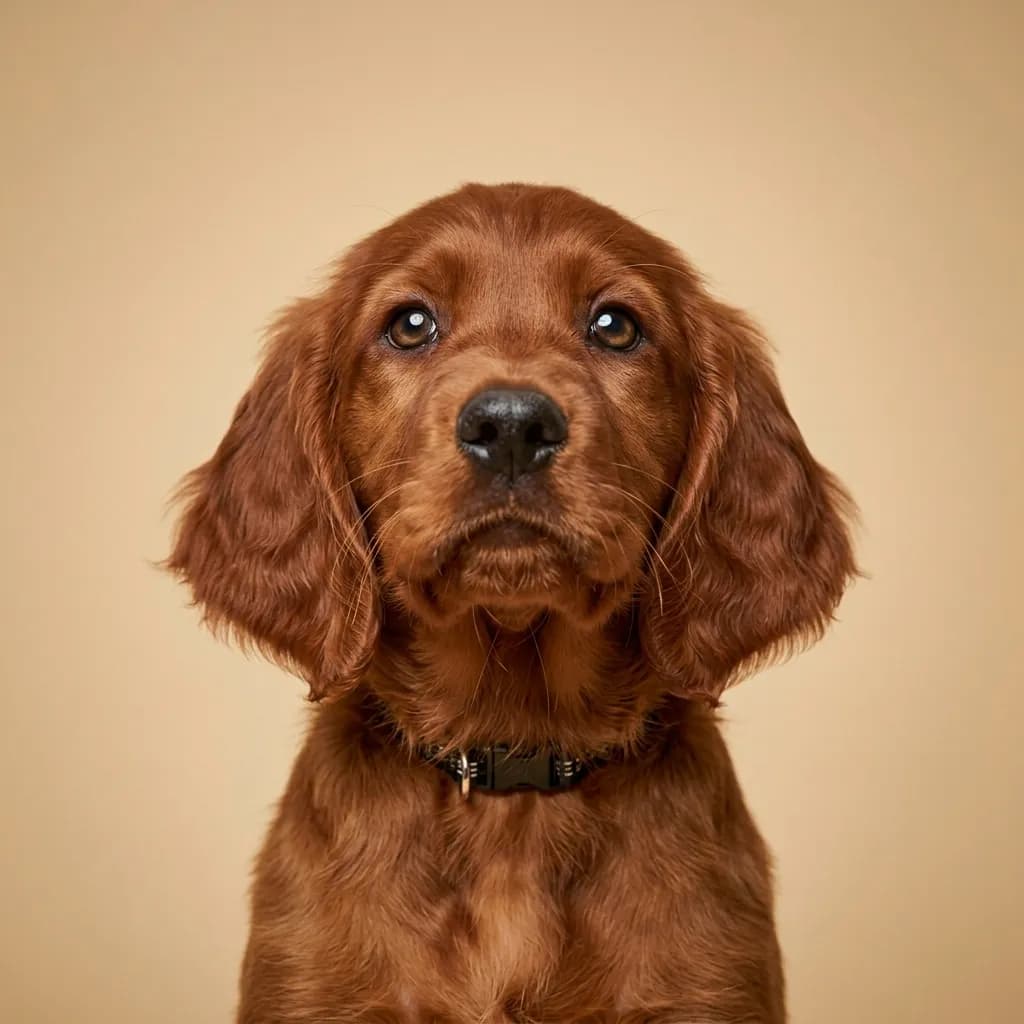
Irish Setter
Sporting Group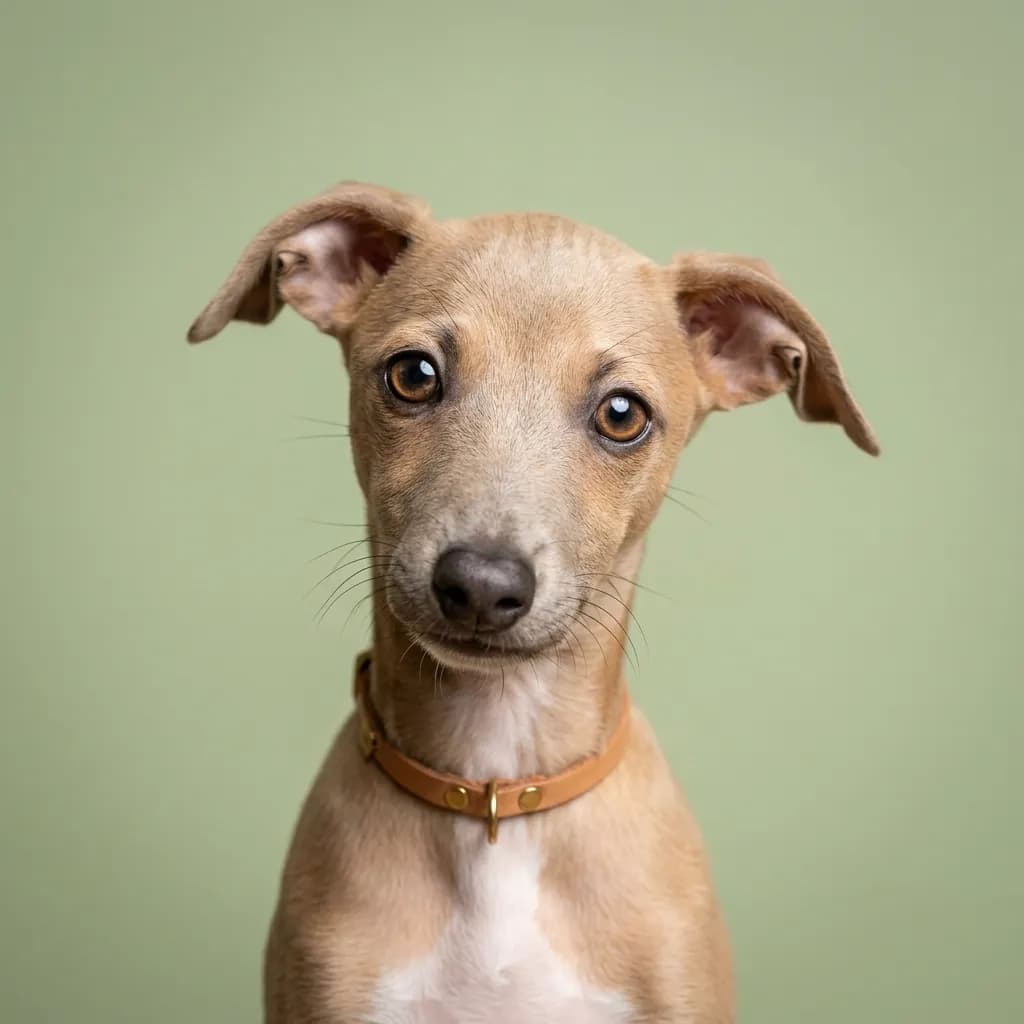
Italian Greyhound
Toy Group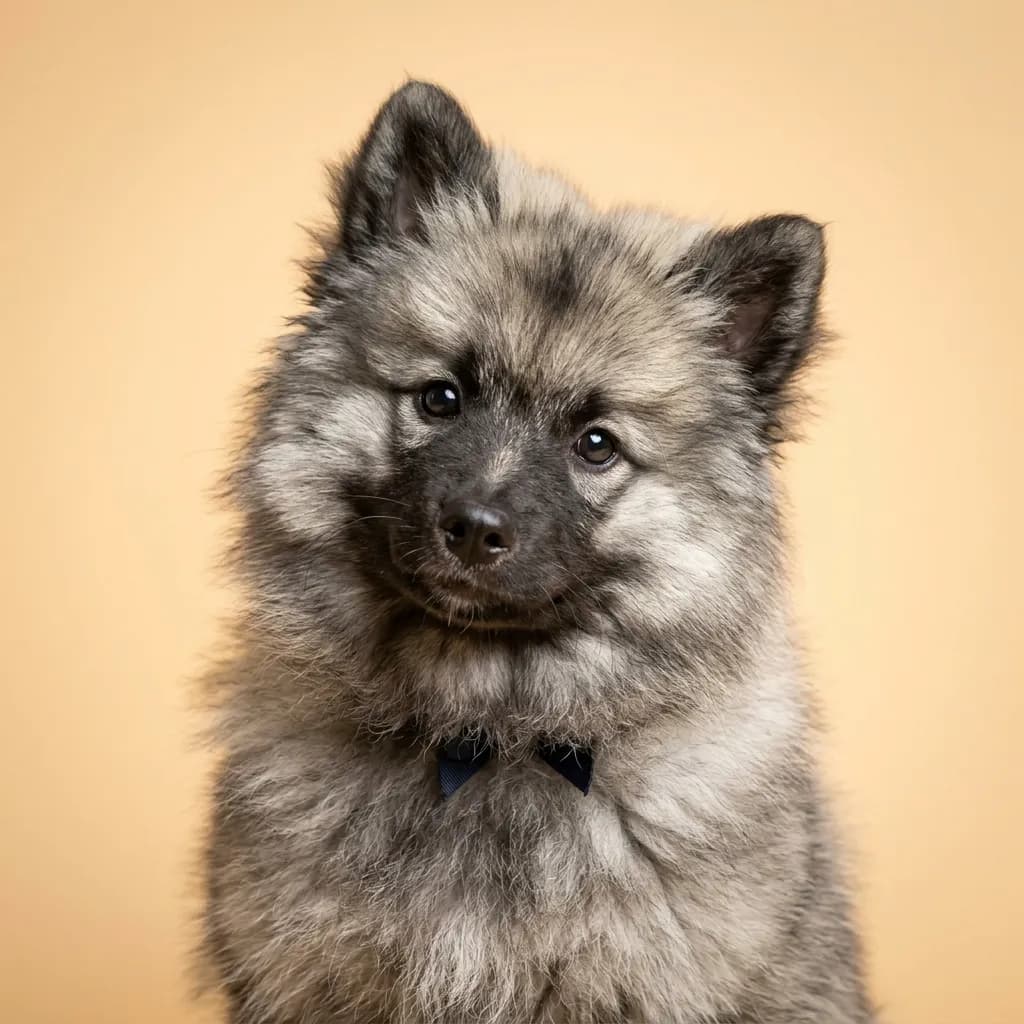
Keeshond
Non-Sporting Group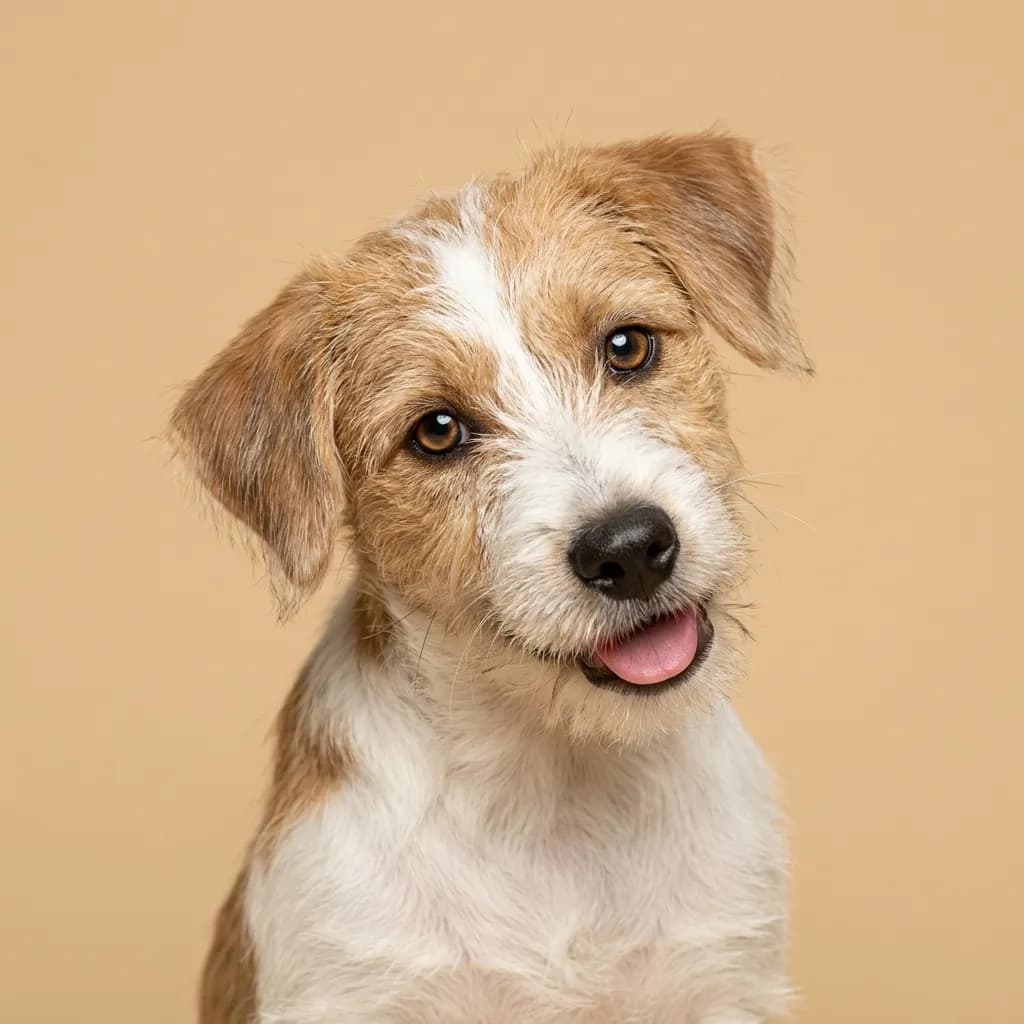
Kromfohrlander
Foundation Stock Service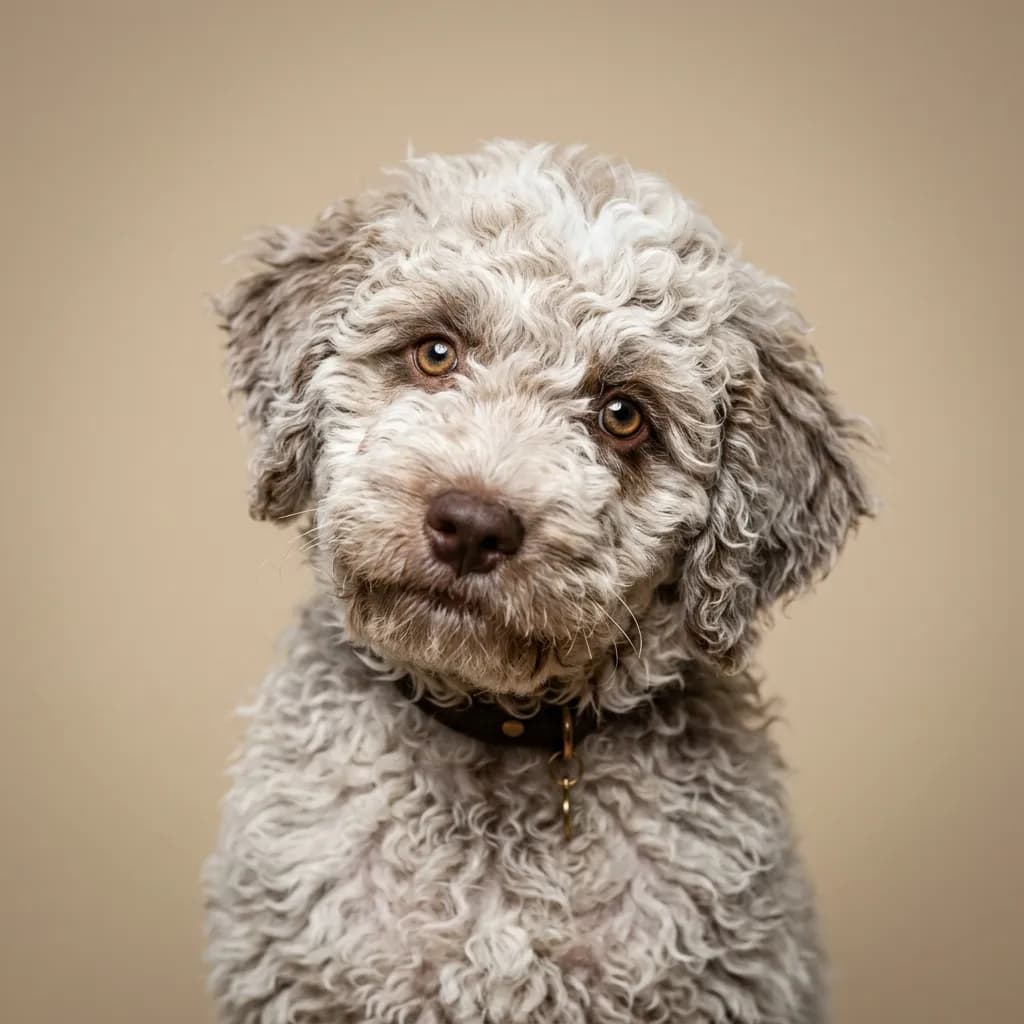
Lagotto Romagnolo
Sporting Group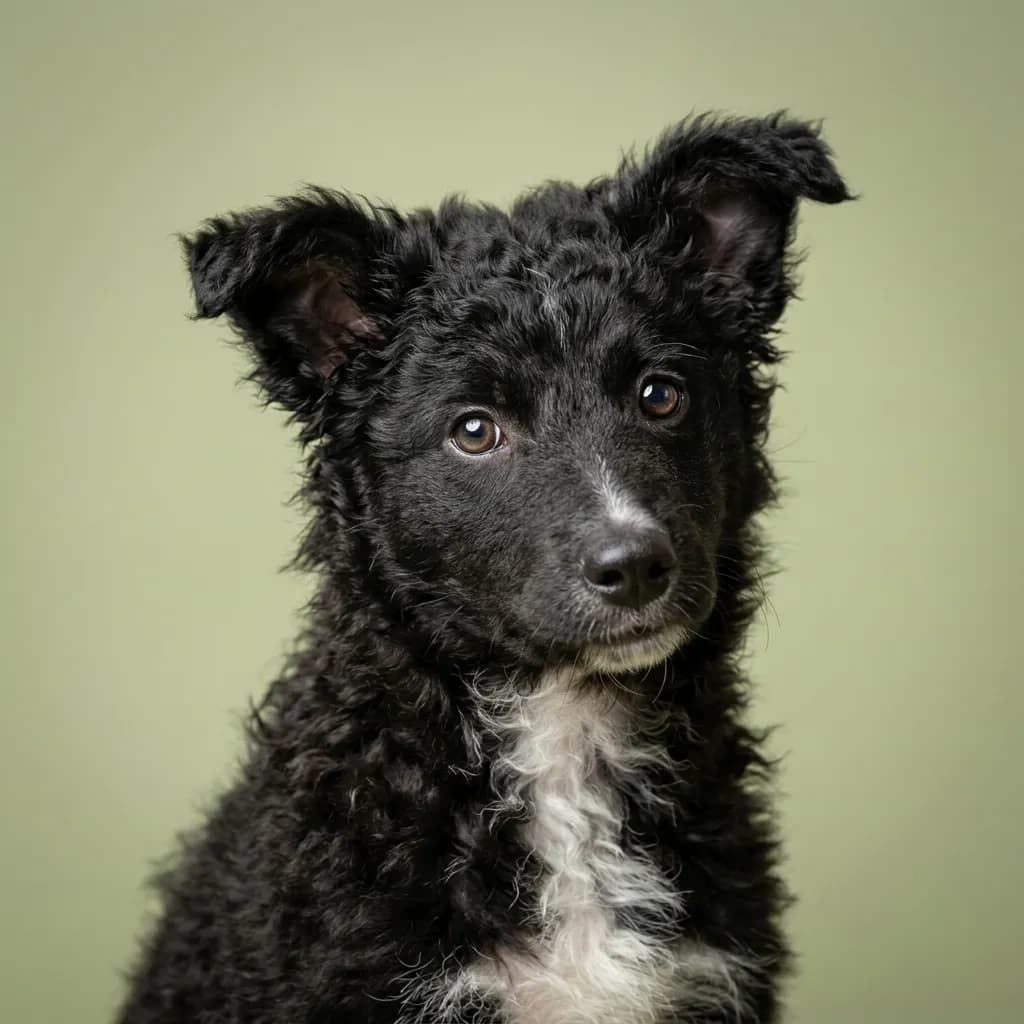
Mudi
Miscellaneous Class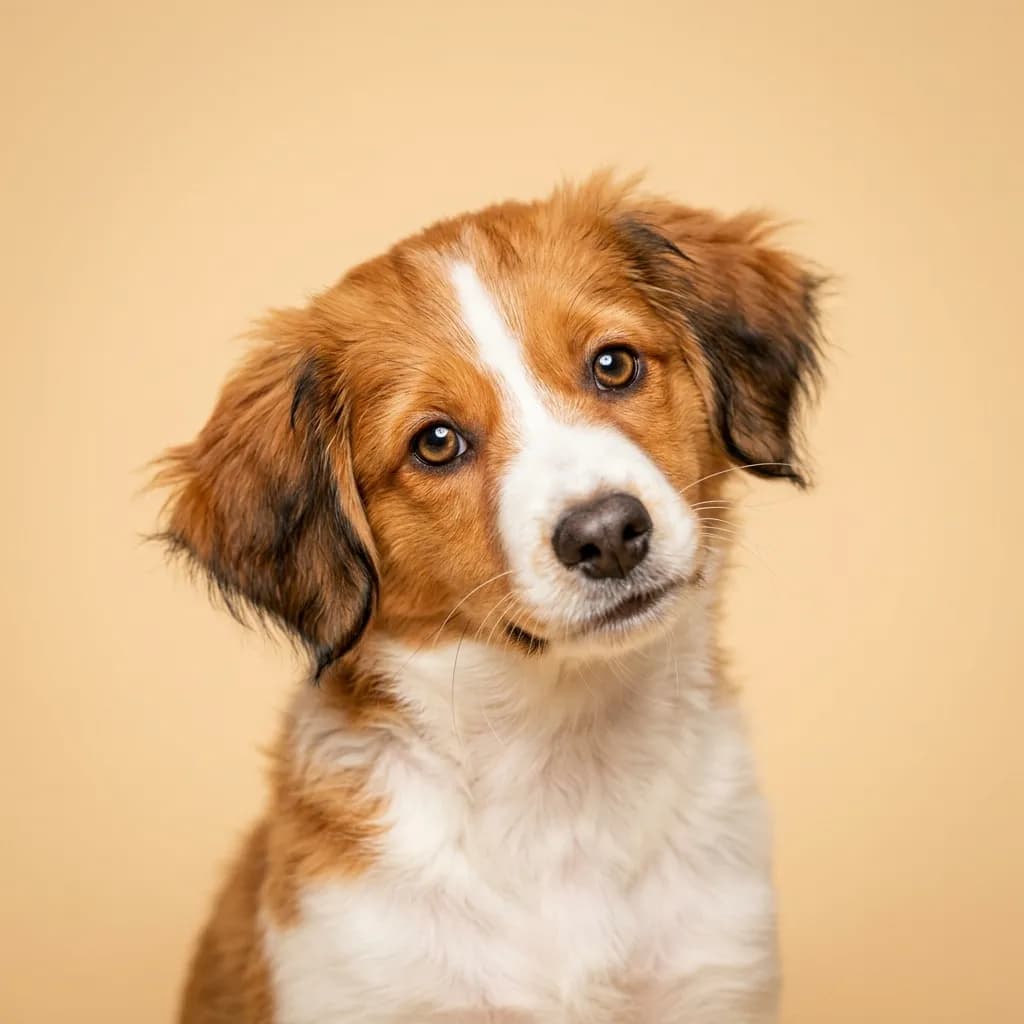
Nederlandse Kooikerhondje
Sporting Group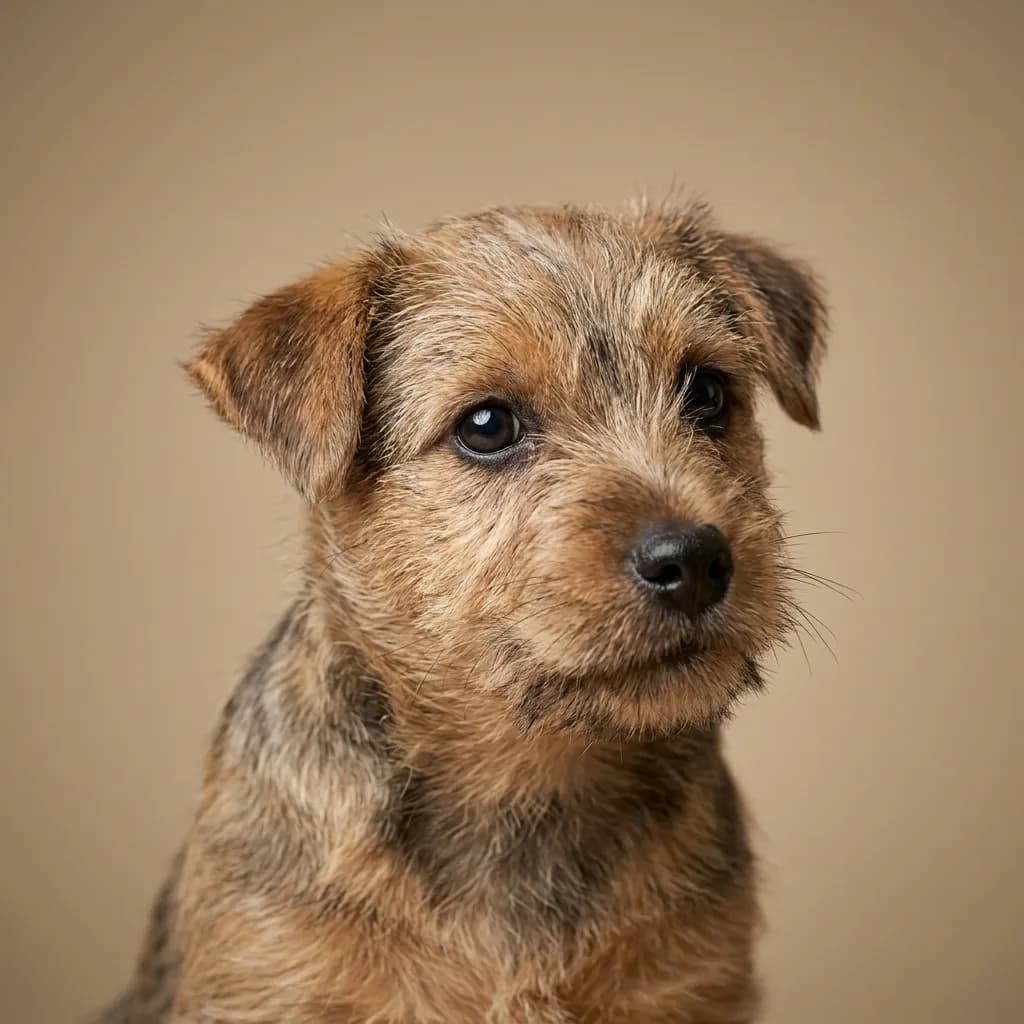
Norfolk Terrier
Terrier Group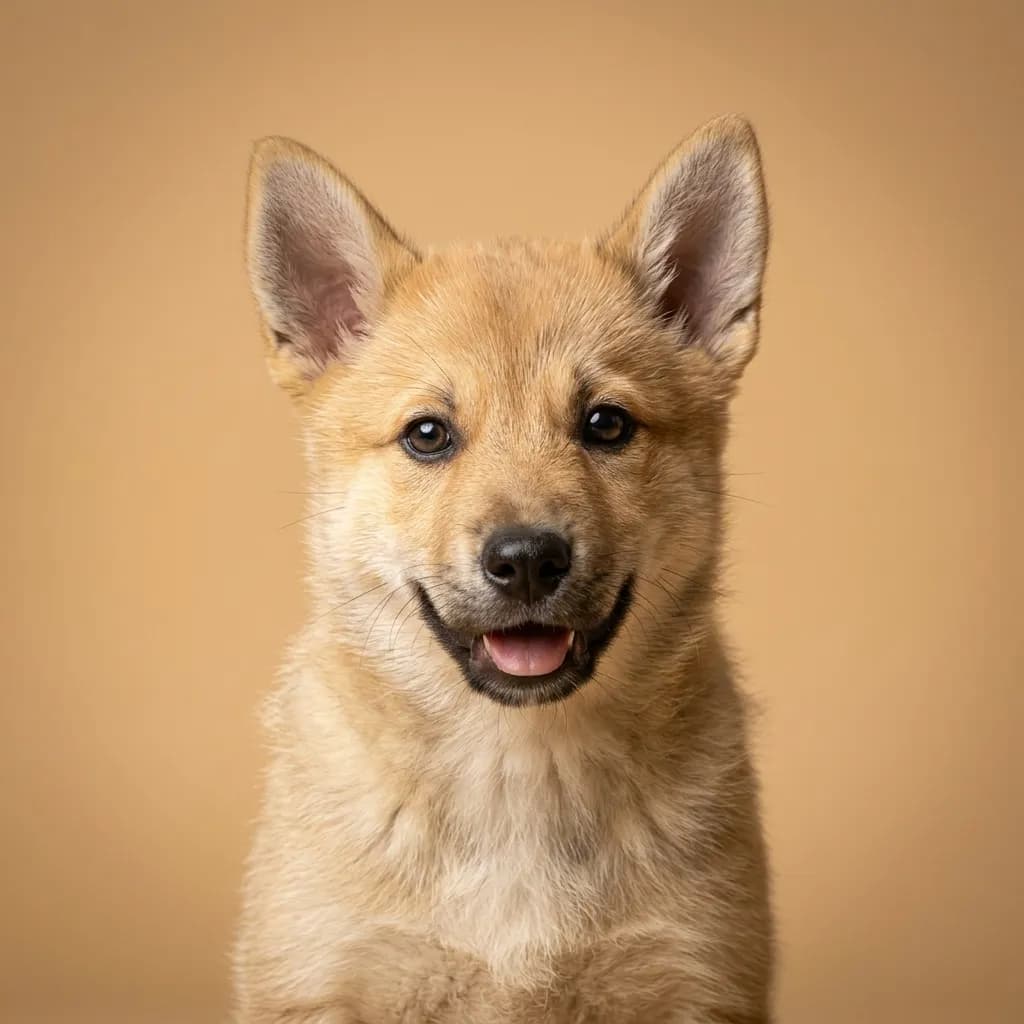
Norwegian Buhund
Herding Group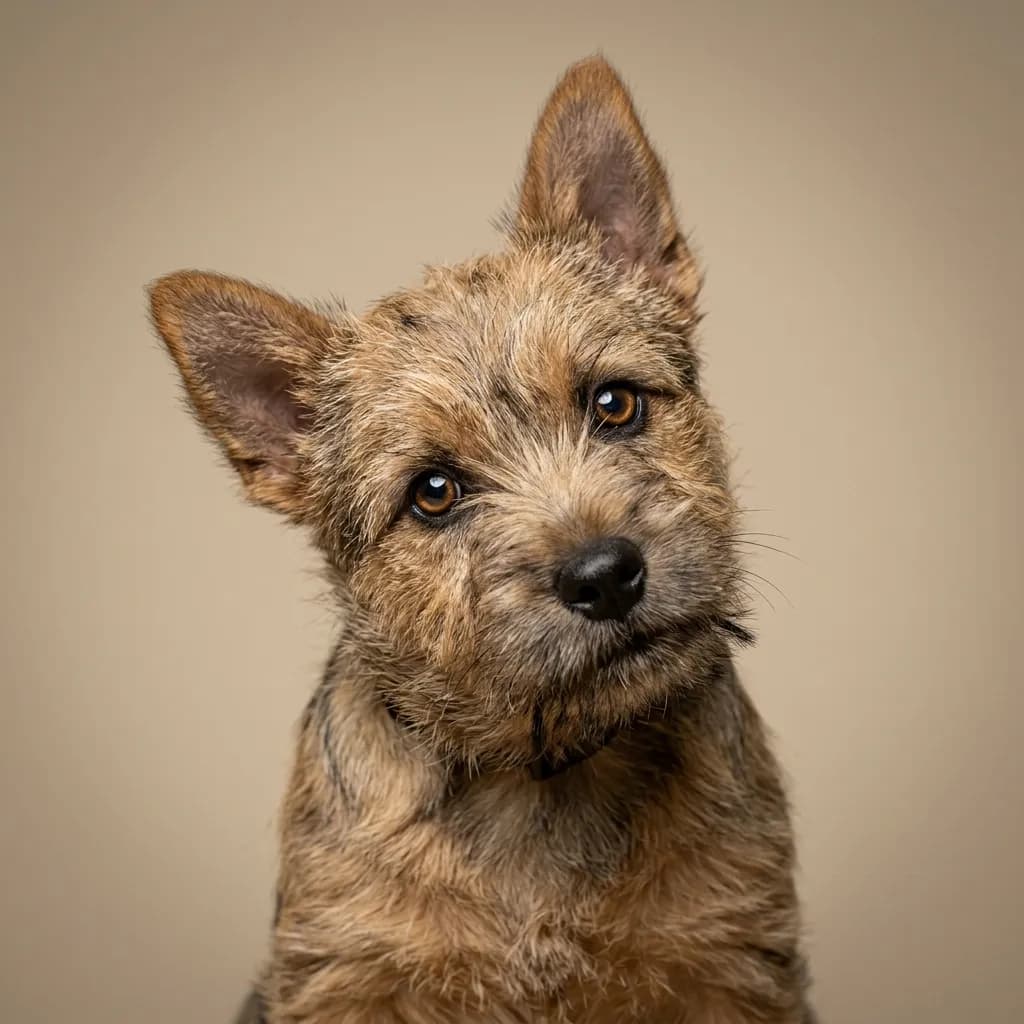
Norwich Terrier
Terrier Group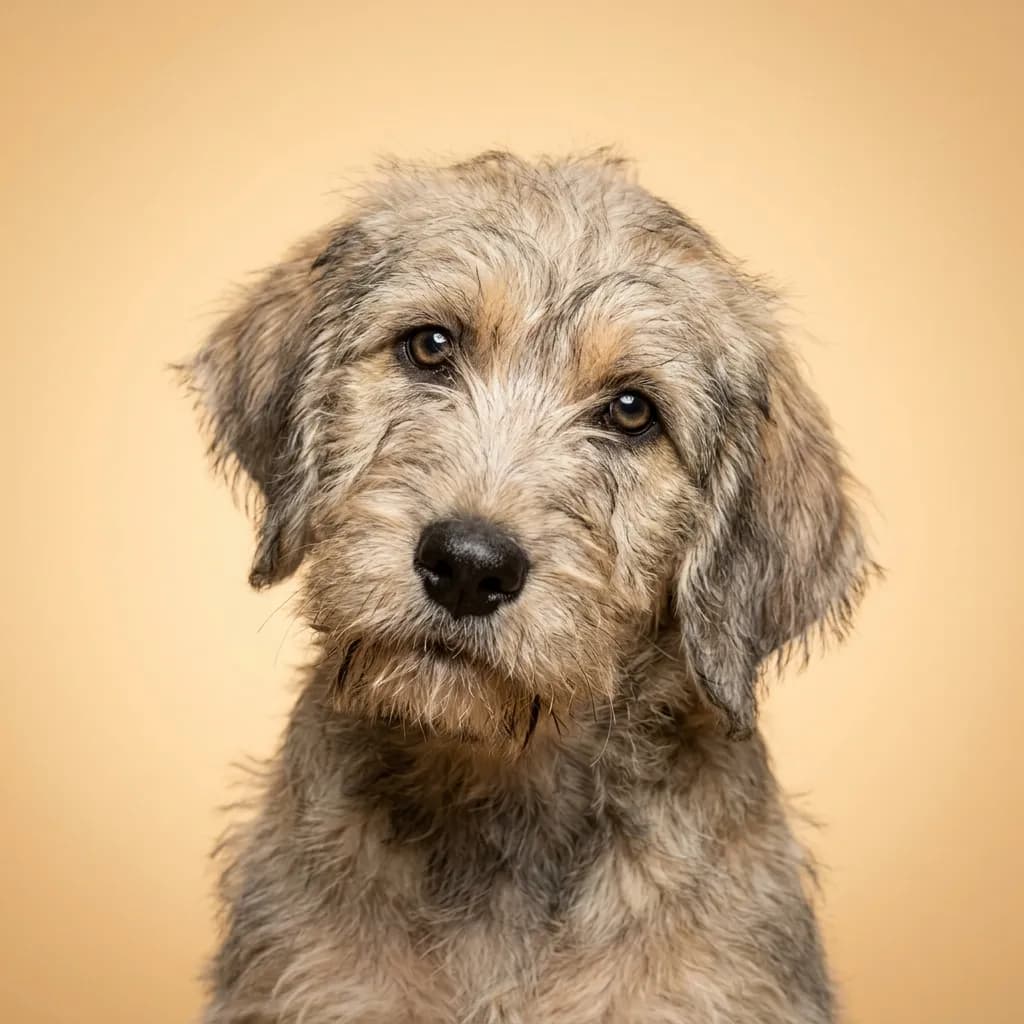
Otterhound
Hound Group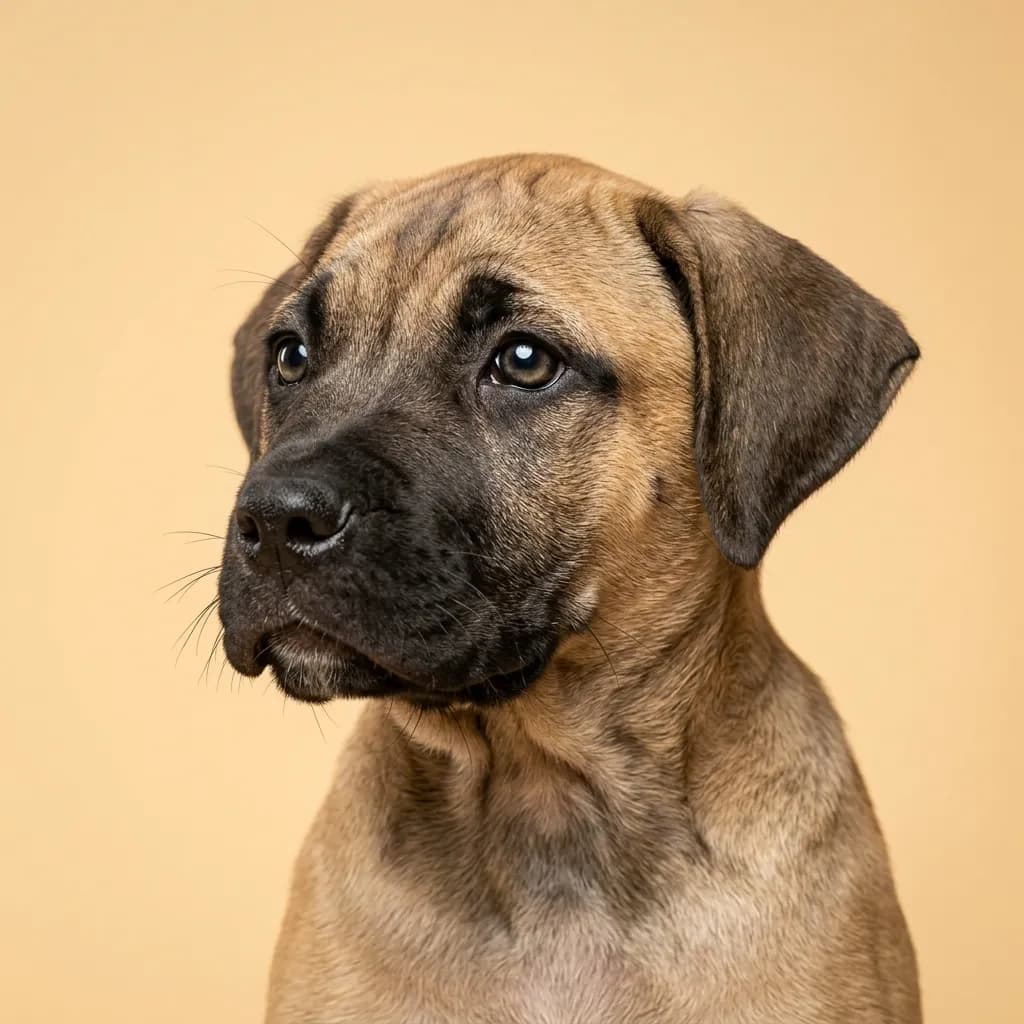
Perro de Presa Canario
Foundation Stock Service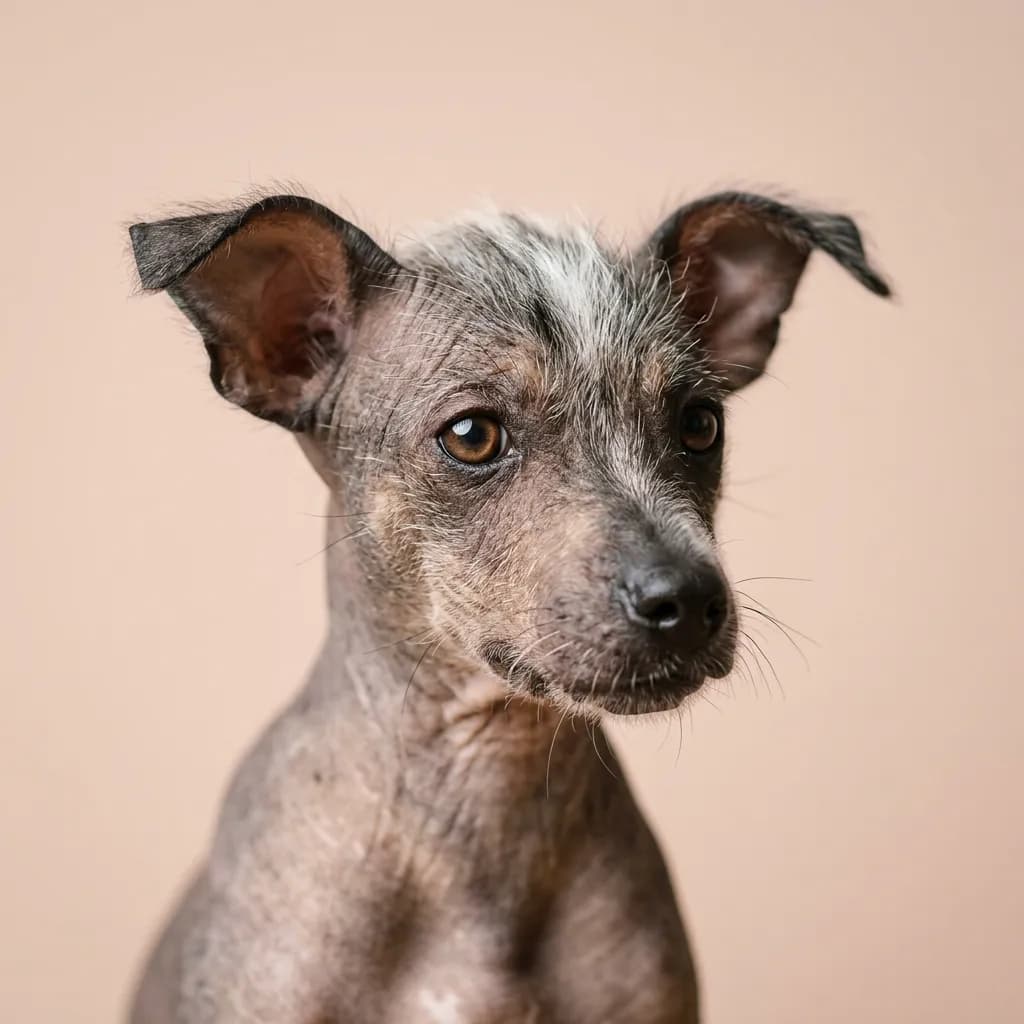
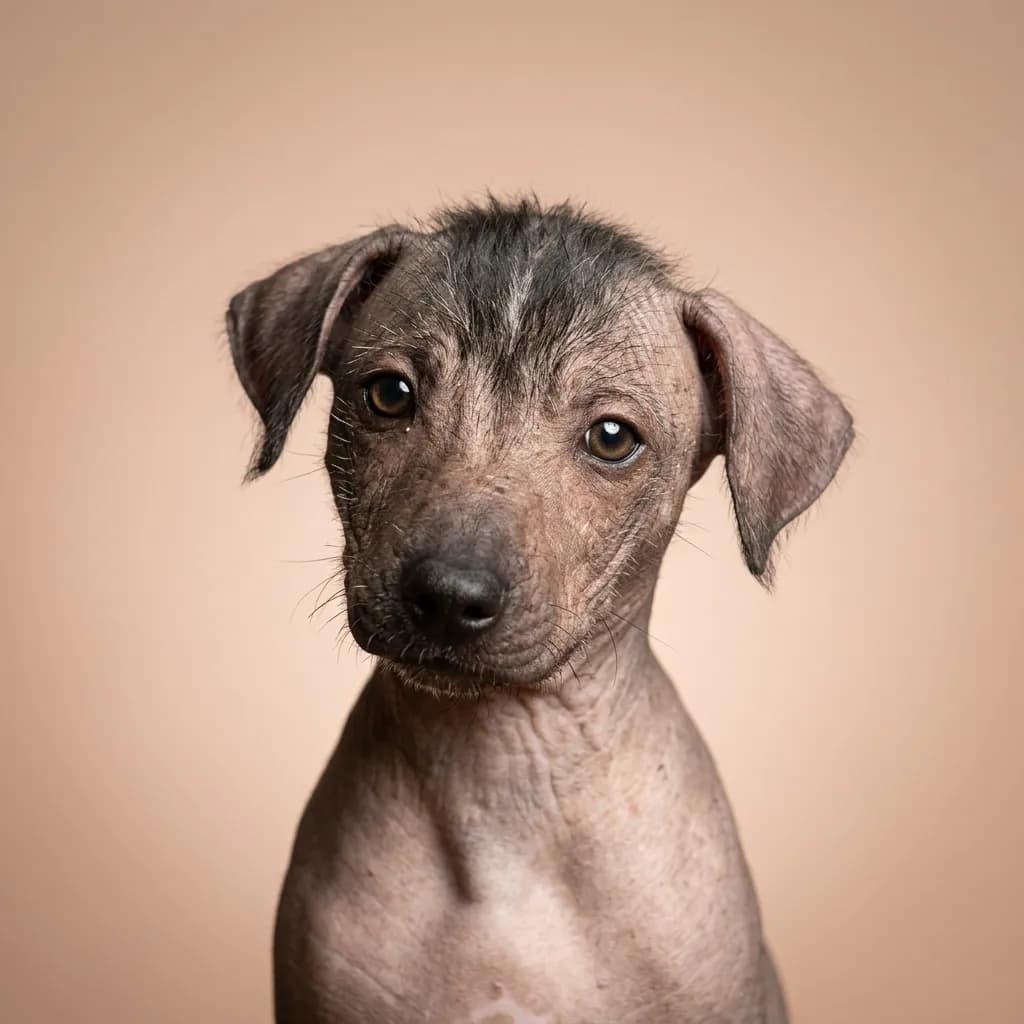
Peruvian Inca Orchid
Miscellaneous Class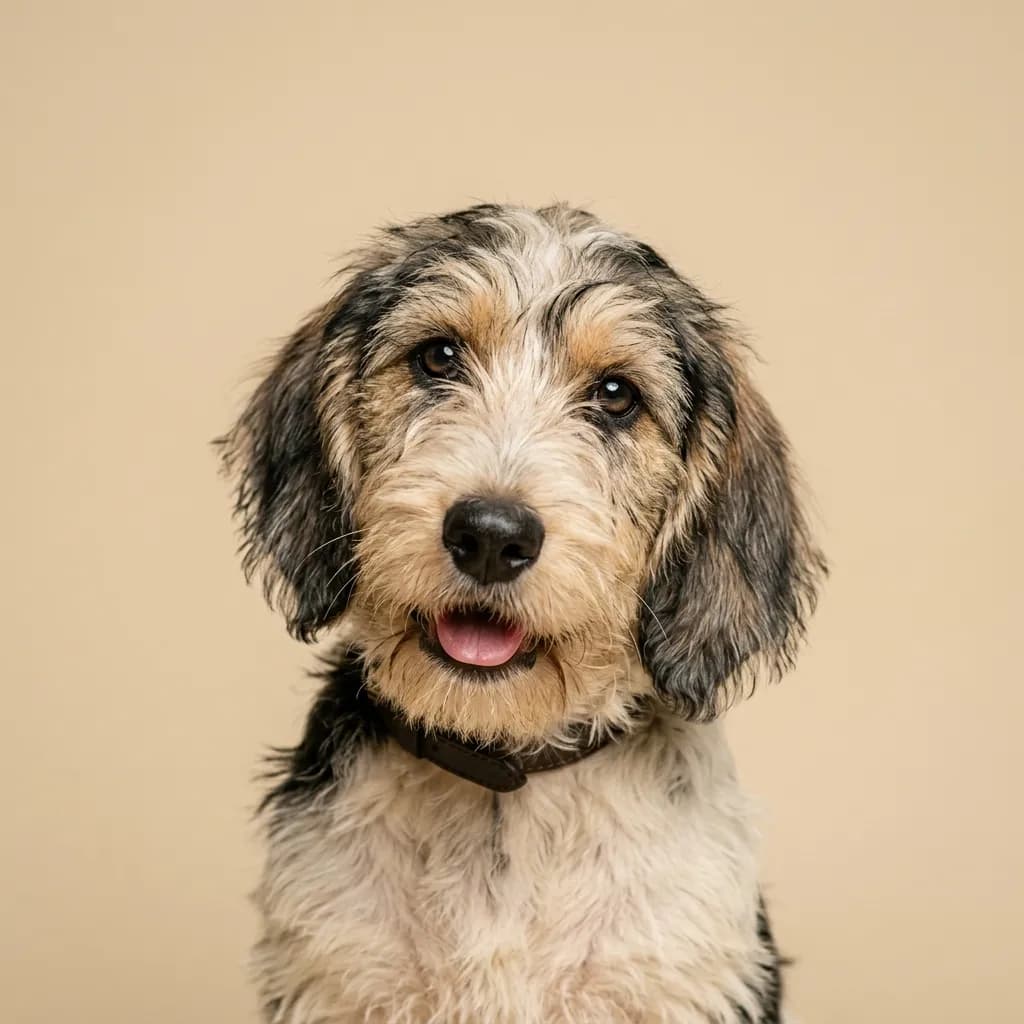
Petit Basset Griffon Vendéen
Hound Group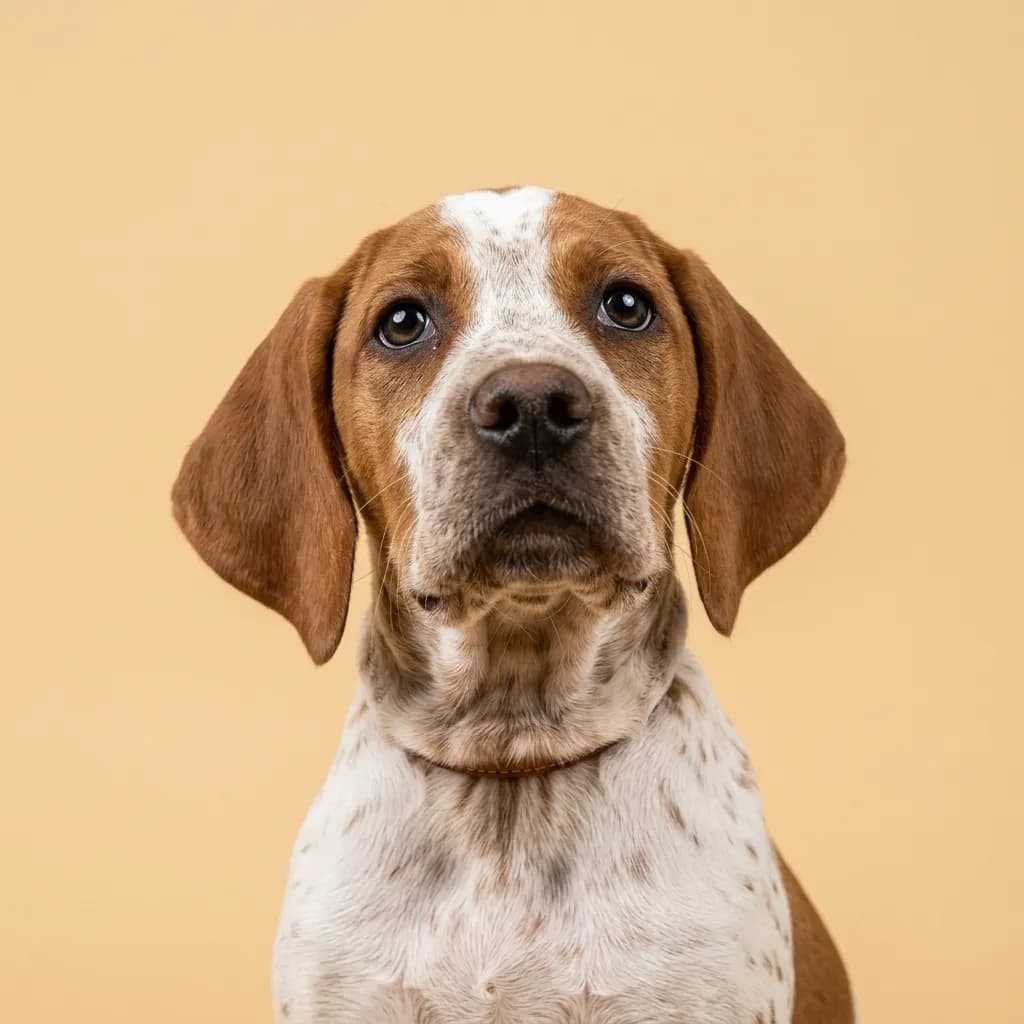
Pointer
Sporting Group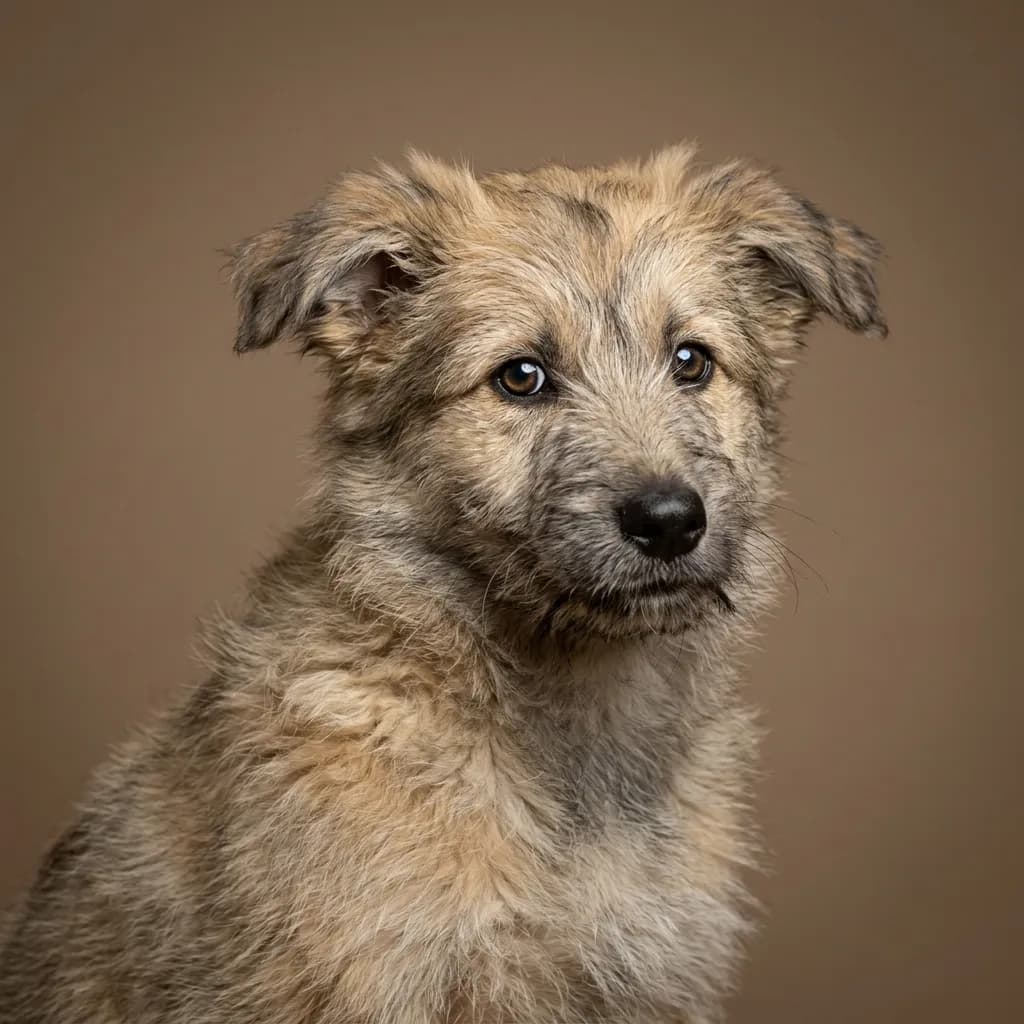
Pyrenean Shepherd
Herding Group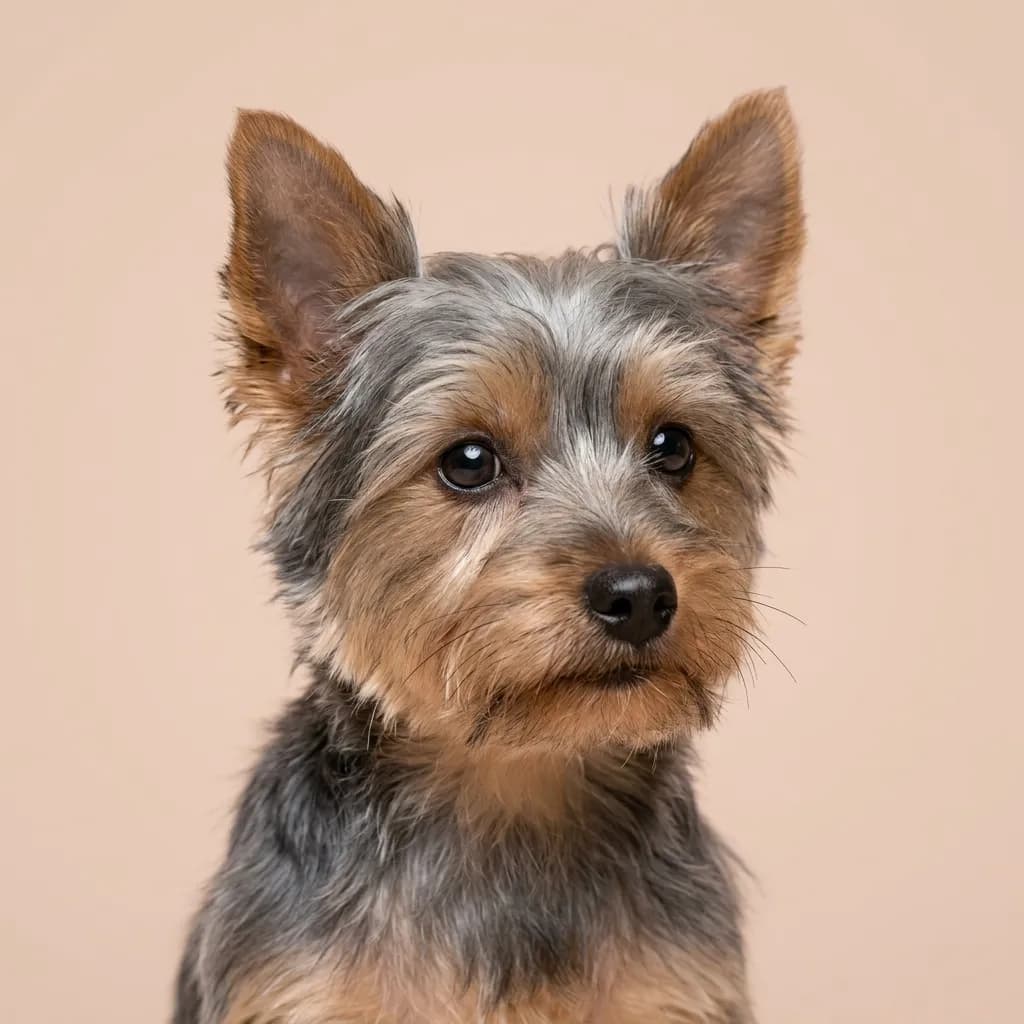
Silky Terrier
Toy Group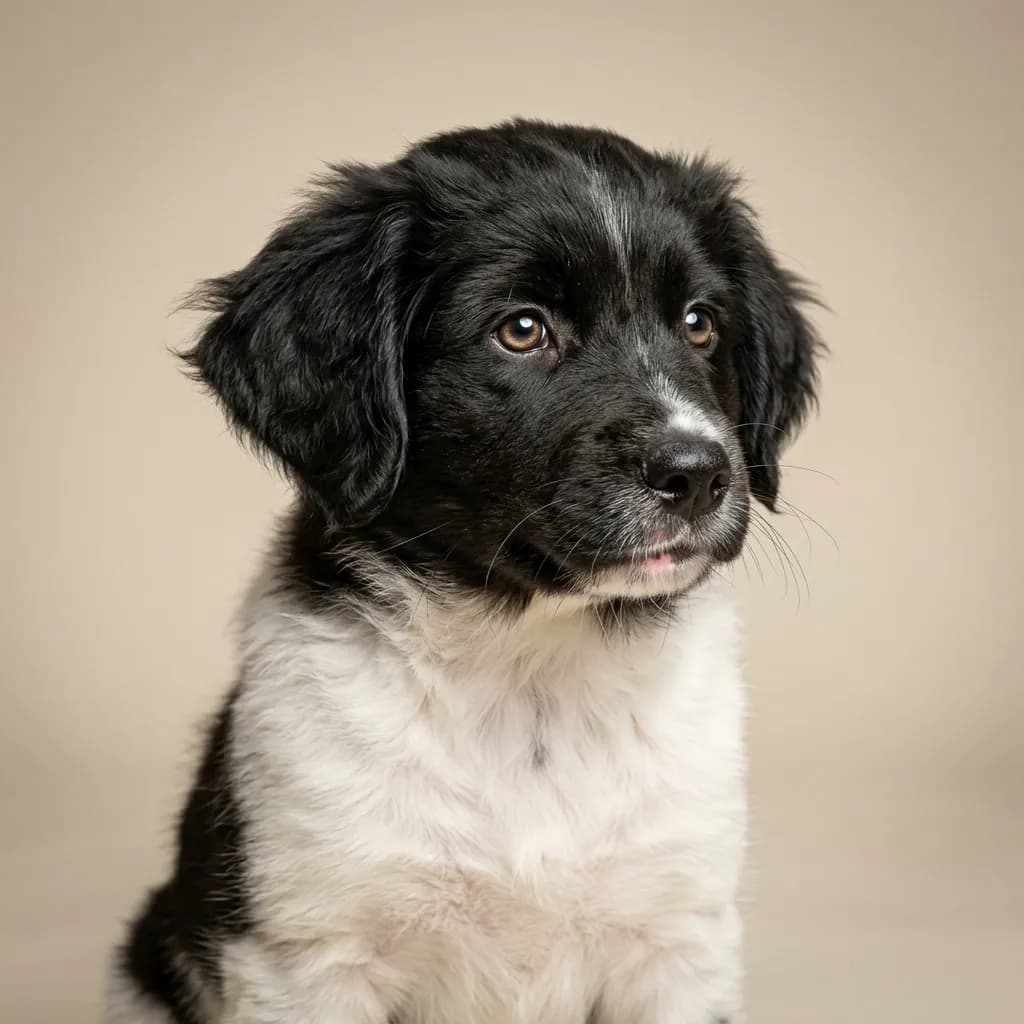
Stabyhoun
Foundation Stock Service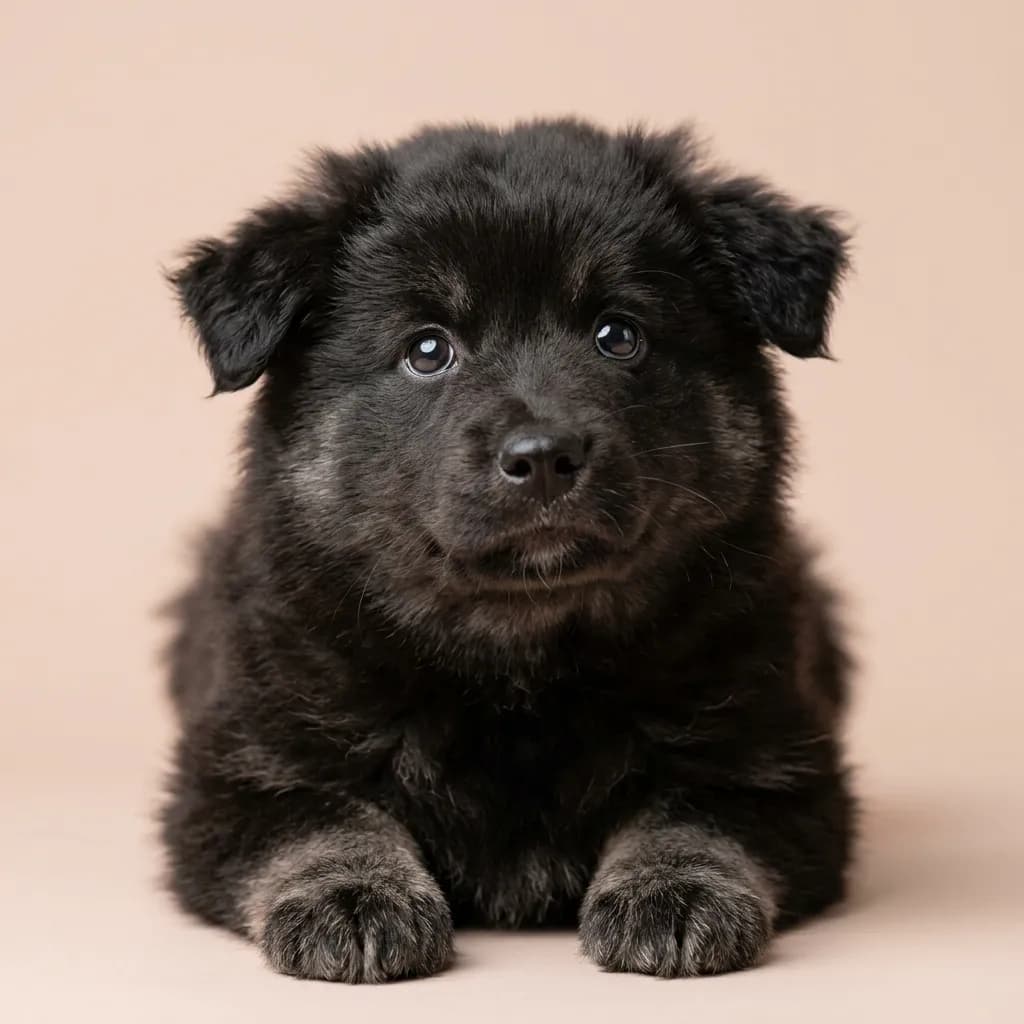
Swedish Lapphund
Foundation Stock Service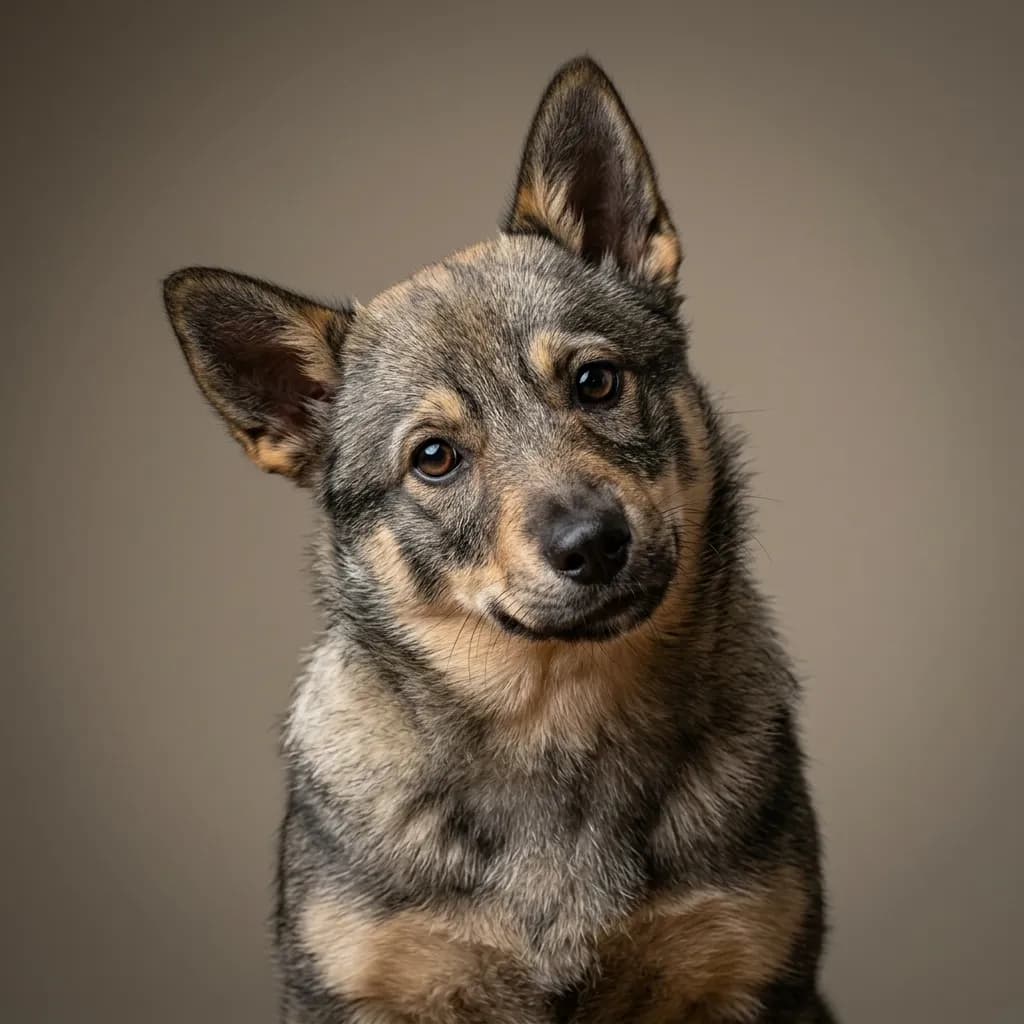
Swedish Vallhund
Herding Group
Toy Poodle
Toy Group
Vizsla
Sporting Group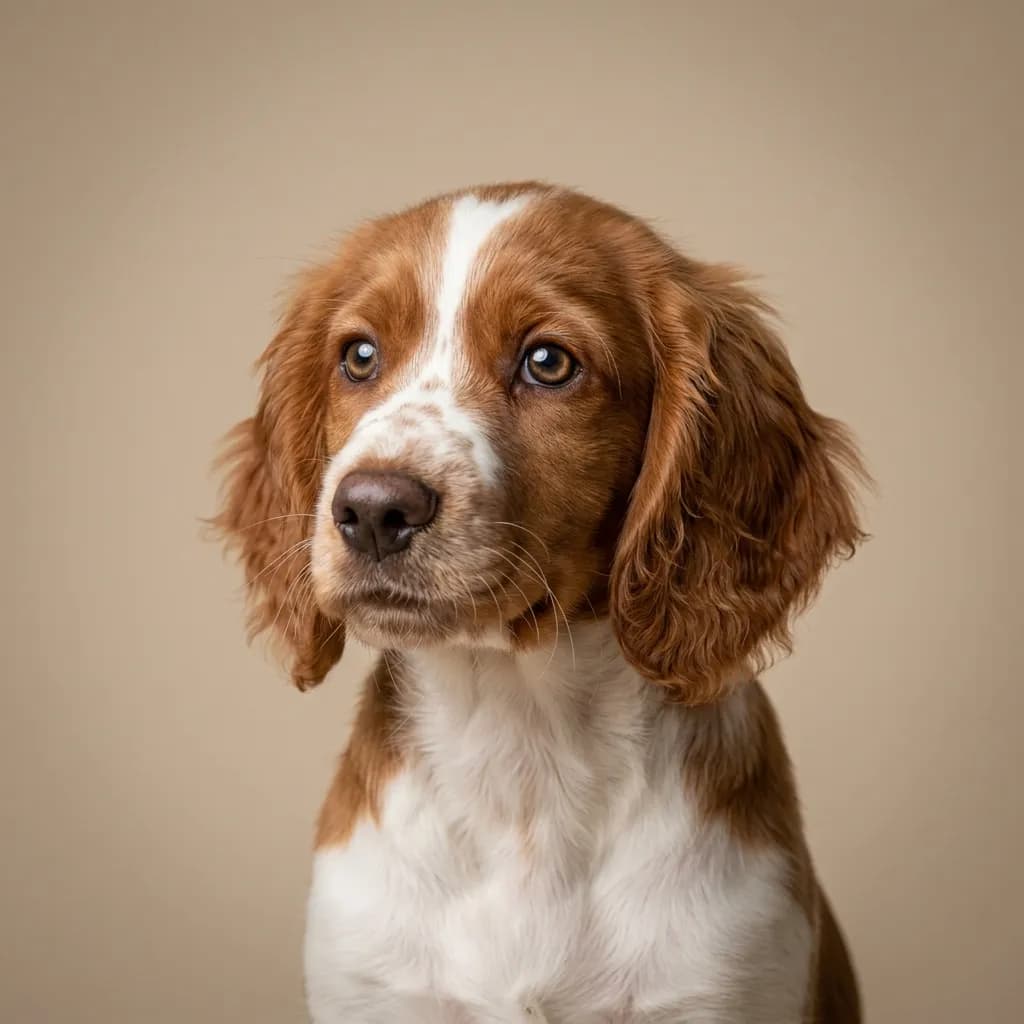
Welsh Springer Spaniel
Sporting Group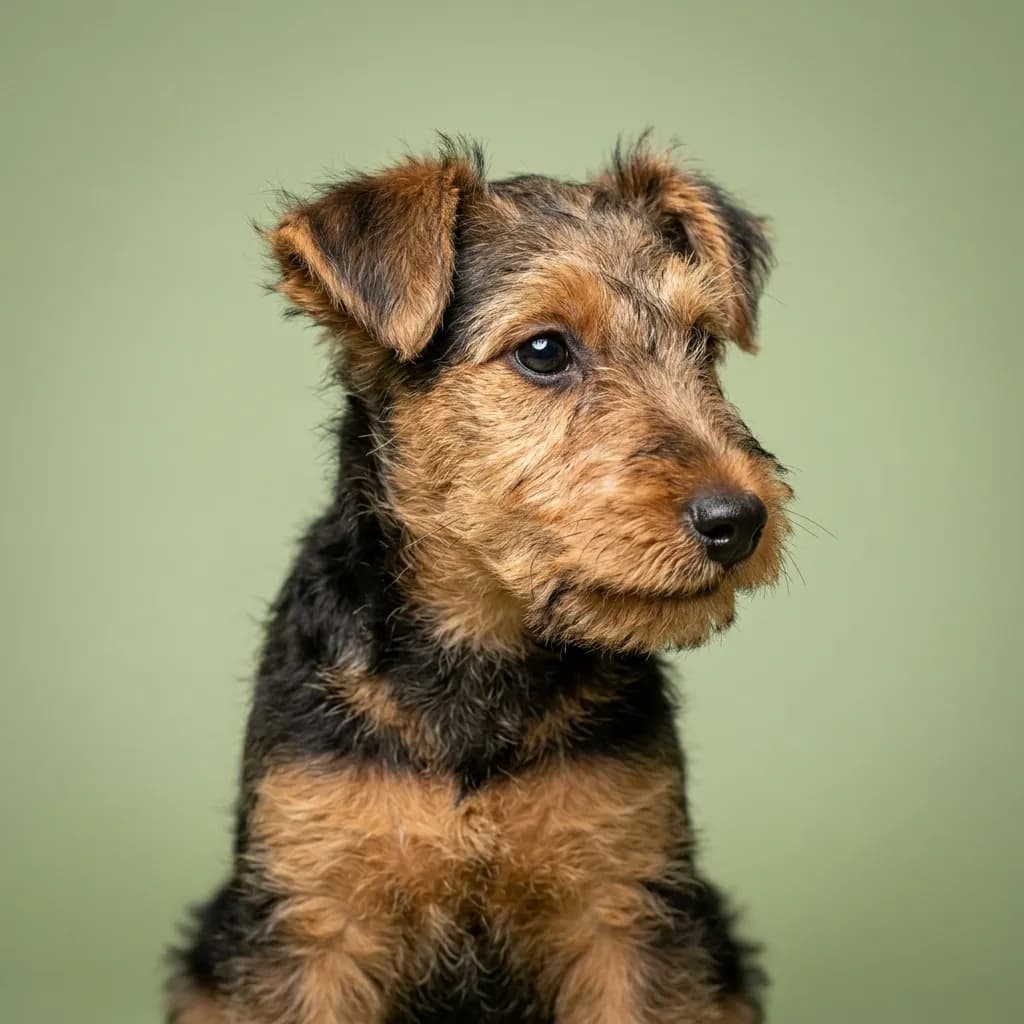
Welsh Terrier
Terrier Group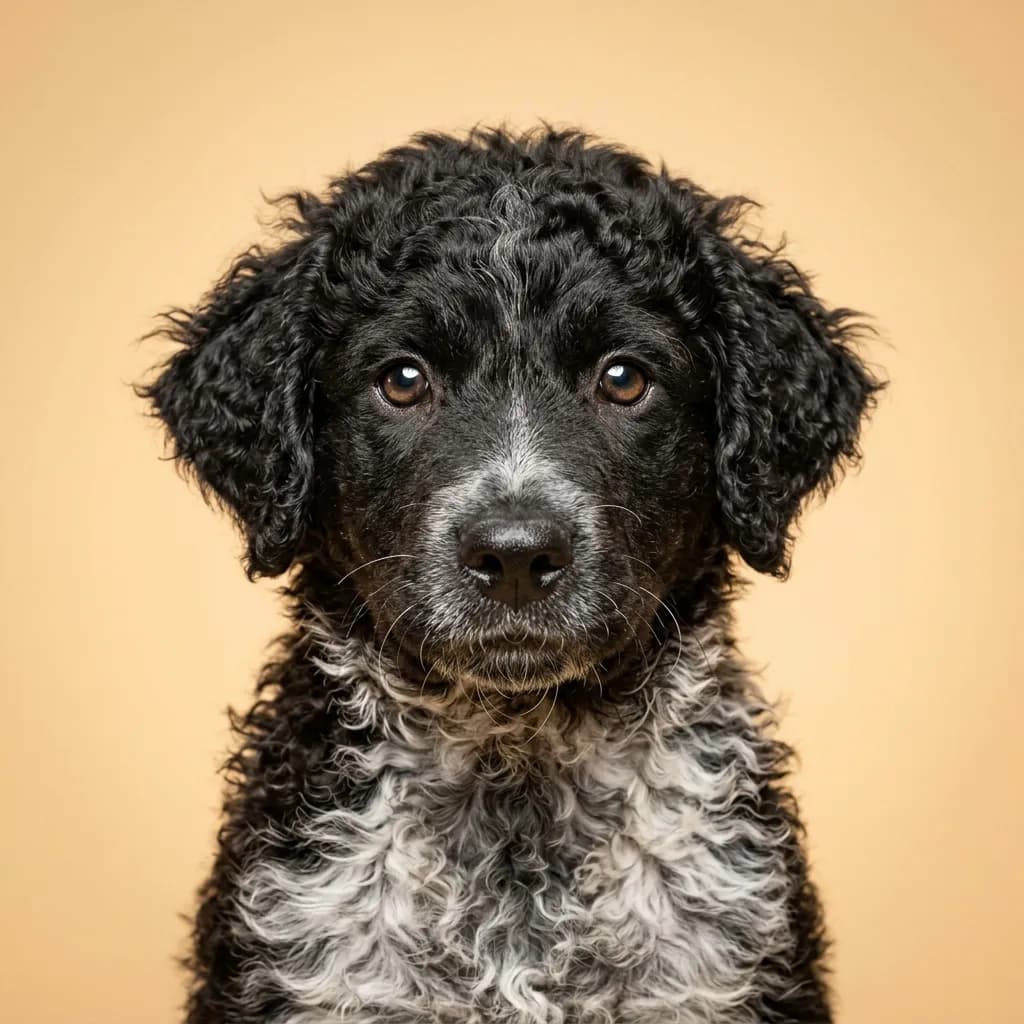
Wetterhoun
Foundation Stock Service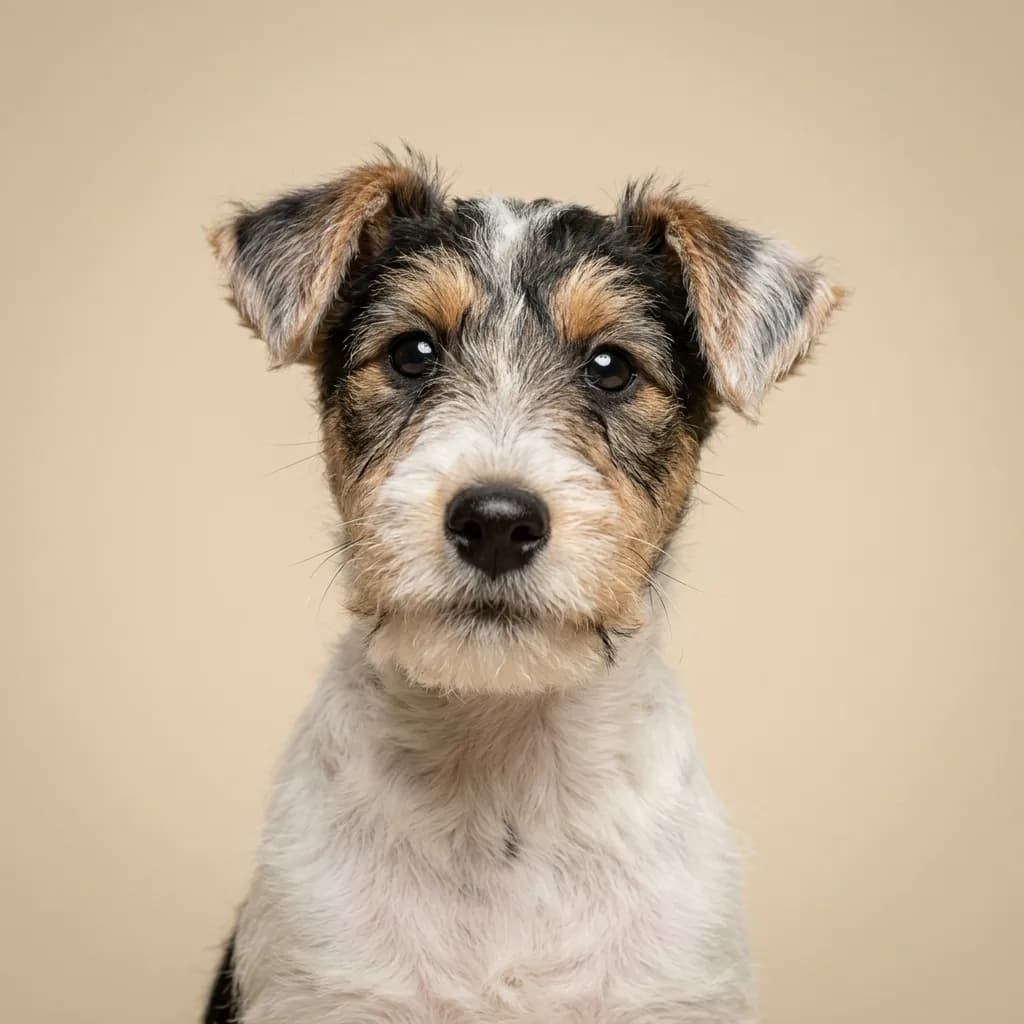
Wire Fox Terrier
Terrier Group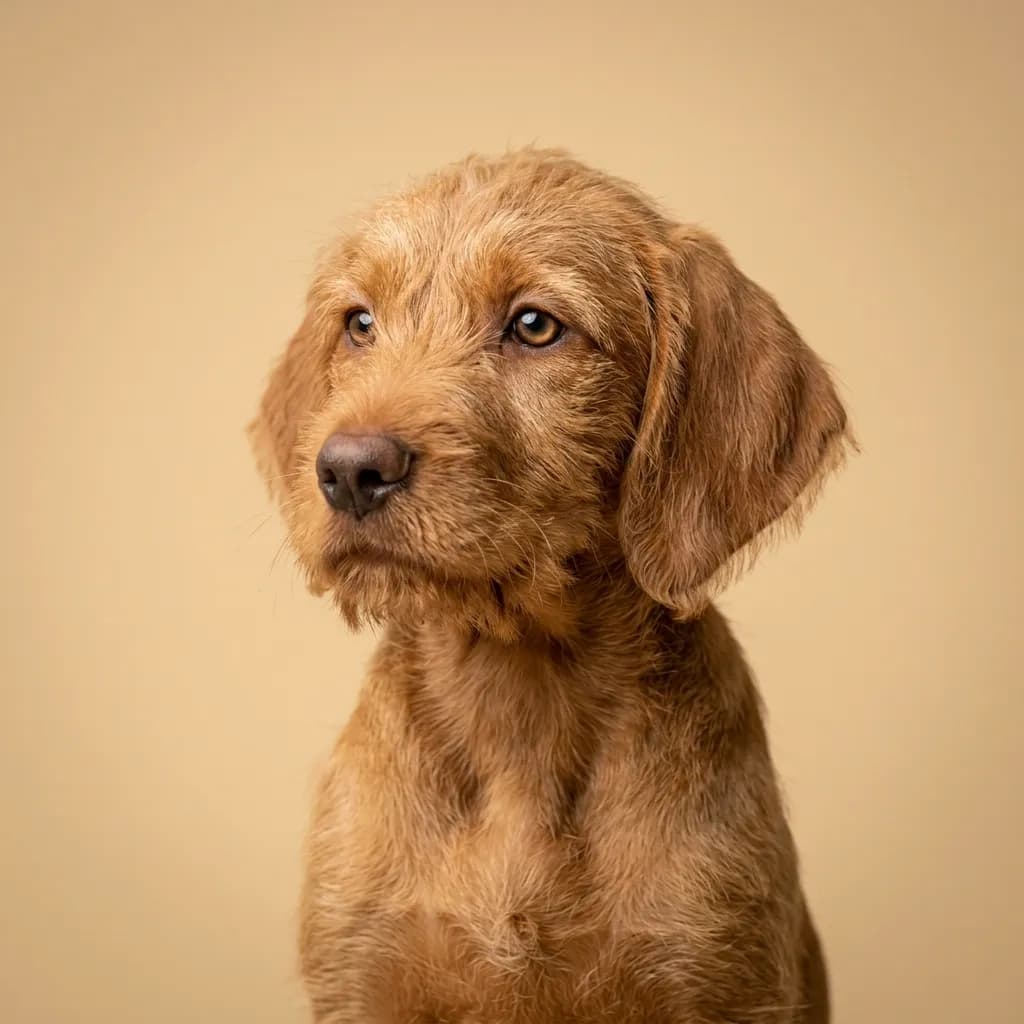
Wirehaired Vizsla
Sporting Group