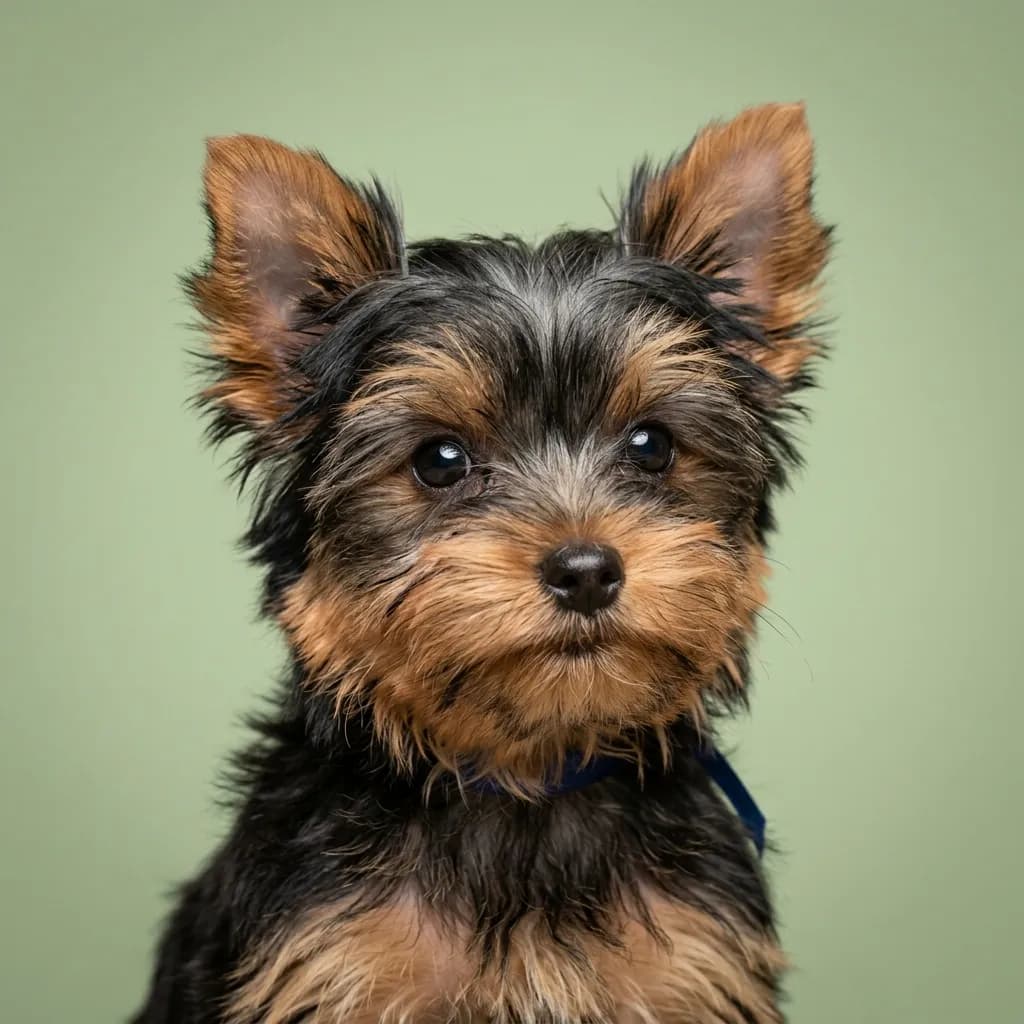
Patellar Luxation
What It Is
Patellar luxation—basically, a dislocating kneecap—is one of the most common orthopedic issues in small and toy breed dogs. The patella (kneecap) sits in a groove on the femur and normally glides up and down as the knee bends. In dogs with luxating patellas, that groove is too shallow or the ligaments are too loose, so the kneecap slips out, usually toward the inside of the leg (medial luxation). It’s graded on a scale from 1 to 4: Grade 1 means it only pops out when manually pushed and slides back on its own—often causes no issues. Grade 4 is severe: the kneecap is permanently out of place, the leg is deformed, and the dog can’t straighten the joint. It’s usually a congenital issue, meaning dogs are born with the anatomical flaws, even if symptoms don’t show up until later.
Symptoms to Watch For
You might not notice anything off in mild cases. But signs to keep an eye on include occasional “skipping” when running—your dog suddenly lifts one back leg and hops for a few steps before putting it down again. That’s the kneecap slipping out and then popping back in. Over time, you might see reluctance to jump, stiffness after resting, or even crouched hind legs. In severe cases, your dog walks with a bowlegged stance or holds the leg up constantly. Pain isn’t always obvious, but chronic luxation leads to arthritis, and by middle age, some dogs develop significant lameness or secondary injuries like torn ACLs. If you see consistent limping or your dog avoids stairs or jumping into the car, get it checked.
Diagnosis
Your vet diagnoses this with a physical exam—manipulating the knee to see if the patella slips out and how easily it returns. They’ll assign a grade based on that. X-rays aren’t always needed for diagnosis but can help assess the severity of bone deformities, especially if surgery is on the table. In some cases, especially if the dog is showing pain but the luxation isn’t obvious, your vet might refer you to a veterinary orthopedist. The cost for an initial exam and diagnosis runs $100–$200, depending on your area and whether imaging is included.
Treatment Options
For Grade 1 and sometimes 2, no treatment is needed if your dog isn’t showing symptoms. You just monitor. For painful or higher-grade cases, especially Grade 3 and 4, surgery is usually recommended. The procedure typically involves deepening the femoral groove, moving the tibial crest (where the tendon attaches), and tightening soft tissues. Success rates are good—around 90% of dogs improve significantly, though some may still develop arthritis over time. Recovery takes 6–8 weeks of strict rest. Surgery runs $1,500–$4,000 per knee, depending on complexity and location. If both knees are affected (common), it’s often done one at a time to keep your dog mobile during recovery. Physical therapy can help post-op and might cost $50–$100 per session.
Prevention and Screening
You can’t prevent the genetics, but you can avoid making it worse. Keep your dog lean—extra weight puts more stress on those tiny joints. Avoid high-impact activities like jumping off furniture; use ramps or steps. And if you’re getting a puppy from a breed at risk, make sure the breeder screens parent dogs. Reputable breeders have their dogs evaluated by the Orthopedic Foundation for Animals (OFA), which requires dogs to be at least 12 months old and x-rayed. A “clear” OFA patella rating means both parents are less likely to pass it on. Skip breeders who don’t provide health clearances—this condition is that common and that avoidable with responsible breeding.
Breeds Most at Risk
Patellar luxation pops up in at least 77 breeds, but it’s especially widespread in small dogs. Toy breeds are hit hardest—19 of them are high-risk, including Chihuahuas, Bichon Frises, and Yorkshire Terriers. Terriers are next with 17 affected breeds like Boston Terriers and Cairn Terriers. The issue also shows up in breeds from the Non-Sporting Group (think Bulldogs and French Bulldogs) and Foundation Stock breeds like the Biewer Terrier. Even larger breeds can be affected, but it’s far less common. If you’re eyeing a breed from the Toy or Terrier group, assume luxating patellas are on the table. Ask breeders directly about OFA testing and whether any puppies in recent litters showed signs. It’s not a death sentence—plenty of dogs live full, happy lives with mild cases—but it’s something you should go into with your eyes open.
Breeds commonly affected
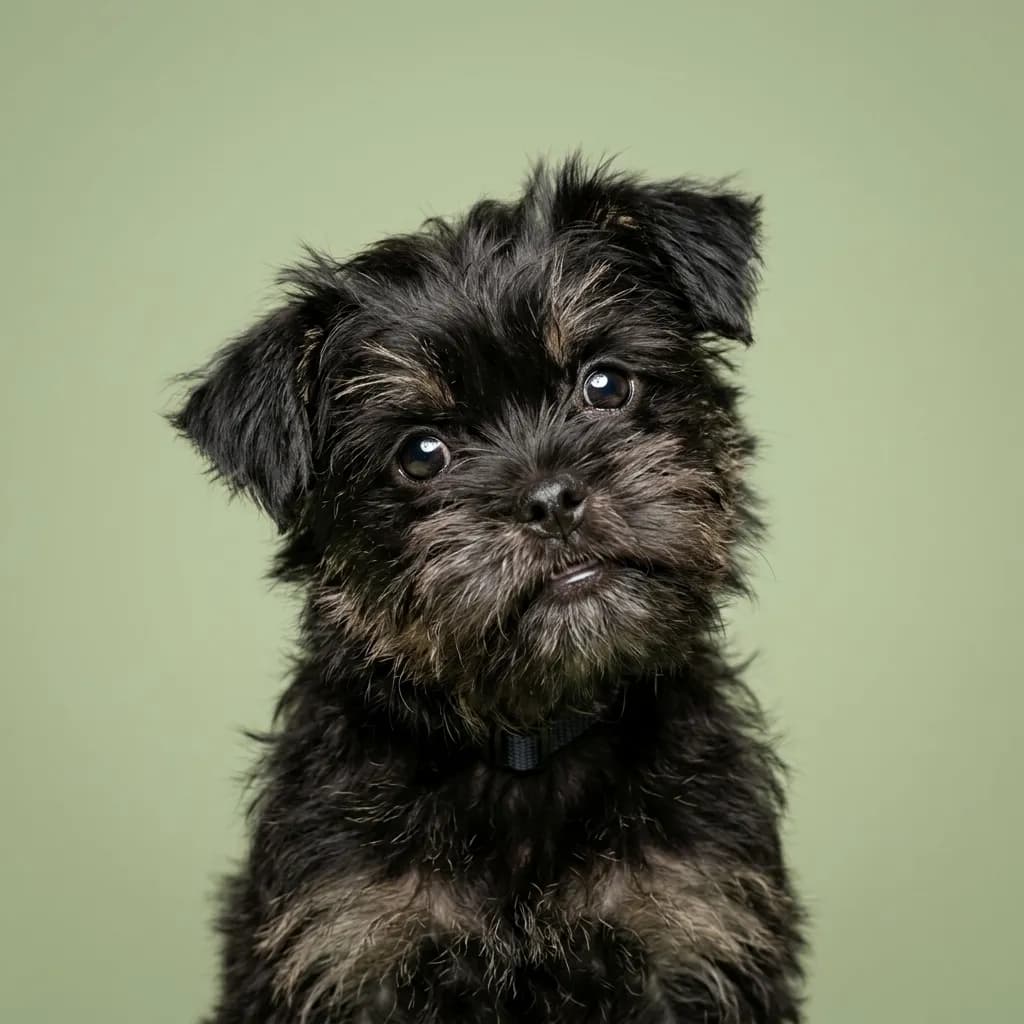
Affenpinscher
Toy Group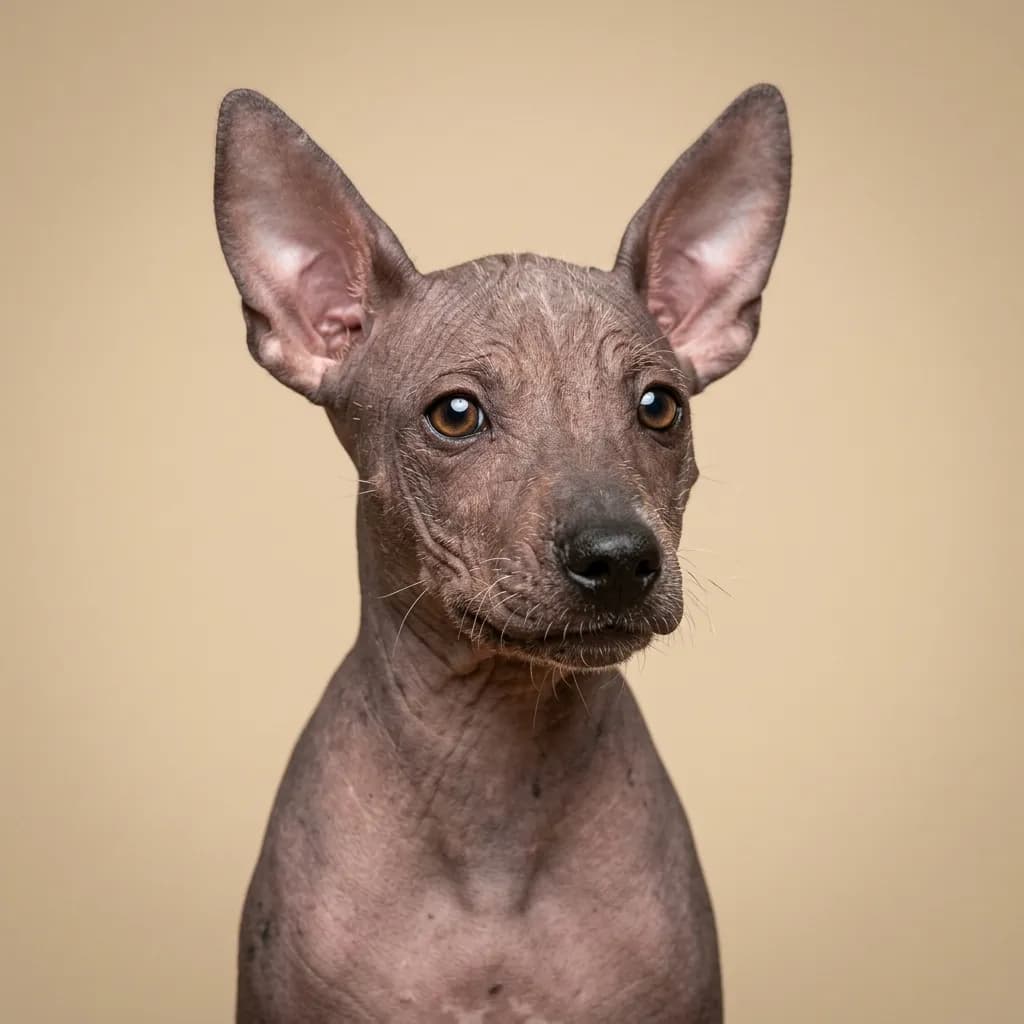
American Hairless Terrier
Terrier Group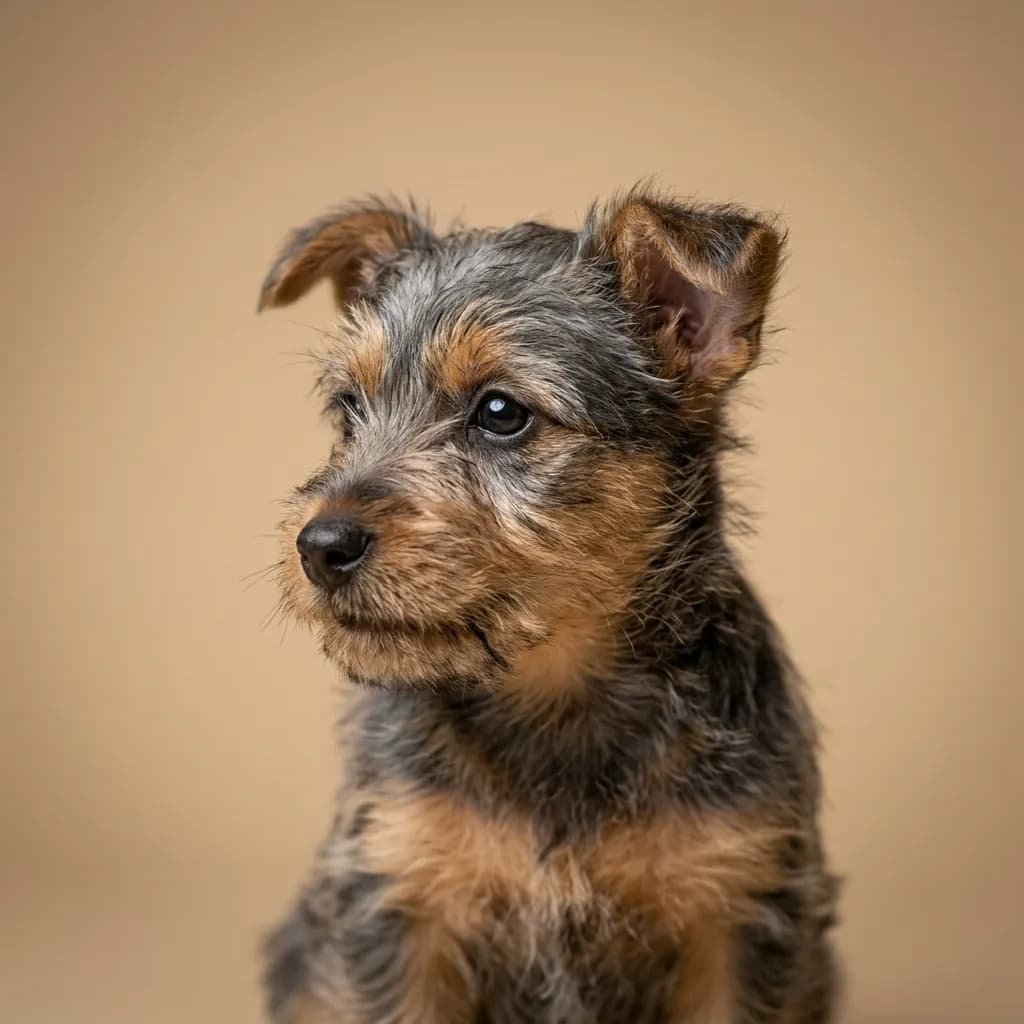
Australian Terrier
Terrier Group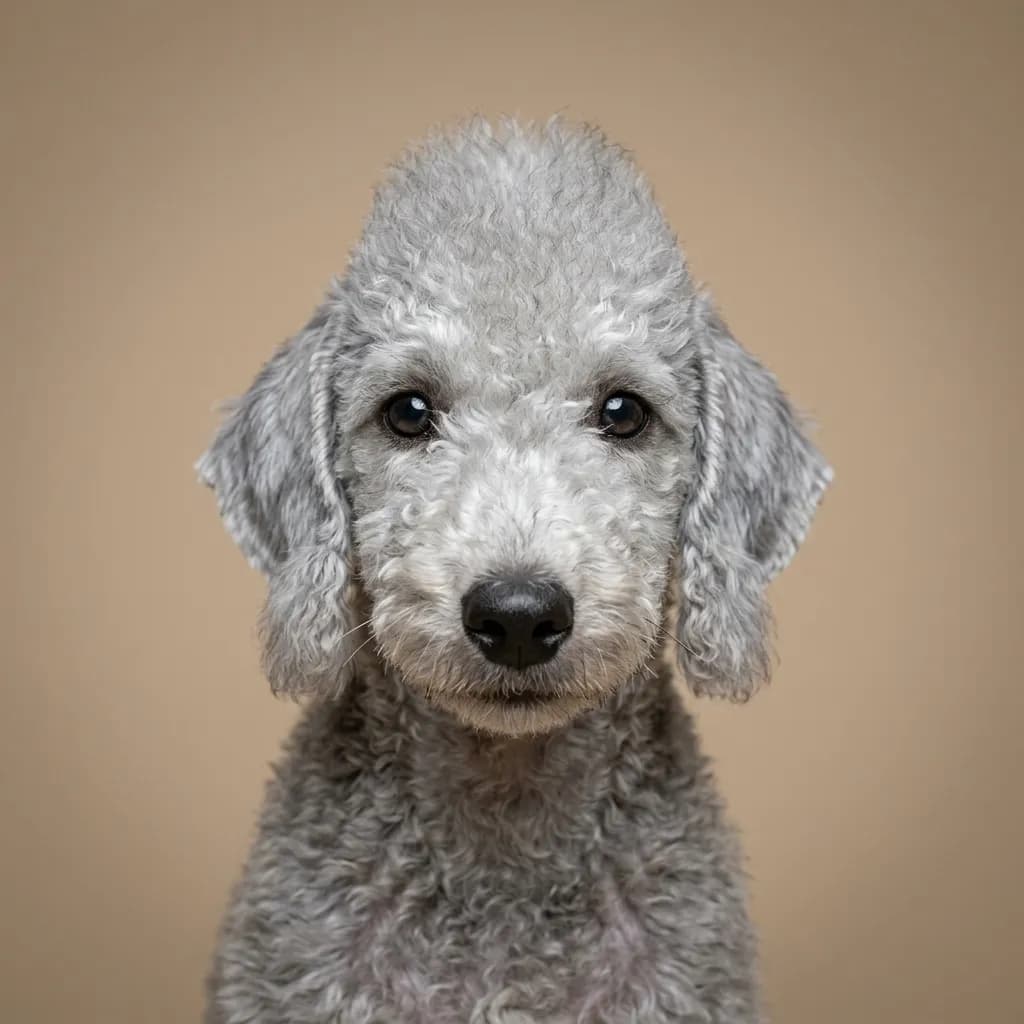
Bedlington Terrier
Terrier Group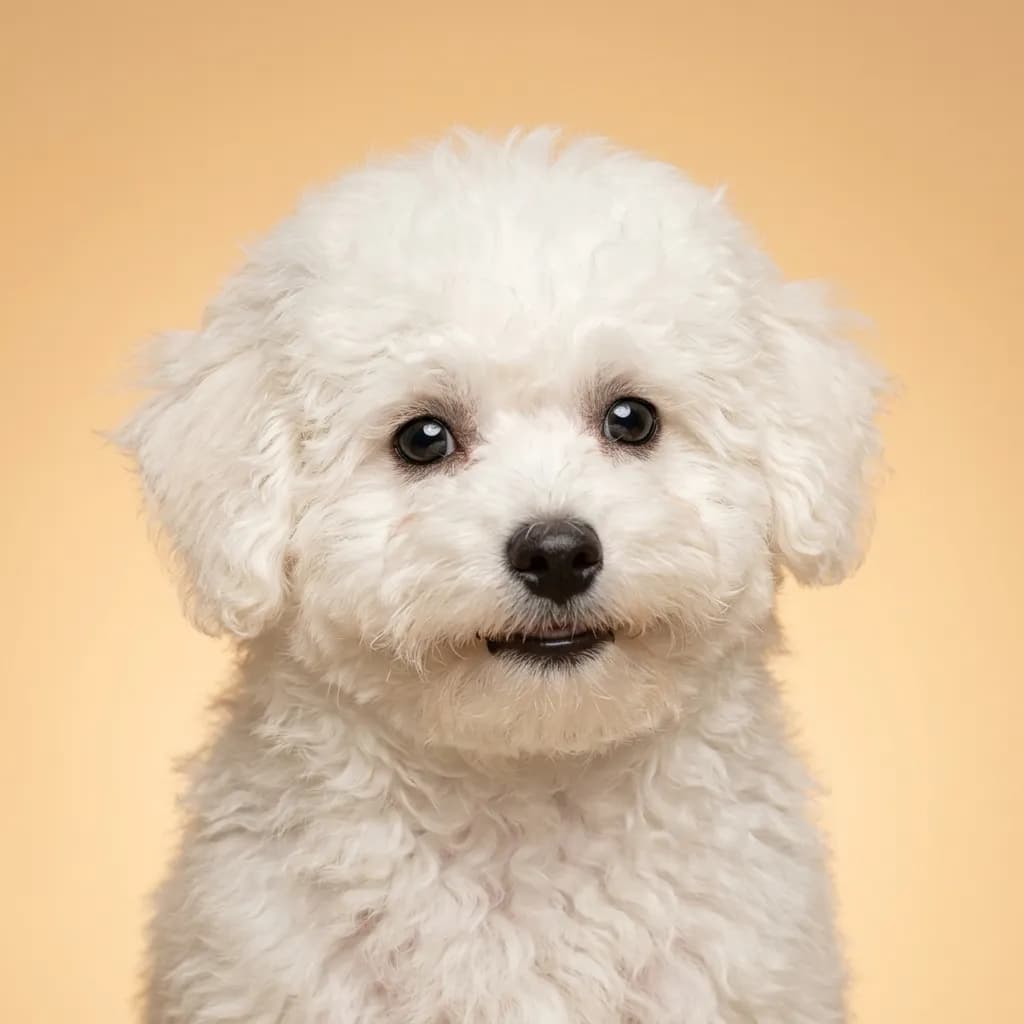
Bichon Frise
Non-Sporting Group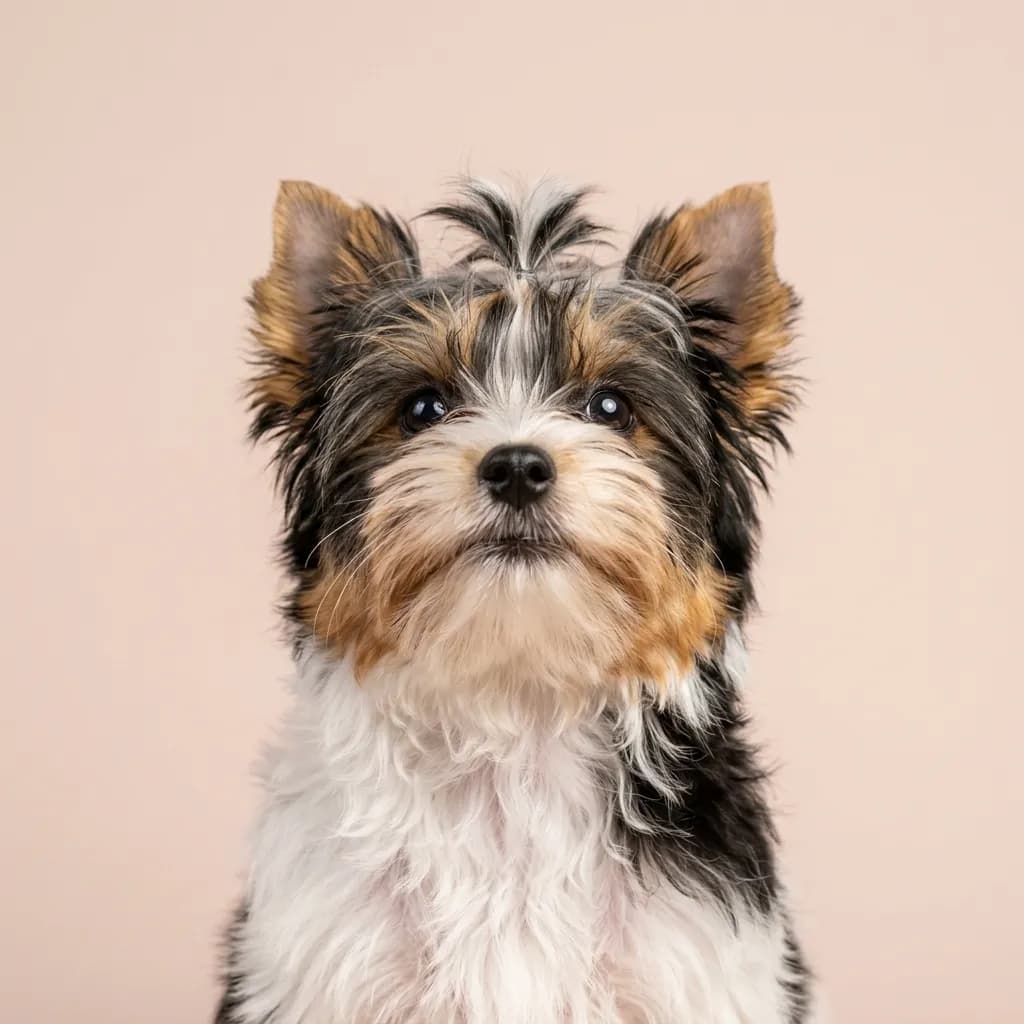
Biewer Terrier
Miscellaneous Class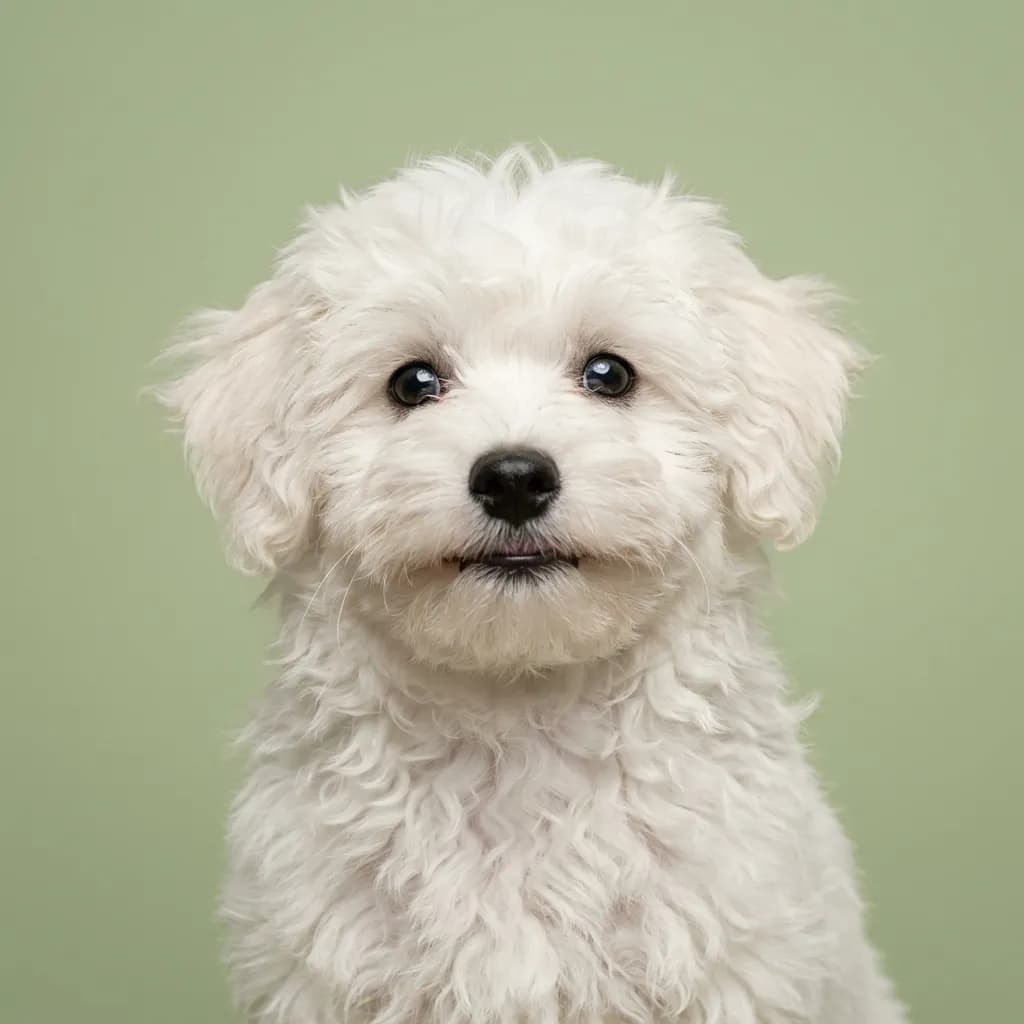
Bolognese
Foundation Stock Service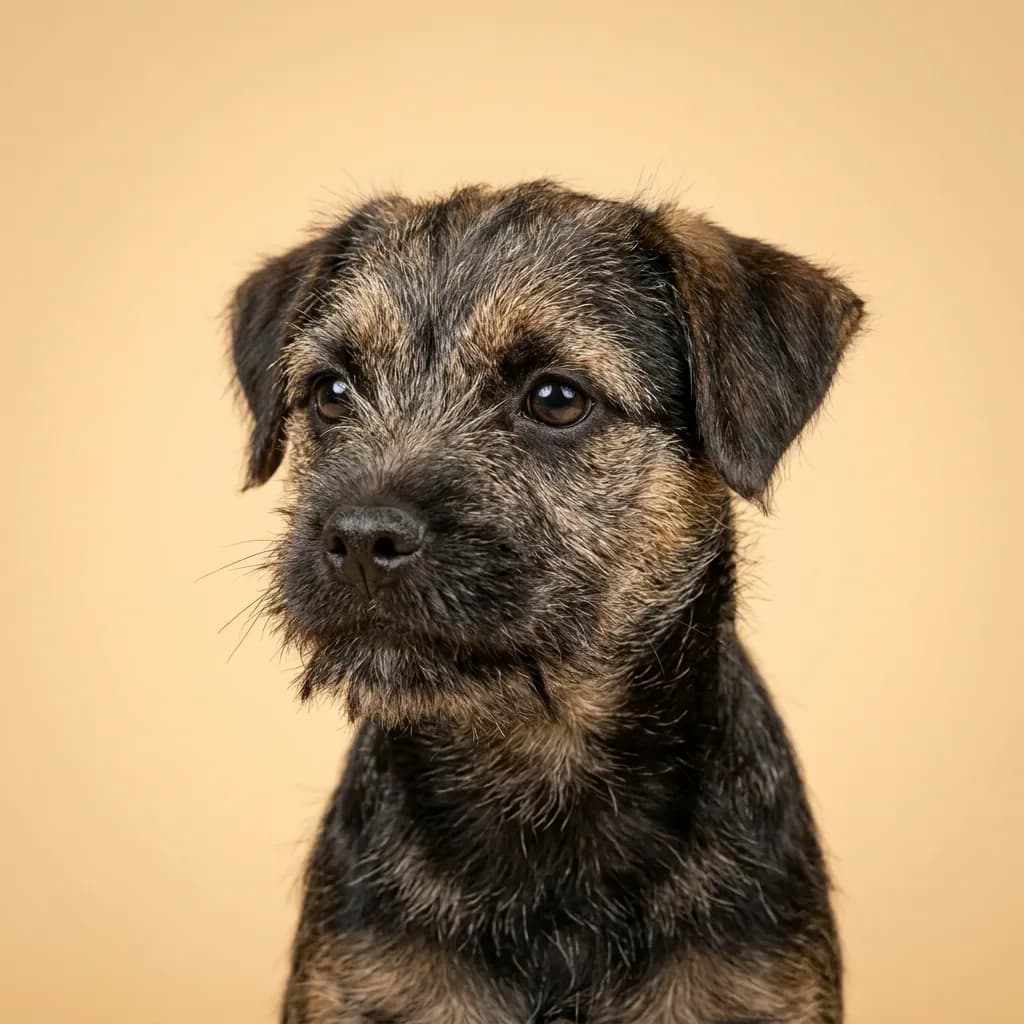
Border Terrier
Terrier Group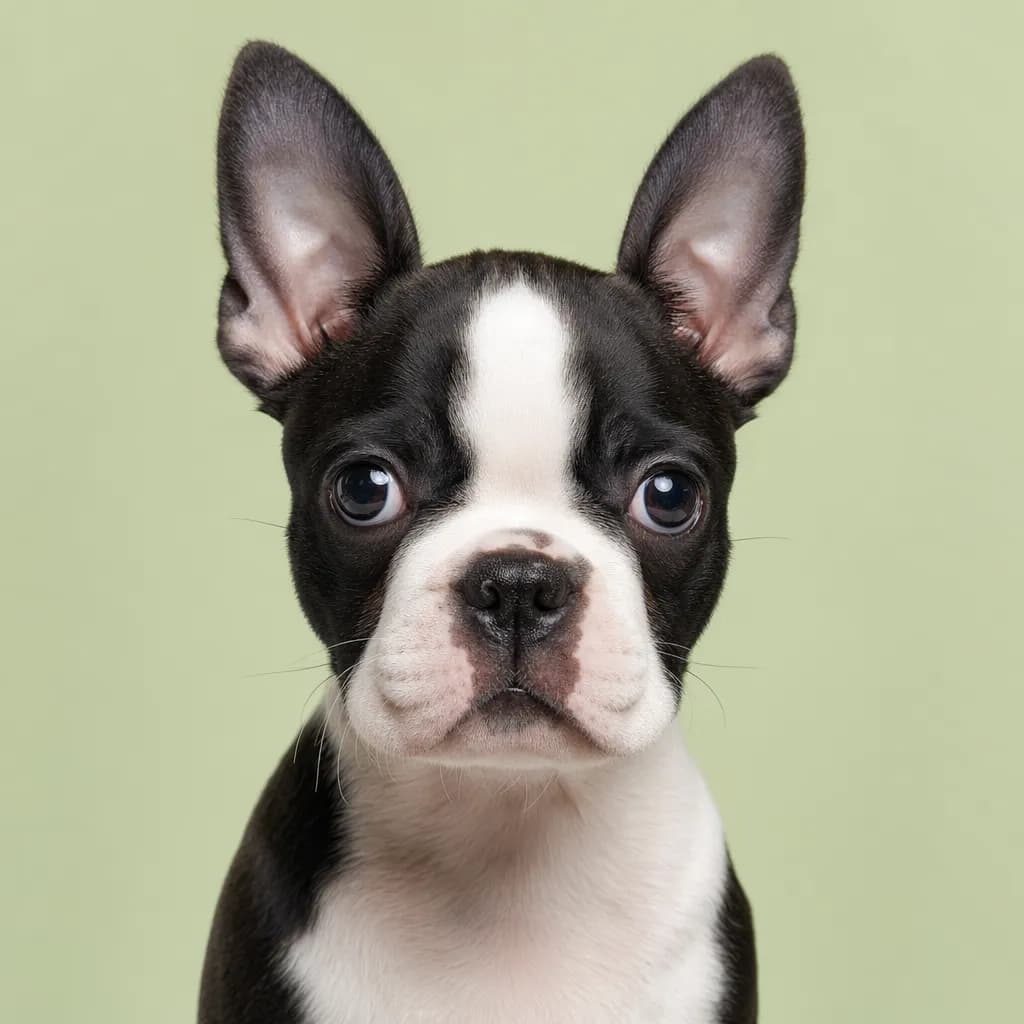
Boston Terrier
Non-Sporting Group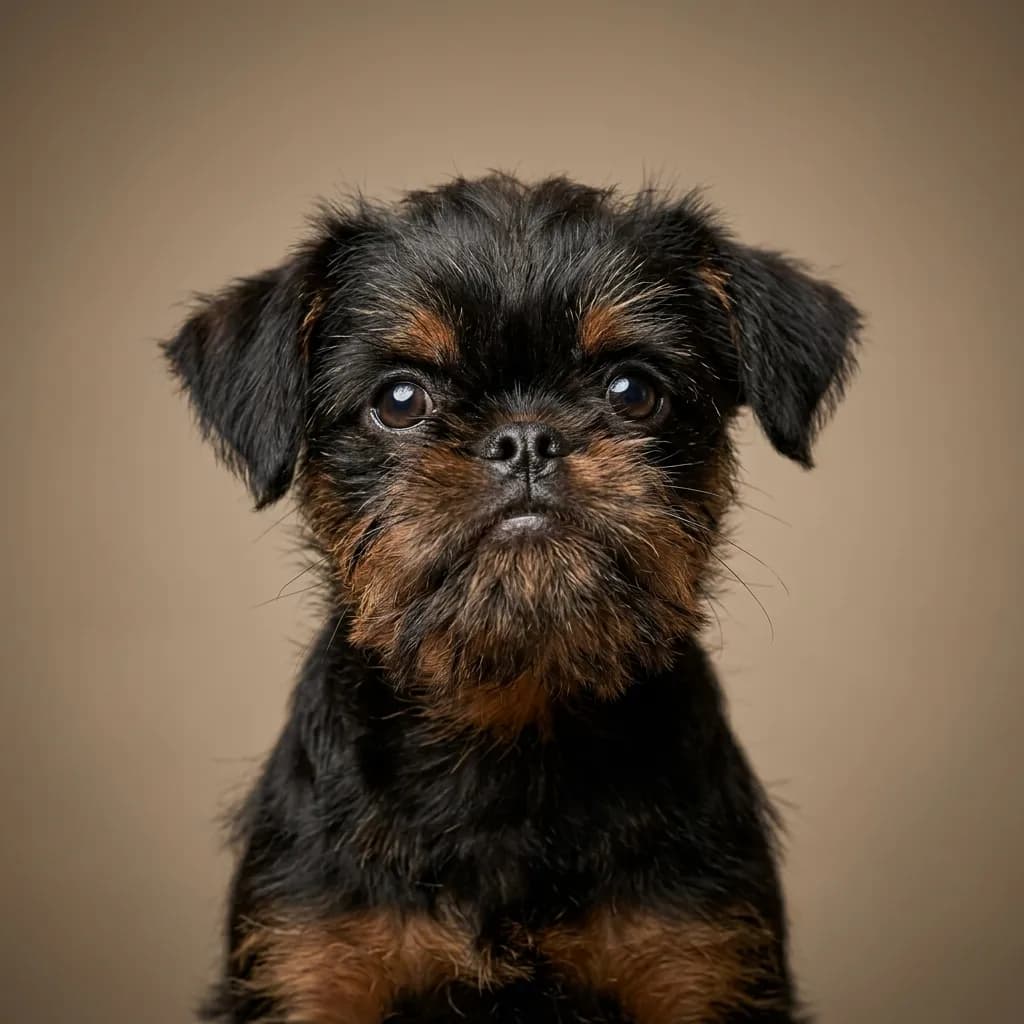
Brussels Griffon
Toy Group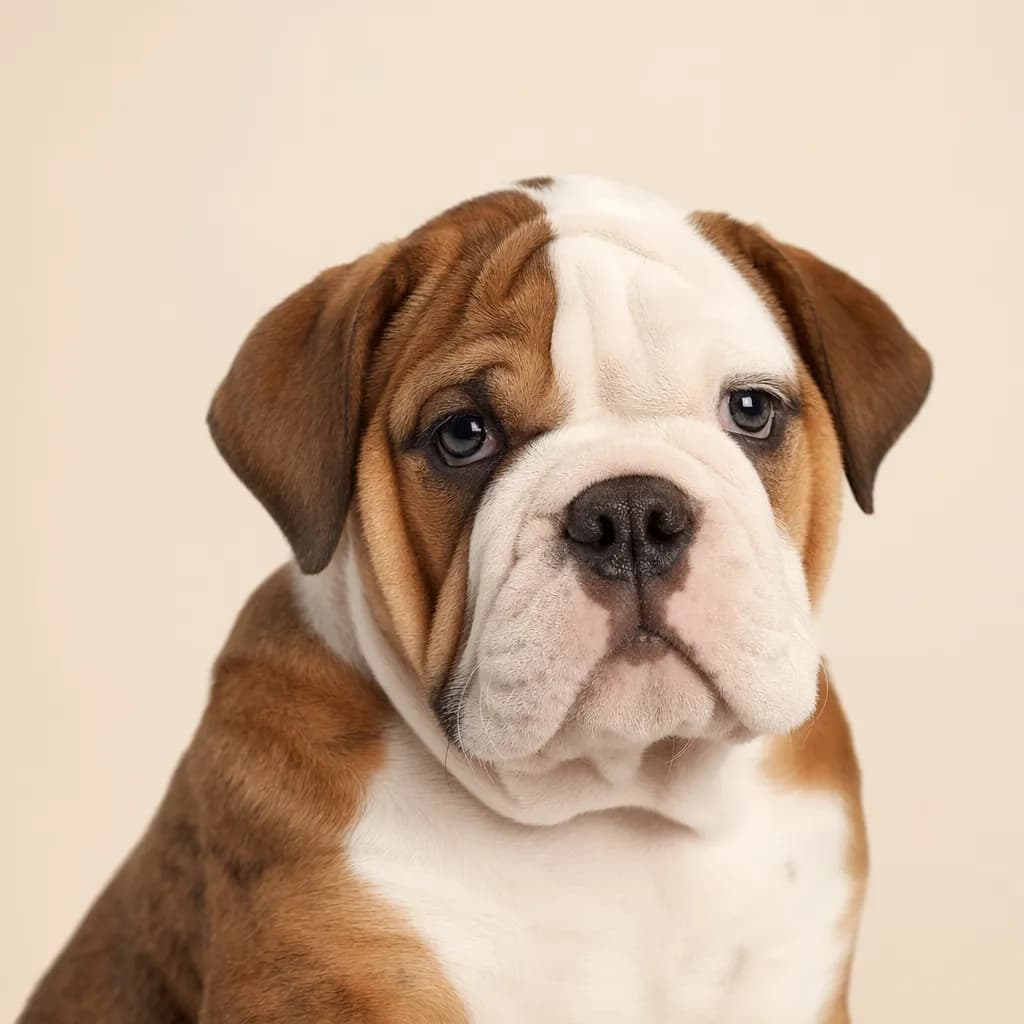
Bulldog
Non-Sporting Group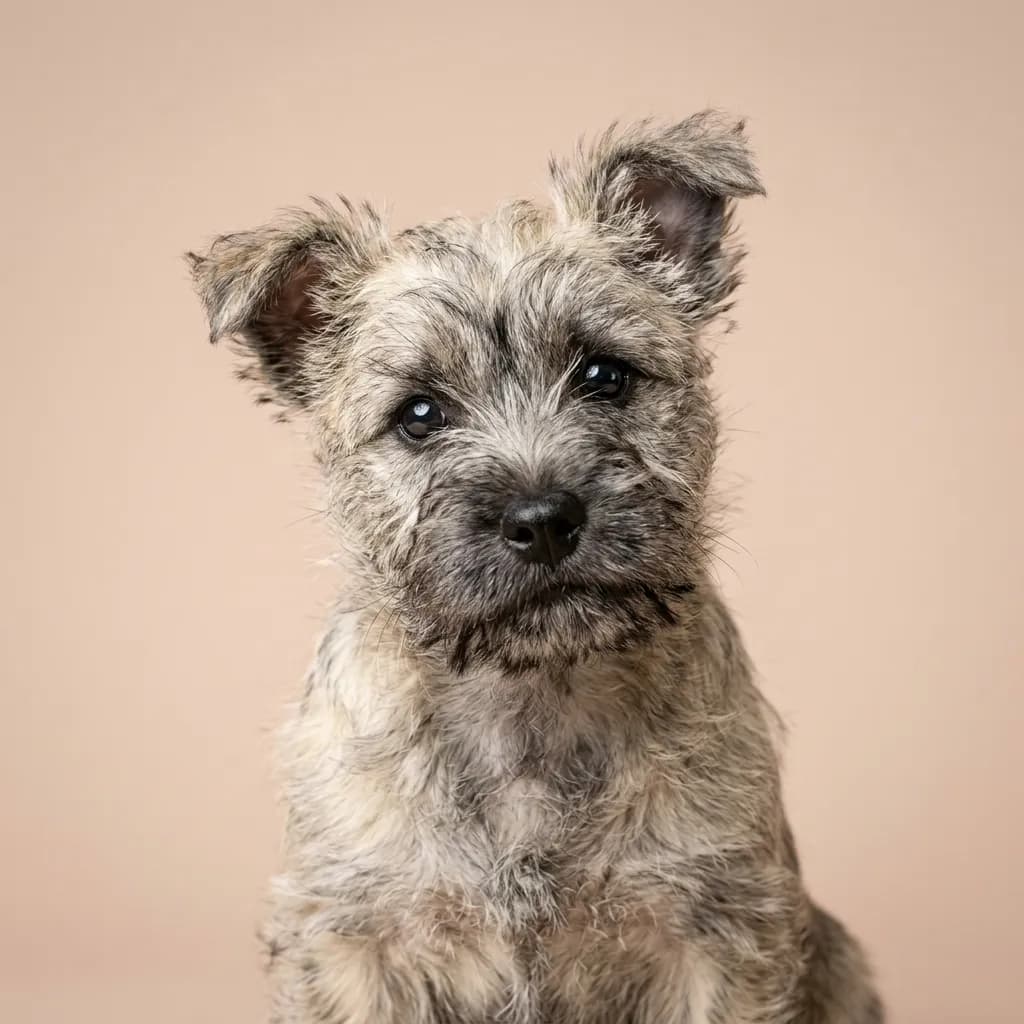
Cairn Terrier
Terrier Group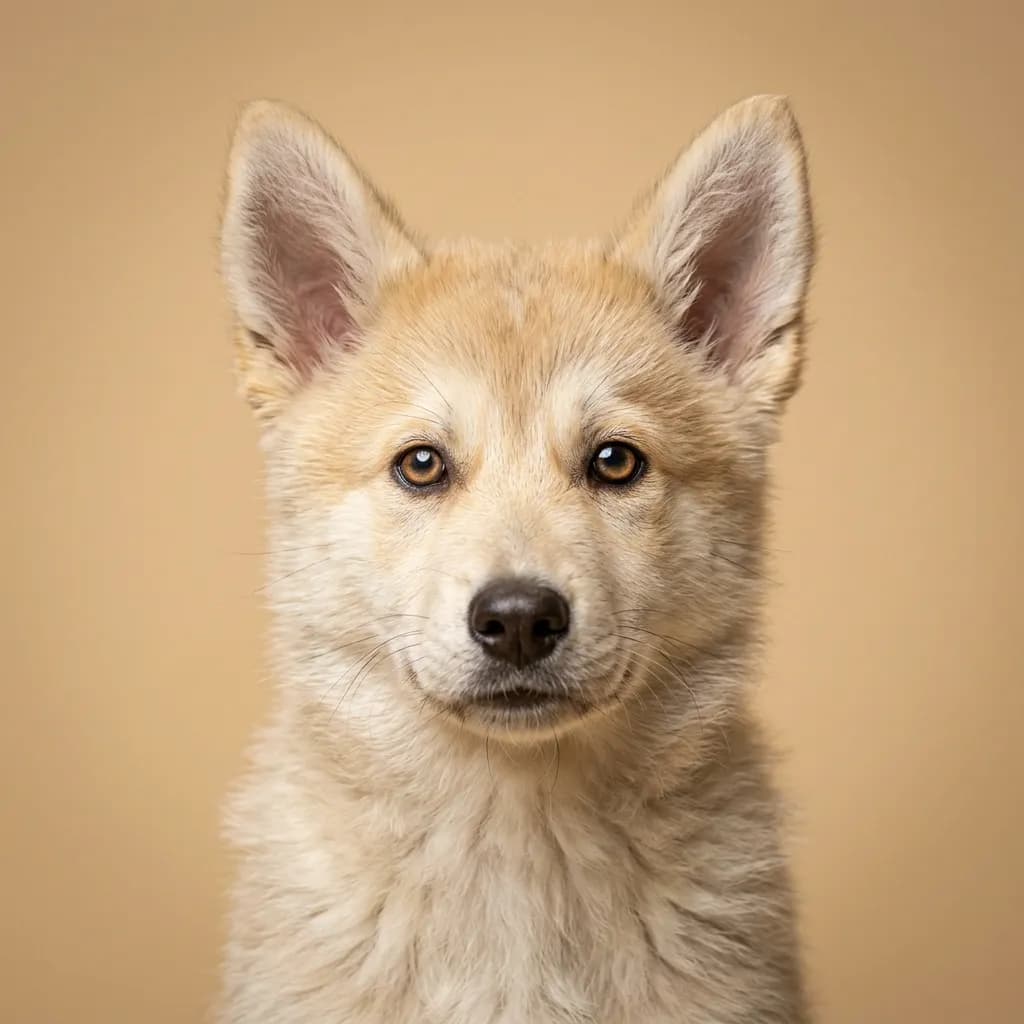
Canaan Dog
Herding Group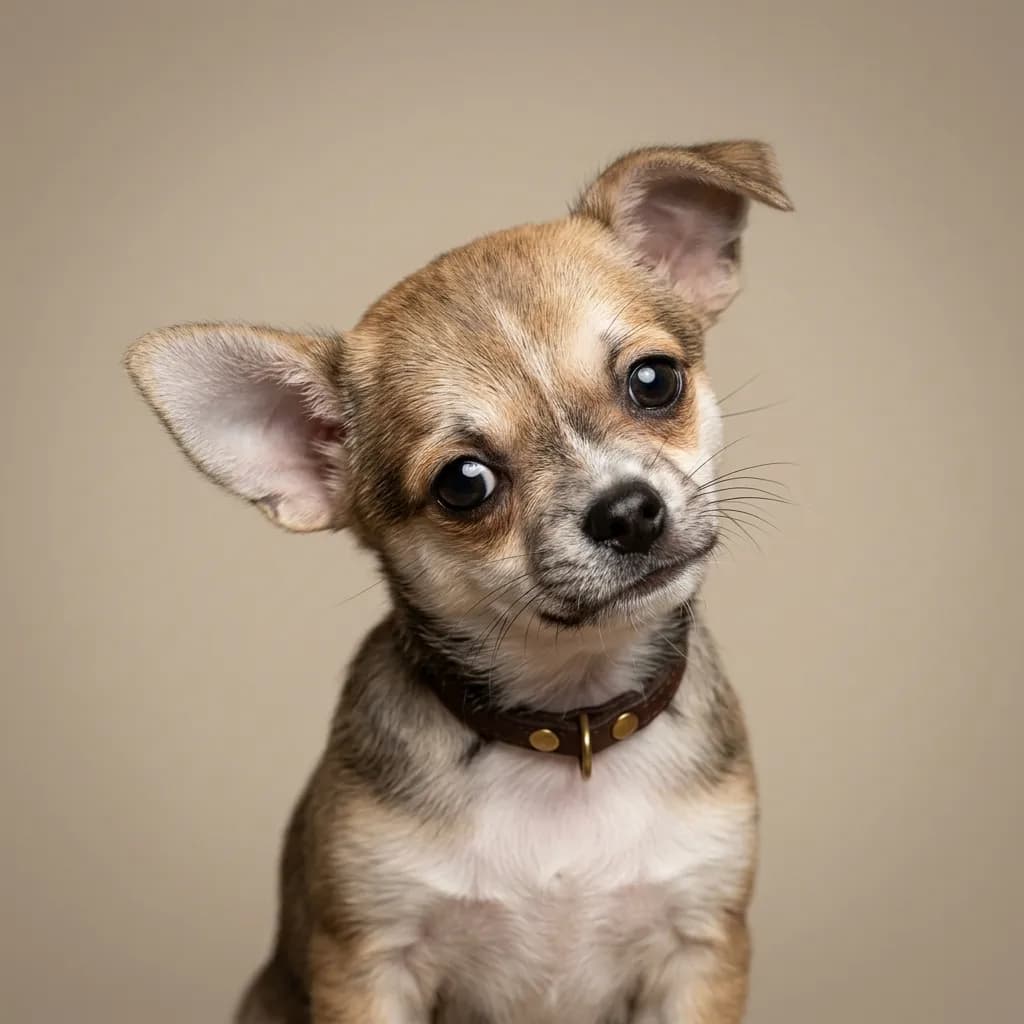
Chihuahua
Toy Group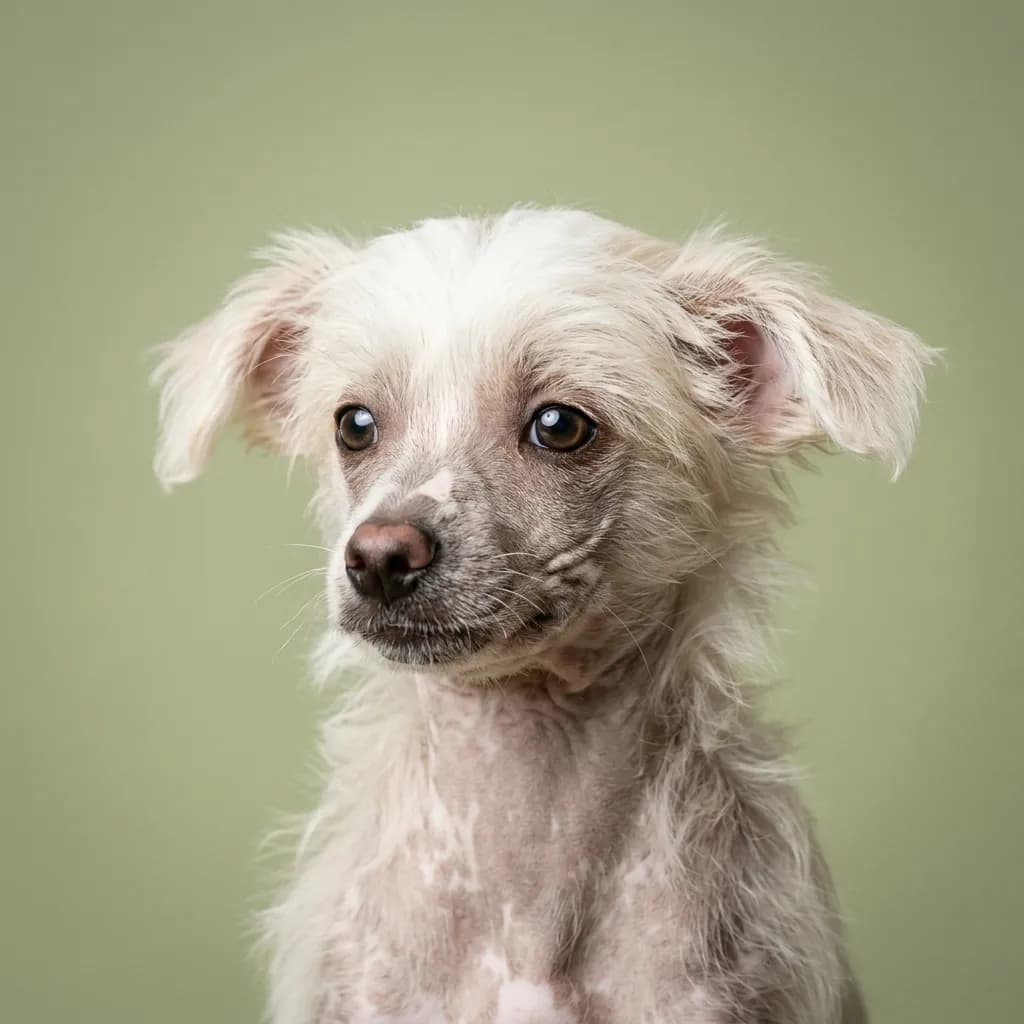
Chinese Crested
Toy Group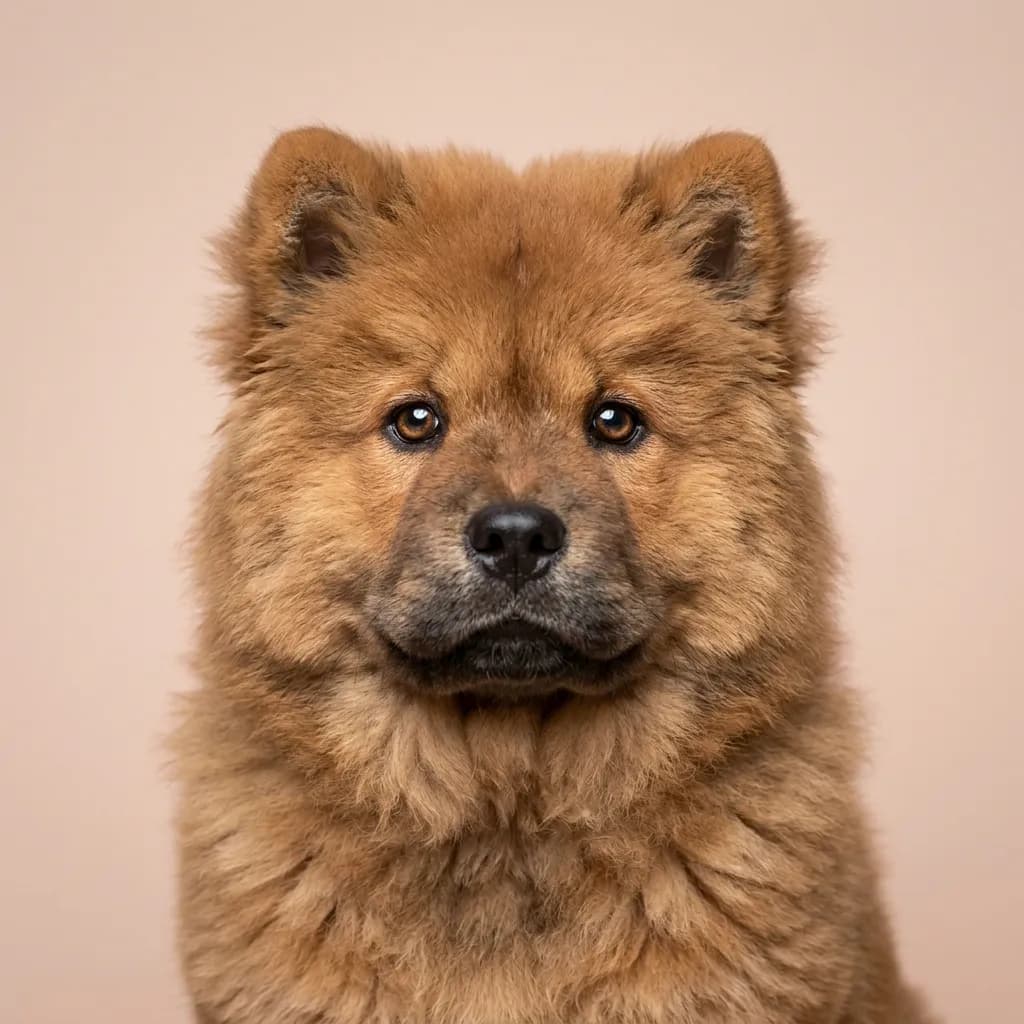
Chow Chow
Non-Sporting Group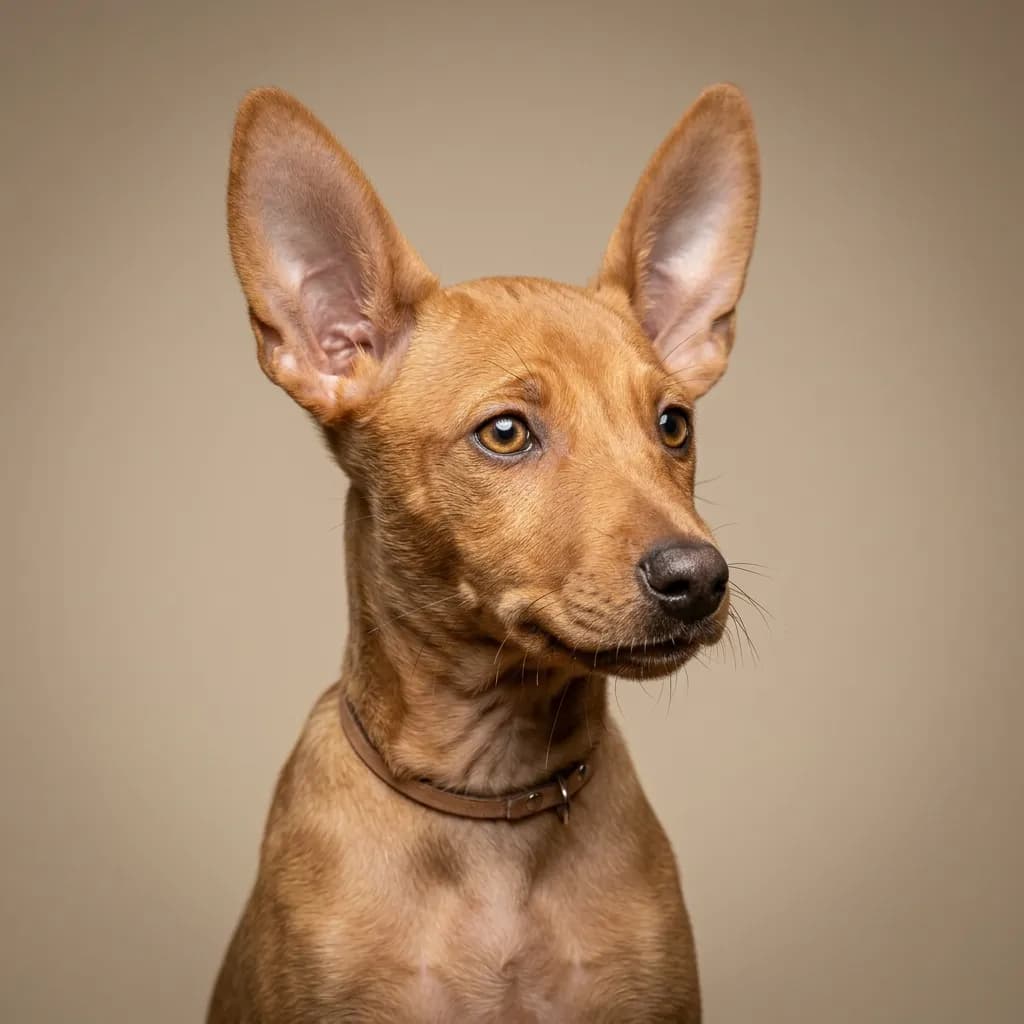
Cirneco dell’Etna
Hound Group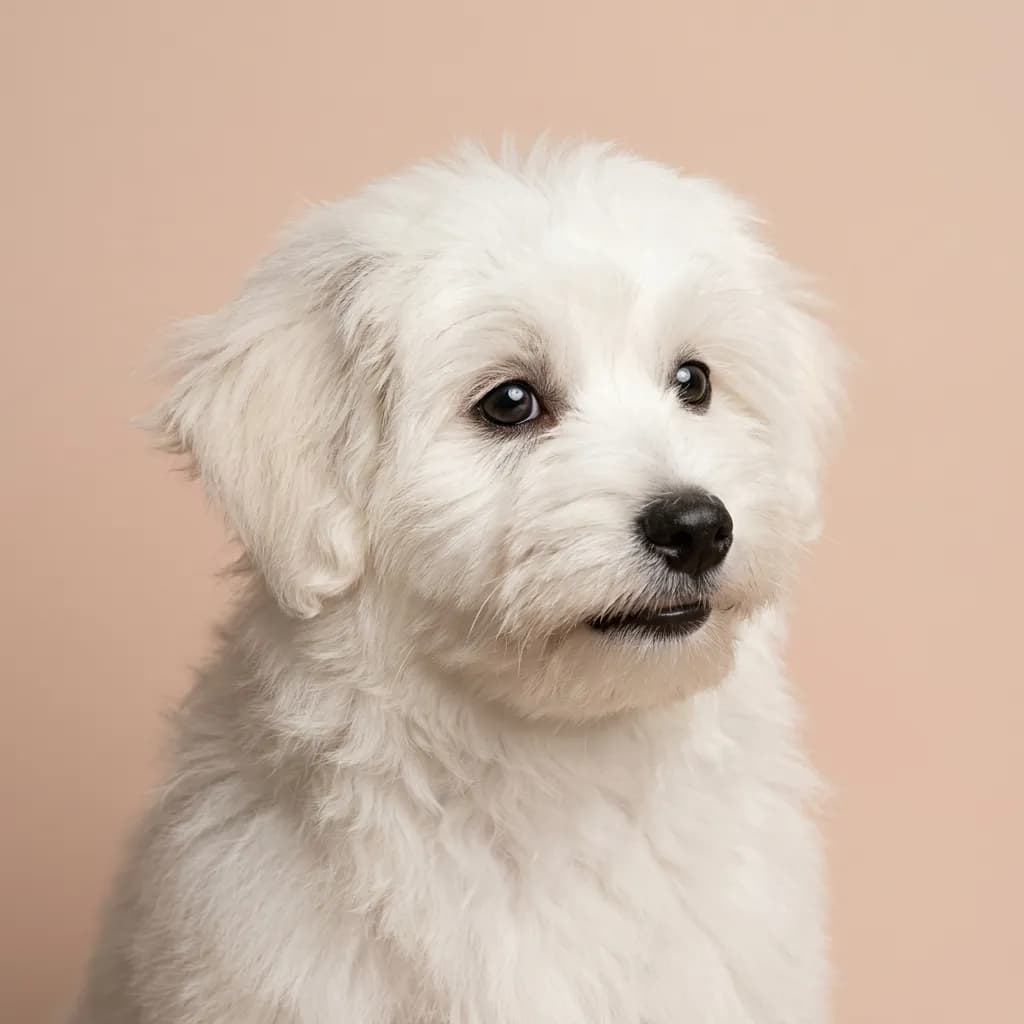
Coton de Tulear
Non-Sporting Group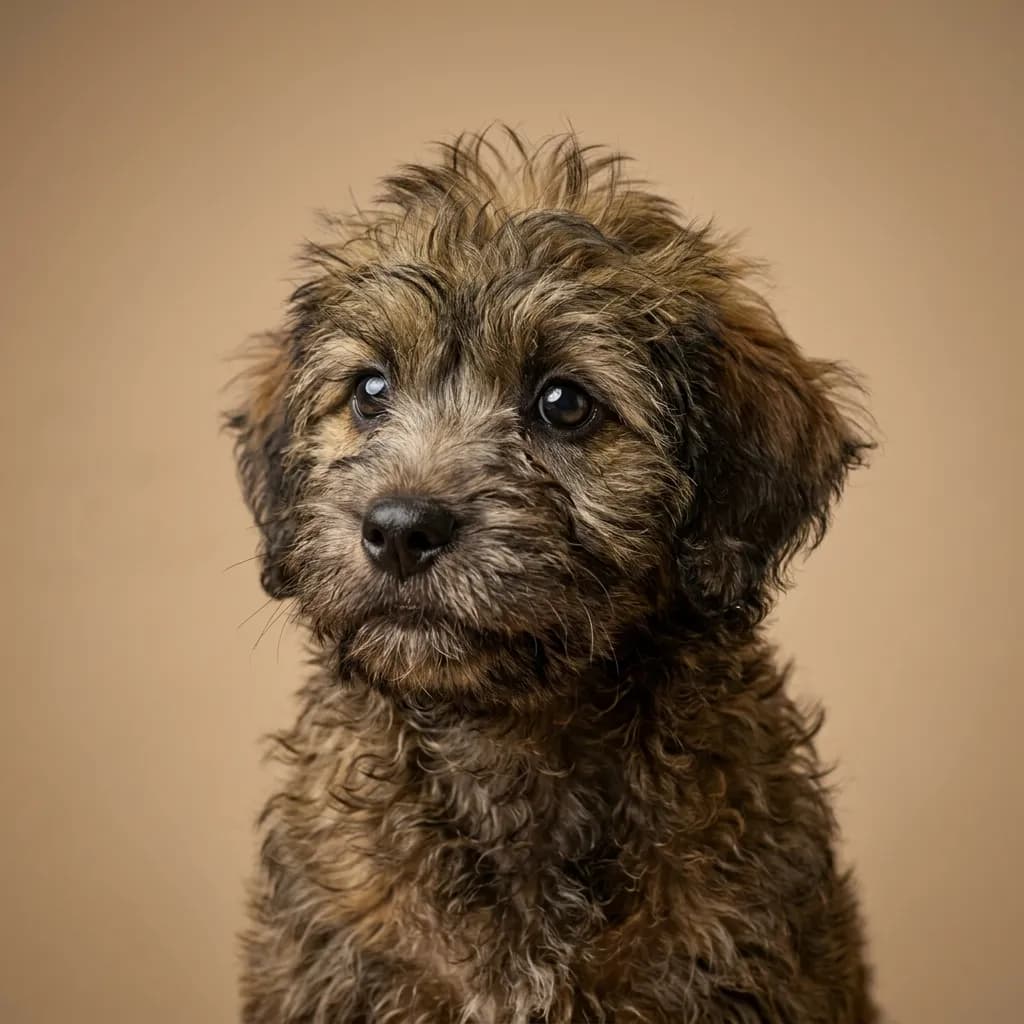
Dandie Dinmont Terrier
Terrier Group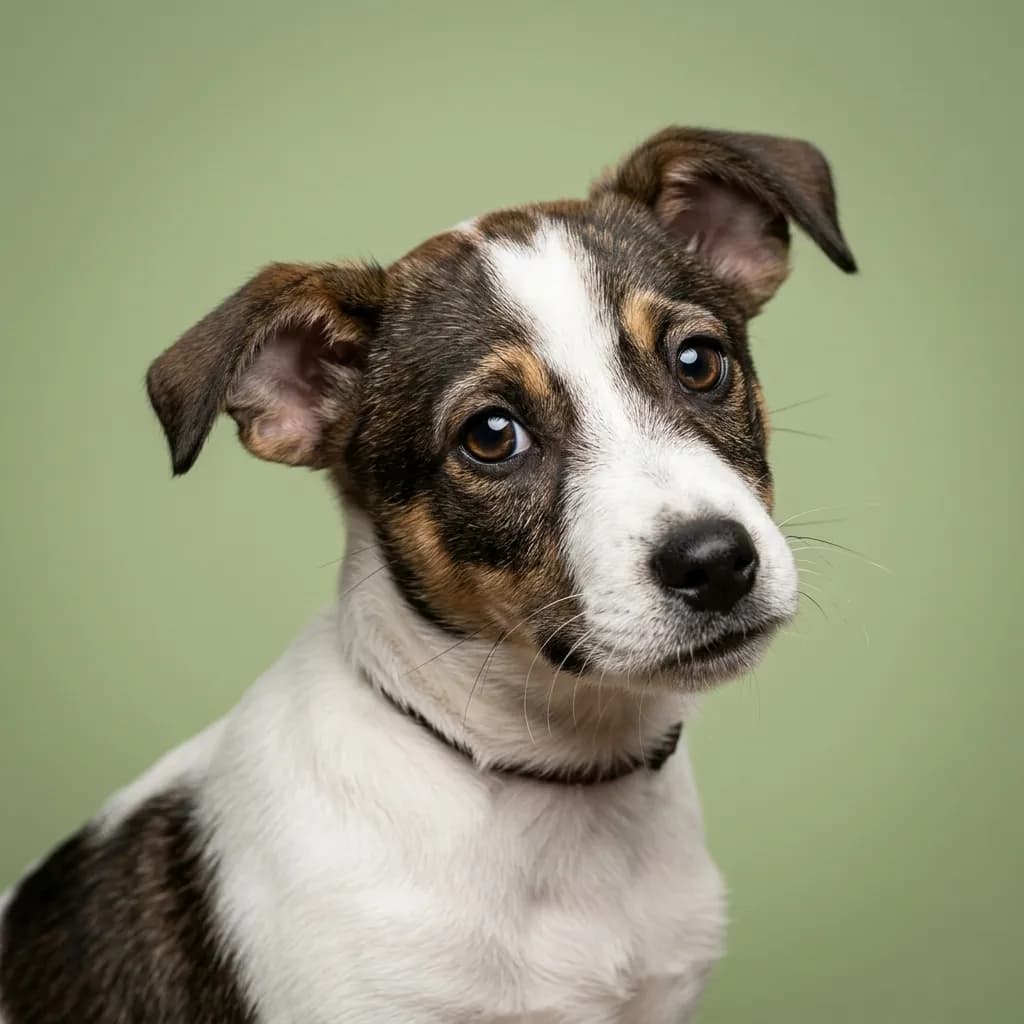
Danish-Swedish Farmdog
Foundation Stock Service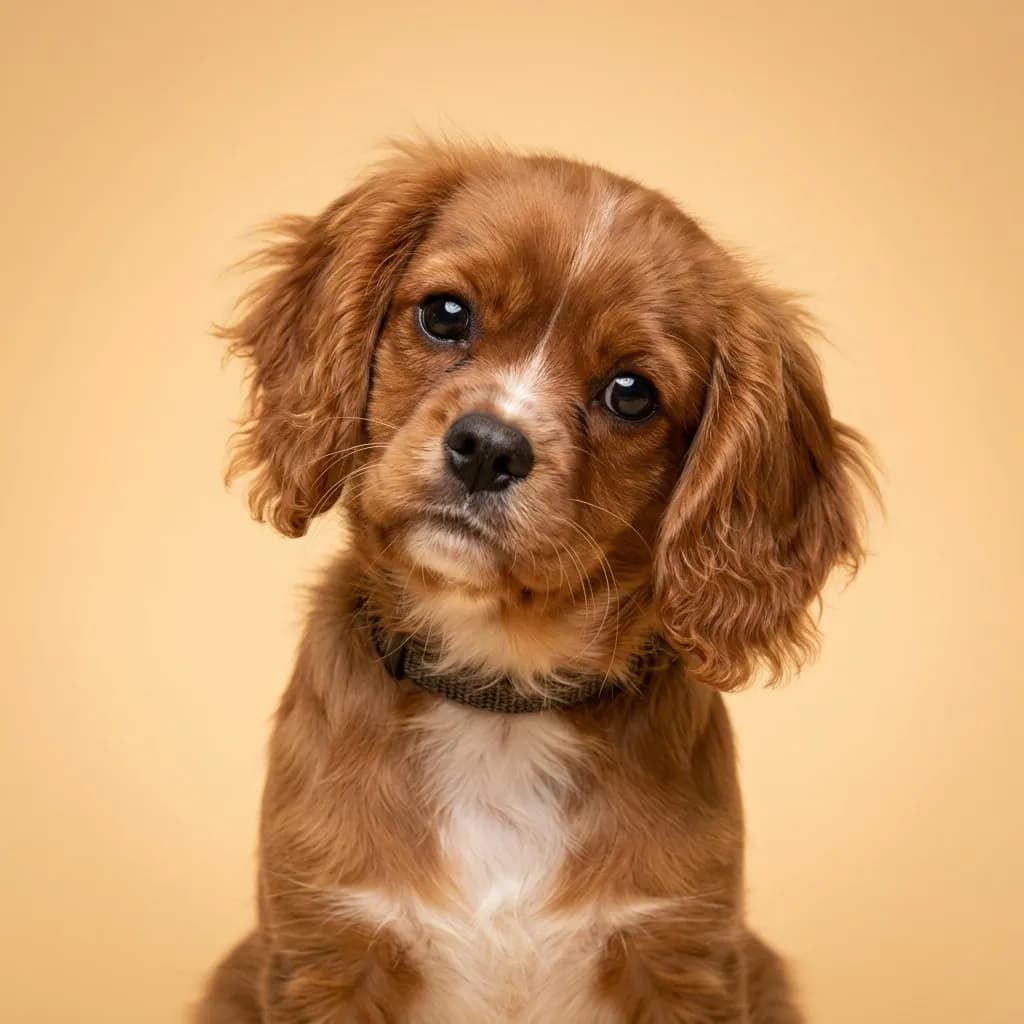
English Toy Spaniel
Toy Group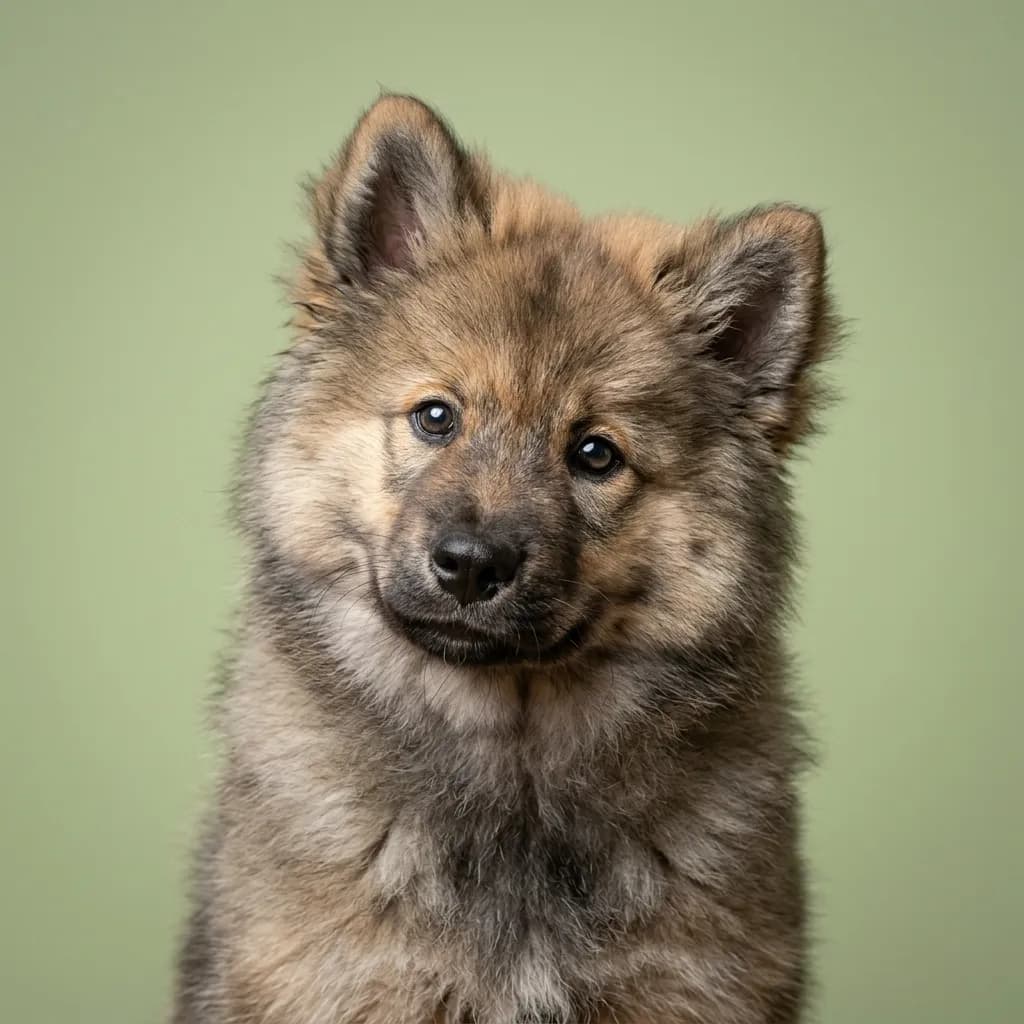
Eurasier
Foundation Stock Service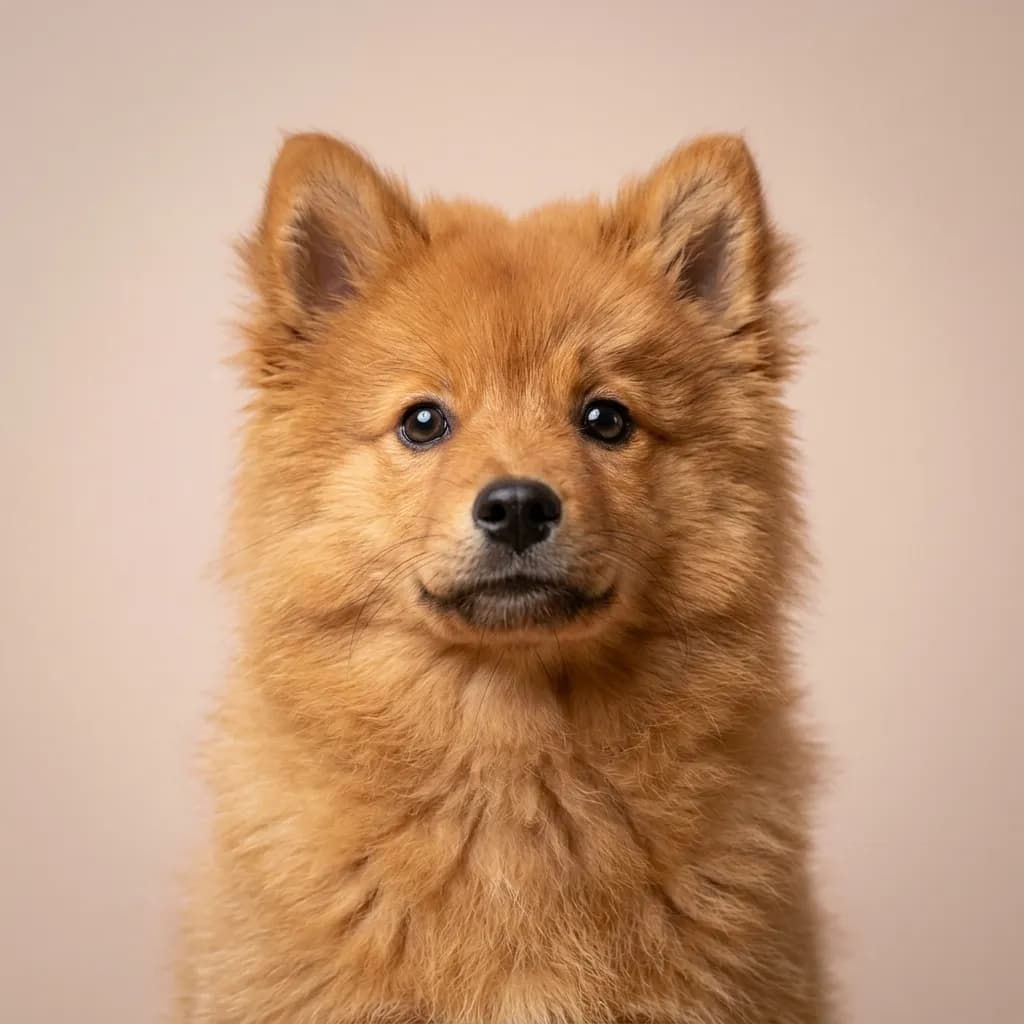
Finnish Spitz
Non-Sporting Group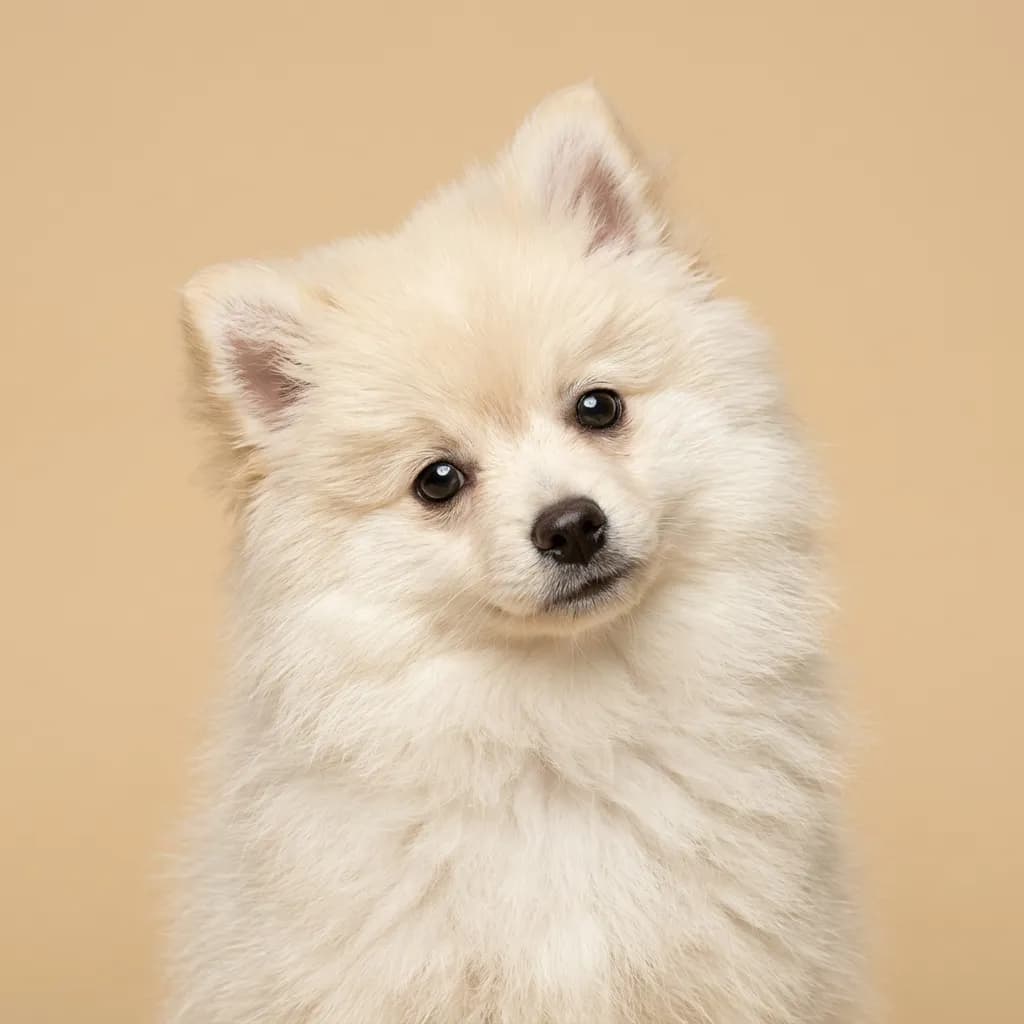
German Spitz
Foundation Stock Service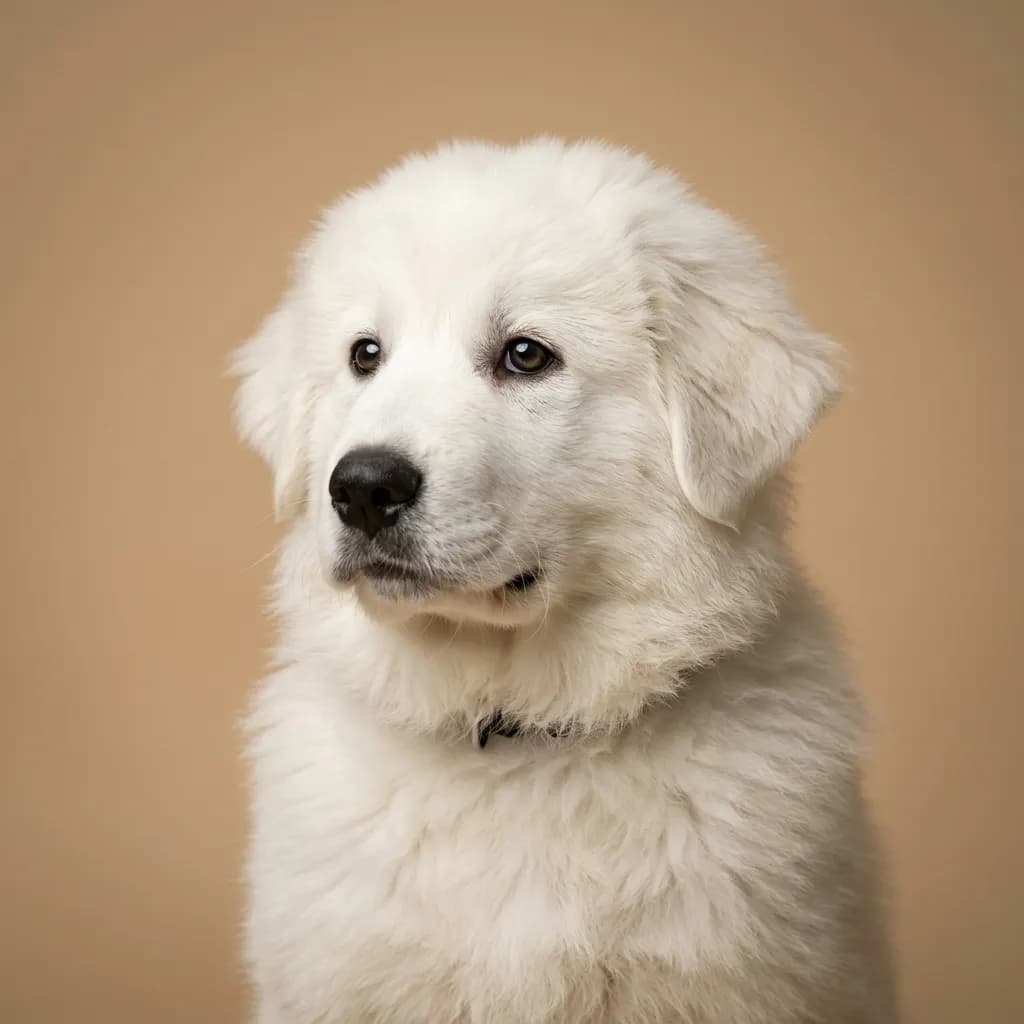
Great Pyrenees
Working Group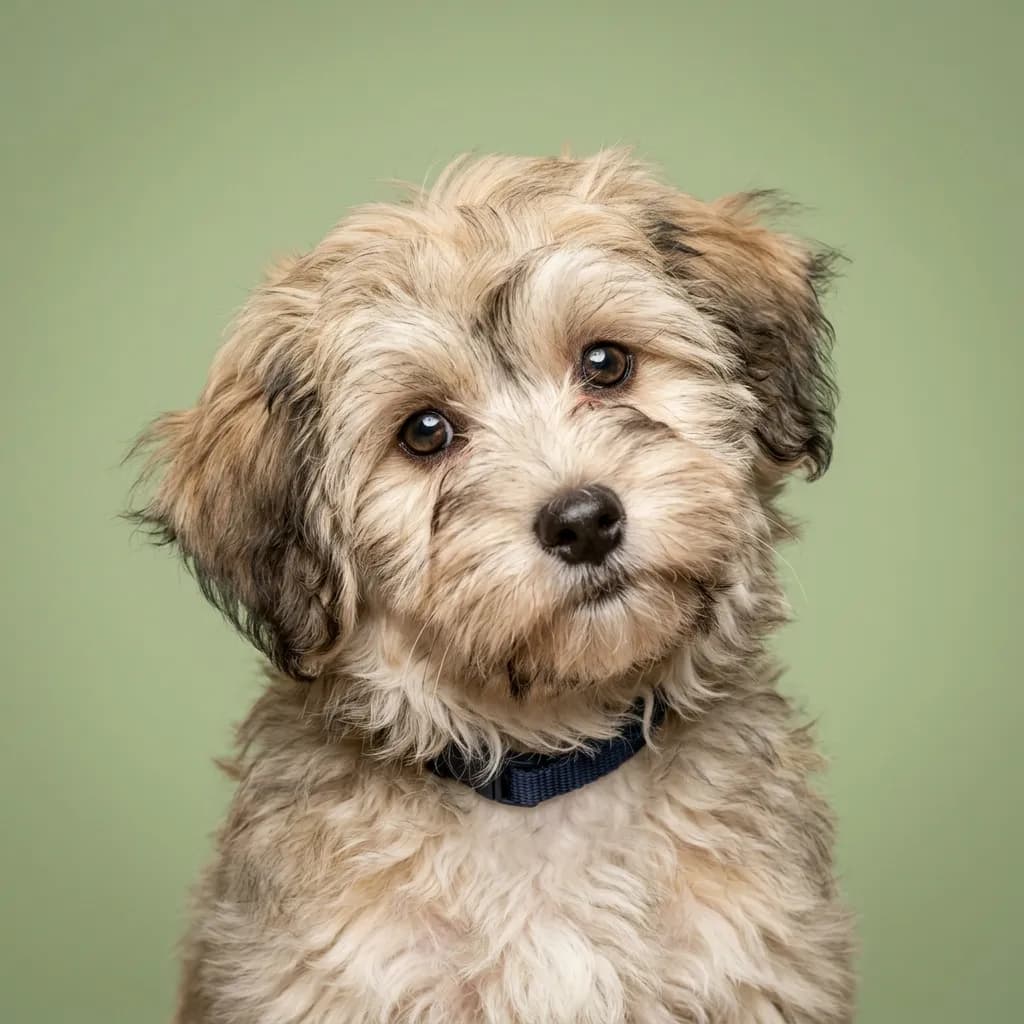
Havanese
Toy Group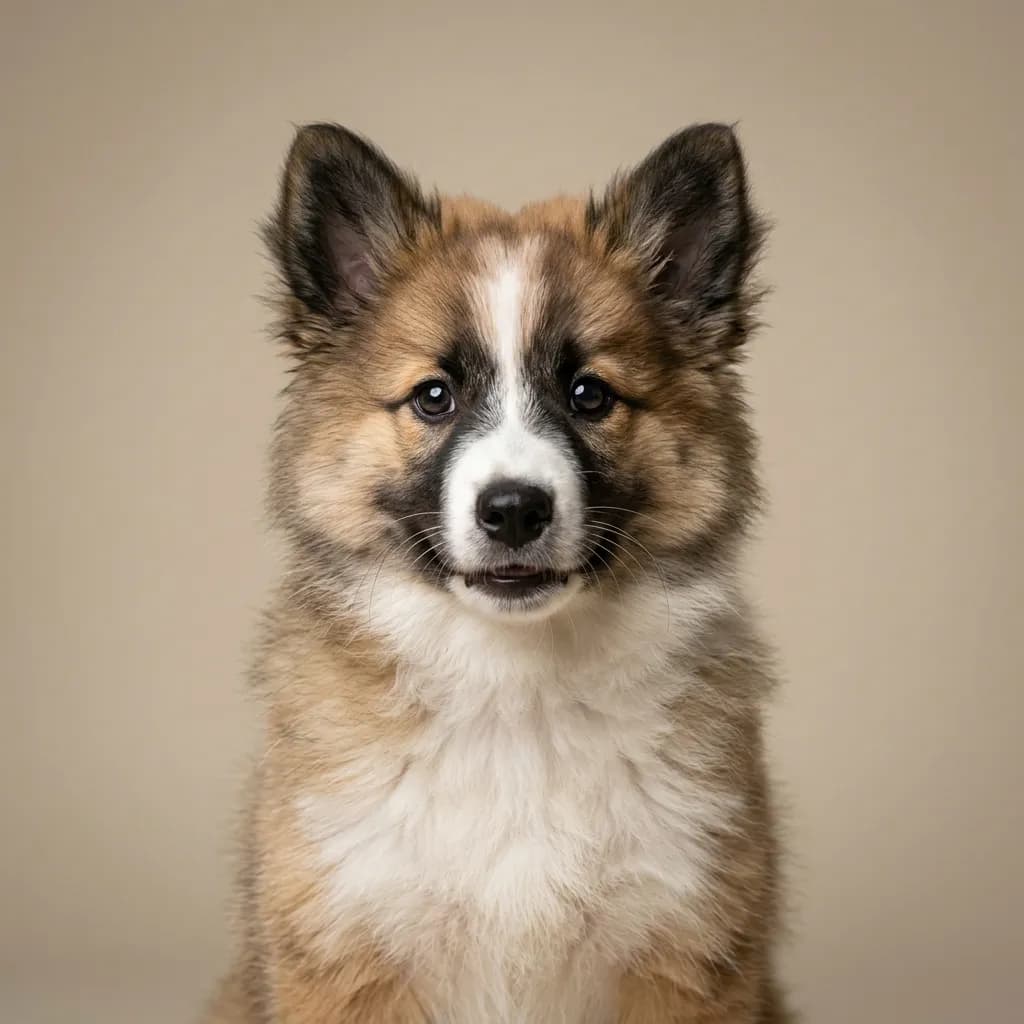
Icelandic Sheepdog
Herding Group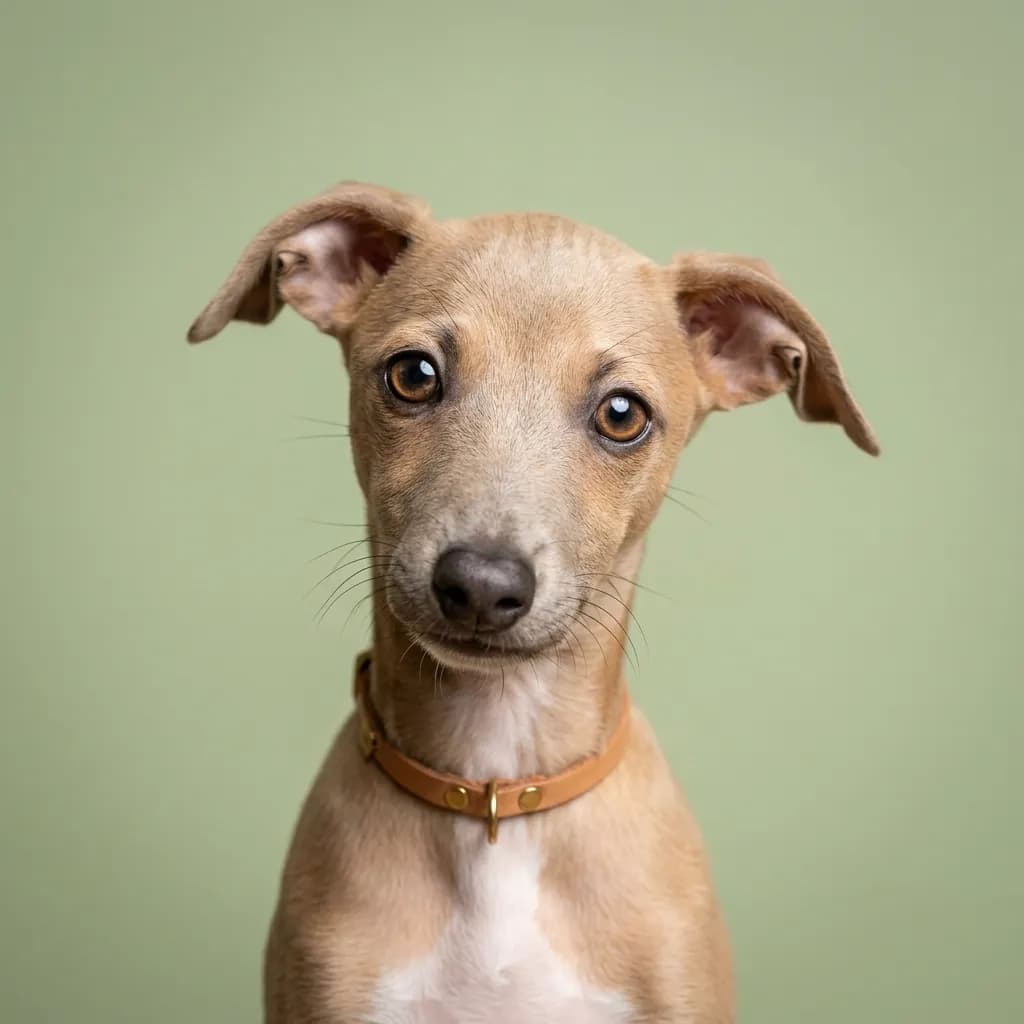
Italian Greyhound
Toy Group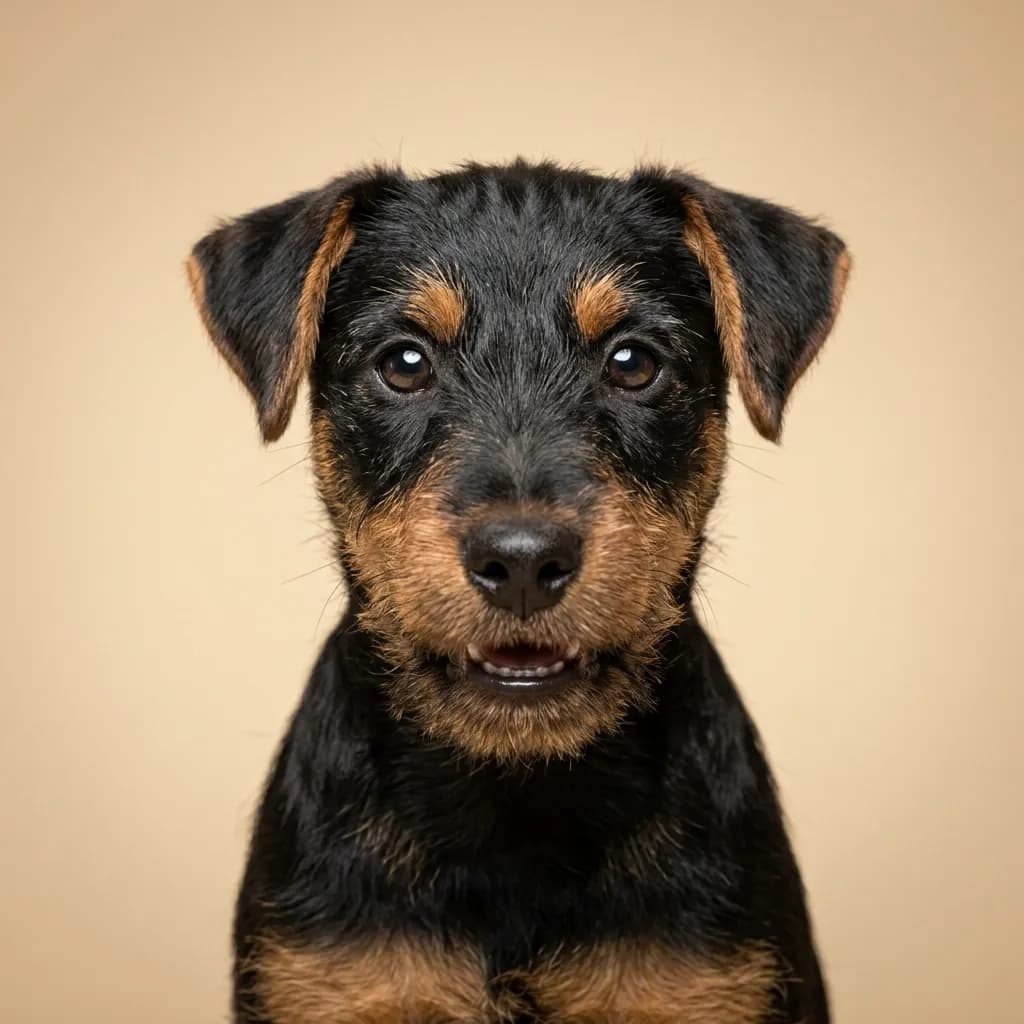
Jagdterrier
Foundation Stock Service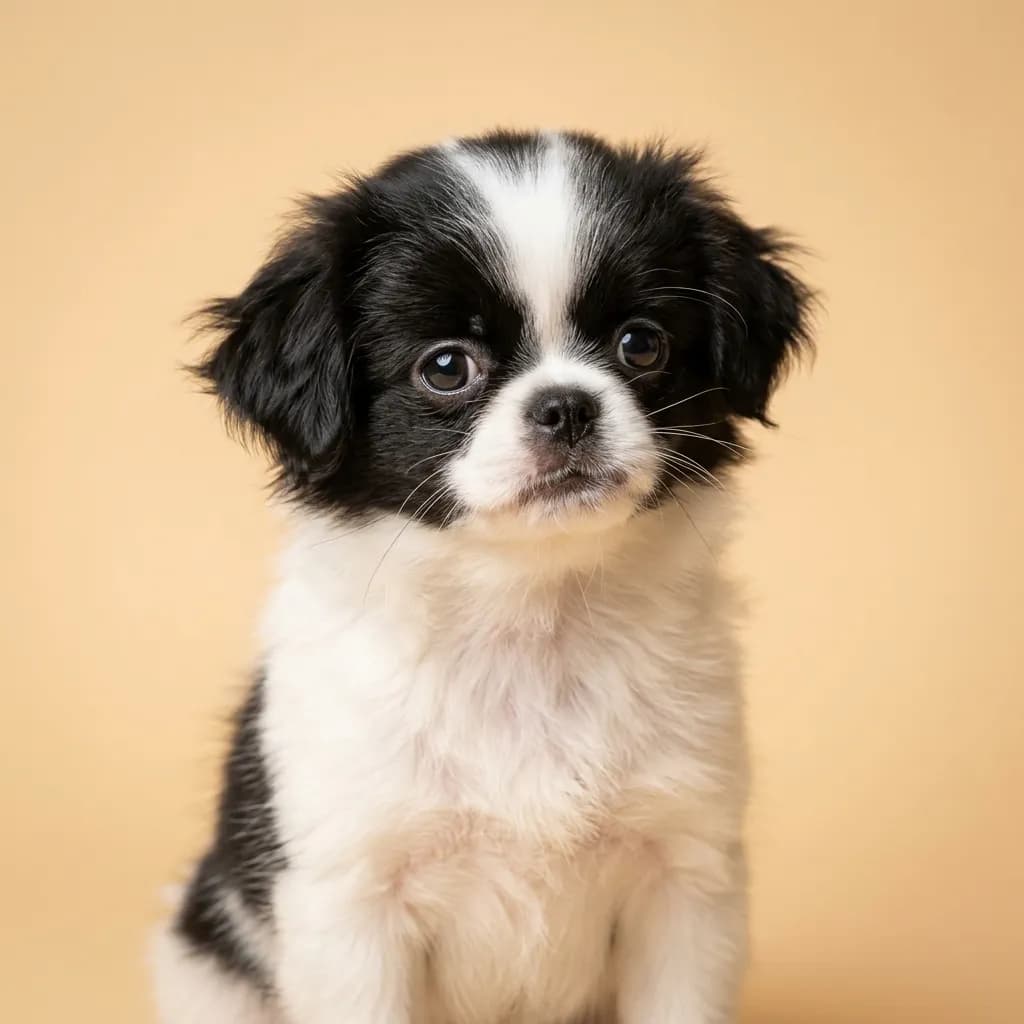
Japanese Chin
Toy Group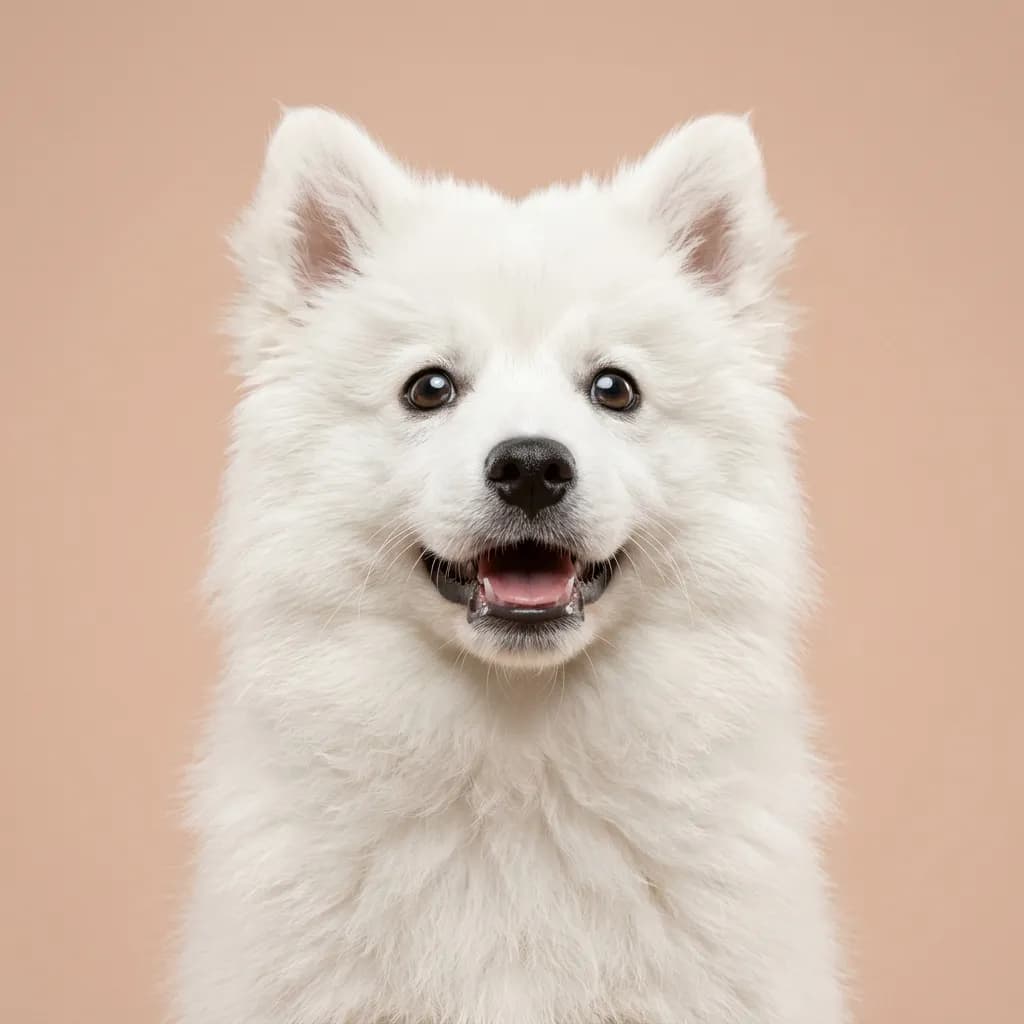
Japanese Spitz
Foundation Stock Service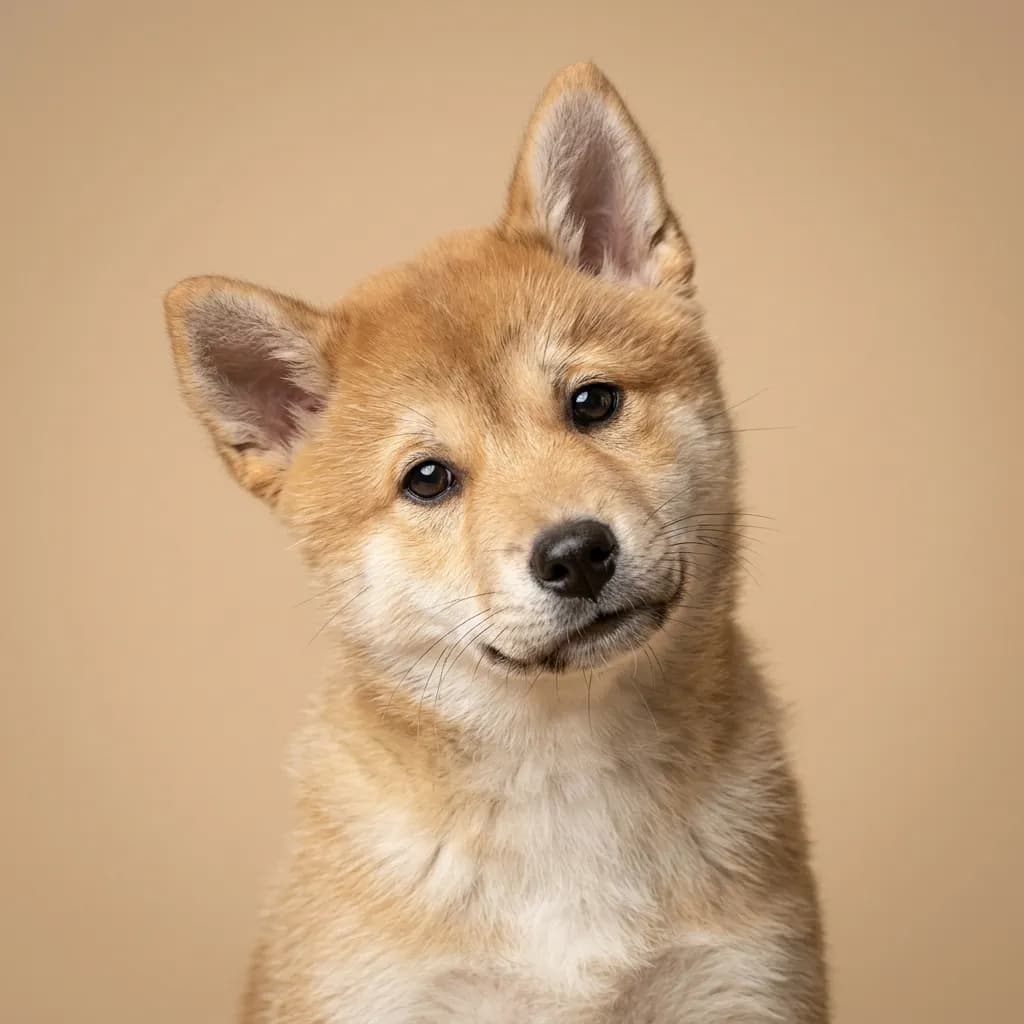
Jindo
Foundation Stock Service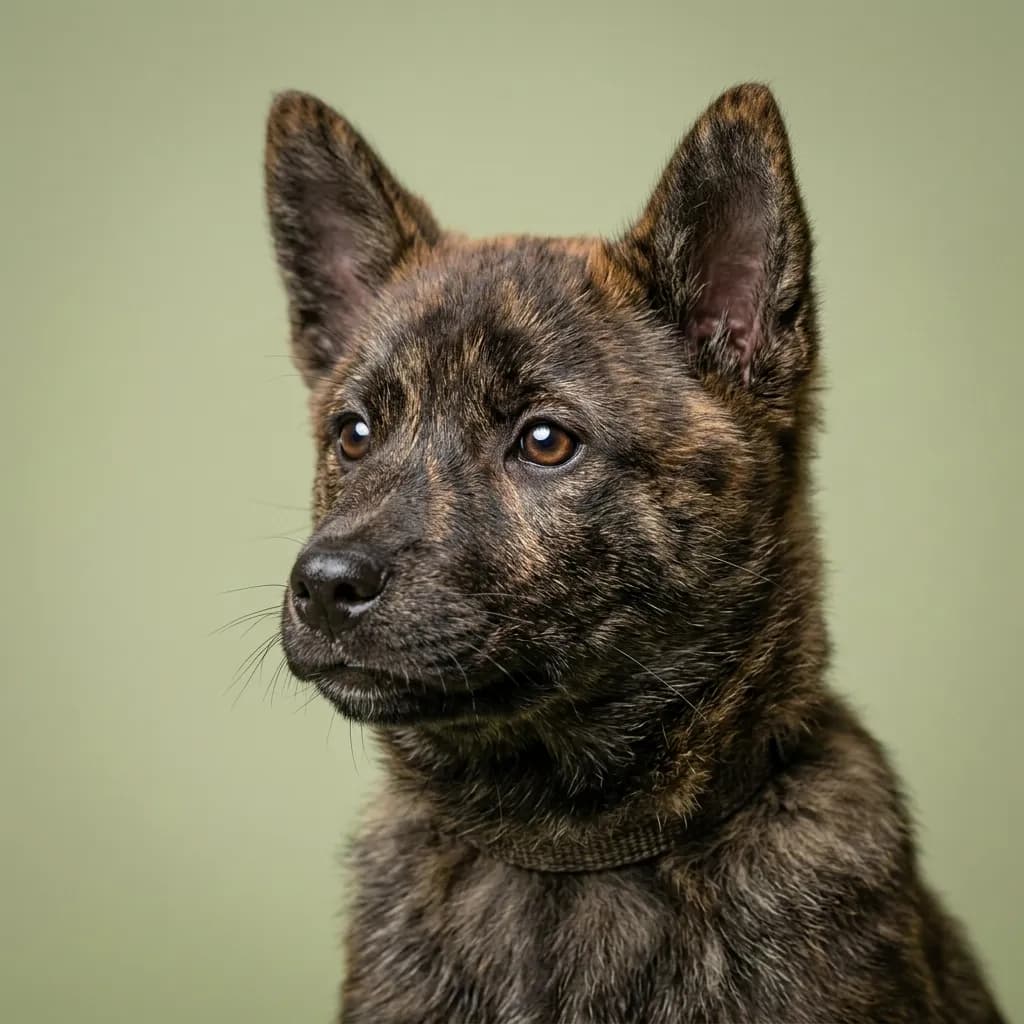
Kai Ken
Foundation Stock Service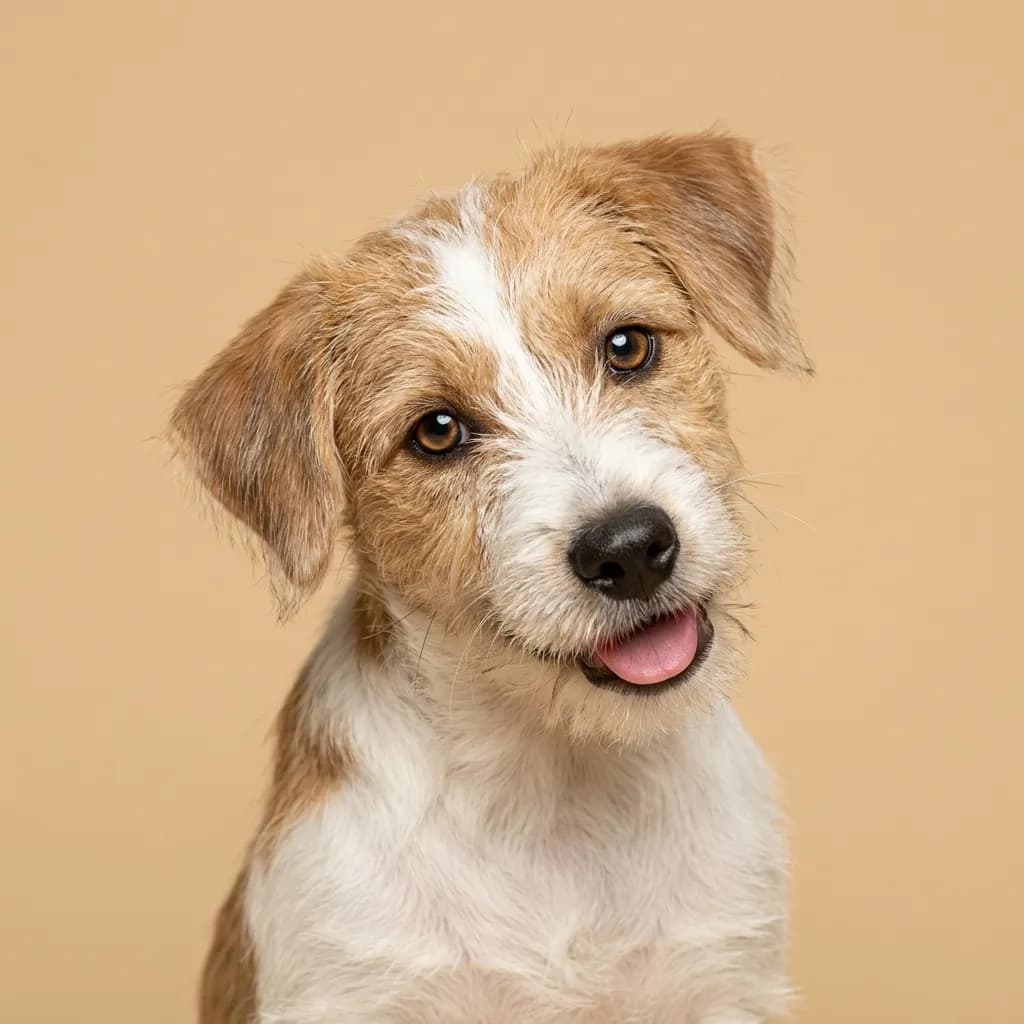
Kromfohrlander
Foundation Stock Service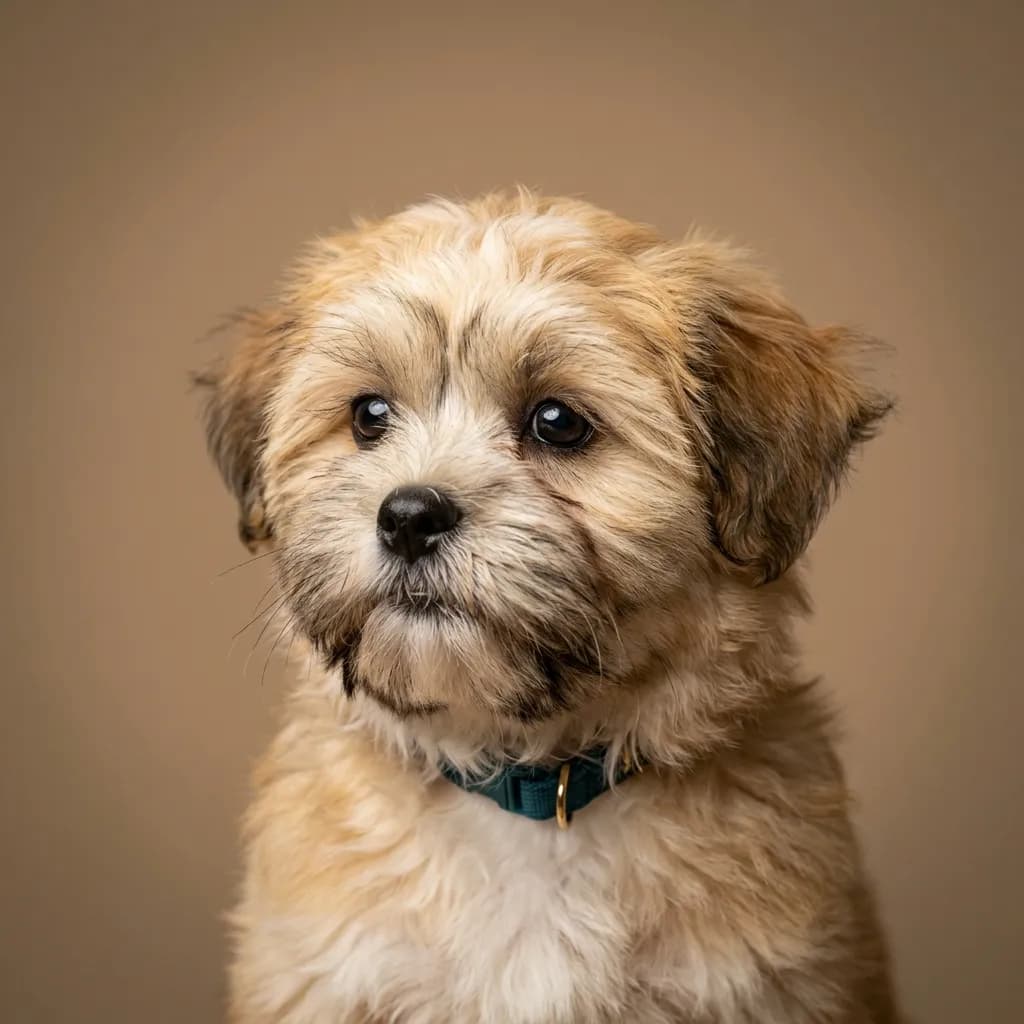
Lhasa Apso
Non-Sporting Group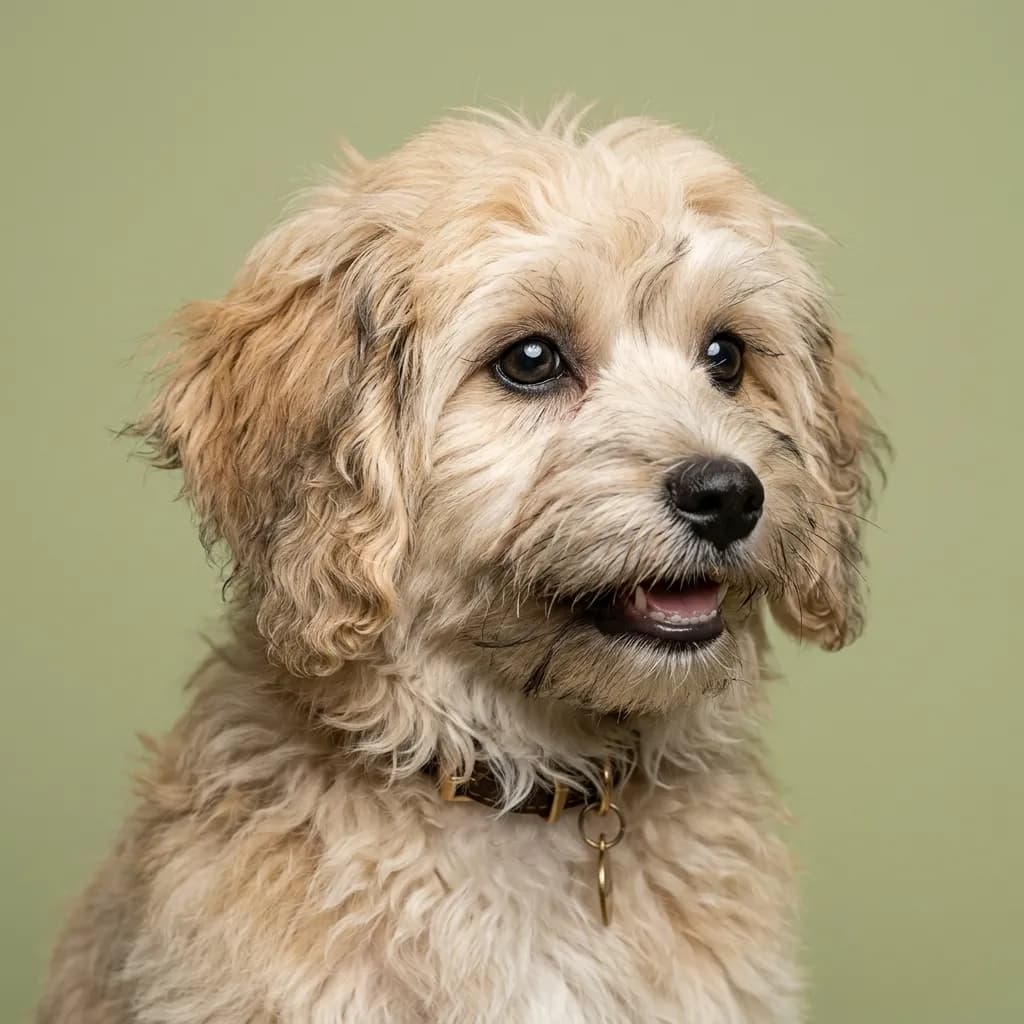
Löwchen
Non-Sporting Group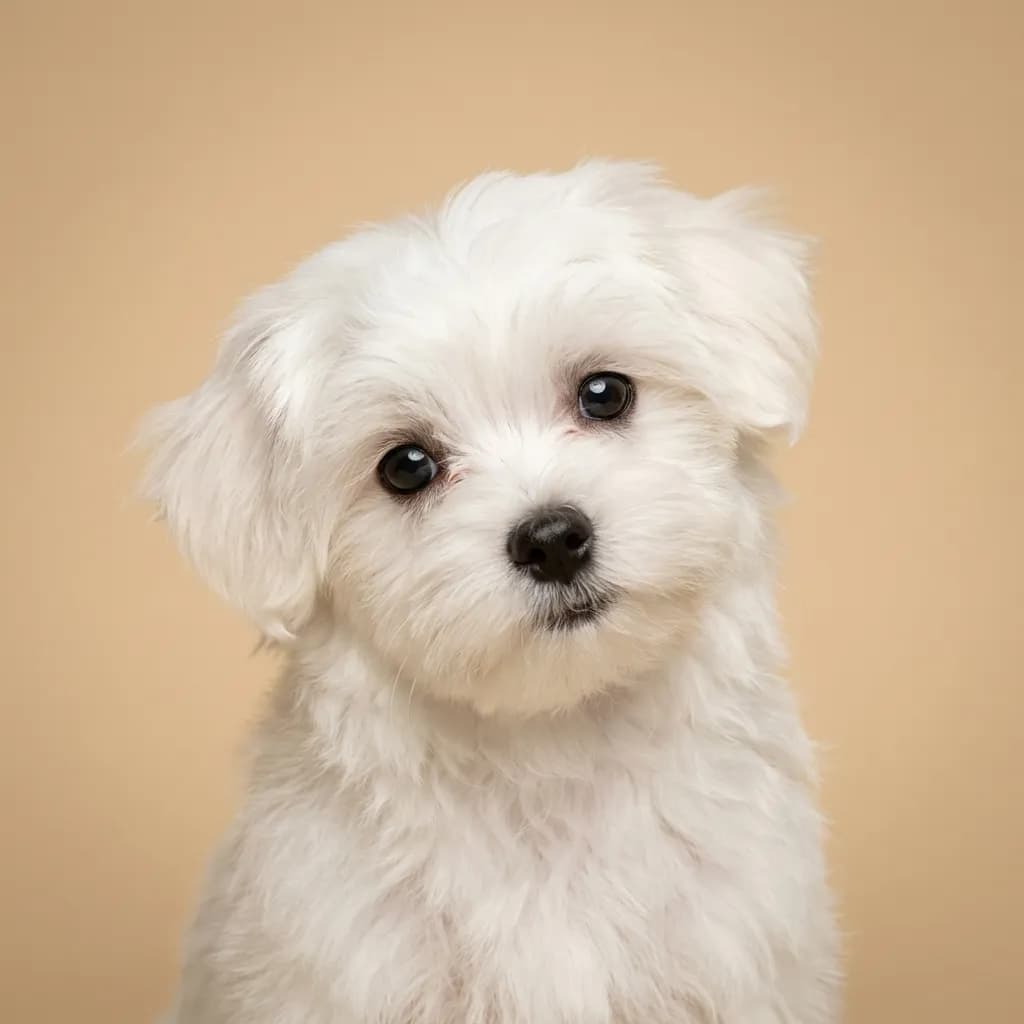
Maltese
Toy Group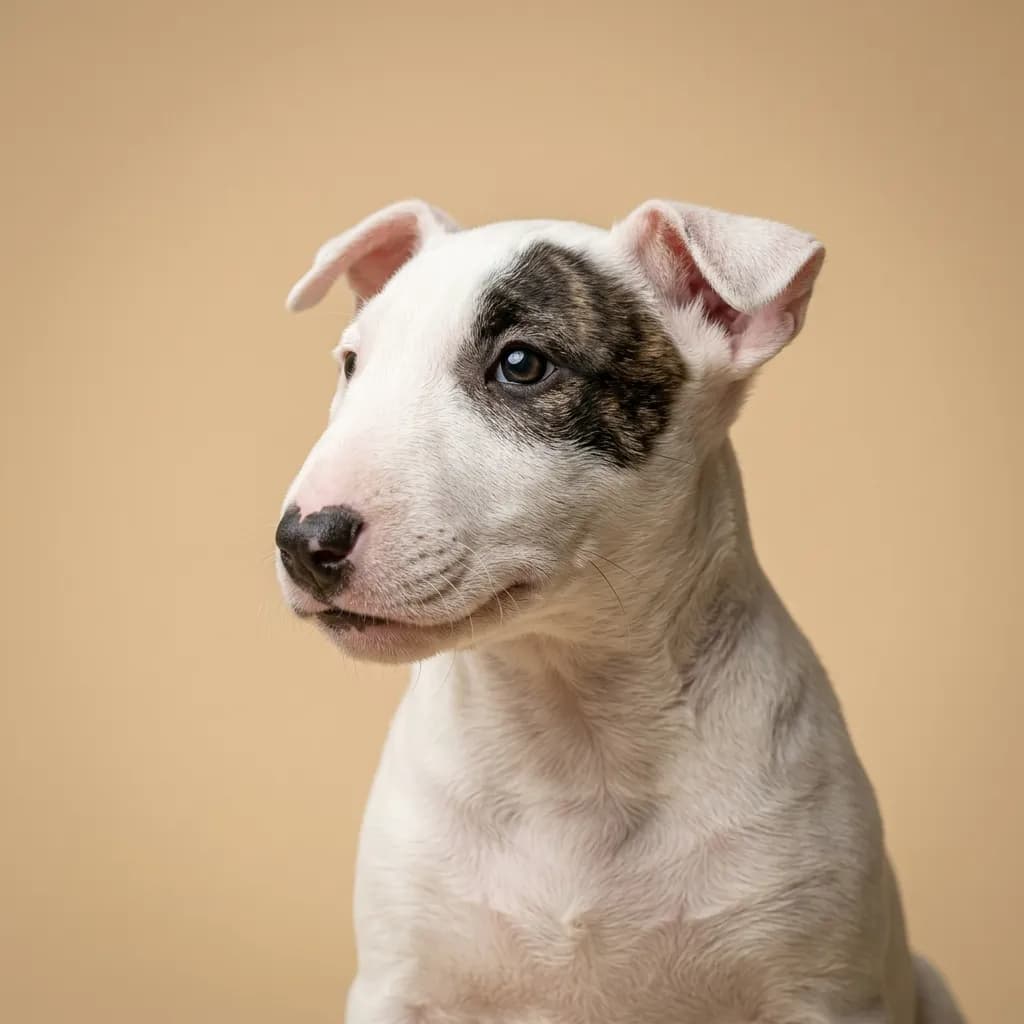
Miniature Bull Terrier
Terrier Group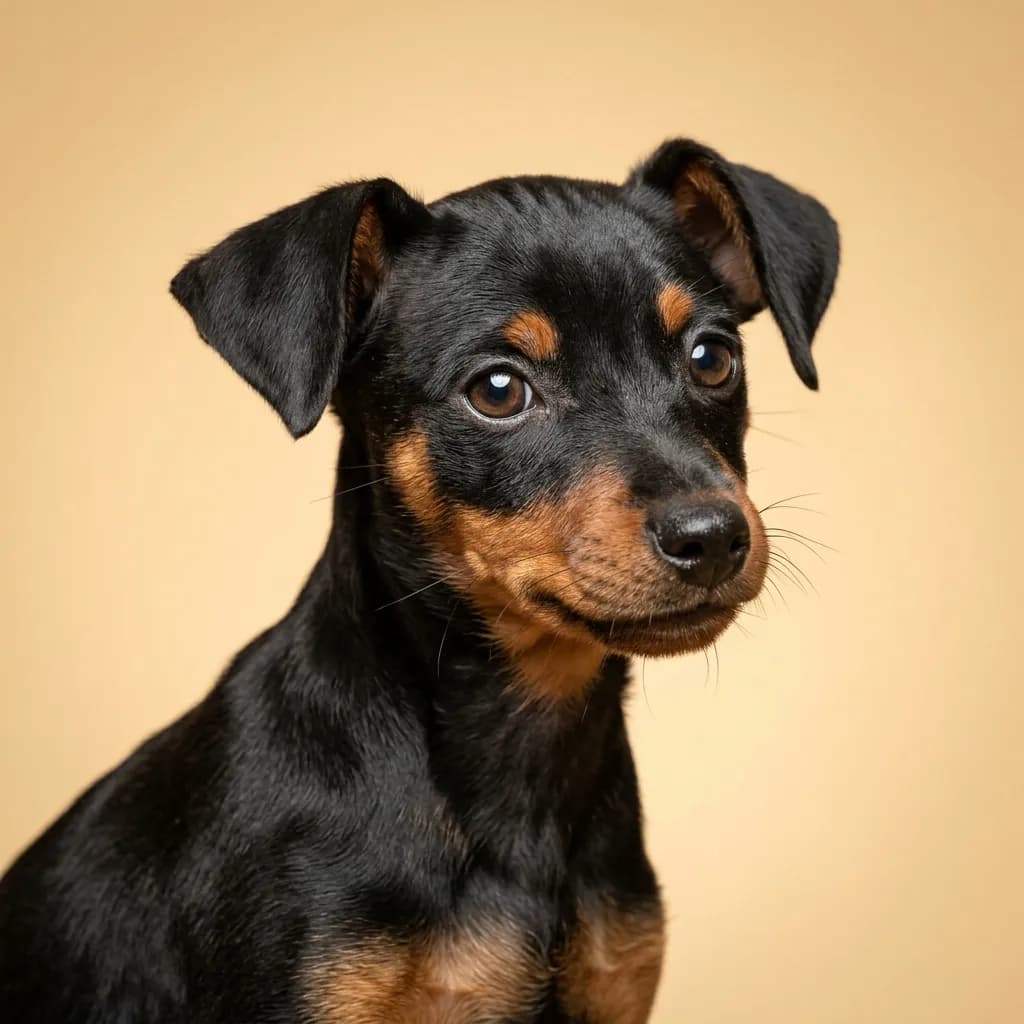
Miniature Pinscher
Toy Group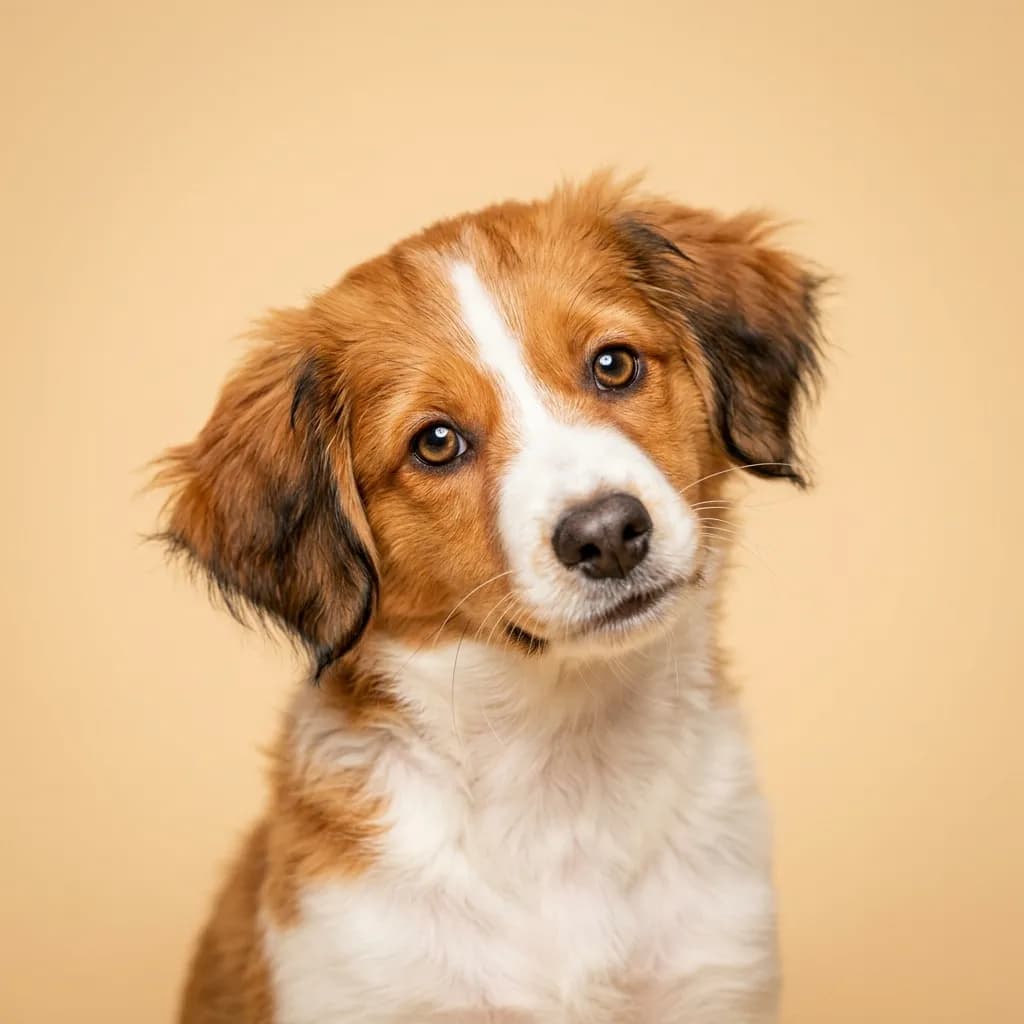
Nederlandse Kooikerhondje
Sporting Group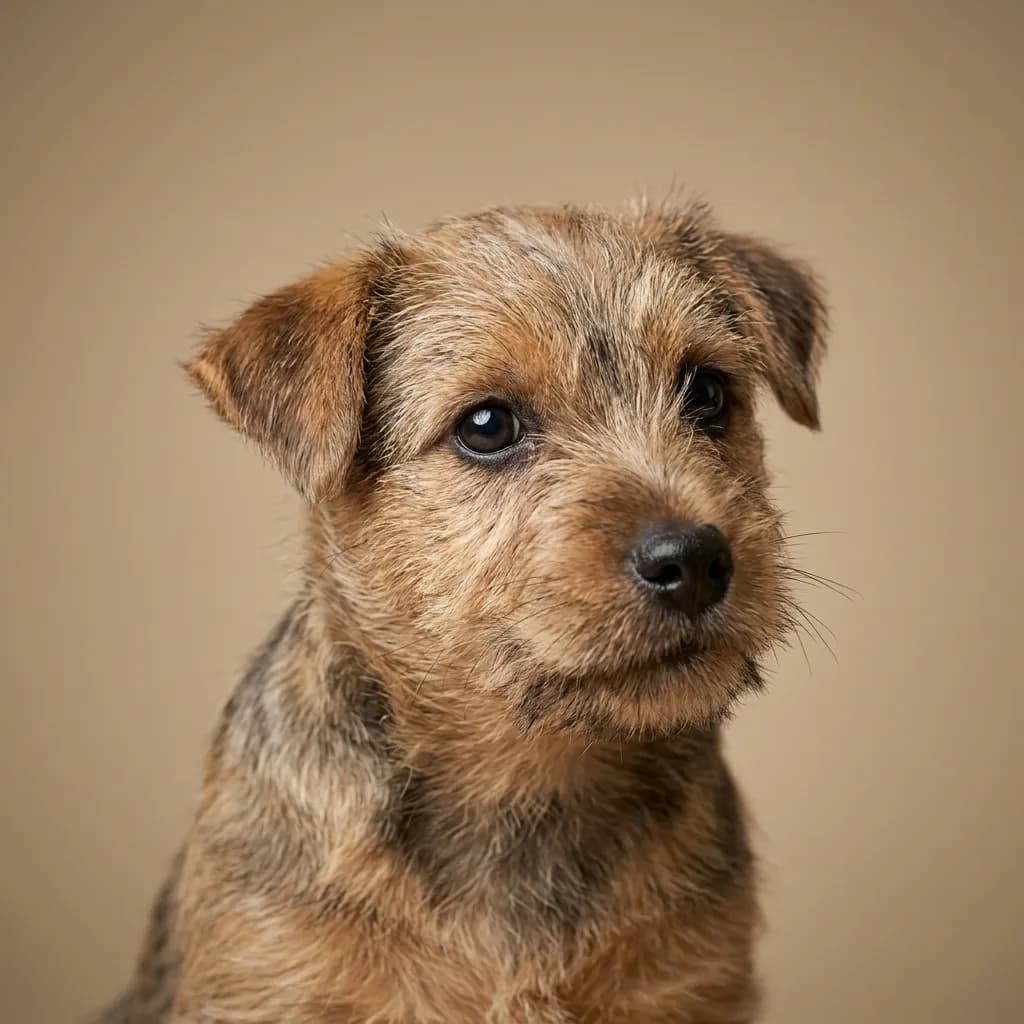
Norfolk Terrier
Terrier Group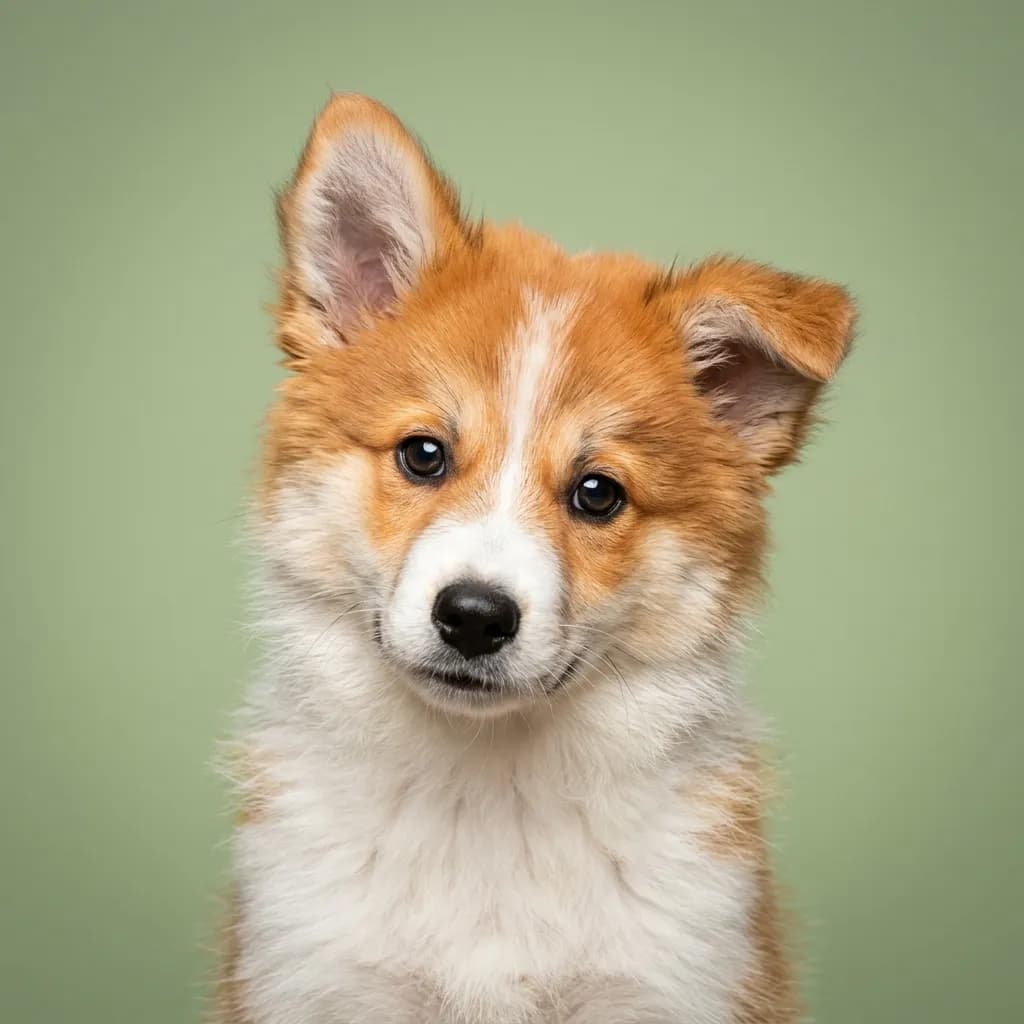
Norrbottenspets
Miscellaneous Class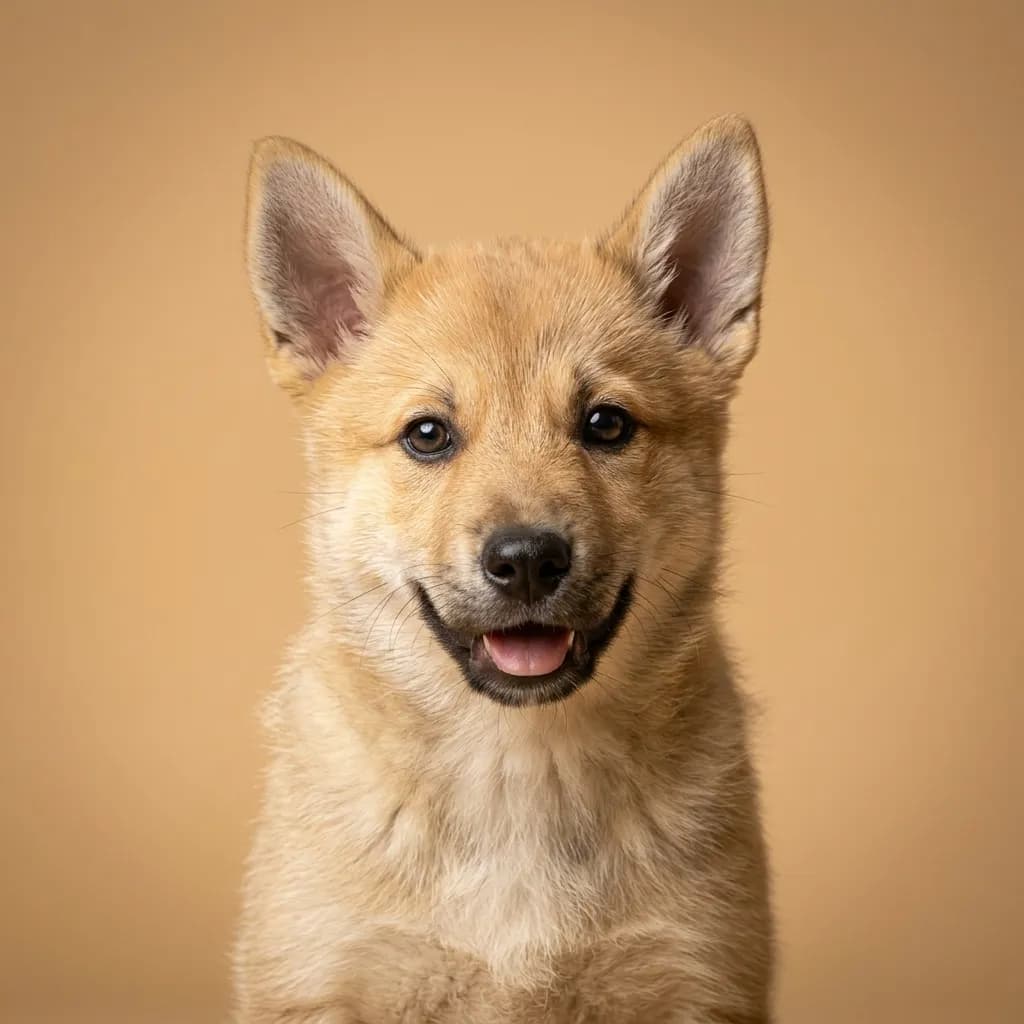
Norwegian Buhund
Herding Group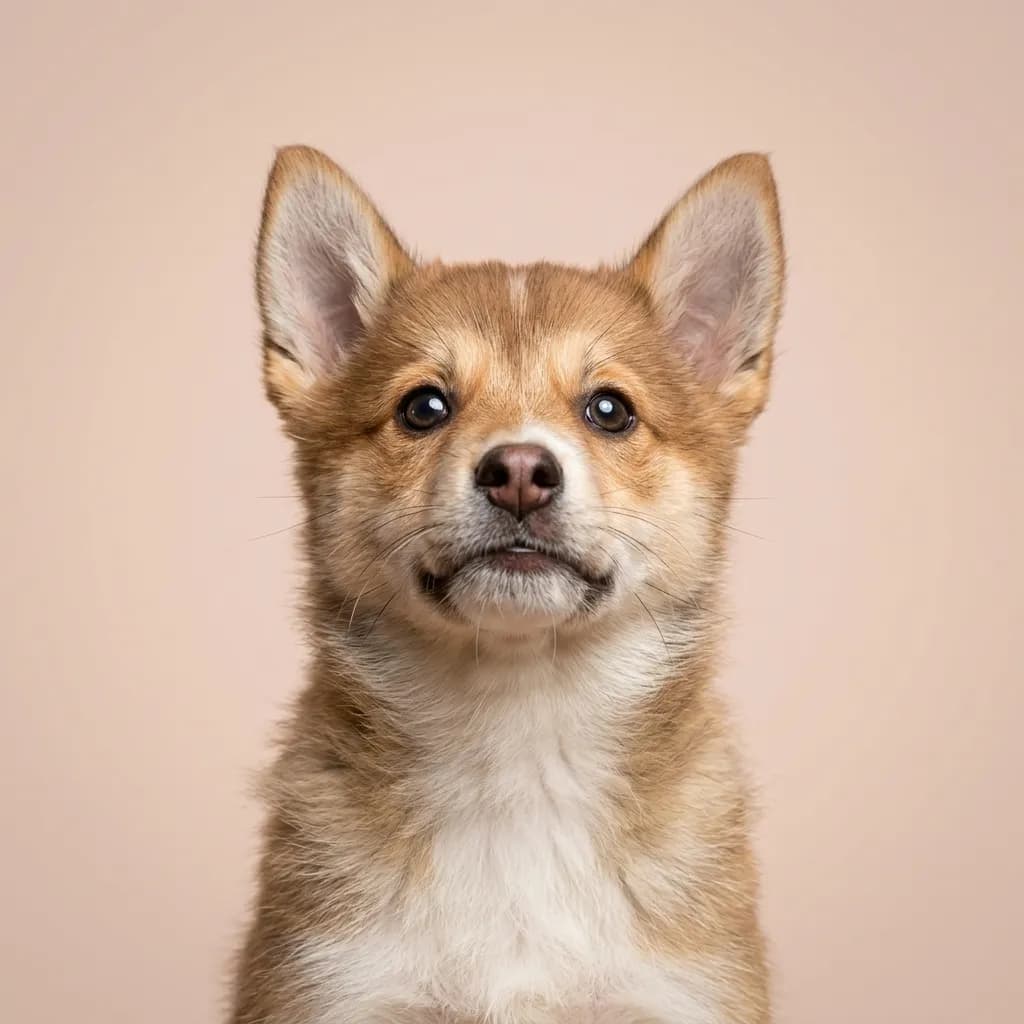
Norwegian Lundehund
Non-Sporting Group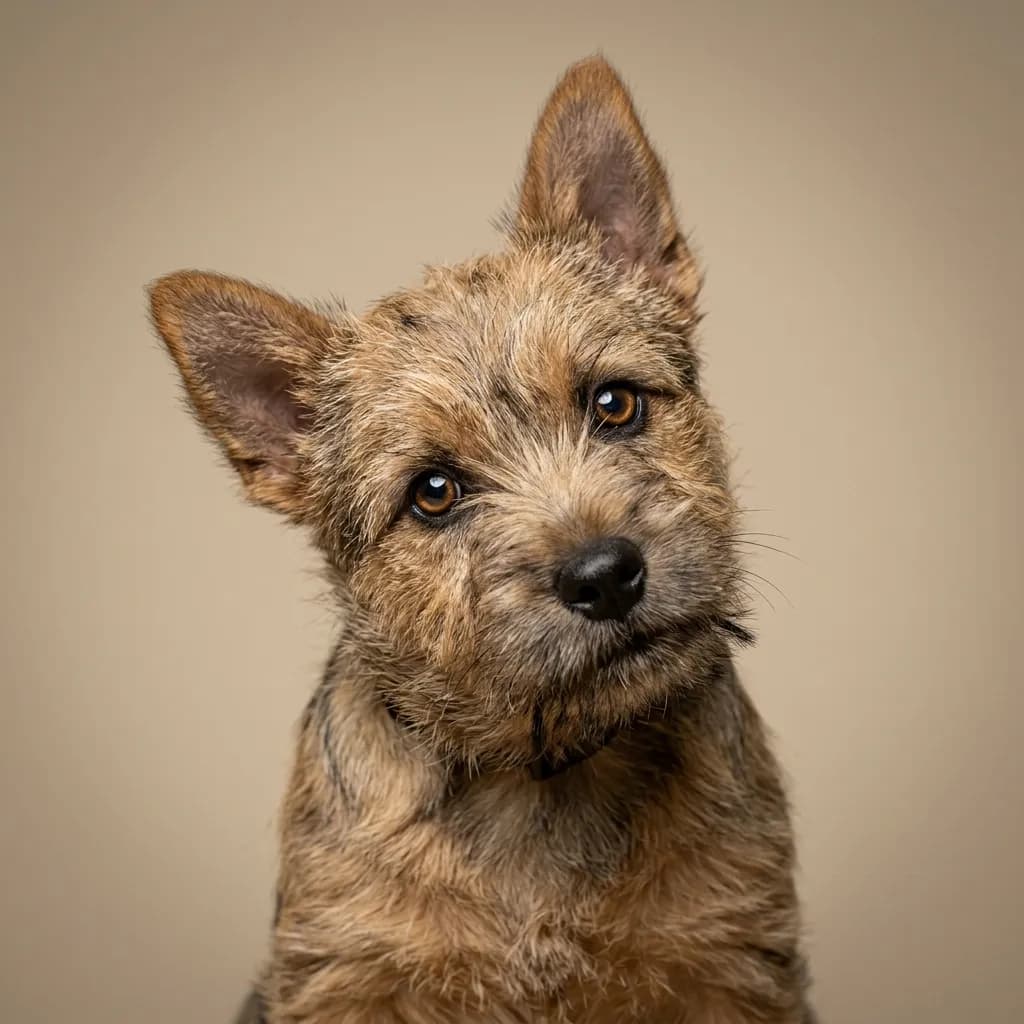
Norwich Terrier
Terrier Group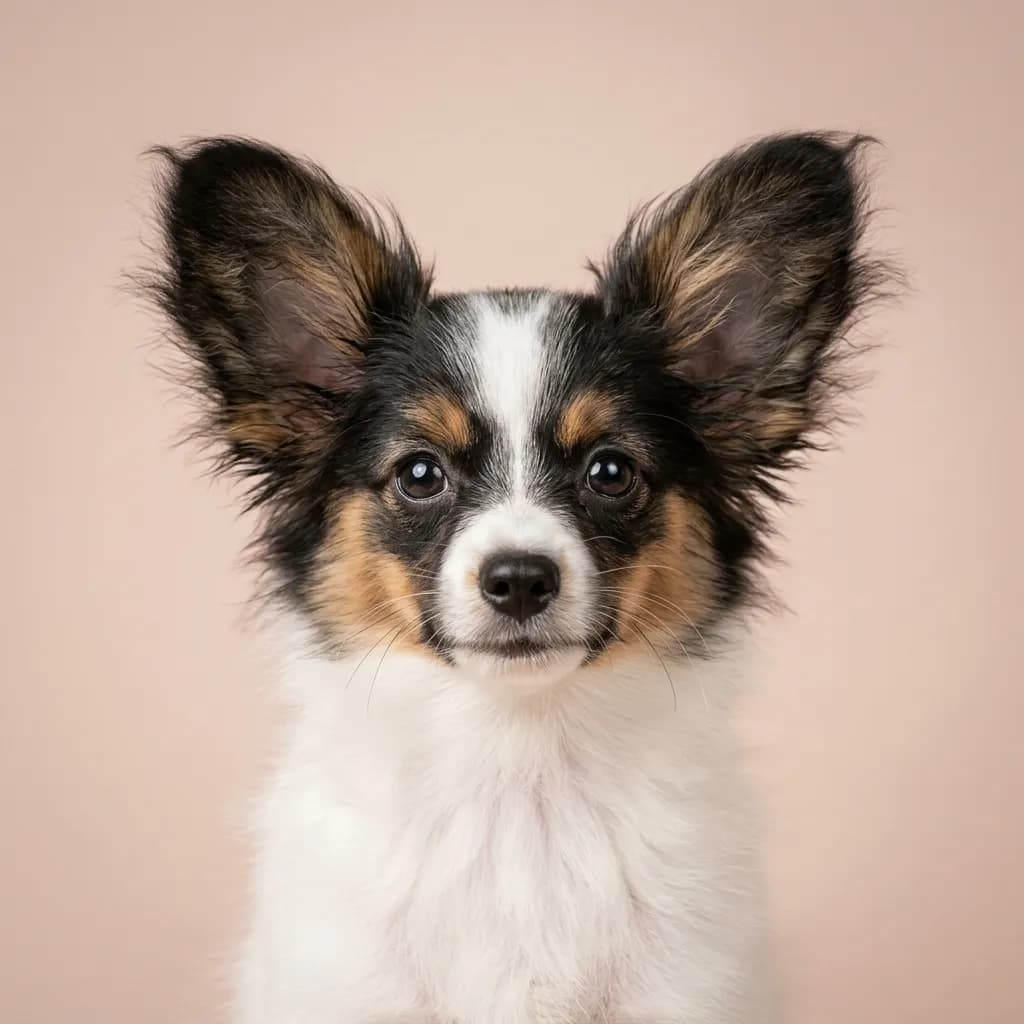
Papillon
Toy Group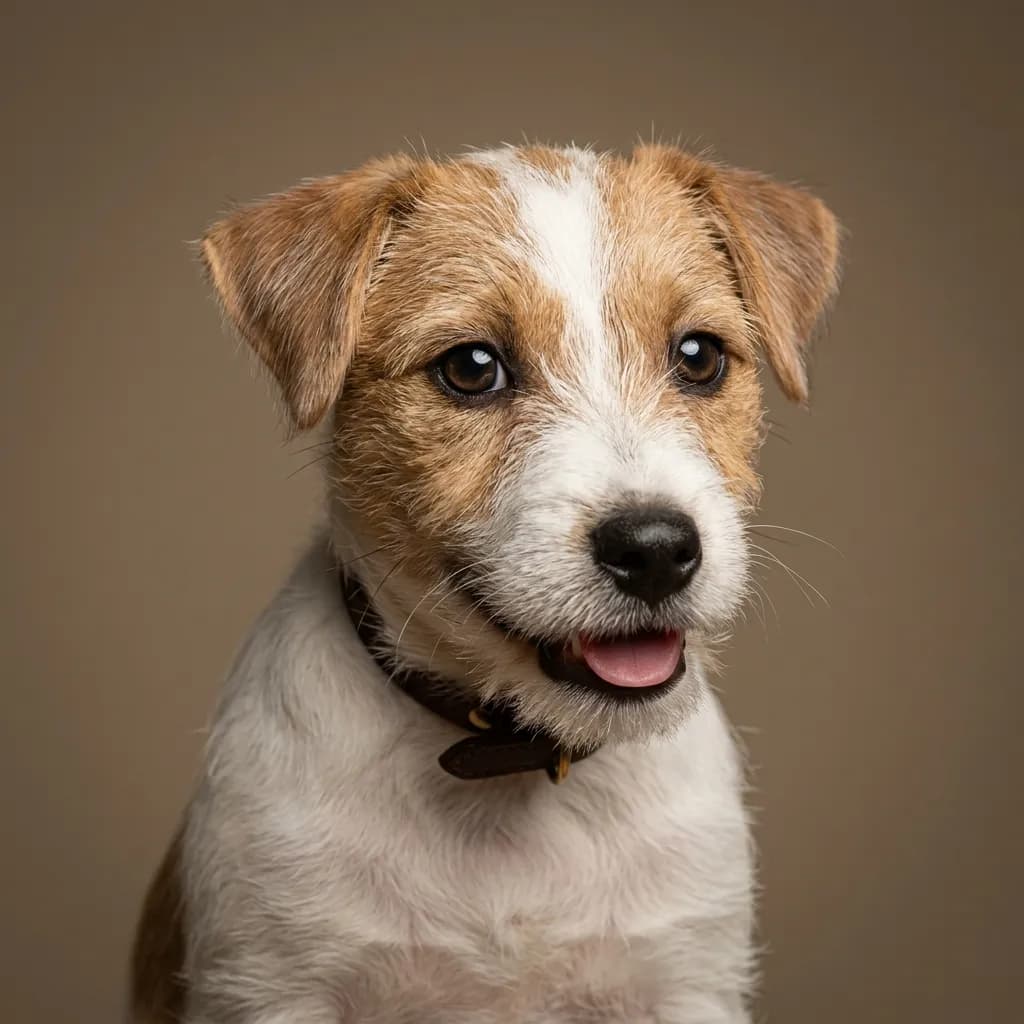
Parson Russell Terrier
Terrier Group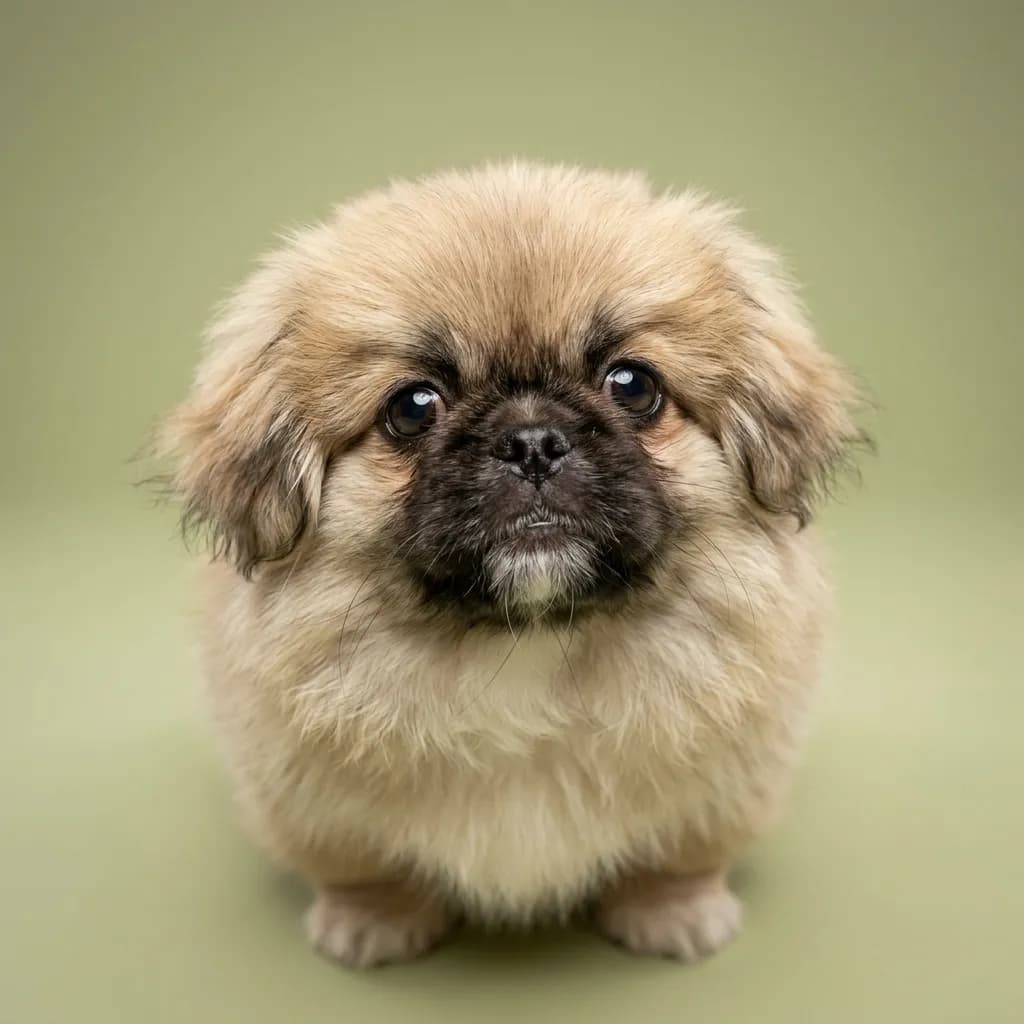
Pekingese
Toy Group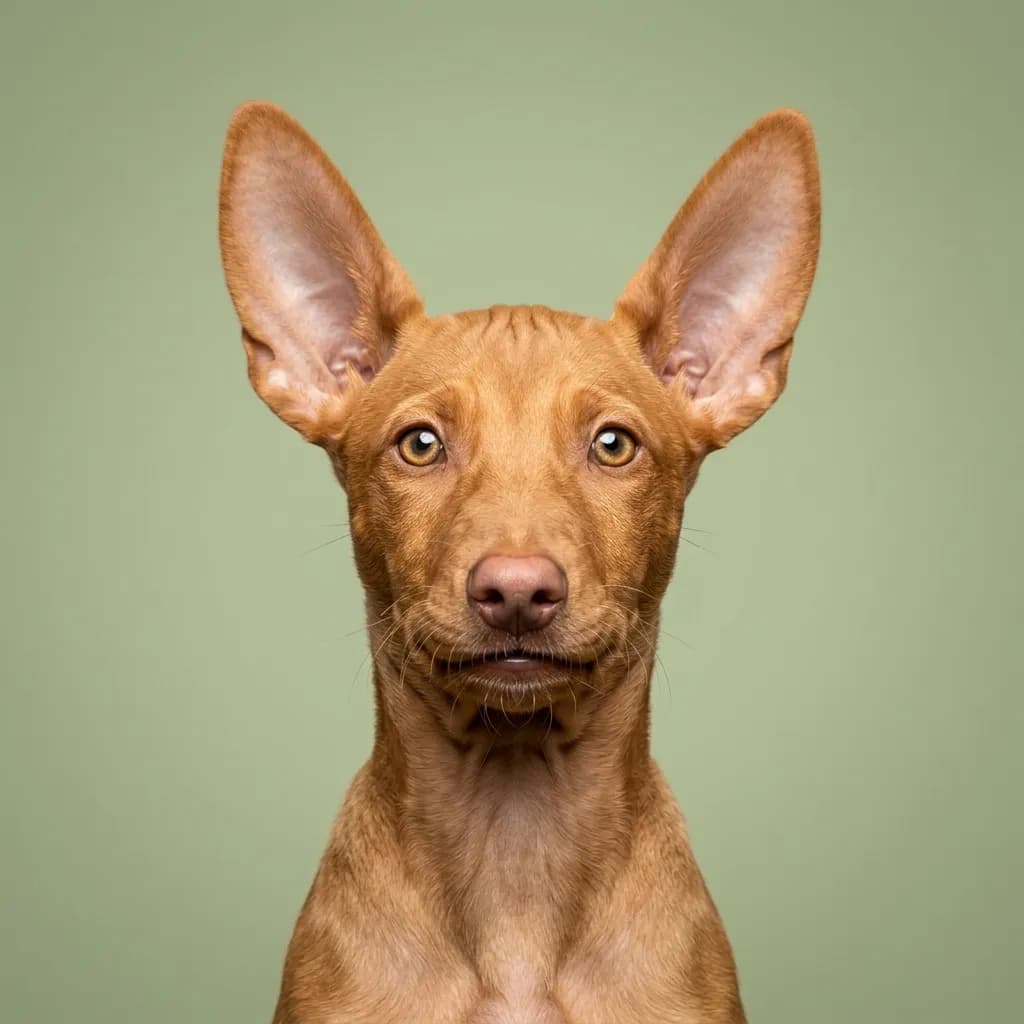
Pharaoh Hound
Hound Group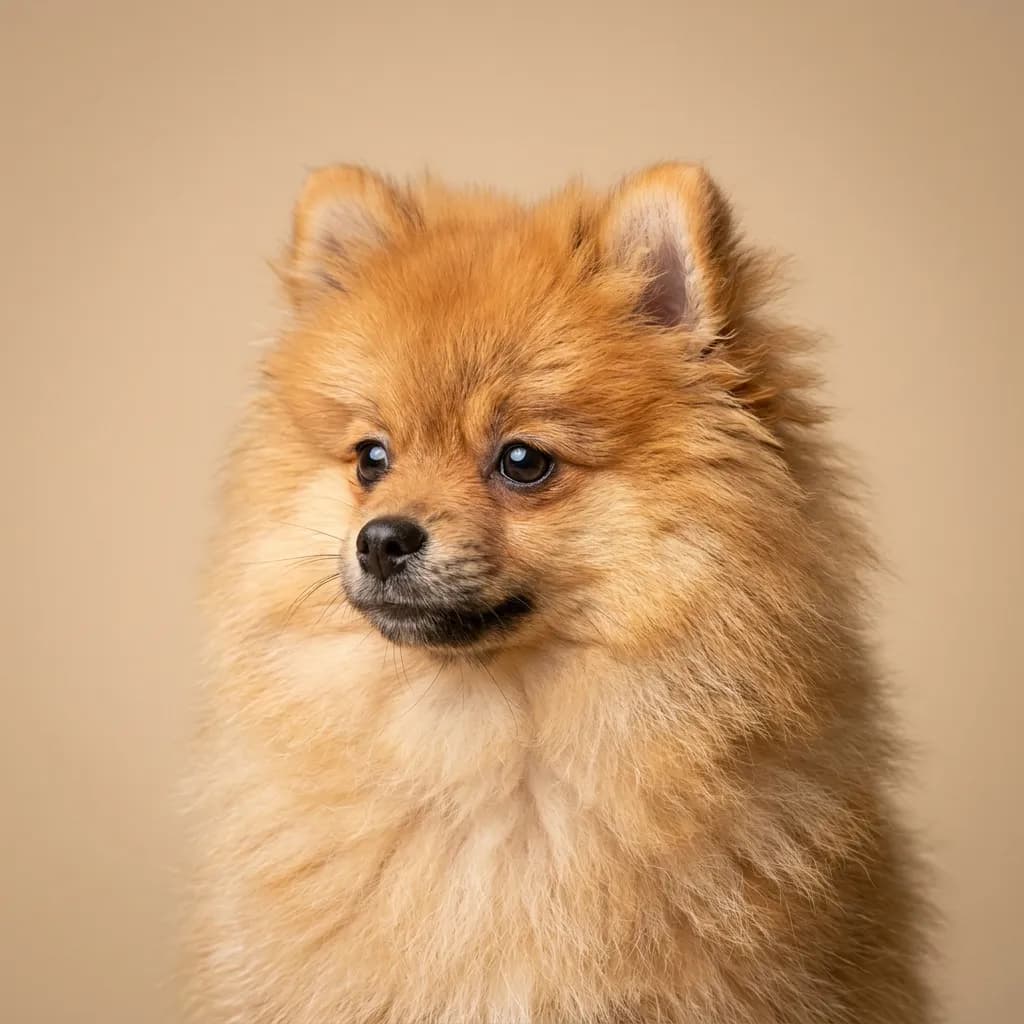
Pomeranian
Toy Group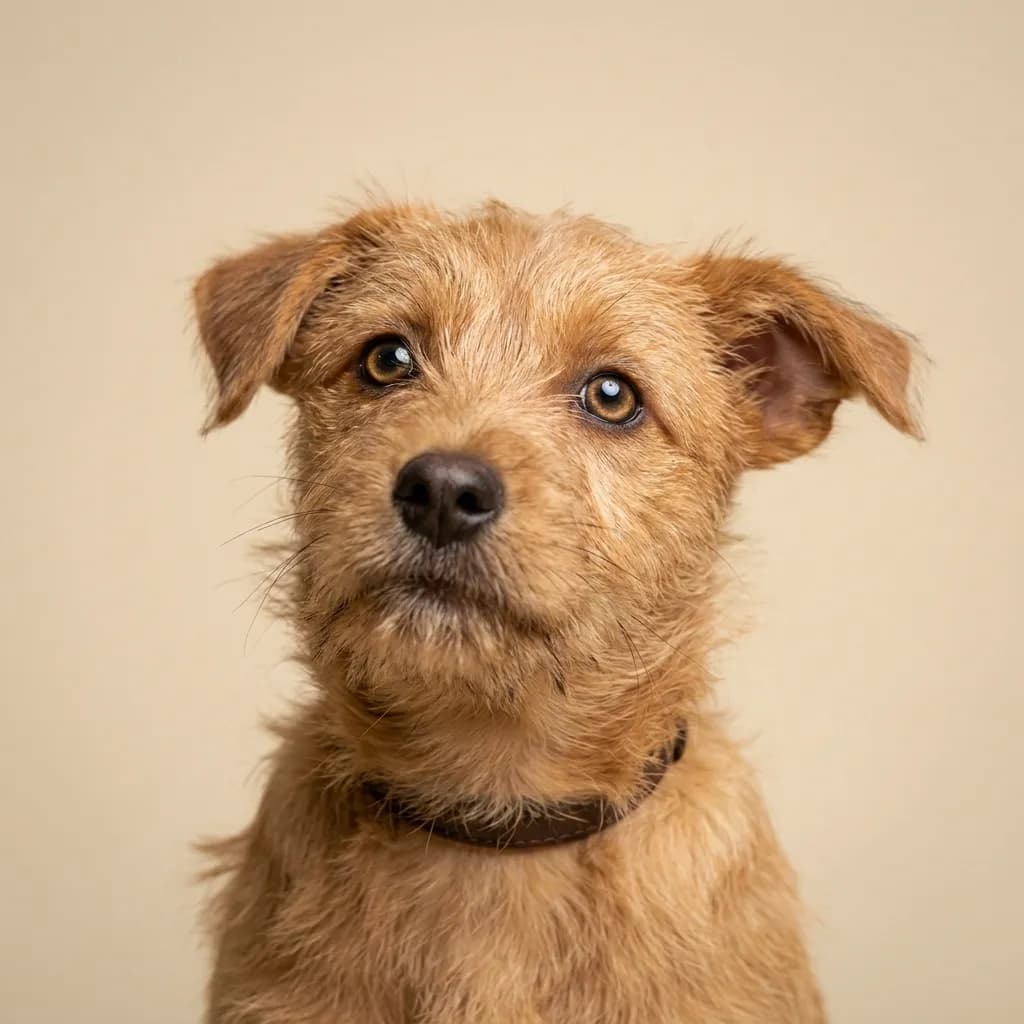
Portuguese Podengo
Miscellaneous Class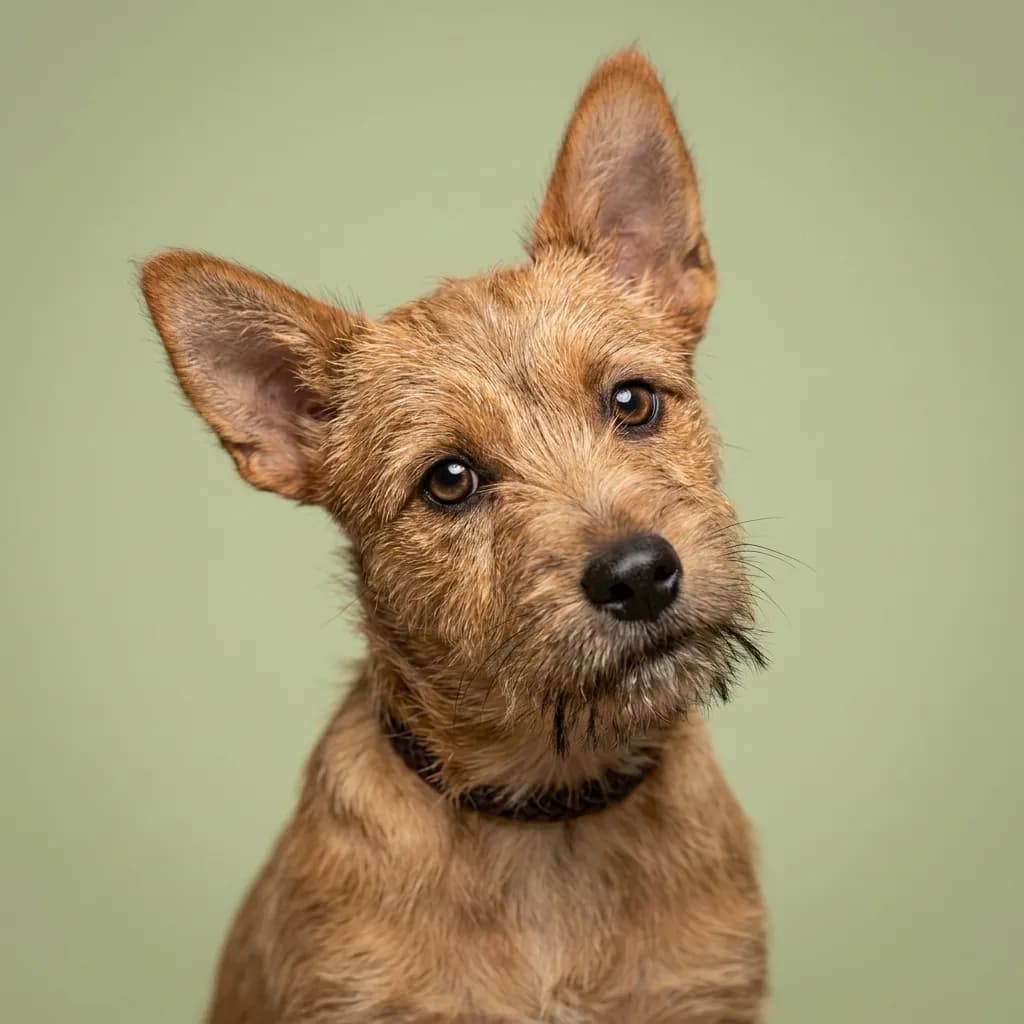
Portuguese Podengo Pequeno
Hound Group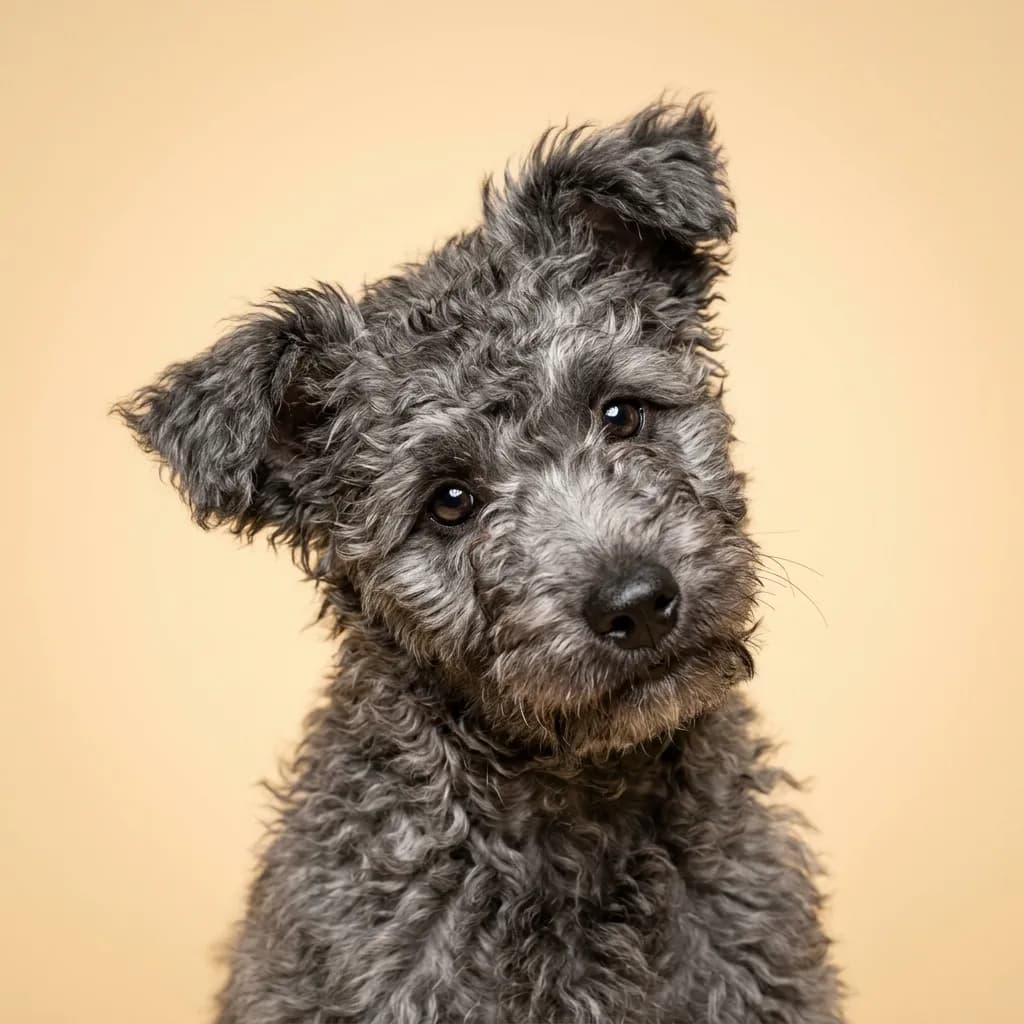
Pumi
Herding Group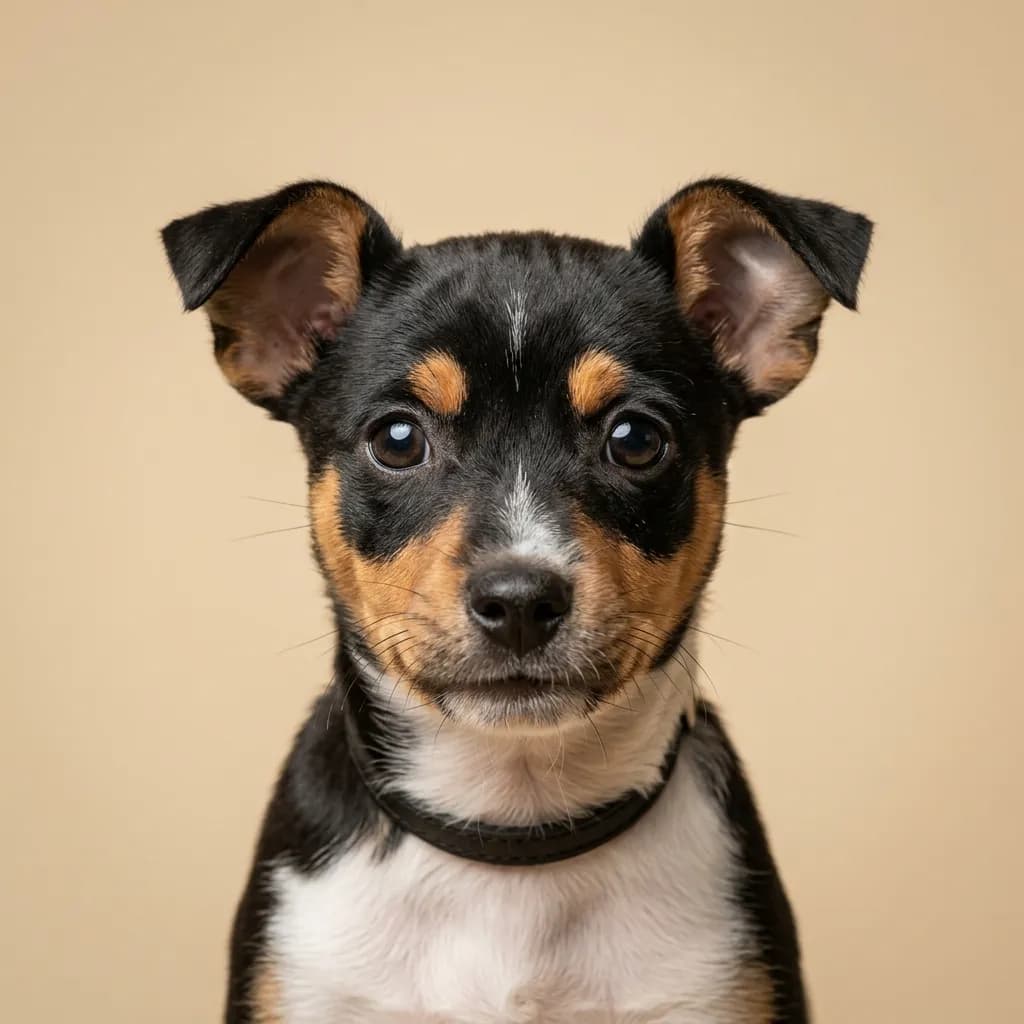
Rat Terrier
Terrier Group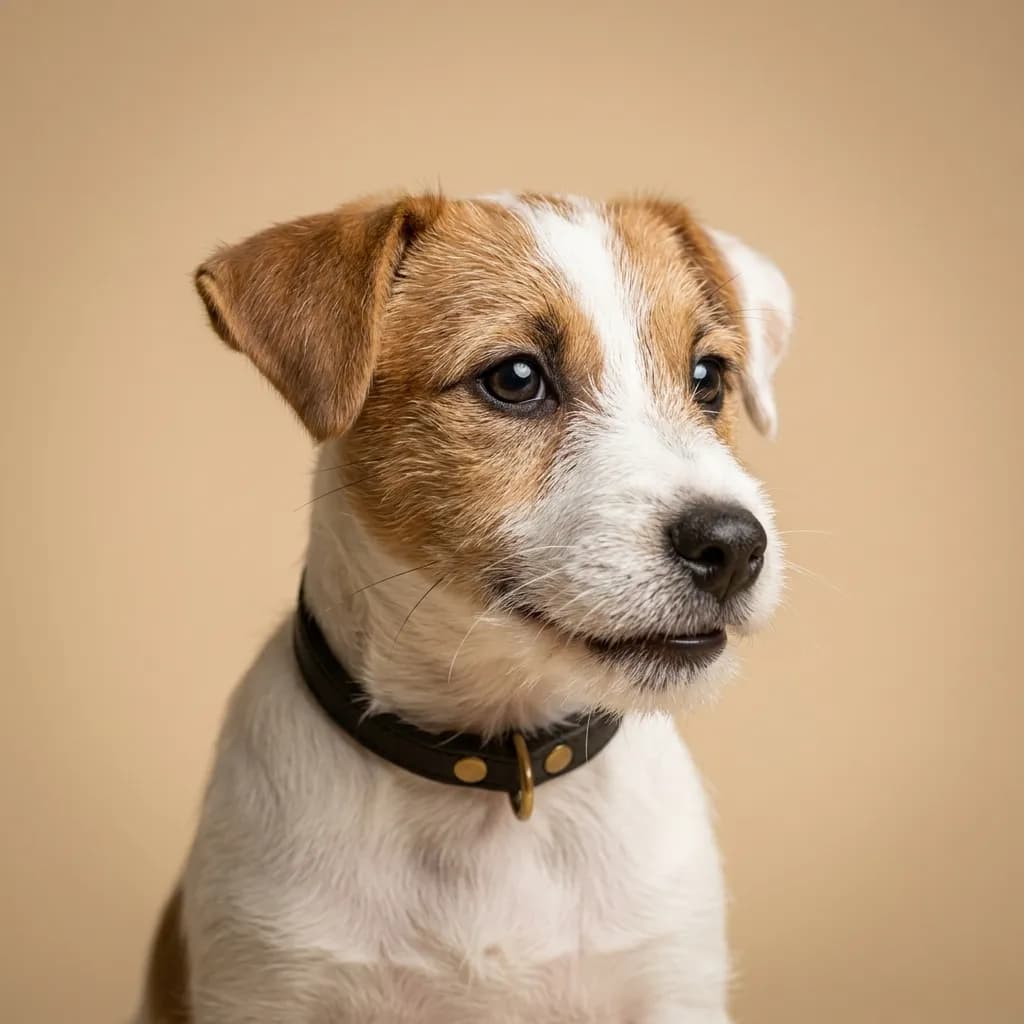
Russell Terrier
Terrier Group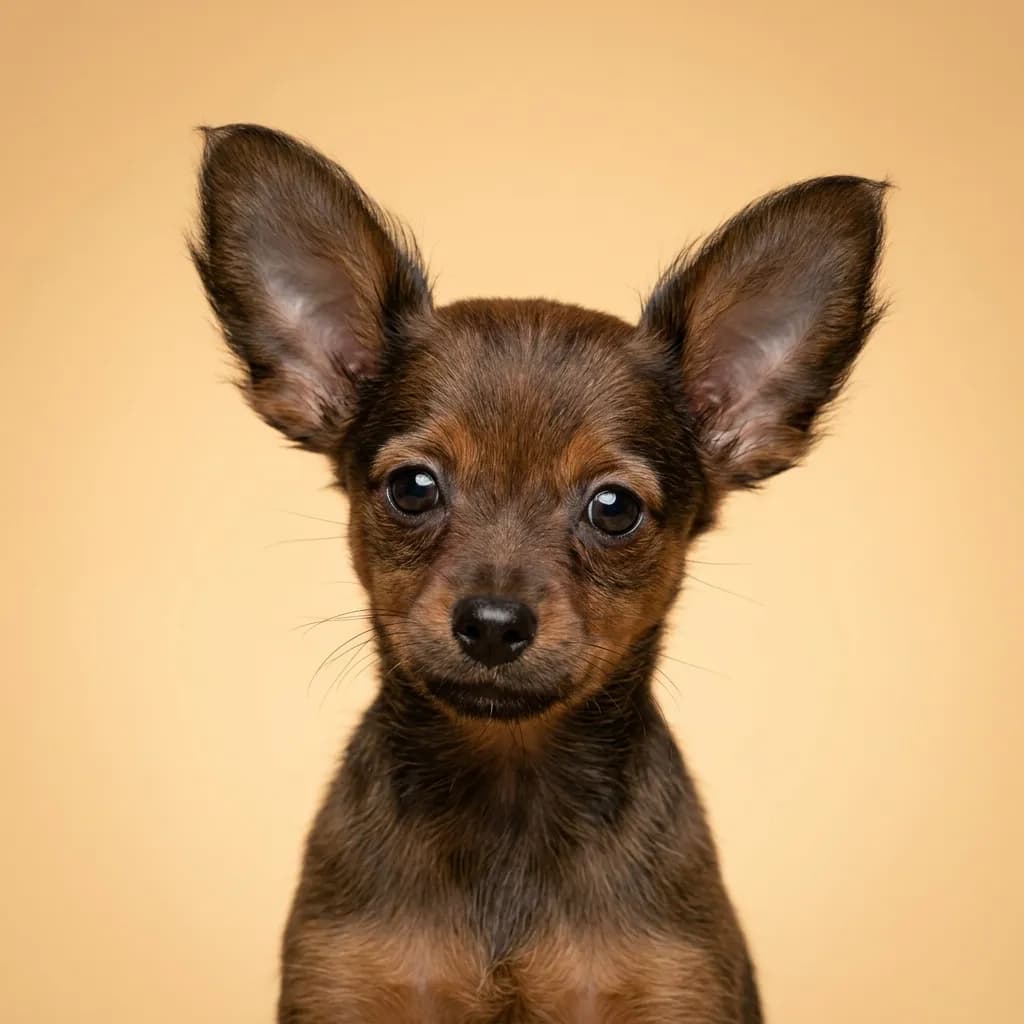
Russian Toy
Miscellaneous Class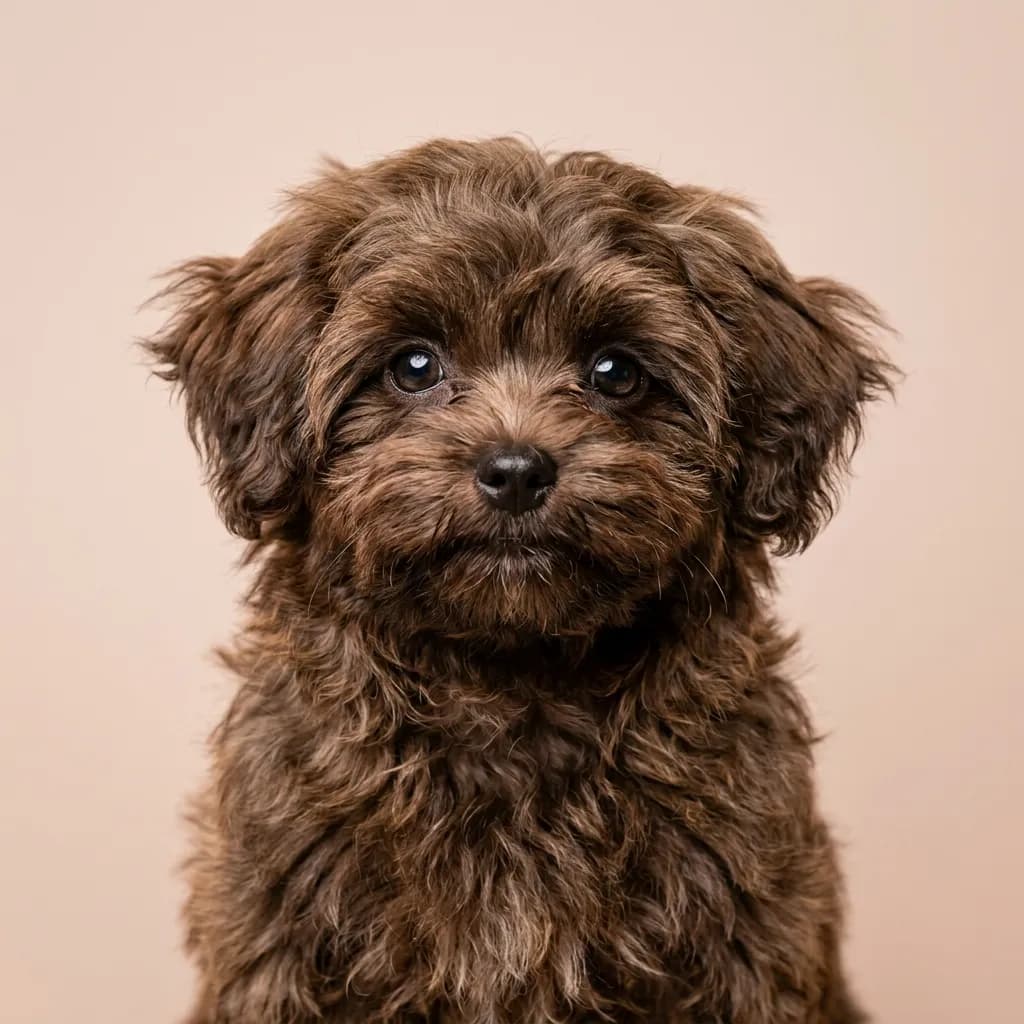
Russian Tsvetnaya Bolonka
Foundation Stock Service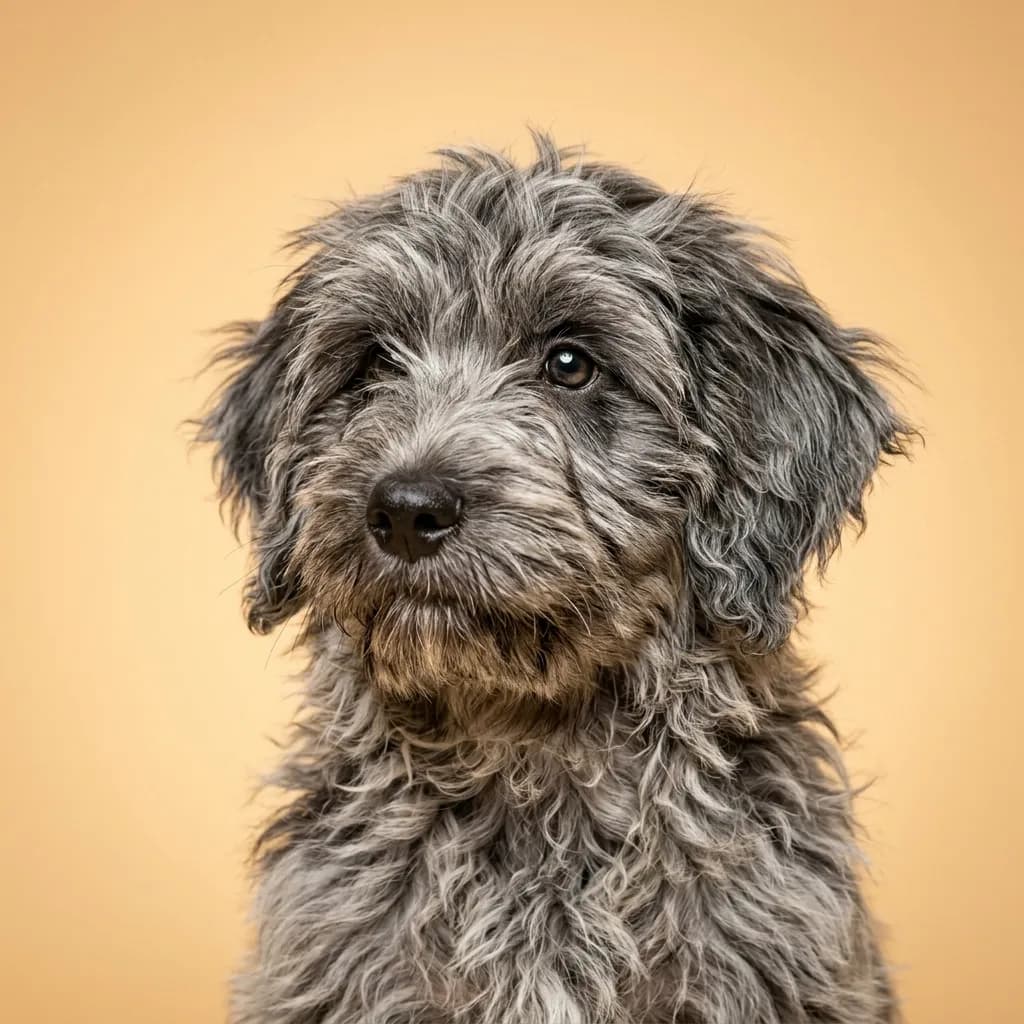
Schapendoes
Foundation Stock Service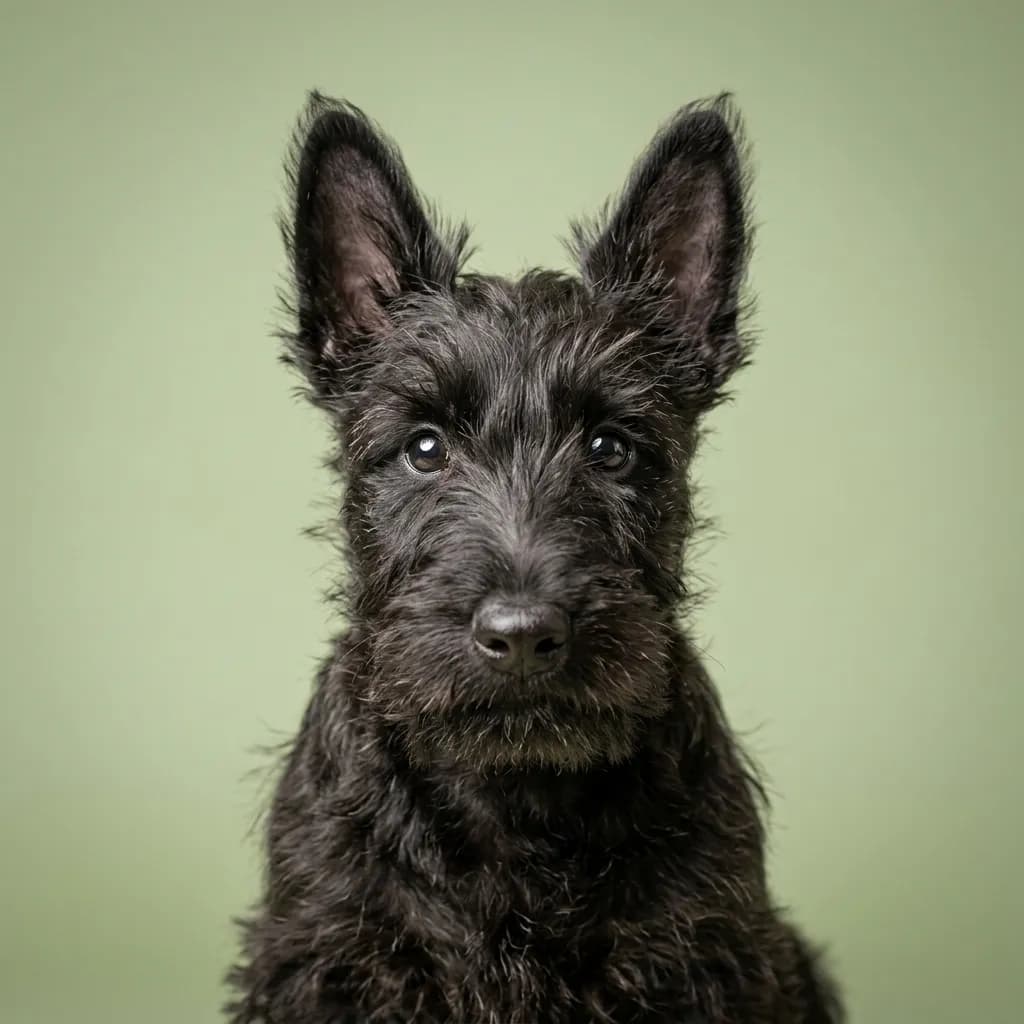
Scottish Terrier
Terrier Group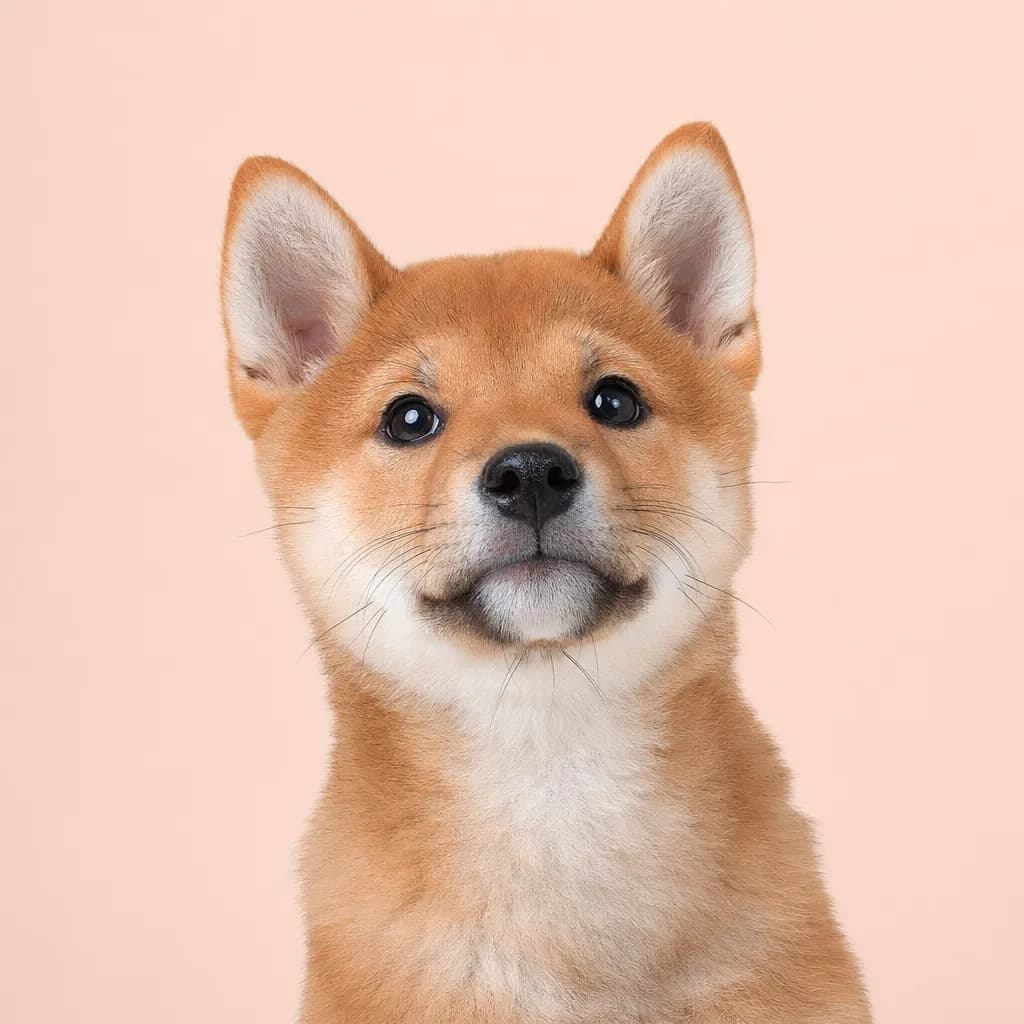
Shiba Inu
Non-Sporting Group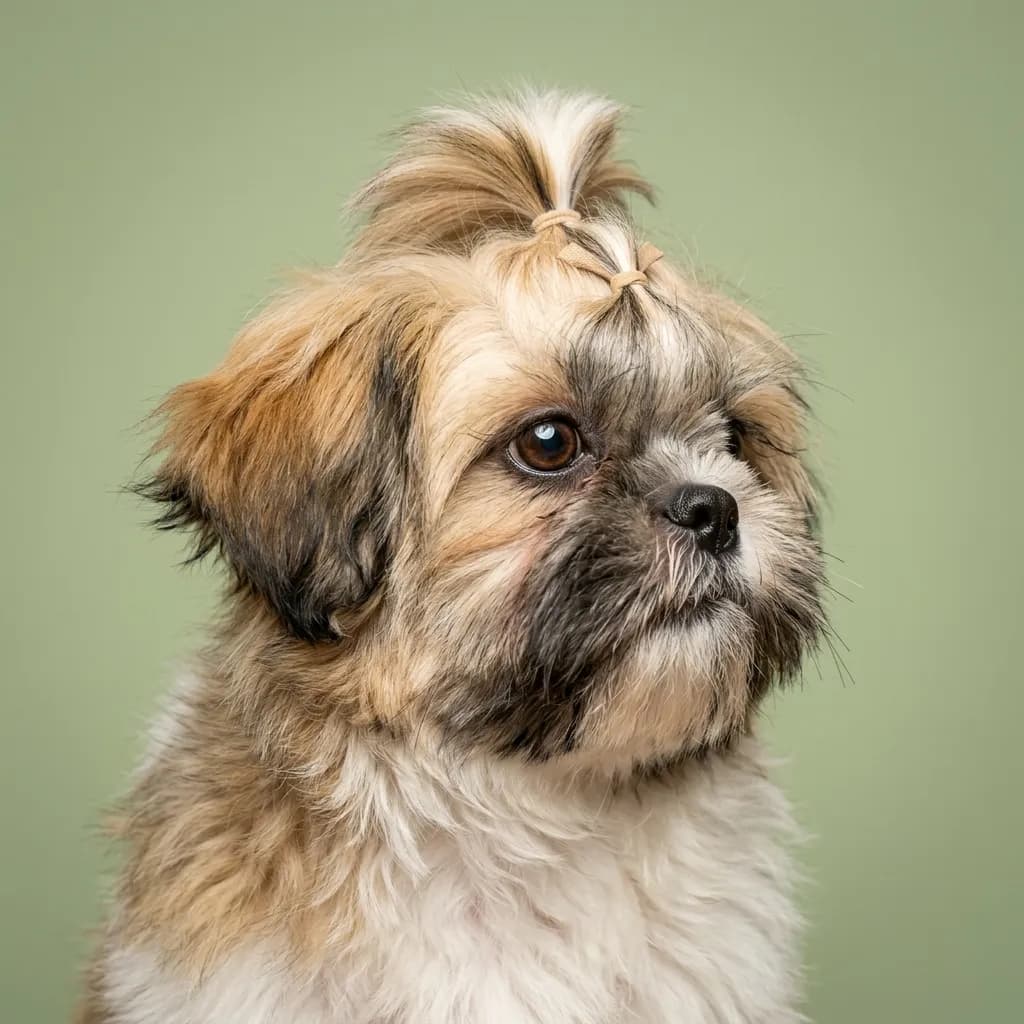
Shih Tzu
Toy Group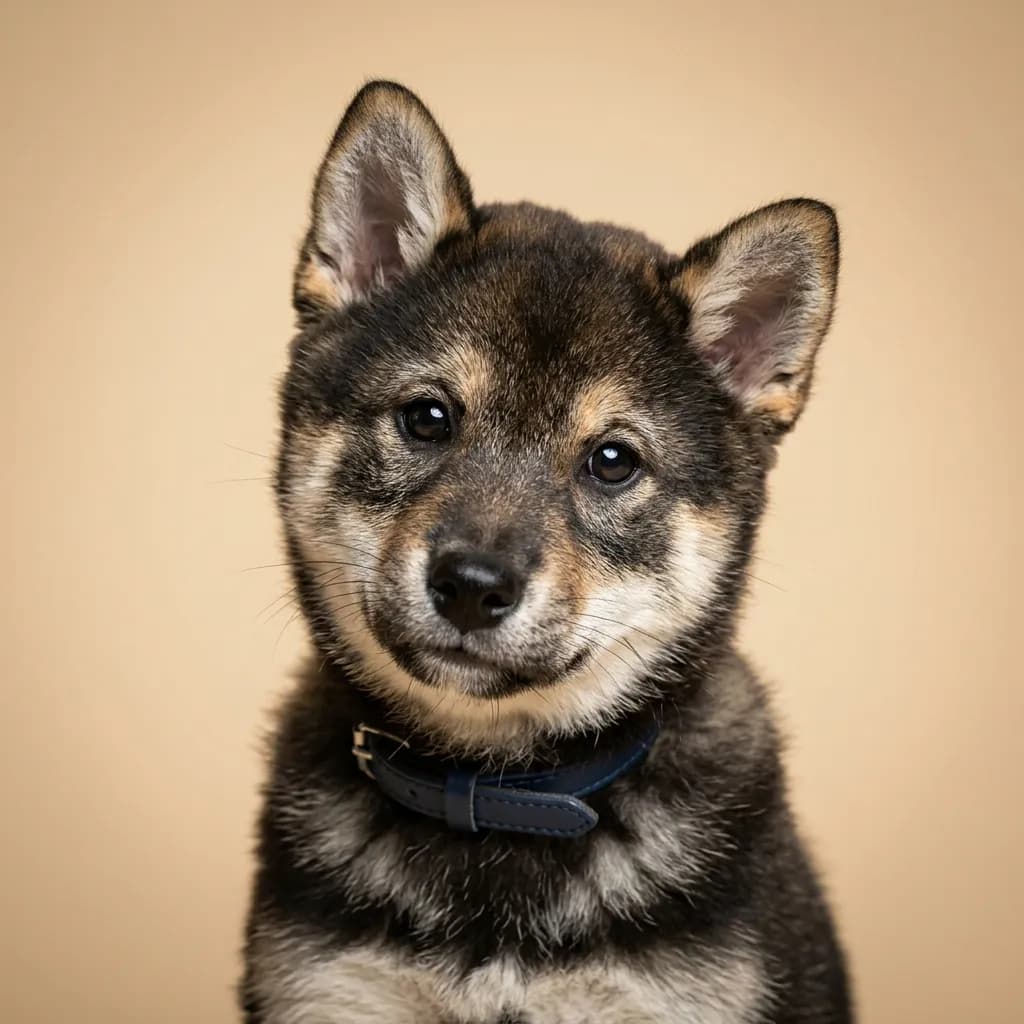
Shikoku
Foundation Stock Service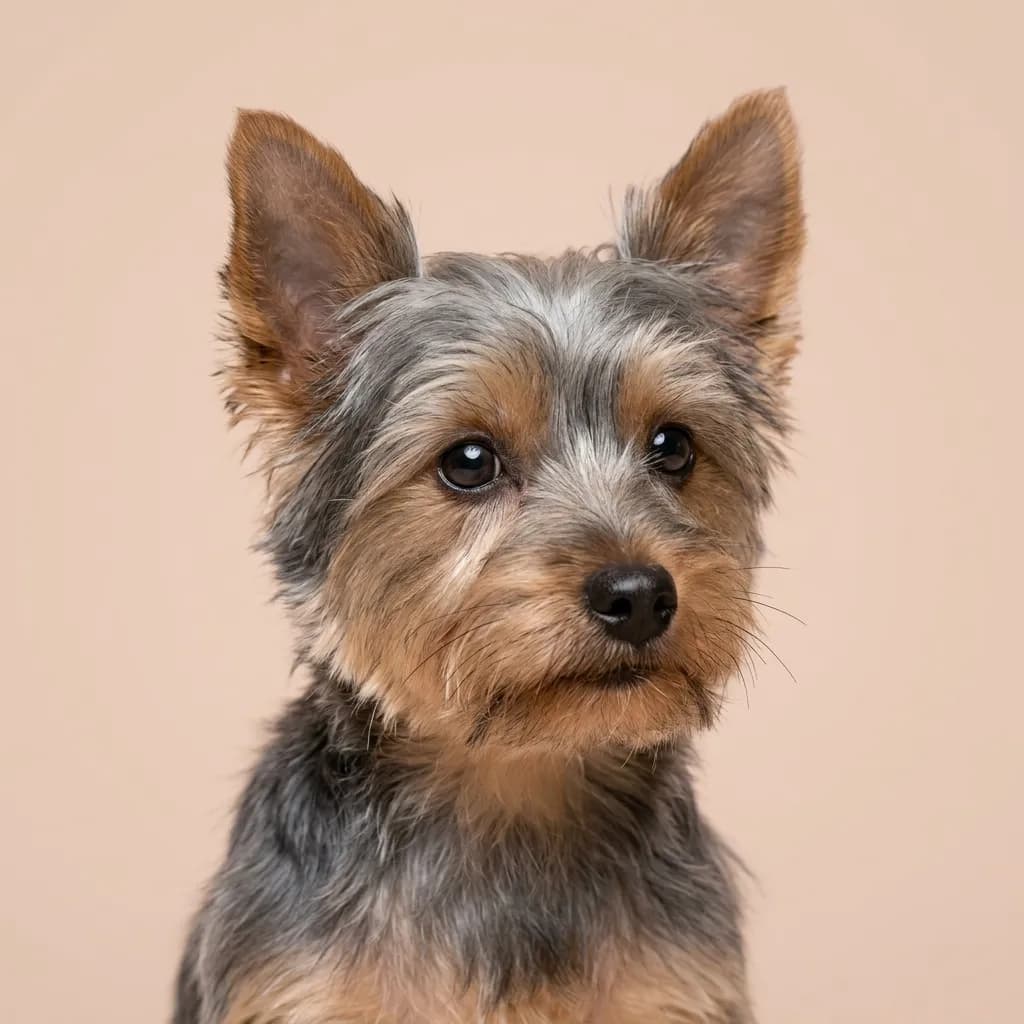
Silky Terrier
Toy Group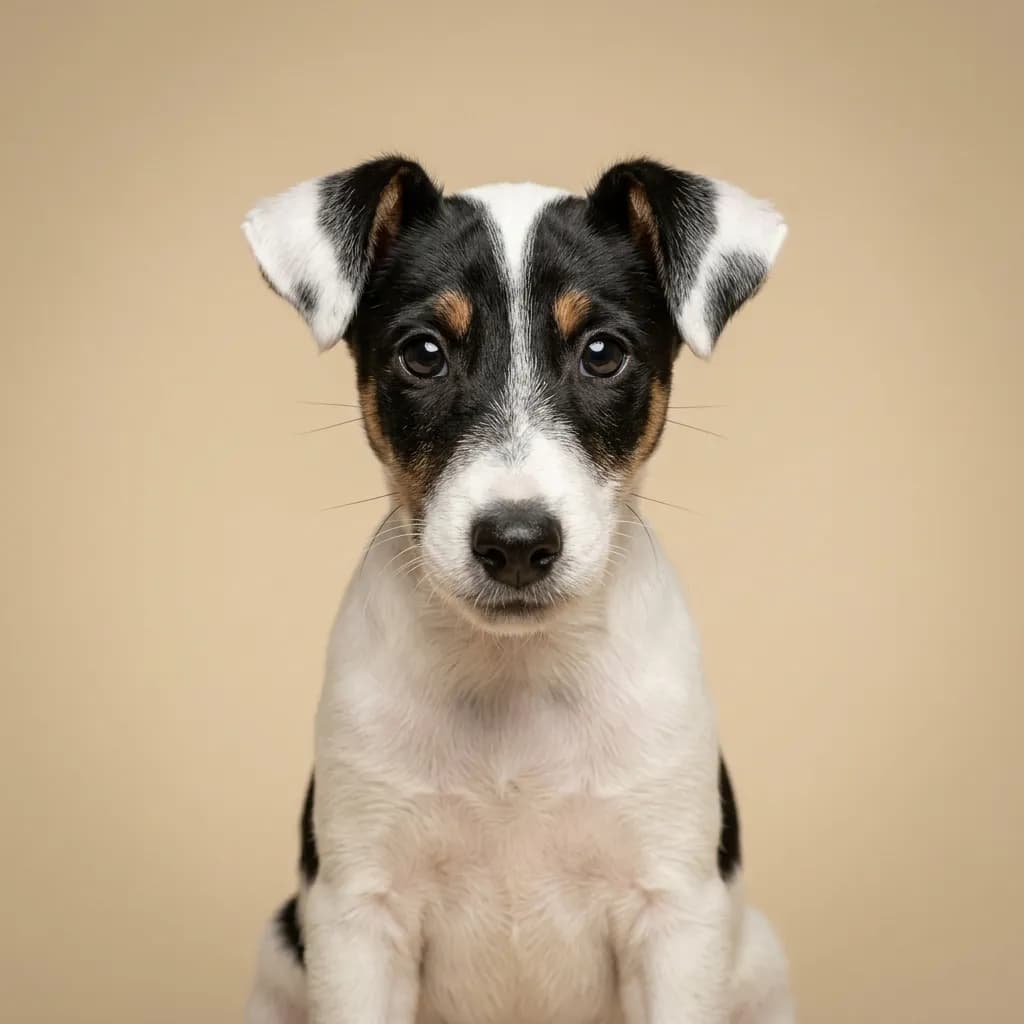
Smooth Fox Terrier
Terrier Group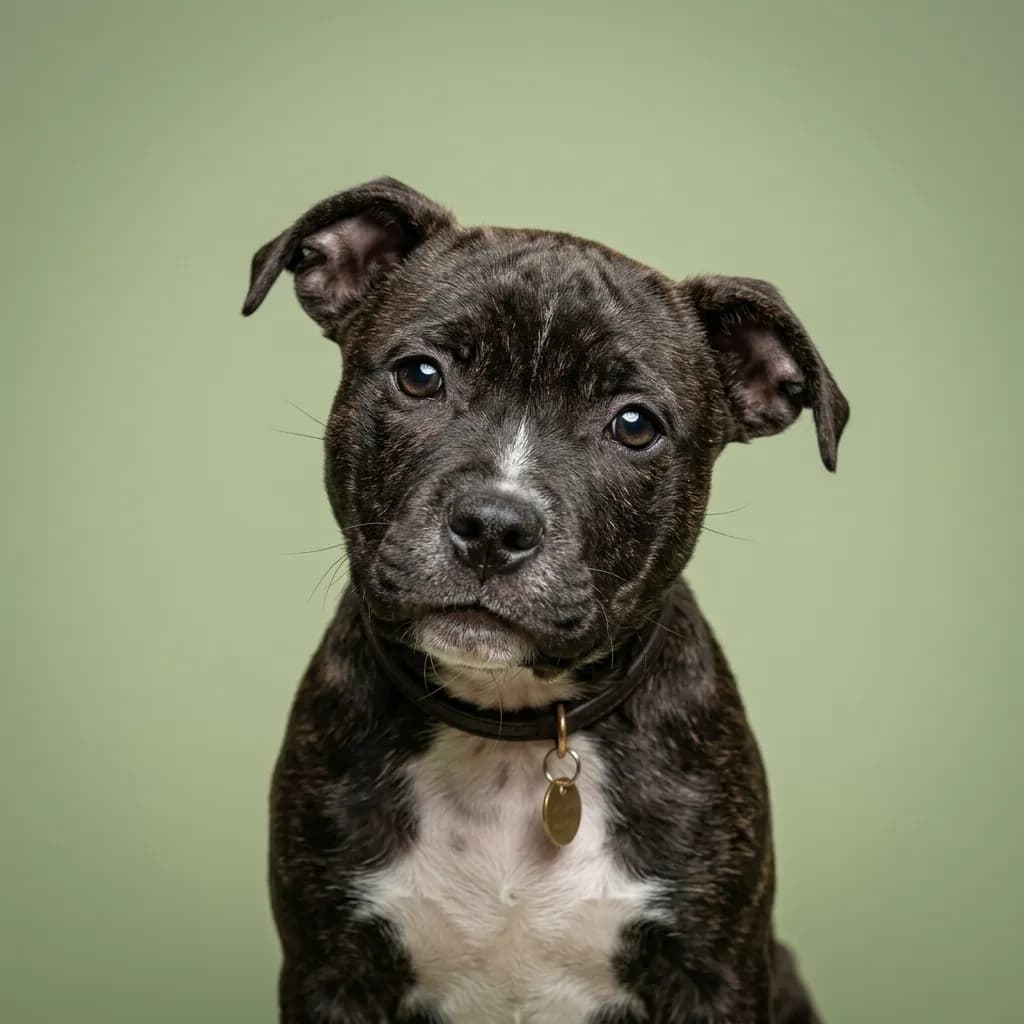
Staffordshire Bull Terrier
Terrier Group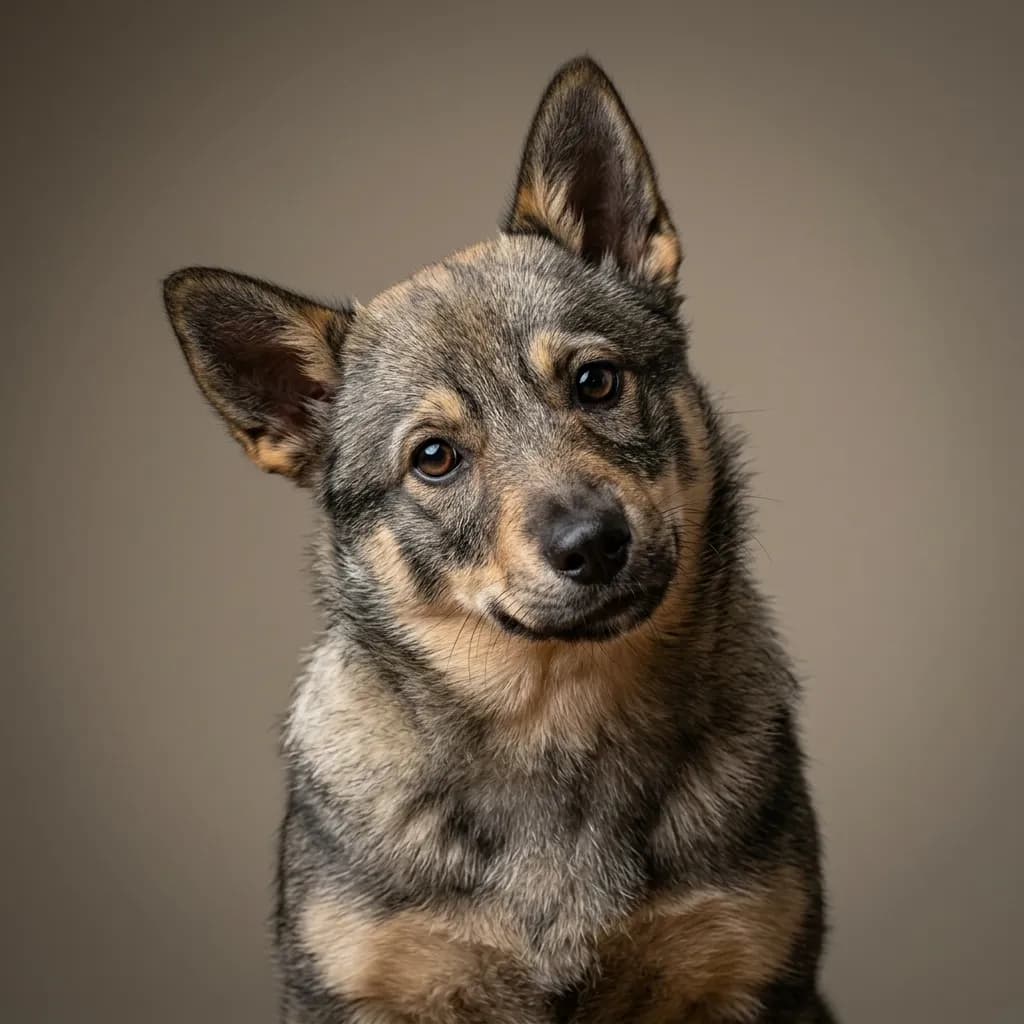
Swedish Vallhund
Herding Group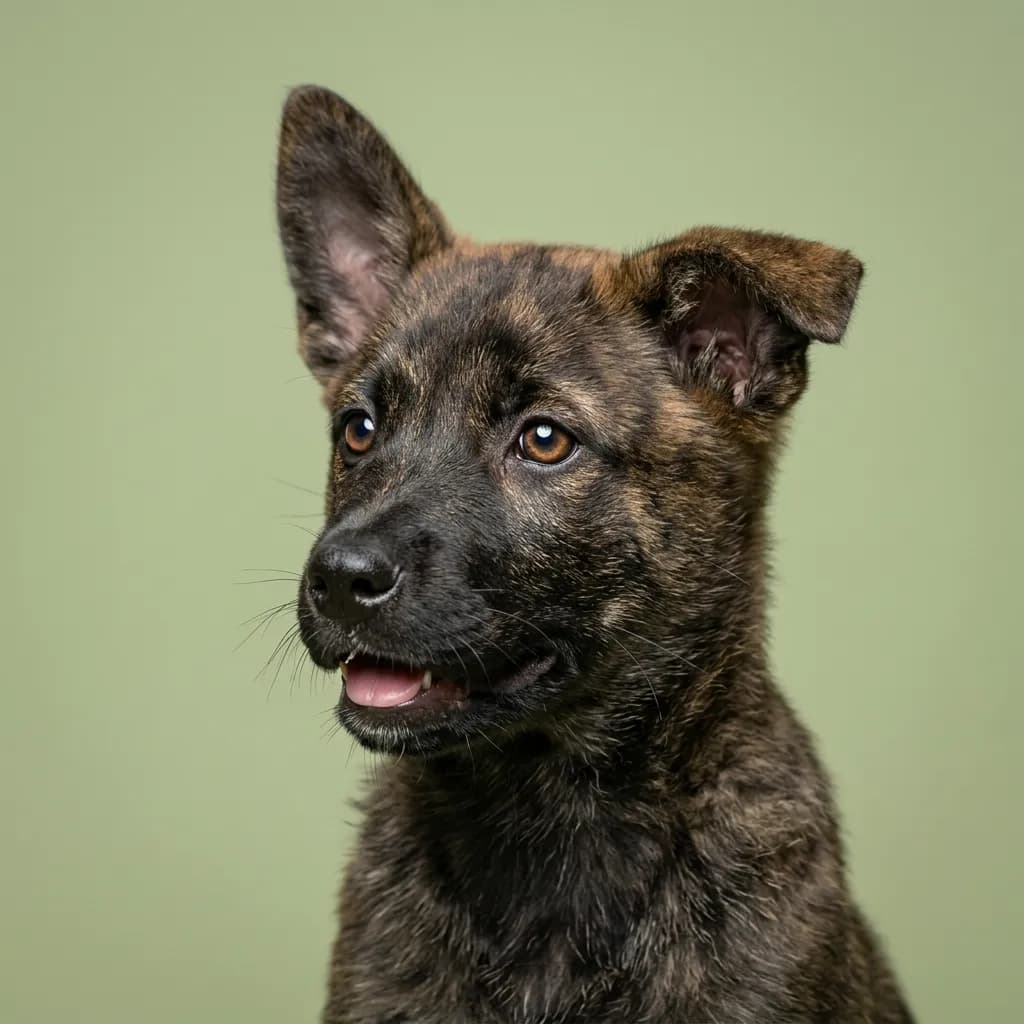
Taiwan Dog
Foundation Stock Service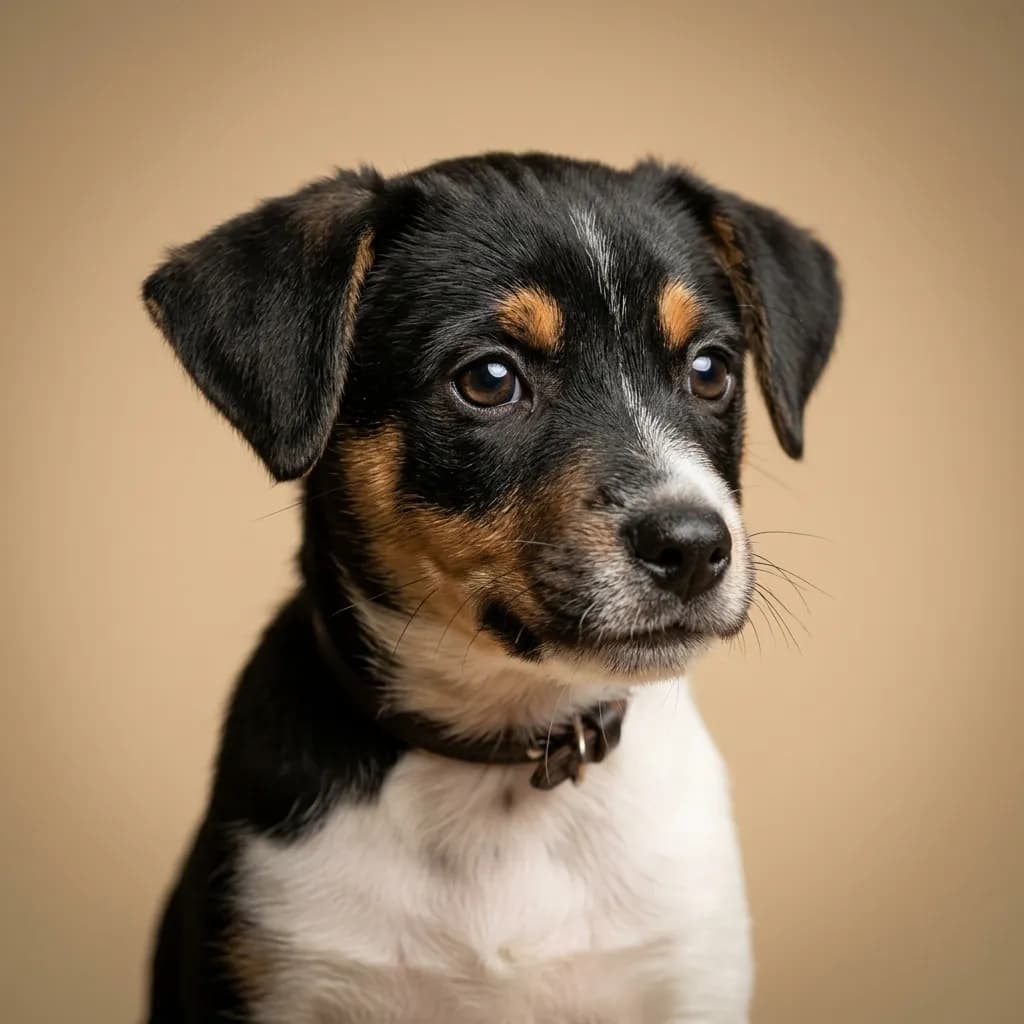
Teddy Roosevelt Terrier
Miscellaneous Class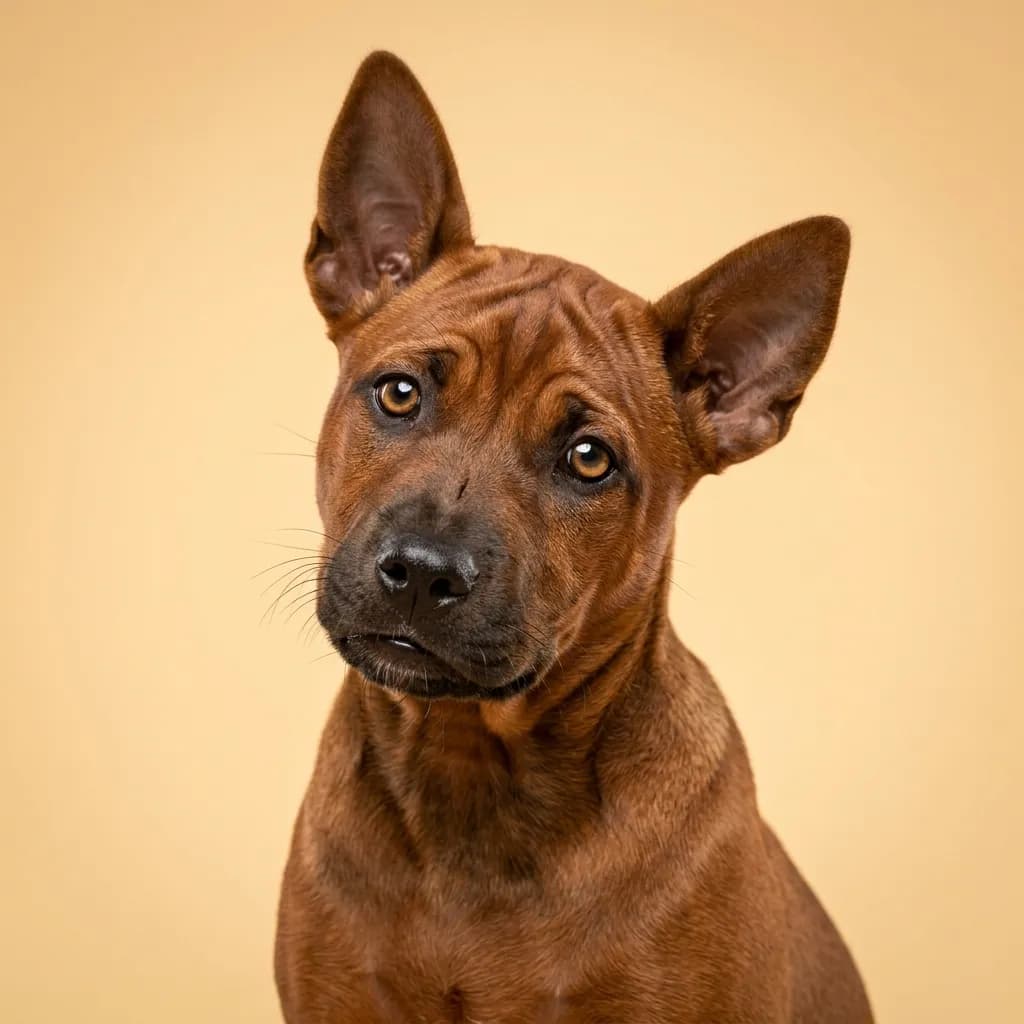
Thai Ridgeback
Foundation Stock Service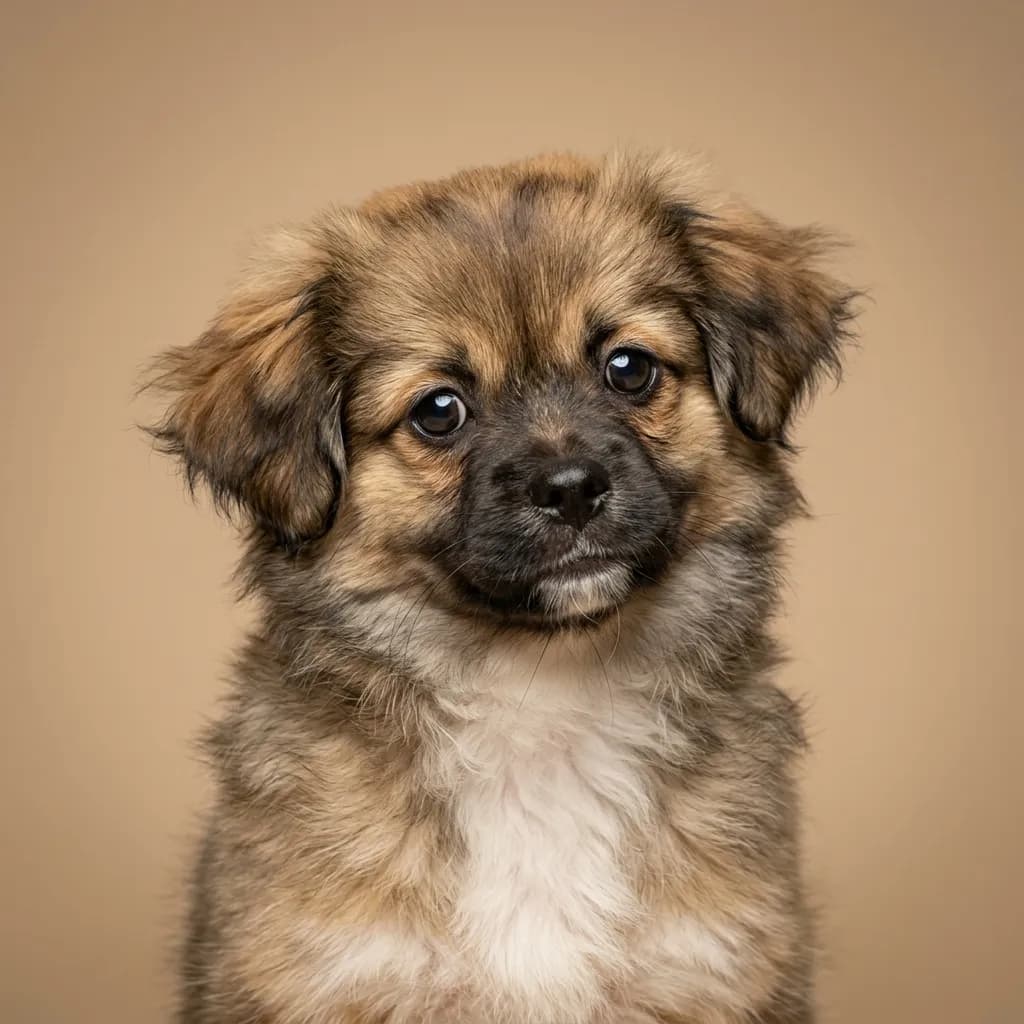
Tibetan Spaniel
Non-Sporting Group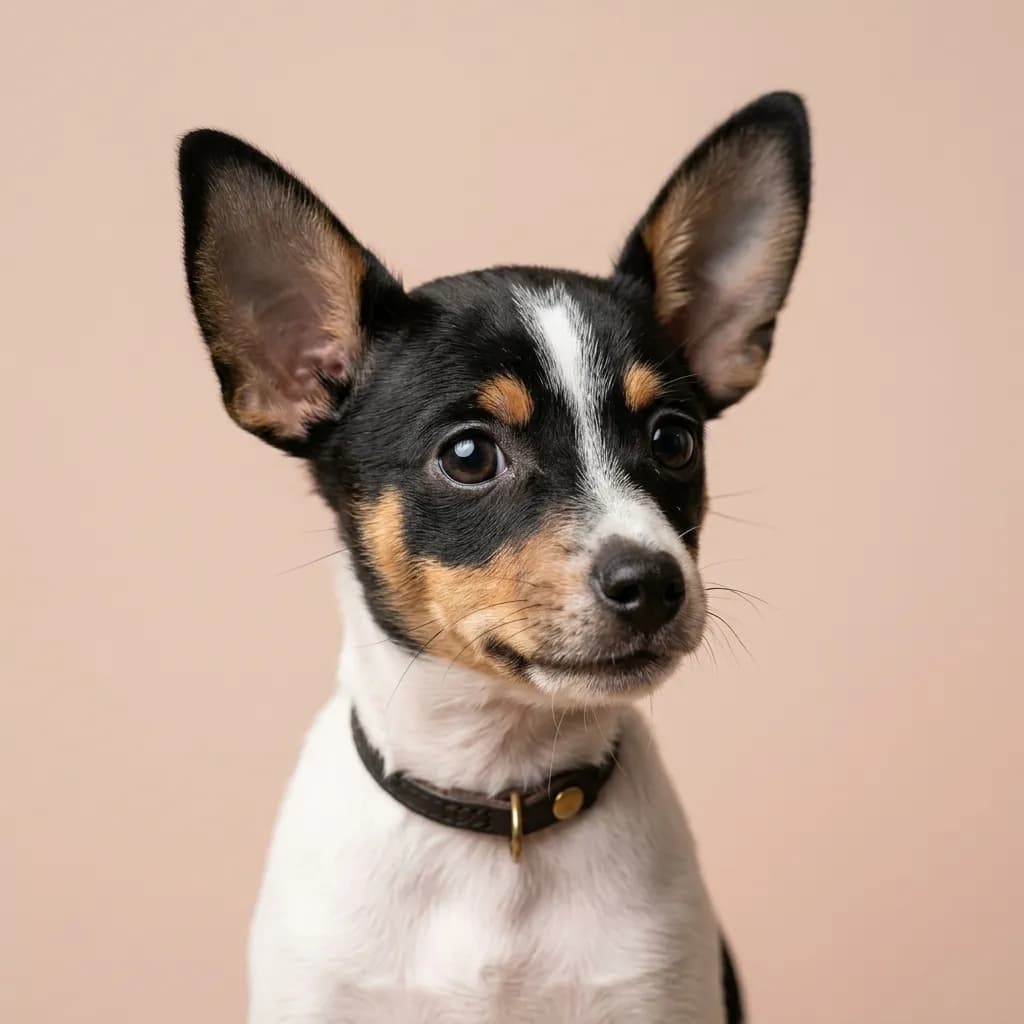
Toy Fox Terrier
Toy Group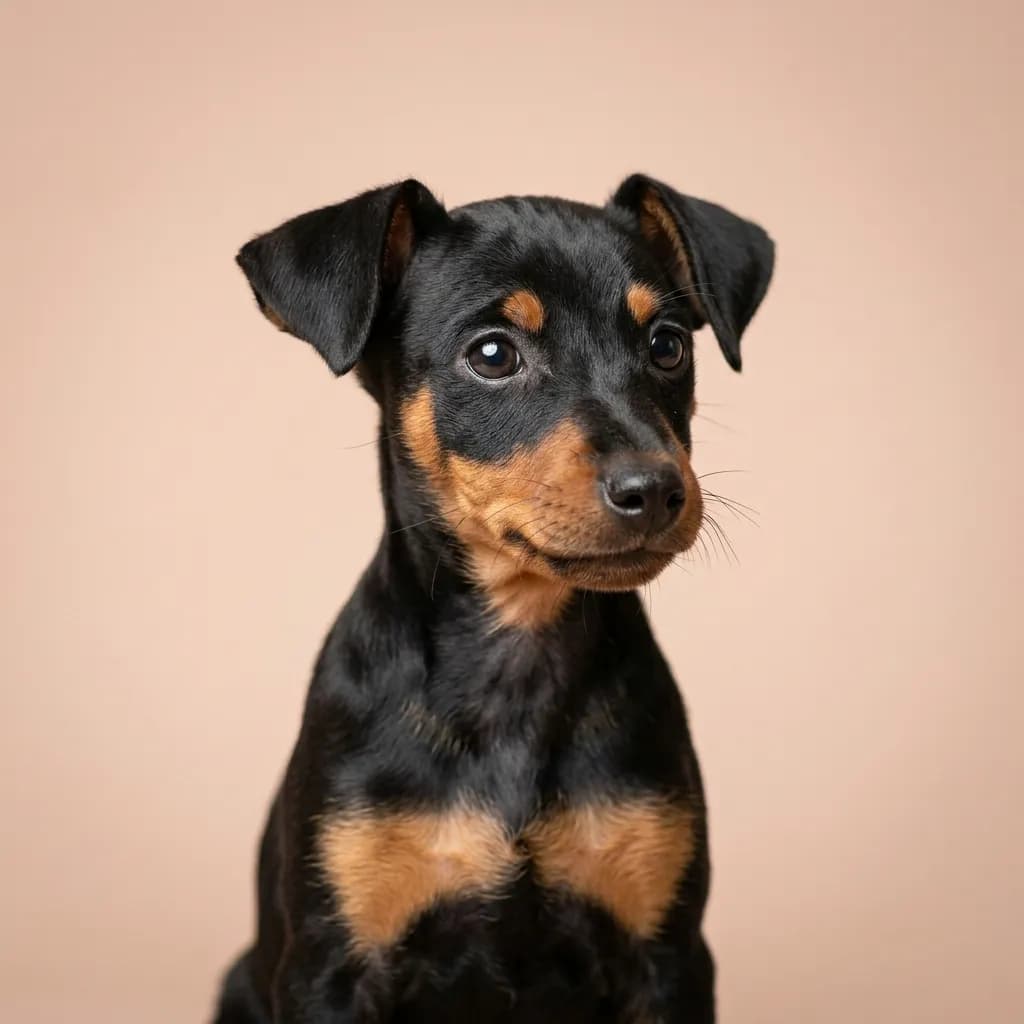
Toy Manchester Terrier
Toy Group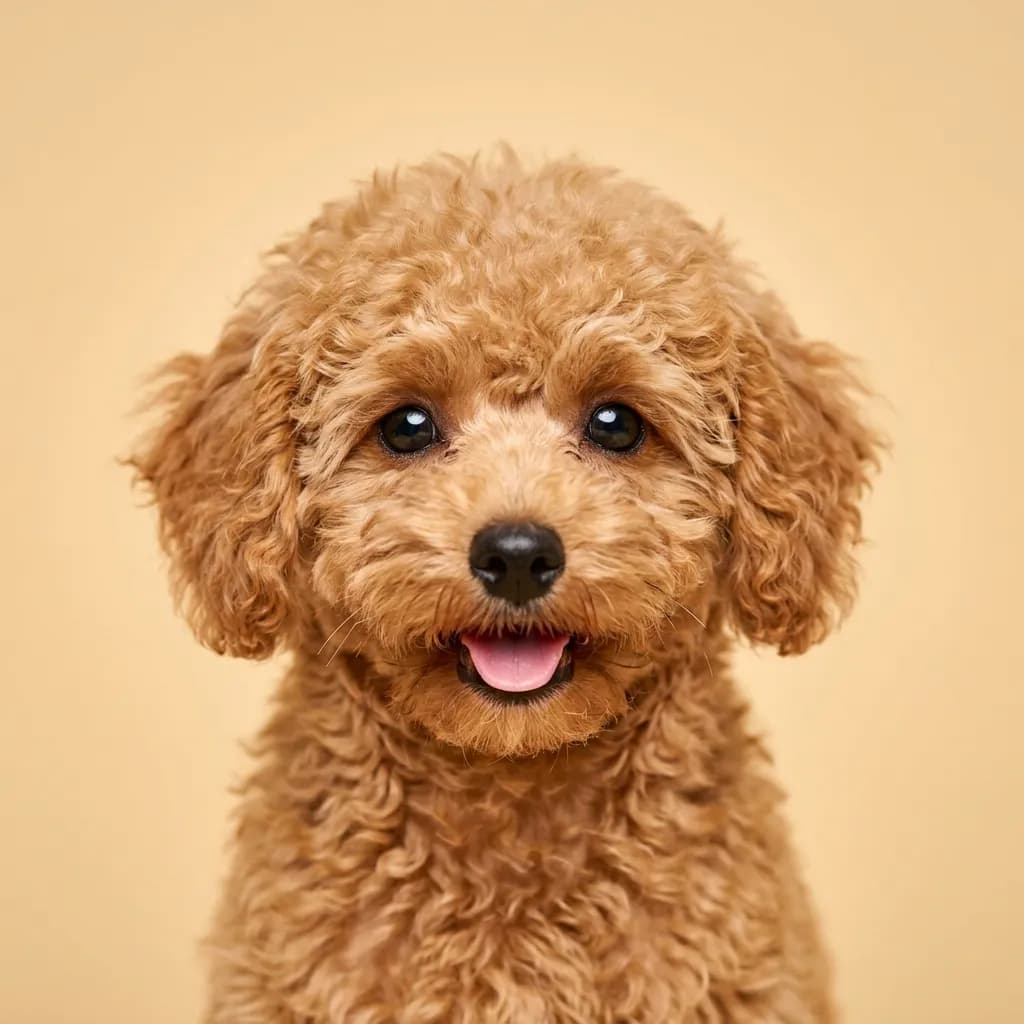
Toy Poodle
Toy Group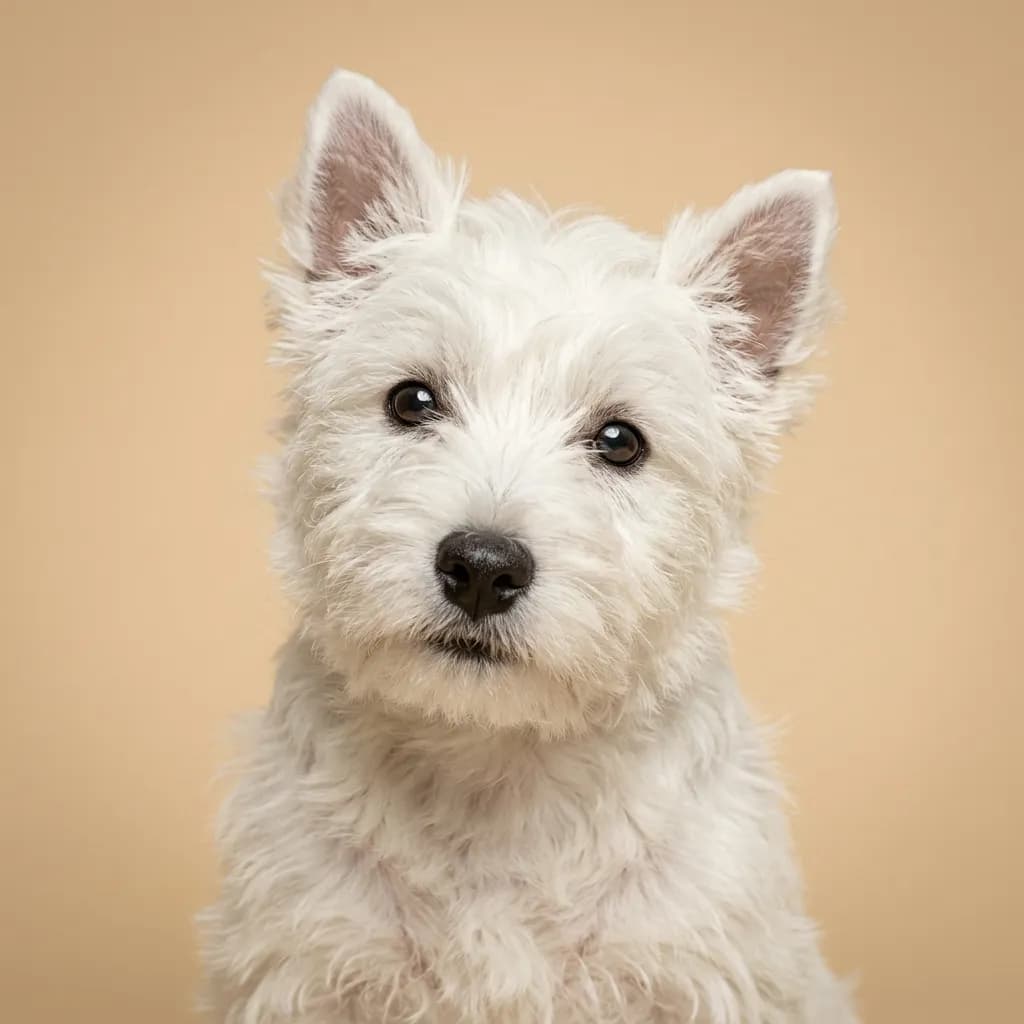
West Highland White Terrier
Terrier Group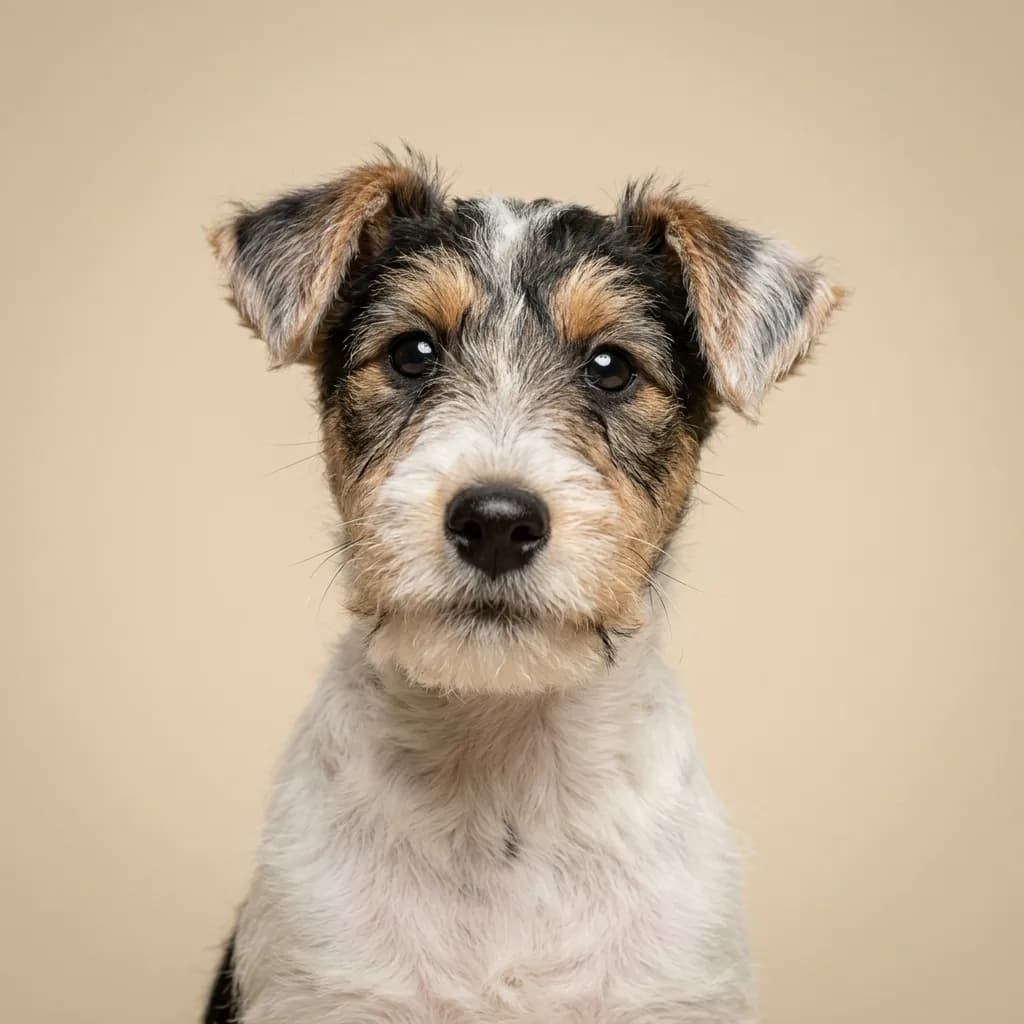
Wire Fox Terrier
Terrier Group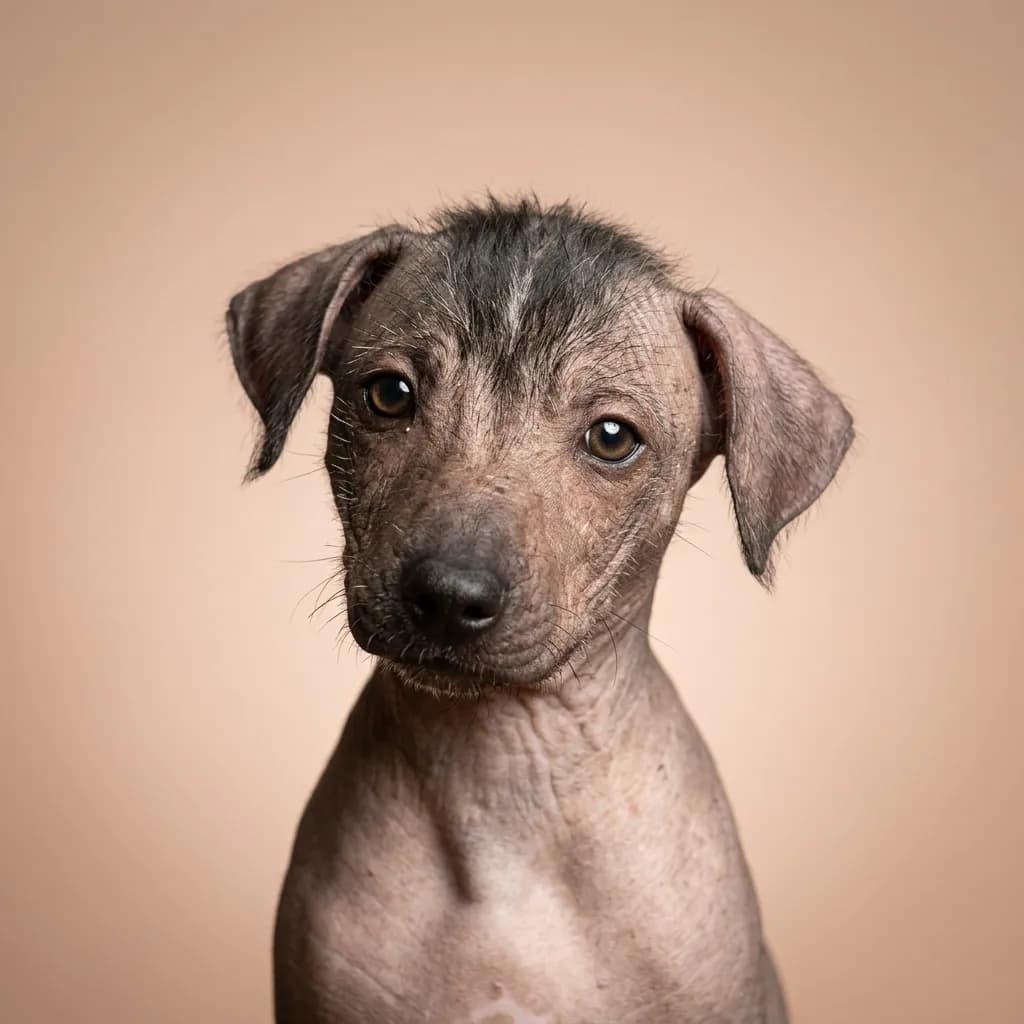
Xoloitzcuintli
Non-Sporting Group