Afghan Hound vs Norwegian Lundehund
Side-by-side comparison across all 14 AKC trait ratings, with a clear verdict on which breed fits which kind of household.
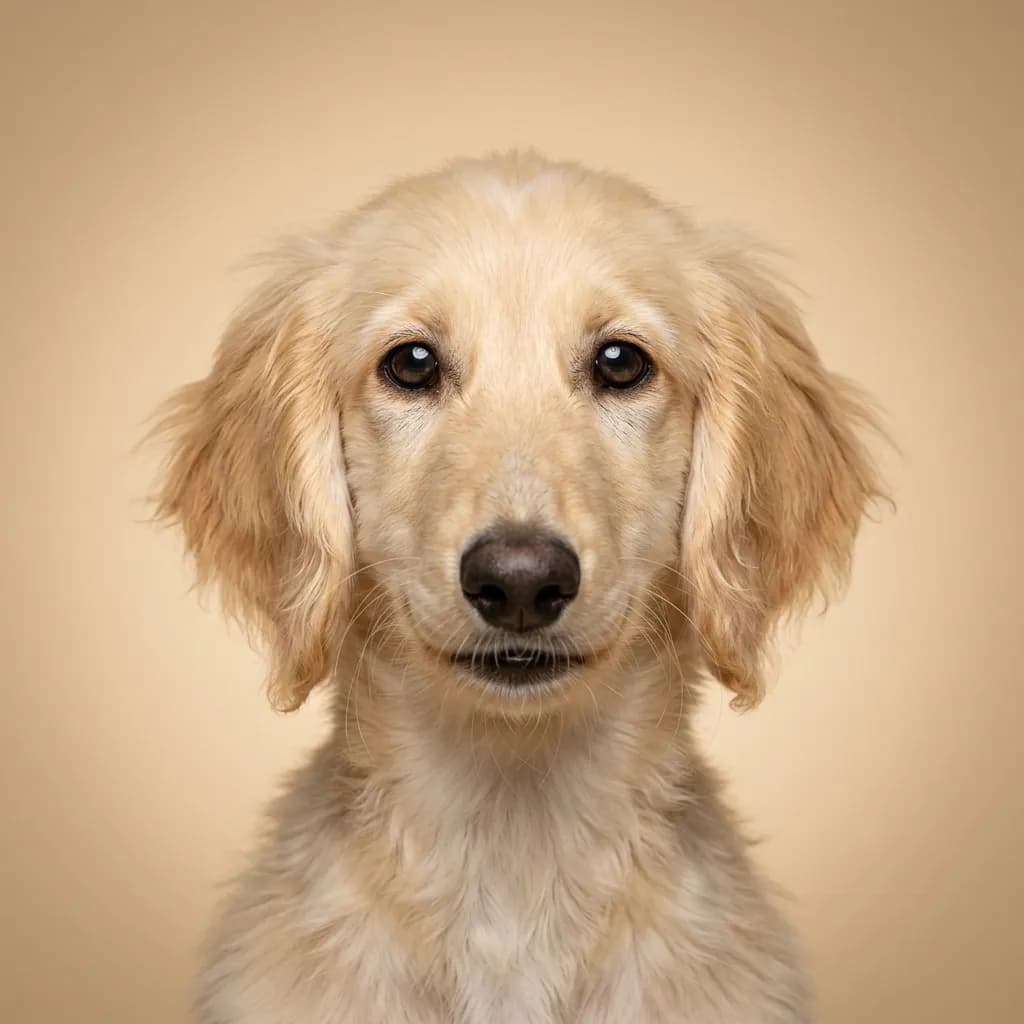
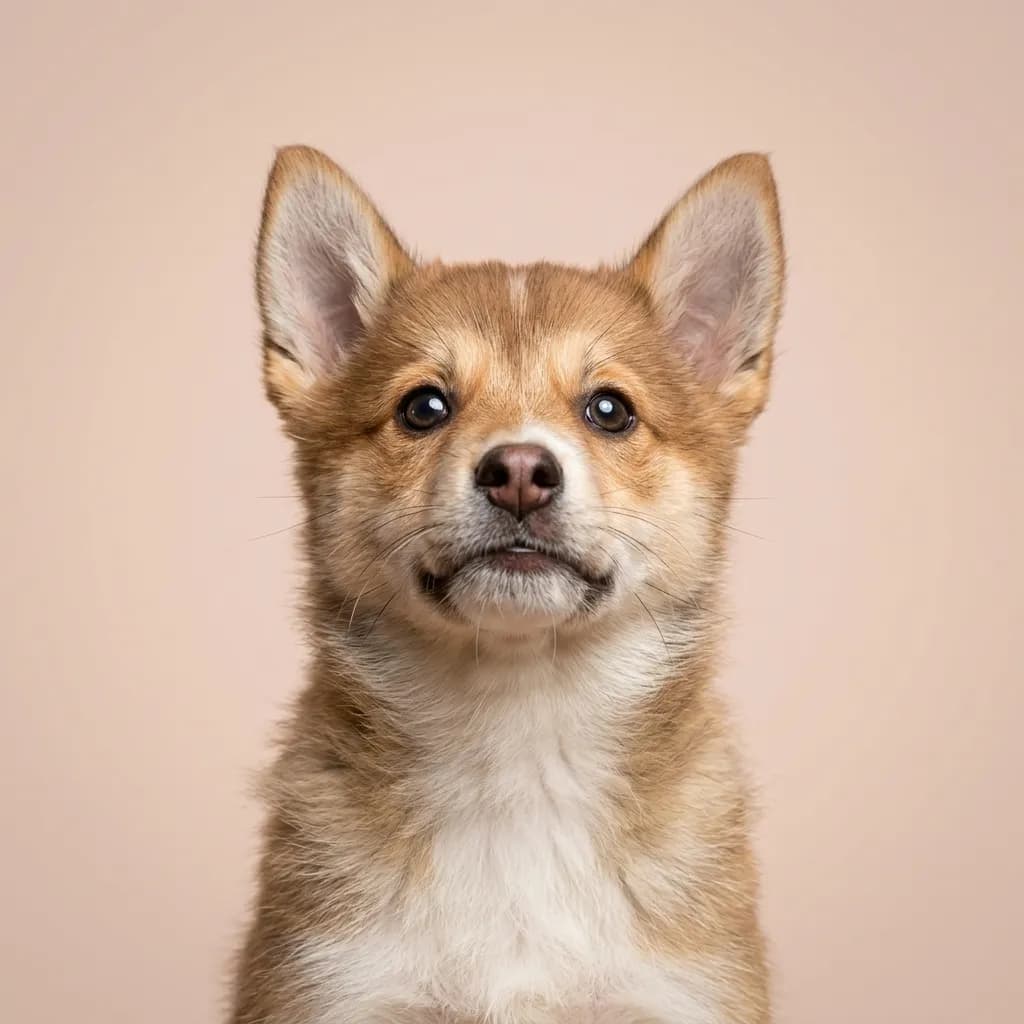
Not sure which breed fits your life?
Answer five questions about your home, your schedule, and your tolerance for shedding. We’ll match you to your top three breeds from over 200.
Afghan Hound vs Norwegian Lundehund
You don’t see people comparing Afghan Hounds and Norwegian Lundehunds every day, but when they do, it’s usually someone drawn to rare, striking dogs with old-world roots. Both are independent, both are loyal in their own way, and both demand experienced hands. But that’s where the similarities crumble. The Afghan is pure theater. A 27-inch aristocrat with a flowing coat and a gaze that could freeze wine. They’re built for speed and cold mountain air, bred to chase down gazelle-level prey with explosive energy. But don’t be fooled by the glamour. they’re famously stubborn, scoring near the bottom for trainability. You’ll need patience, space, and a yard with a solid fence because recall is a fantasy. They’re not aloof with their people, but their affection is reserved, like a cat who deigns to sit near you. The Lundehund is a biological oddity. Six toes per foot, neck that bends backward, ears you can close shut. this dog evolved to wedge into puffin burrows on sheer cliffs. They’re small, under 30 pounds, and deceptively sturdy. Their energy is steady, not explosive, but they need mental puzzles and cool climates. The real catch? Their health. Lundehund syndrome means lifelong dietary management and vet vigilance. They’re more trainable than Afghans, but still independent thinkers. Choose the Afghan if you want a dramatic, high-energy companion and don’t mind the grooming or the training grind. Pick the Lundehund if you’re fascinated by rare breeds, can handle complex health needs, and want a compact, curious dog with a prehistoric edge. Here’s the truth the breed standards won’t tell you: both dogs are escape artists. But while the Afghan will outrun you in three strides, the Lundehund will disappear into a crack in the wall.
Trait-by-trait
Higher bar = more of that trait. Shedding, barking, drooling, grooming flipped for readability.Where they diverge
Choose the Afghan Hound if…
- Active people
- Experienced owners
- Spacious homes
- You value coat grooming — Afghan Hound scores noticeably higher.
Choose the Norwegian Lundehund if…
- Experienced dog owners
- Those interested in rare breeds
- Active families
- You value shedding level — Norwegian Lundehund scores higher here.