Boston Terrier vs Norwegian Lundehund
Side-by-side comparison across all 14 AKC trait ratings, with a clear verdict on which breed fits which kind of household.

Not sure which breed fits your life?
Answer five questions about your home, your schedule, and your tolerance for shedding. We’ll match you to your top three breeds from over 200.
Boston Terrier vs Norwegian Lundehund
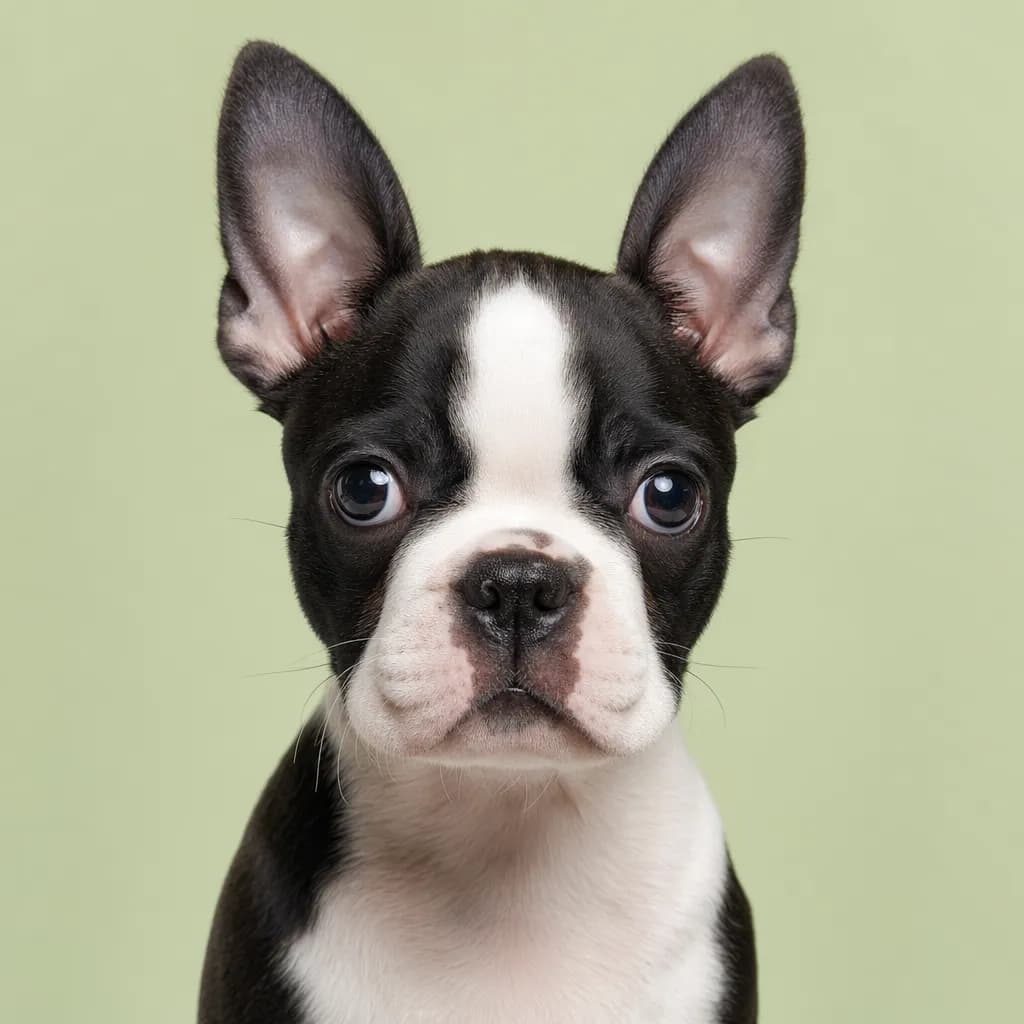
People compare Boston Terriers and Norwegian Lundehunds because they’re both small, non-sporting breeds with big personalities and oddball charm. But that’s where the similarities end. Think of it like this: the Boston is your friendly neighborhood comedian, always up for a cuddle on the couch or a walk around the block. The Lundehund is the cryptic explorer who’d rather scale a rock wall than sit in your lap, built for cliffs and cold wind, not city sidewalks. If you want a dog that greets everyone like a long-lost friend, thrives in apartments, and bonds deeply with kids and seniors alike, the Boston is your guy. They’re smart, eager to please, and adapt well. just don’t expect marathon runs or hot-weather hikes. Their flat faces mean breathing can be a lifelong issue, and you might end up paying for surgery you didn’t plan on. The Lundehund? This rare breed isn’t for casual commitment. They’re independent, harder to train, and come with a genetic gut condition that demands careful monitoring and vet care that can cost thousands. But if you’re an experienced owner in a cooler climate who values uniqueness and a dog with a mission, they’re unforgettable. They’re not outwardly affectionate like Bostons, but their loyalty runs deep. Here’s the real talk: Bostons look like they need protection, but they’re tough in spirit. Lundehunds look rugged, but their health is fragile. Pick the Boston if you want a joyful, social companion who fits into most lives. Pick the Lundehund only if you’ve done the research, can access specialty vets, and are ready for a dog that’s more partner than pet.
Trait-by-trait
Higher bar = more of that trait. Shedding, barking, drooling, grooming flipped for readability.Where they diverge
Choose the Boston Terrier if…
- Apartments
- Families
- First-time owners
- You value affectionate w/ family — Boston Terrier scores noticeably higher.
Choose the Norwegian Lundehund if…
- Experienced dog owners
- Those interested in rare breeds
- Active families
- You value shedding level — Norwegian Lundehund scores higher here.