Akita vs Pumi
Side-by-side comparison across all 14 AKC trait ratings, with a clear verdict on which breed fits which kind of household.

Not sure which breed fits your life?
Answer five questions about your home, your schedule, and your tolerance for shedding. We’ll match you to your top three breeds from over 200.
Akita vs Pumi
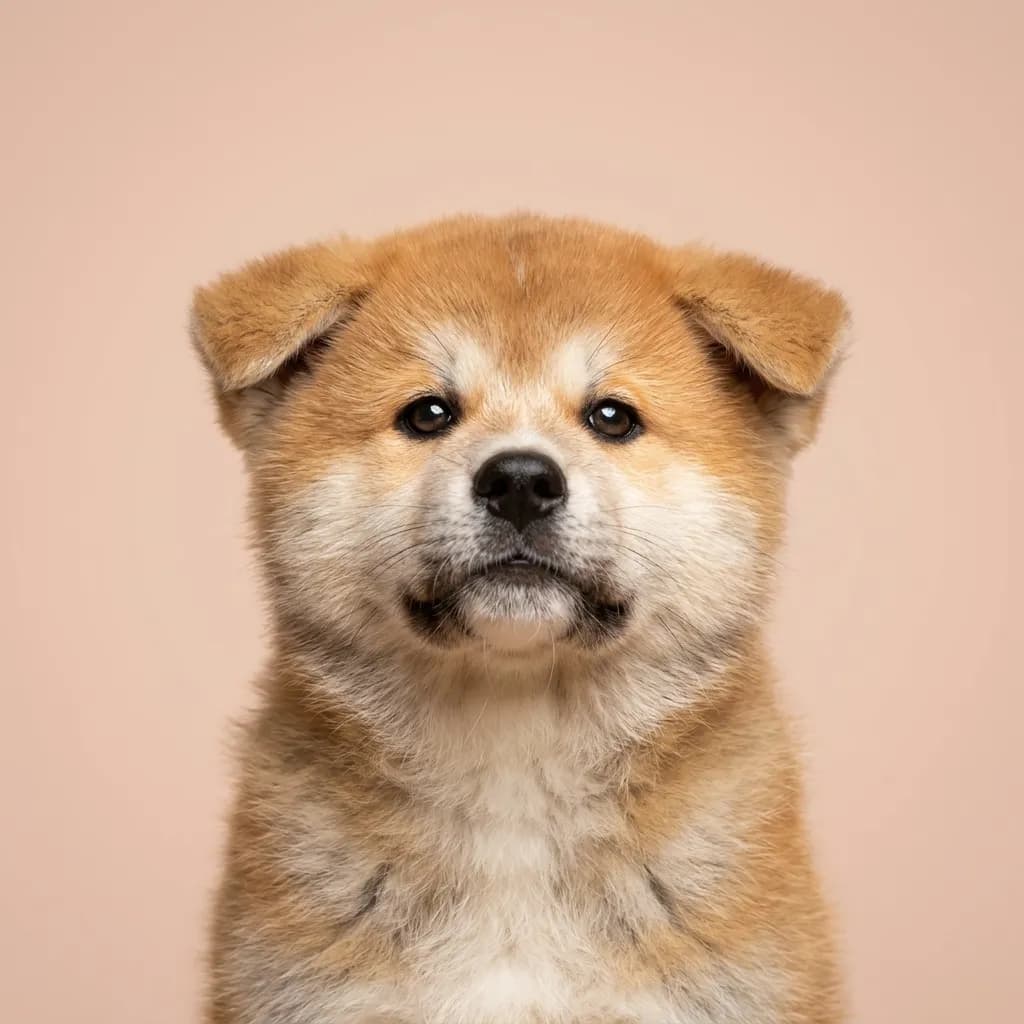
You don’t see Akitas and Pumis side by side at dog parks. because if you had both, your park visits would look like a nature documentary and a circus act. People compare them not because they’re alike, but because they’re both rare, intense, and demand respect. But that’s where the similarity ends. The Akita is the stoic mountain guardian, bred to face down bears and stand alone in snowstorms. You’ll get a dog that’s fiercely loyal but selective about affection, like a cat with muscle and a resume. They’re not easily impressed by training treats or praise, and they don’t adapt well to chaos. If you live in a house with space, know canine body language cold, and want a dog that watches over your family like a silent sentinel, the Akita might be your match. But if you’ve got rowdy kids or dream of doggy playdates, this isn’t the breed. They’re prone to health issues and can cost a fortune, but their presence is worth more than price tags. it’s like living with a living coat of armor. Now meet the Pumi. Imagine a tornado in a curly coat, all springy legs and upright ears twitching at every sound. This dog was built to nip at cow heels and outthink sheep, so if you’ve got mental games, agility courses, or just a long daily hike, the Pumi will thrive. They’re affectionate in a goofy, clingy way, love to learn, and barely shed. huge plus if you’re tired of lint rollers. But they need jobs. A bored Pumi will rewire your house with anxiety and noise. Here’s the real talk: both need experienced hands, but for opposite reasons. The Akita tests your calm and consistency. The Pumi tests your creativity. Pick the Akita if you want a noble, distant love. Pick the Pumi if you want a high-wire act that kisses your face between tricks. One’s a samurai. The other’s a punk-rock poet. Know which story you’re signing up for.
Trait-by-trait
Higher bar = more of that trait. Shedding, barking, drooling, grooming flipped for readability.Where they diverge
Choose the Akita if…
- Experienced owners
- Spacious homes
- Active people
- You value shedding level — Akita scores noticeably higher.
Choose the Pumi if…
- Active owners
- Dog sports enthusiasts
- Experienced herding breed owners
- You value affectionate w/ family — Pumi scores higher here.