Akita vs Swedish Lapphund
Side-by-side comparison across all 14 AKC trait ratings, with a clear verdict on which breed fits which kind of household.
Not sure which breed fits your life?
Answer five questions about your home, your schedule, and your tolerance for shedding. We’ll match you to your top three breeds from over 200.
Akita vs Swedish Lapphund
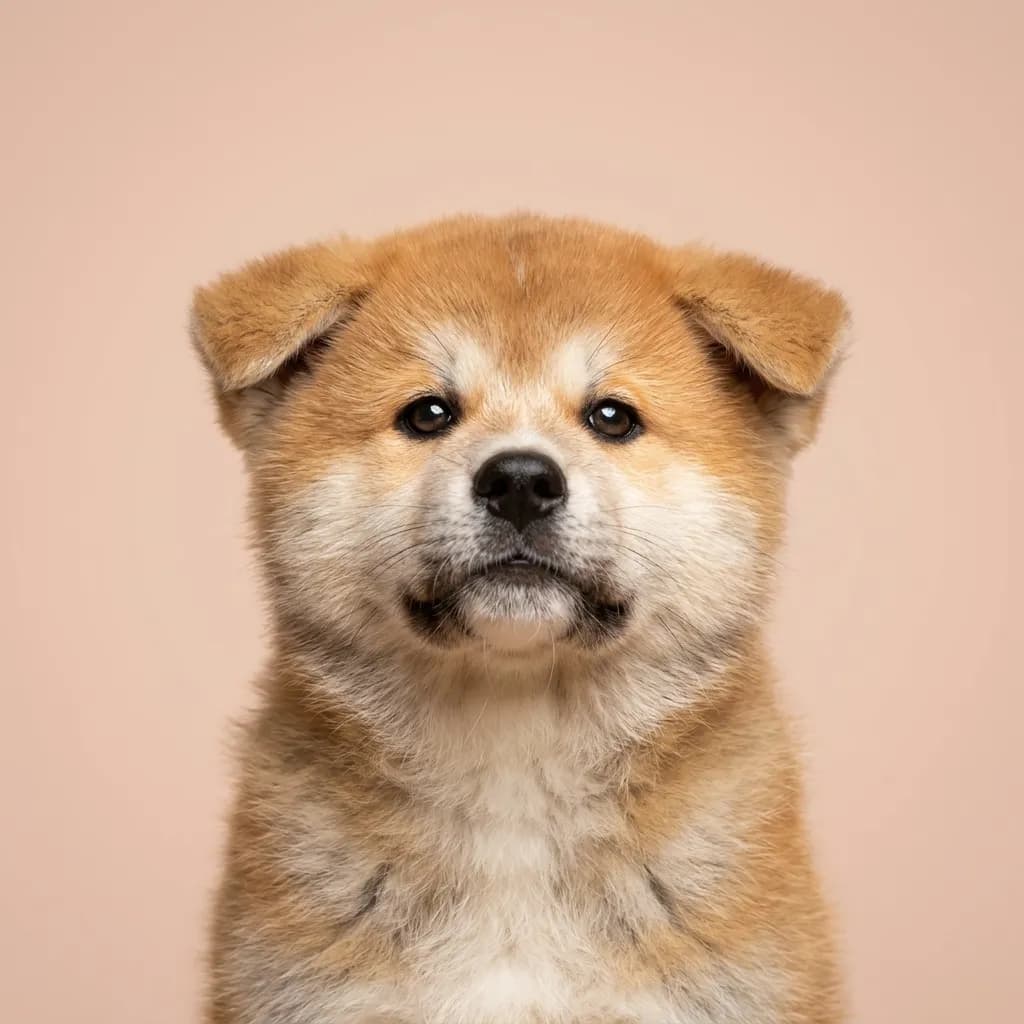
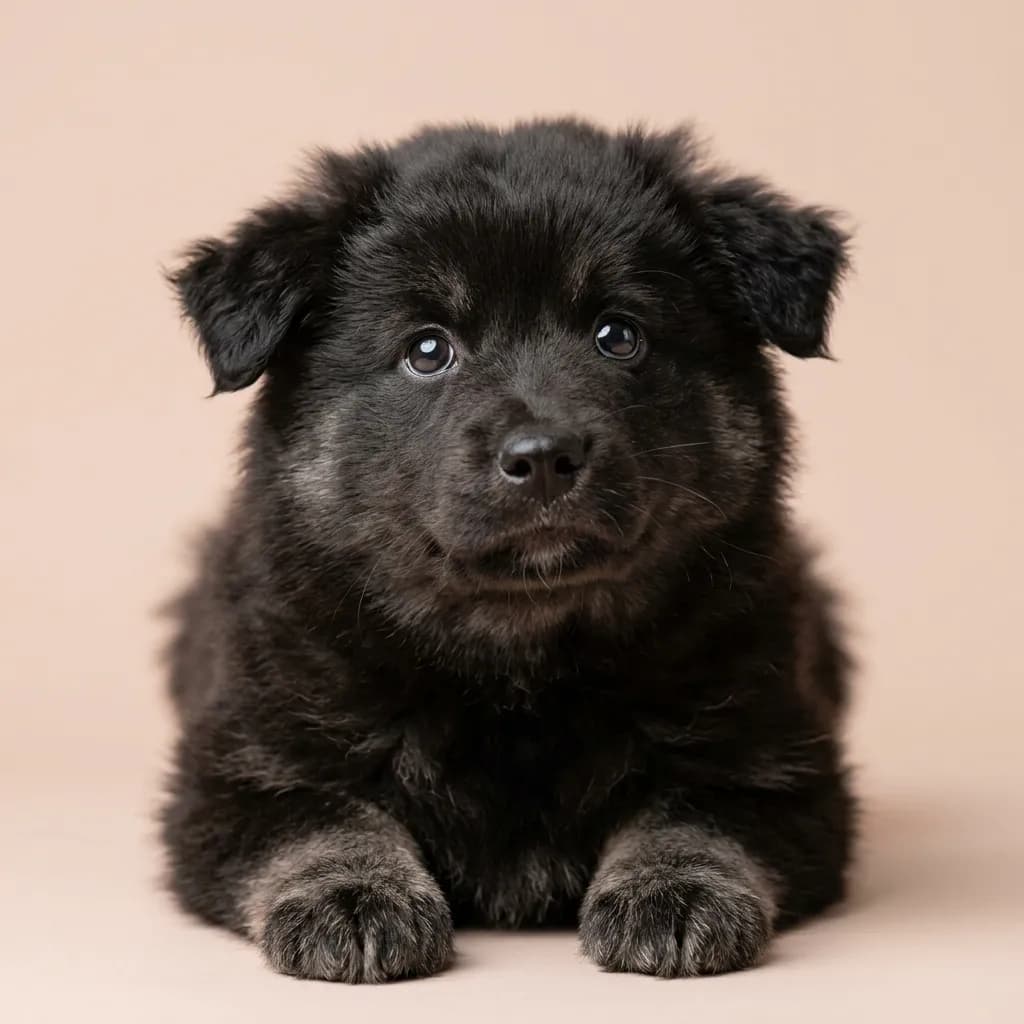
You’re not seeing Akitas and Swedish Lapphunds side by side at the dog park every day, but the comparison pops up when someone falls for a plush, fox-faced dog with a wild look and a big heart. Both have that “ancient soul” vibe. thick coats, alert eyes, a presence that feels almost mythic. But that’s where the story splits. The Akita is the stoic guardian of a quiet, deliberate life. Think of a mountain. calm, powerful, not inviting casual climbs. They bond deeply with one person, can be aloof with strangers, and often prefer being the only pet. They’re not hyperactive barkers, but they are strong-willed. You’ll need consistency, space, and the confidence to lead. Akitas aren’t for families with toddlers; their size and independence can be overwhelming, and their loyalty borders on protective. The Swedish Lapphund is more like a spark in a snowstorm. smaller, yes, but buzzing with alertness and expression. They were herding reindeer in Arctic Sweden, so they’re agile, social, and they talk. A lot. If your neighbor complains about noise, this might not be your breed. But they’re eager to learn, thrive in dog sports, and warm up to kids and other pets more easily. They adapt slightly better to family rhythm, but you still need cold weather and activity. Here’s the real difference: An Akita chooses you. A Lapphund joins your team. If you want a silent, noble companion who respects boundaries and rules the house like a dignitary, go Akita. If you want a lively partner who’ll hike, train, and chat your ear off. someone who wants to belong to the whole family. choose the Lapphund. And no, neither does well in an apartment. Both need room to move and minds to stay sharp.
Trait-by-trait
Higher bar = more of that trait. Shedding, barking, drooling, grooming flipped for readability.Where they diverge
Choose the Akita if…
- Experienced owners
- Spacious homes
- Active people
- You value coat grooming — Akita scores noticeably higher.
Choose the Swedish Lapphund if…
- Active families
- Cold climate households
- Dog sports enthusiasts
- You value affectionate w/ family — Swedish Lapphund scores higher here.