Alaskan Malamute vs Australian Kelpie
Side-by-side comparison across all 14 AKC trait ratings, with a clear verdict on which breed fits which kind of household.
Not sure which breed fits your life?
Answer five questions about your home, your schedule, and your tolerance for shedding. We’ll match you to your top three breeds from over 200.
Alaskan Malamute vs Australian Kelpie
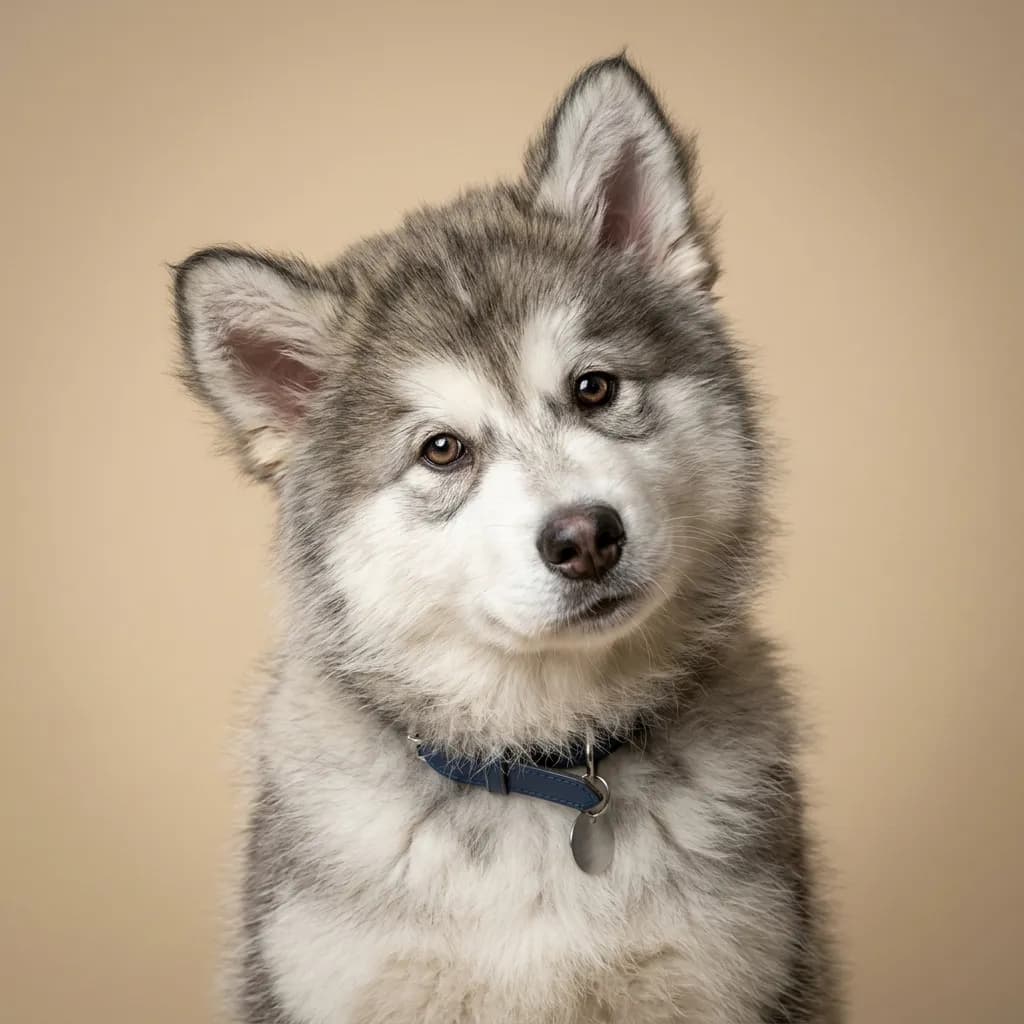
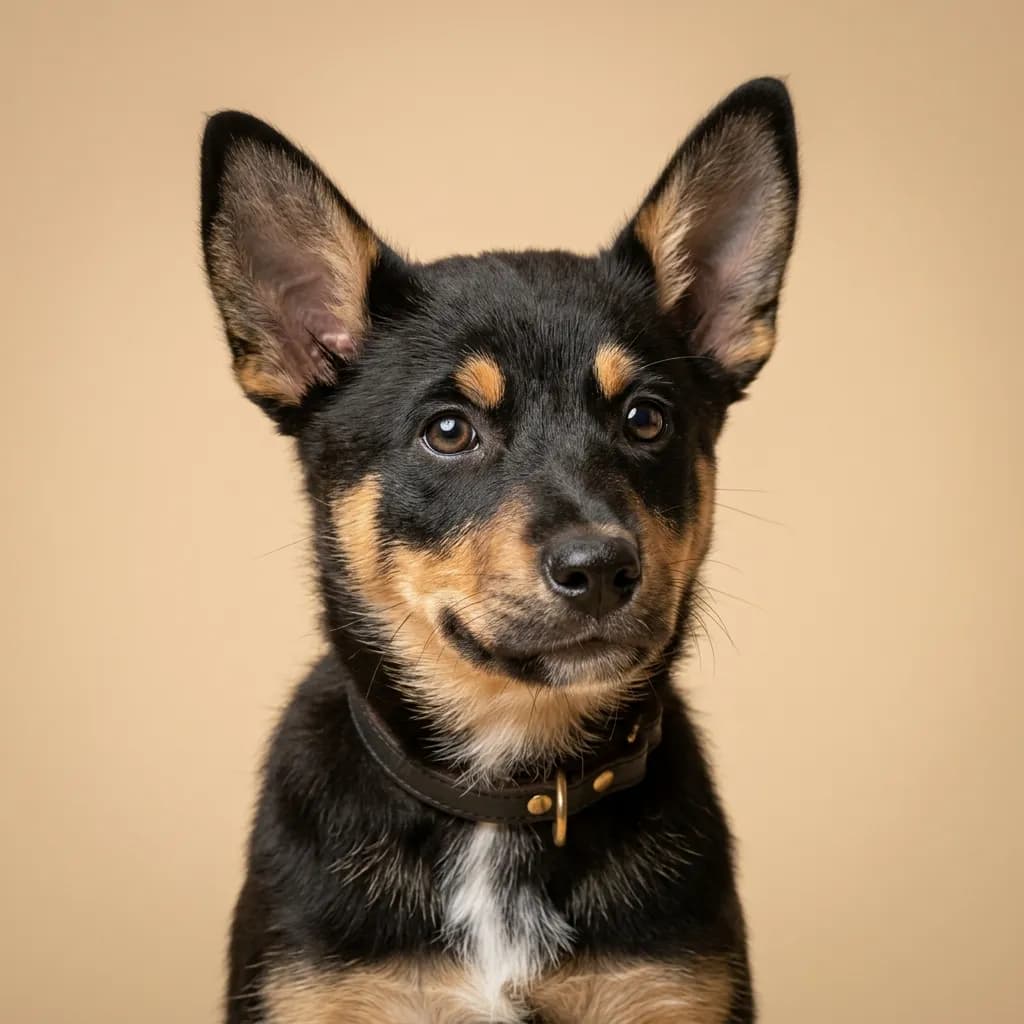
People don’t usually pit the Alaskan Malamute against the Australian Kelpie, but if you’re eyeing both, you’re probably drawn to smart, hardworking dogs with a wild streak. That’s where the similarities end. One was built to pull heavy loads through Arctic snow, the other to outrun heat and distance herding sheep under the Outback sun. You’re not just choosing size or coat. you’re choosing a lifestyle. The Malamute is the powerhouse. At 80 pounds of thick-coated muscle, this dog thrives where it’s cold and space is limitless. You’ll need a yard that feels like a tundra and the time to match its playful energy. It’s affectionate in its own stoic way and loyal to the family, but don’t expect obedience-school perfection. Malamutes have minds of their own and will ignore recall if a squirrel’s in view. They’re not guard dogs, but their presence is imposing. And yes, they shed. think tumbleweeds of fur in spring. The Kelpie is different energy entirely. Lean, intense, and built for motion, this 40-pound dynamo lives to work. It’s not just active. it needs a job. Without one, it’ll herd your kids, chase the vacuum, or bark at shadows. It bonds deeply and is more trainable than the Malamute, but it’s not a cuddler on demand. It loves you, but it’d rather be moving. Here’s the real talk: If you’re looking for a family pet that also hikes, the Malamute might surprise you. But if you want a dog that lives for tasks, agility, or farm work, the Kelpie is unmatched. The Malamute pulls weight. The Kelpie pulls focus. Pick based on what you value more. presence or purpose.
Trait-by-trait
Higher bar = more of that trait. Shedding, barking, drooling, grooming flipped for readability.Where they diverge
Choose the Alaskan Malamute if…
- Active people
- Cold climates
- Experienced owners
- You value coat grooming — Alaskan Malamute scores noticeably higher.
Choose the Australian Kelpie if…
- working farms and ranches
- very active owners
- canine sport enthusiasts
- You value mental stimulation needs — Australian Kelpie scores higher here.