Alaskan Malamute vs Australian Terrier
Side-by-side comparison across all 14 AKC trait ratings, with a clear verdict on which breed fits which kind of household.

Not sure which breed fits your life?
Answer five questions about your home, your schedule, and your tolerance for shedding. We’ll match you to your top three breeds from over 200.
Alaskan Malamute vs Australian Terrier
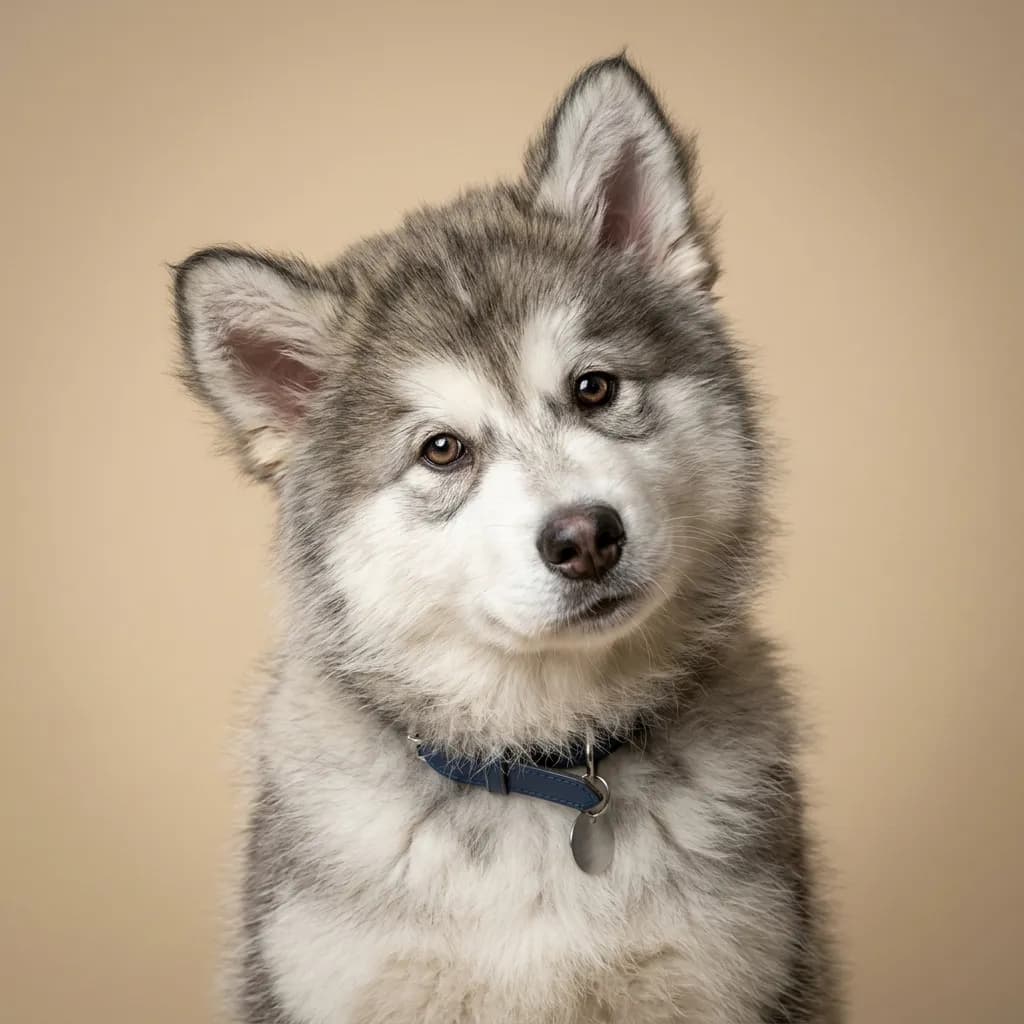
You’re not really comparing these two because they’re similar. you’re looking at them together because you’re torn between two kinds of dog love. One is the mighty, woolly sled dog from the Arctic, the other a scrappy little farmhand from down under. The Alaskan Malamute and Australian Terrier don’t just differ in size. They live in entirely different worlds. The Malamute is a force of nature. At 80 pounds of thick-coated muscle, it’s built for endurance in freezing cold, pulling heavy loads across snow. You’ll need space, time, and energy to match. They’re loyal and affectionate but independent thinkers. trainable with consistency, but don’t expect a lapdog. They shed heavily, need daily exercise, and can overheat easily. This isn’t a breed for city living or casual owners. The Australian Terrier is its opposite in scale but not spirit. Just 15 pounds of wiry confidence, it’s bold, alert, and thrives in apartments or houses alike. Bred to kill snakes and rodents, it’s got a high prey drive and won’t stop barking at squirrels. But it bonds tightly with its people, does well with kids, and sheds almost nothing. It’s adaptable, but not if you want silence. Choose the Malamute if you live in a cold climate, have a yard, and lead an active outdoor life. Choose the Aussie Terrier if you want a small, loyal watchdog who fits urban life but still needs mental challenges. Here’s the truth beyond the numbers: the Malamute will walk over you if you’re not firm. The Aussie Terrier will talk back. Both need strong leadership. but one could drag you into a snowbank, and the other will win every argument with a yap. Know your patience.
Trait-by-trait
Higher bar = more of that trait. Shedding, barking, drooling, grooming flipped for readability.Where they diverge
Choose the Alaskan Malamute if…
- Active people
- Cold climates
- Experienced owners
- You value shedding level — Alaskan Malamute scores noticeably higher.
Choose the Australian Terrier if…
- Apartments
- Families
- Seniors
- You value good with young children — Australian Terrier scores higher here.