Alaskan Malamute vs Border Collie
Side-by-side comparison across all 14 AKC trait ratings, with a clear verdict on which breed fits which kind of household.
Not sure which breed fits your life?
Answer five questions about your home, your schedule, and your tolerance for shedding. We’ll match you to your top three breeds from over 200.
Alaskan Malamute vs Border Collie
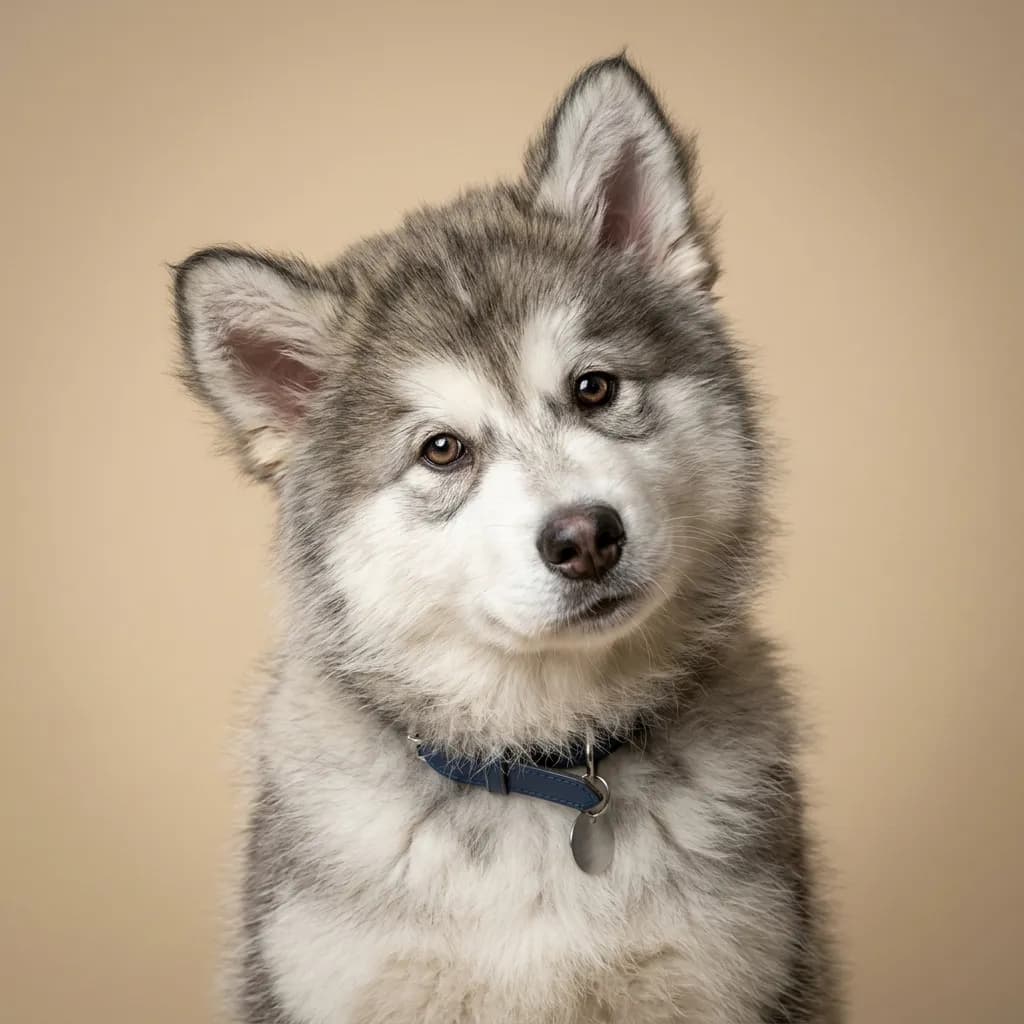
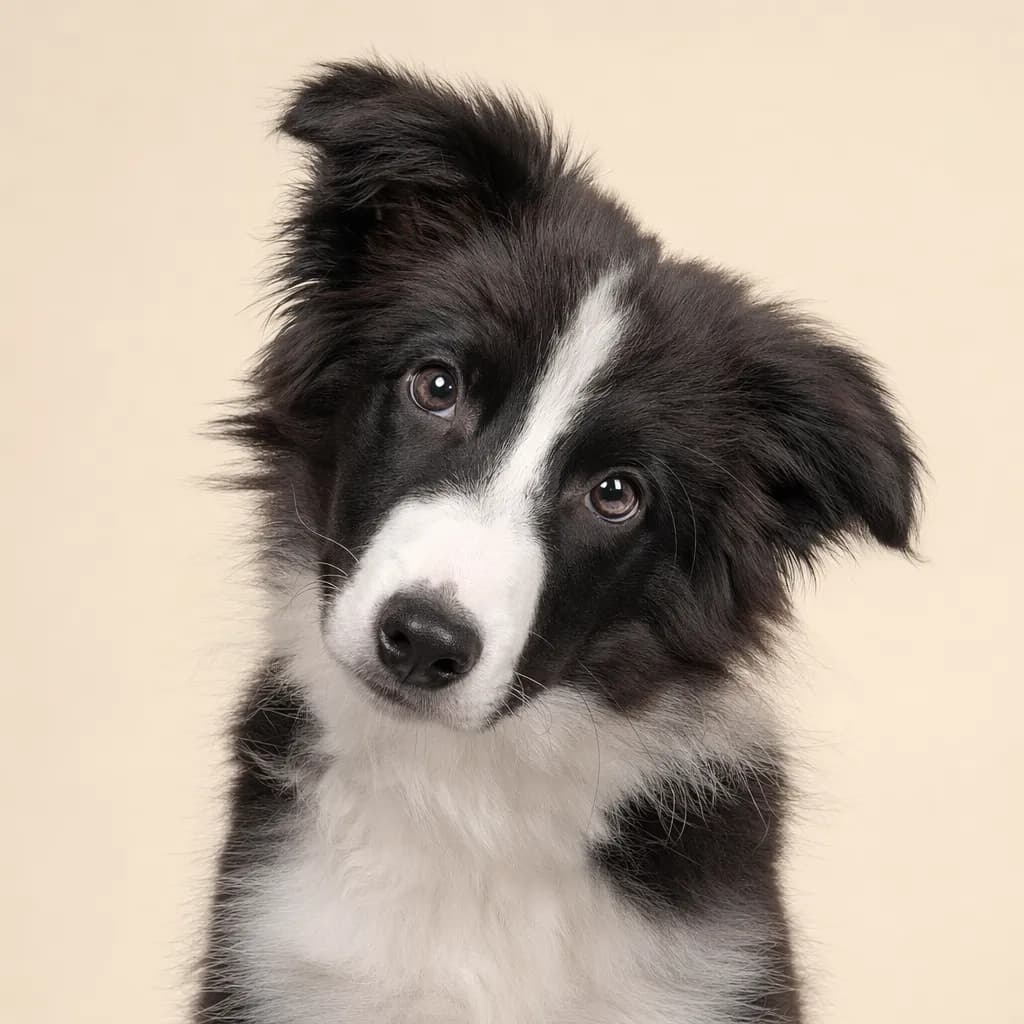
People compare Alaskan Malamutes and Border Collies because both are high-energy, intelligent dogs that demand an active lifestyle. But that’s where the similarities end. Think of it this way: the Malamute is your burly winter expedition partner, built to pull 1,000 pounds across frozen tundra in Alaska. The Border Collie is your precision athlete, bred to read sheep movements with laser focus on misty British hills. One thrives on raw power and endurance, the other on mental speed and control. If you’re choosing between them, ask not what they can do. but what you can give. Malamutes are loyal, playful, and affectionate, but they’re escape artists with a mind of their own. They need space, cold weather, and someone who doesn’t mind dog hair on everything. They’re not easily trained just because they’re smart. they’re smart in a “let me figure out how to open the gate” way. Border Collies, meanwhile, live for jobs. No job? They’ll invent one. like herding your kids or barking at shadows. They need mental work like most dogs need food. Here’s the real insight: Malamutes are pack animals at heart, happiest when they’re part of a family routine in a cold, rural setting. Border Collies bond deeply but need a job that challenges them daily. otherwise, they’ll develop neuroses. A bored Border Collie is a destructive force. Pick a Malamute if you hike, ski, or live above the snowline and want a big, cuddly beast who’ll pull your sled. Pick a Border Collie if you’re into agility, farming, or long trail runs and can commit to daily mental puzzles. Either way, first-time owners should walk away. both demand experience, but for very different reasons.
Trait-by-trait
Higher bar = more of that trait. Shedding, barking, drooling, grooming flipped for readability.Where they diverge
Choose the Alaskan Malamute if…
- Active people
- Cold climates
- Experienced owners
- You value watchdog / protective — Alaskan Malamute scores noticeably higher.
Choose the Border Collie if…
- Active people
- Dog sports enthusiasts
- Experienced owners
- You value affectionate w/ family — Border Collie scores higher here.