Alaskan Malamute vs Border Terrier
Side-by-side comparison across all 14 AKC trait ratings, with a clear verdict on which breed fits which kind of household.

Not sure which breed fits your life?
Answer five questions about your home, your schedule, and your tolerance for shedding. We’ll match you to your top three breeds from over 200.
Alaskan Malamute vs Border Terrier
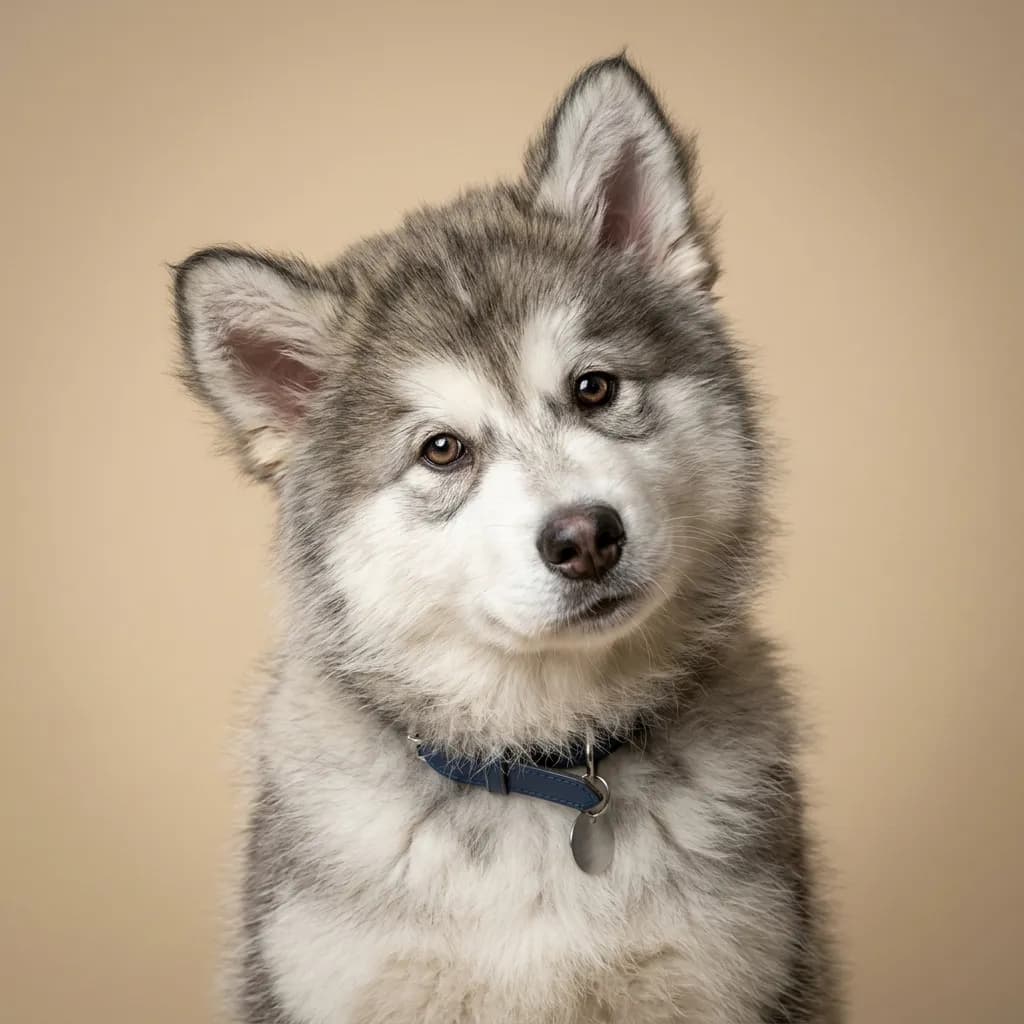
You’re not really comparing these two because they’re similar. You’re looking at them together because you’re torn between a fantasy: the raw power of a wolf-like sled dog and the scrappy charm of a wiry little fox hunter. One looks like it could pull a moose. The other could fit in your backpack. And that’s the heart of it. The Alaskan Malamute isn’t a pet in the traditional sense. It’s a force of nature. You don’t train a Malamute so much as negotiate with it. They’re loyal and affectionate, yes, but they come with 10,000 years of instinct to haul freight through blizzards. That means they need space, cold weather, and hours of physical work. Let them get bored and you’ll come home to a crater in your yard and a missing fence panel. They’re not great for first-time owners or city living, and their shedding? It’s not a season, it’s a lifestyle. The Border Terrier, meanwhile, was built to keep up with horses over rugged hills, but at 13 pounds, it’s built to live with you. anywhere. They’re adaptable, cheerful, and surprisingly easygoing for terriers. Great with kids, good in apartments if you walk them daily, and they won’t turn your couch into a fur sculpture. But don’t mistake their size for softness. That hunting drive is still there. Let them spot a squirrel and recall becomes a suggestion. Here’s the truth beyond the data: Malamutes demand a life built around them. Border Terriers fit into yours. Pick the Malamute if you want a partner in adventure and have the space, time, and stamina. Pick the Border Terrier if you want a loyal, low-drama companion who’s always up for a walk and fits neatly into real life.
Trait-by-trait
Higher bar = more of that trait. Shedding, barking, drooling, grooming flipped for readability.Where they diverge
Choose the Alaskan Malamute if…
- Active people
- Cold climates
- Experienced owners
- You value shedding level — Alaskan Malamute scores noticeably higher.
Choose the Border Terrier if…
- Active people
- Families
- Apartments (with exercise)
- You value good with young children — Border Terrier scores higher here.