Alaskan Malamute vs Slovensky Cuvac
Side-by-side comparison across all 14 AKC trait ratings, with a clear verdict on which breed fits which kind of household.
Not sure which breed fits your life?
Answer five questions about your home, your schedule, and your tolerance for shedding. We’ll match you to your top three breeds from over 200.
Alaskan Malamute vs Slovensky Cuvac
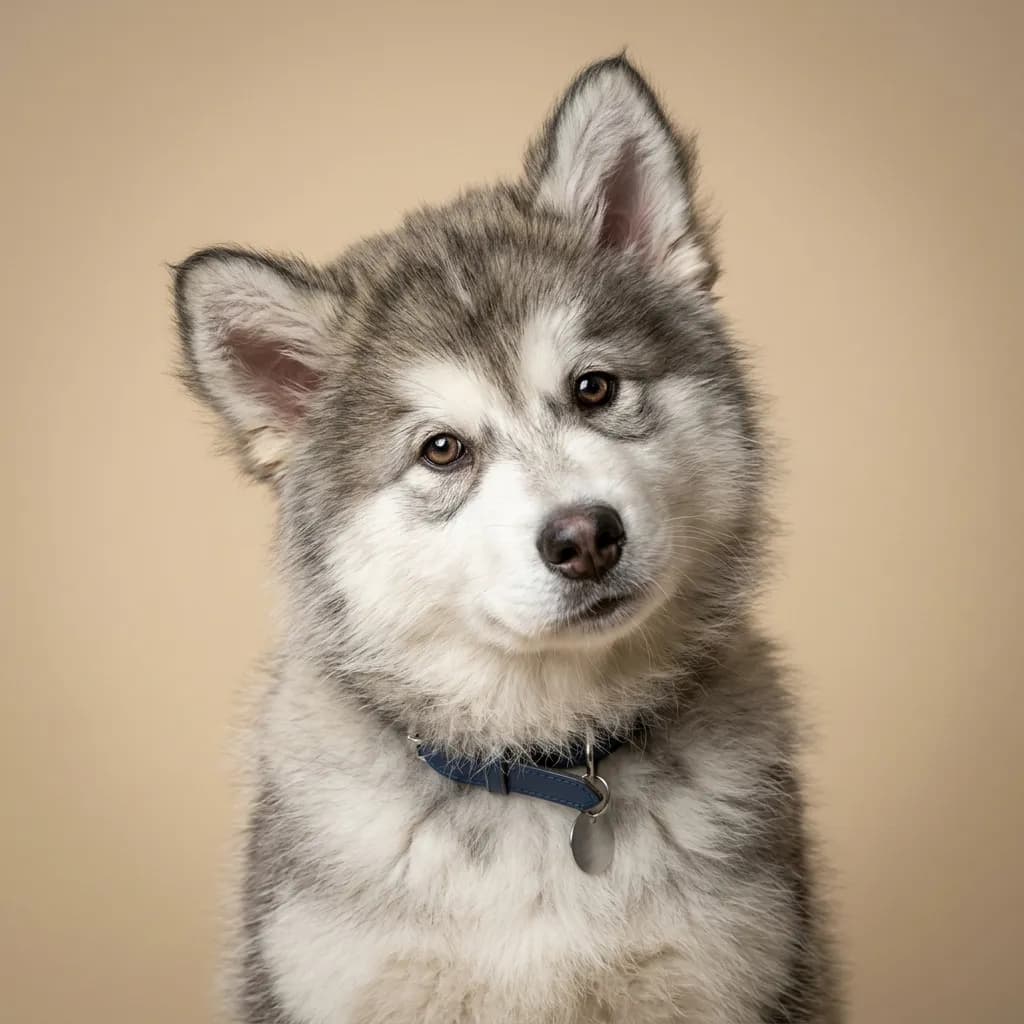
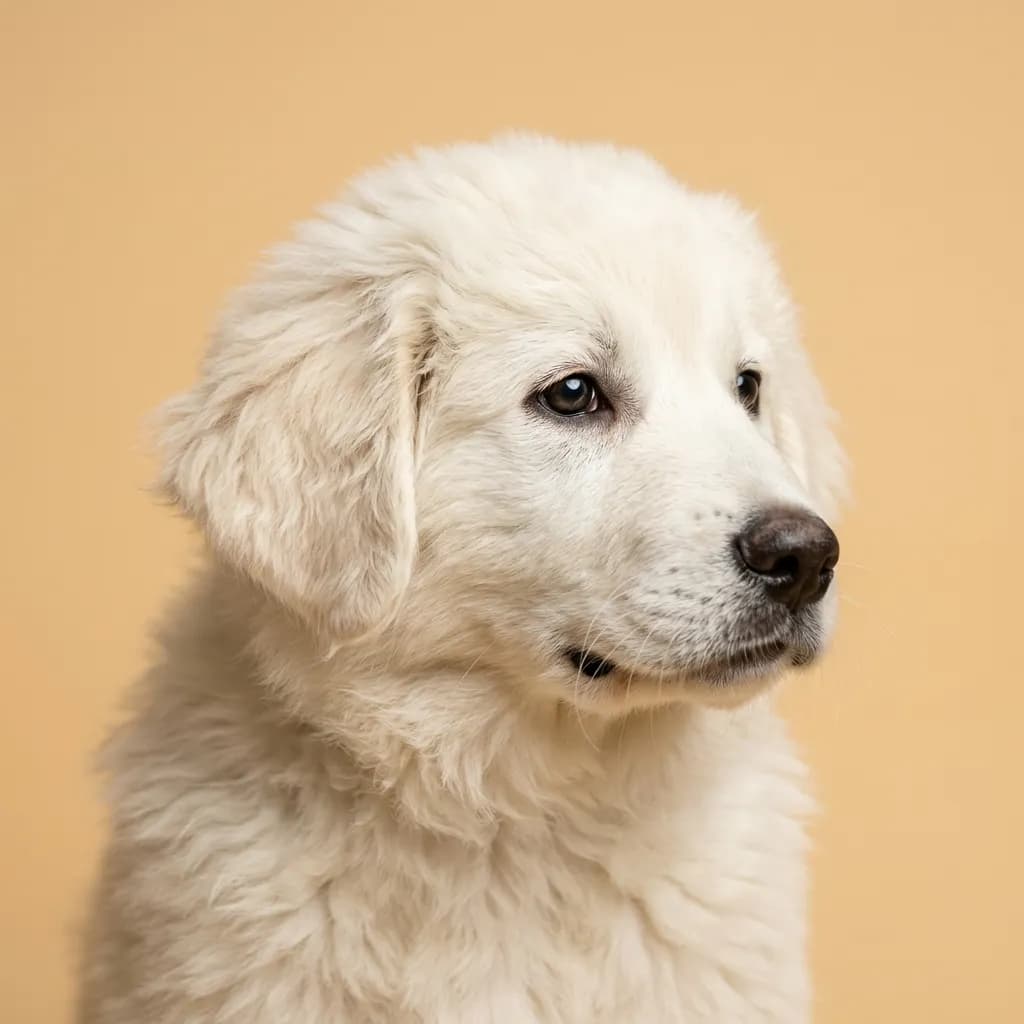
You don’t see these two lined up against each other often, but if you’re standing in snow up to your knees on a remote homestead, wondering which big white dog can handle isolation, cold, and real responsibility, the comparison starts to make sense. Both are powerful, weatherproof breeds built for harsh climates and serious work. But that’s where the similarity ends. The Alaskan Malamute is the athlete, bred to pull heavy sleds across frozen tundra in teams. He’s got that wolfish look, a thick double coat, and a deep need to be moving. He’ll knock you over with enthusiasm, then try to drag your snowmobile by the handle. He’s affectionate in a 150-pound toddler kind of way. loyal, playful, and stubborn as hell. You’ll need time, space, and patience. Training isn’t about obedience so much as negotiation. First-time owners? You’ll get eaten alive. The Slovensky Cuvac is quieter, more watchful. He’s not pulling sleds. he’s standing on a ridge at 2 a.m. scanning for predators. Bred to guard sheep in the Carpathians, he’s independent by design. He won’t bark much, but he’ll act without waiting for permission. His loyalty runs deep with his family, especially kids, but he’s not looking to please you like the Malamute does. He’s more “silent protector” than “adventure buddy.” If you want a dog to run with, train actively, and live closely with in a structured routine, go Malamute. If you need a calm, imposing guardian for land and livestock. one who makes his own decisions. choose the Cuvac. Here’s the real talk: both need experienced hands, but for different reasons. The Malamute will out-will you. The Cuvac will out-think you. Know which battle you’re ready for.
Trait-by-trait
Higher bar = more of that trait. Shedding, barking, drooling, grooming flipped for readability.Where they diverge
Choose the Alaskan Malamute if…
- Active people
- Cold climates
- Experienced owners
- You value trainability — Alaskan Malamute scores noticeably higher.
Choose the Slovensky Cuvac if…
- experienced large-breed owners
- farms and large properties
- cold climates
- You value drooling level — Slovensky Cuvac scores higher here.