Alaskan Malamute vs English Foxhound
Side-by-side comparison across all 14 AKC trait ratings, with a clear verdict on which breed fits which kind of household.

Not sure which breed fits your life?
Answer five questions about your home, your schedule, and your tolerance for shedding. We’ll match you to your top three breeds from over 200.
Alaskan Malamute vs English Foxhound
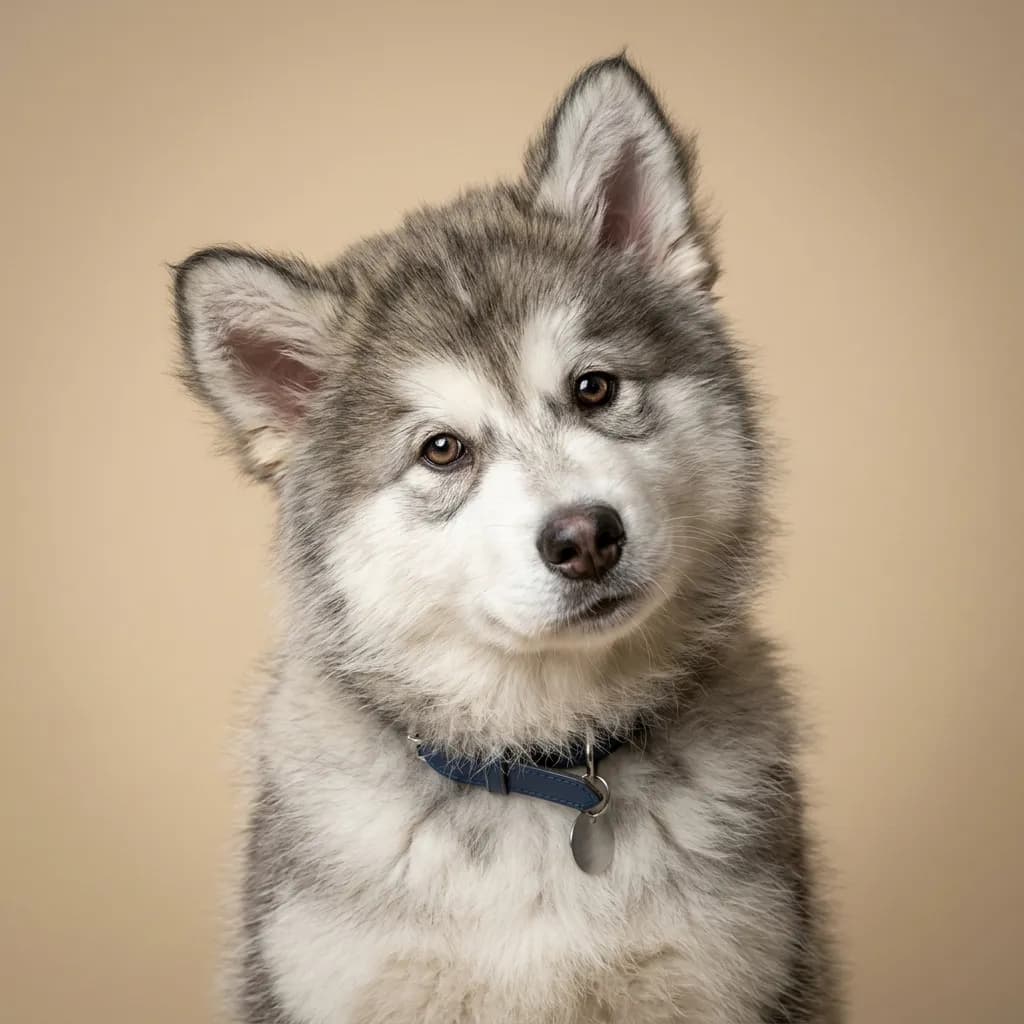
People compare Alaskan Malamutes and English Foxhounds because both are big, active, pack-oriented dogs that need serious space and exercise. But that’s where the similarities end. Think of it this way: the Malamute is your intense, loyal sled-driving partner in crime, built for enduring Arctic winters and hauling heavy loads with quiet determination. The Foxhound is the cheerful, full-throated hunter built for covering miles across open countryside, baying with the pack, and thriving in groups. If you're on a farm or in the country and live to hunt or ride, the Foxhound fits right in. They’re gentle, social, and fantastic with kids, but don’t expect them to bond like a Velcro dog. They’re affectionate in a group, not intensely personal. And that voice. If you don’t want a dog that’ll announce every squirrel at 6 a.m. skip this breed. The Malamute? They’ll pull you through snowdrifts and sleep in subzero temps, no problem. But they’re not built for heat or small spaces. They’re loyal and playful, but stubborn as hell. Training takes patience. And don’t be fooled by their wolf-like beauty. they’re escape artists and will follow a scent like it’s their job, because it was. Here’s the real talk: Malamutes need a job and a strong leader. Foxhounds need companionship and room to roam. Pick the Malamute if you want a powerful, independent partner for rugged outdoor life. Pick the Foxhound if you want a friendly, energetic hound that thrives in a pack, not in your lap. One is a survivalist. The other is a team player. You’ve got to choose your tribe.
Trait-by-trait
Higher bar = more of that trait. Shedding, barking, drooling, grooming flipped for readability.Where they diverge
Choose the Alaskan Malamute if…
- Active people
- Cold climates
- Experienced owners
- You value coat grooming — Alaskan Malamute scores noticeably higher.
Choose the English Foxhound if…
- Hunters and equestrian households
- Active families
- Rural environments
- You value affectionate w/ family — English Foxhound scores higher here.