Alaskan Malamute vs Eurasier
Side-by-side comparison across all 14 AKC trait ratings, with a clear verdict on which breed fits which kind of household.
Not sure which breed fits your life?
Answer five questions about your home, your schedule, and your tolerance for shedding. We’ll match you to your top three breeds from over 200.
Alaskan Malamute vs Eurasier
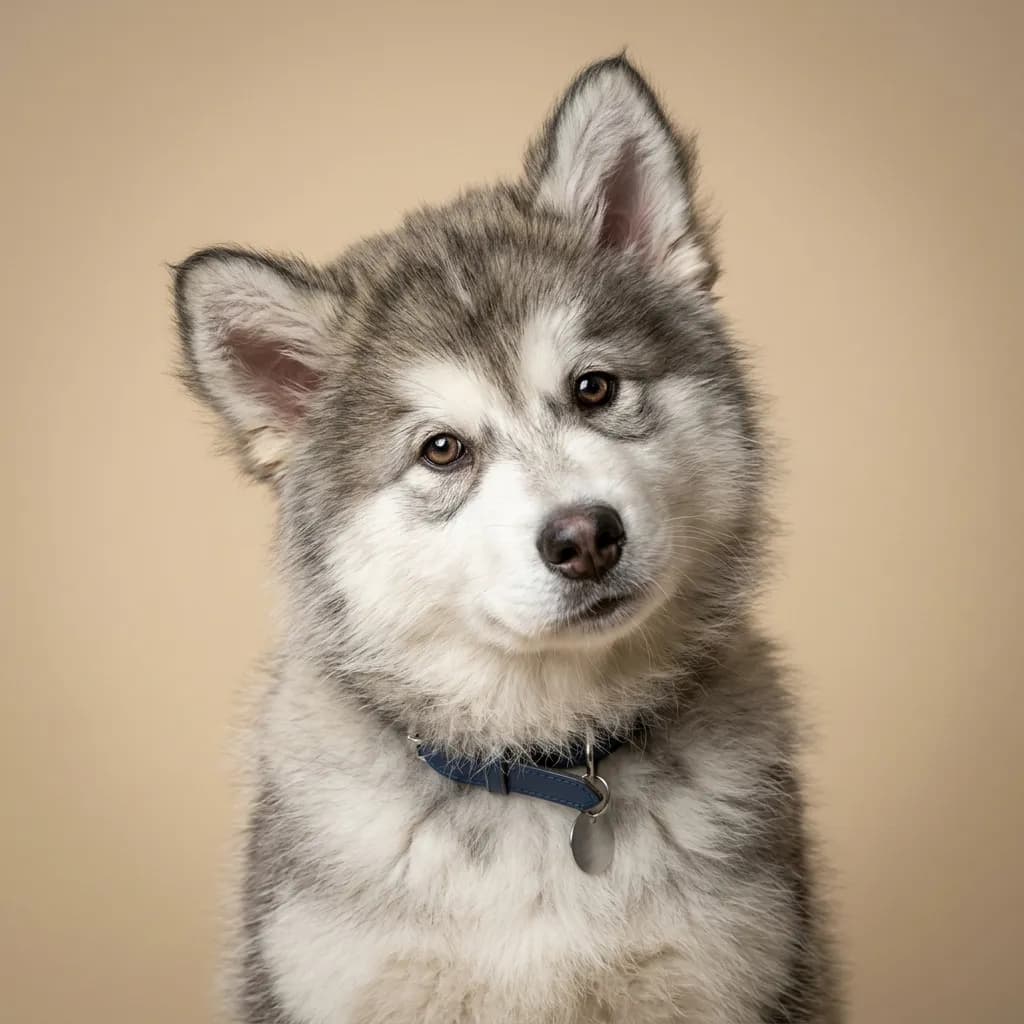
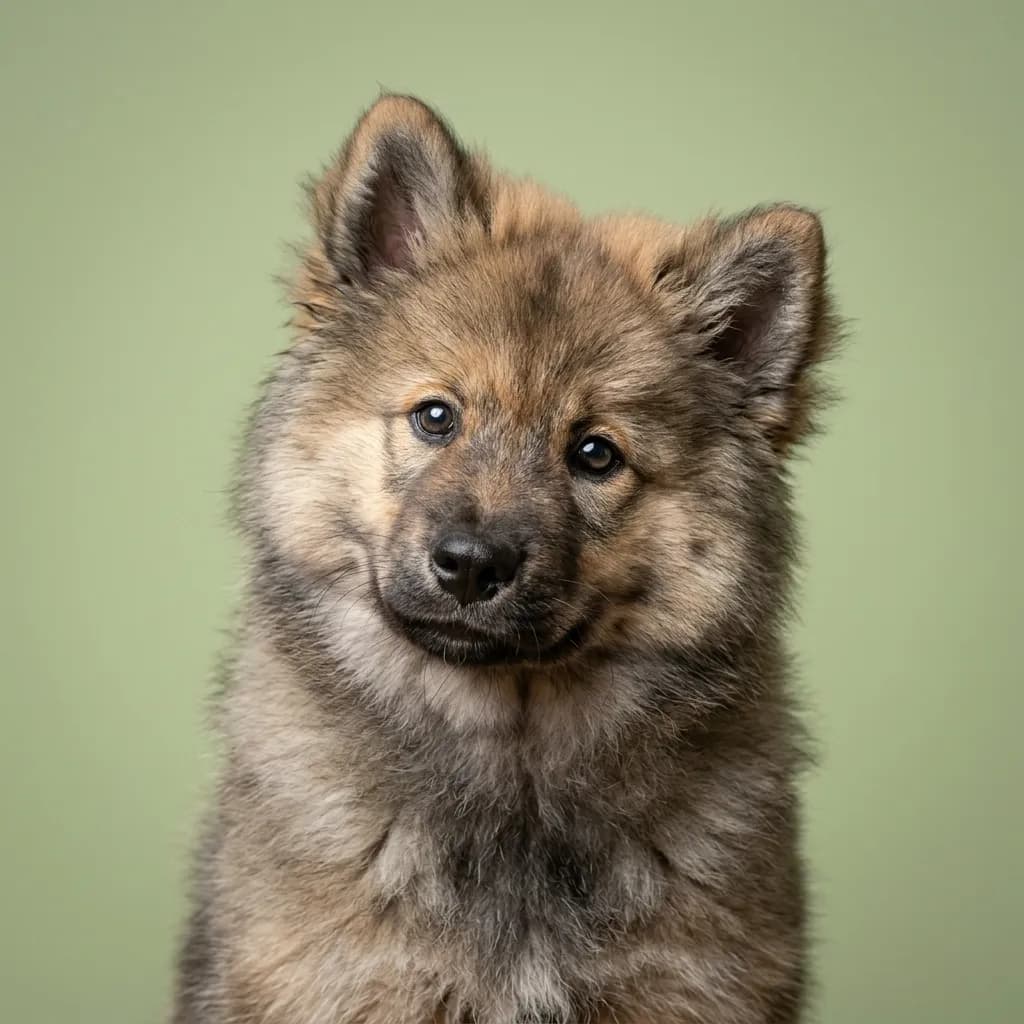
People compare Alaskan Malamutes and Eurasiers because both are spitz-type dogs with thick coats, wolf-like looks, and a calm dignity that turns heads. At first glance, you might think they’re cut from the same Arctic cloth. especially if you’re drawn to majestic, well-built dogs with a reserved side. But living with one versus the other? That’s where the paths split hard. The Malamute is a powerhouse built for endurance, bred to haul freight across frozen tundra. You’ll feel that history in their need for space, cold weather, and serious daily exercise. They’re affectionate with family but stubborn enough to make first-time owners pull their hair out. Don’t expect a watchdog. they’re too friendly. but do expect a dog that will outlast your weekend hikes and still want more. Just know they shed like a snowstorm in spring and need experienced handling. The Eurasier, on the other hand, was crafted in post-war Germany to be the balanced companion: calm, thoughtful, deeply bonded but not clingy. They’re smaller, more adaptable in routine, and genuinely thrive in family life. Kids? They’re better with them than Malamutes. Training goes smoother, but you’ll still need patience. They’re not lazy, but they won’t demand a 10-mile trek either. Here’s the real talk: Malamutes change your life. You’ll plan vacations around dog care and buy snow tires in July. Eurasiers fit into your life. quietly, thoughtfully, with a wag and a watchful eye. Pick the Malamute if you live above the snowline and live outdoors. Pick the Eurasier if you want a dog who feels like a quiet understanding presence at the heart of your home.
Trait-by-trait
Higher bar = more of that trait. Shedding, barking, drooling, grooming flipped for readability.Where they diverge
Choose the Alaskan Malamute if…
- Active people
- Cold climates
- Experienced owners
- You value good with strangers — Alaskan Malamute scores noticeably higher.
Choose the Eurasier if…
- families seeking a calm companion
- homes with children
- experienced but patient owners
- You value affectionate w/ family — Eurasier scores higher here.