Alaskan Malamute vs German Spitz
Side-by-side comparison across all 14 AKC trait ratings, with a clear verdict on which breed fits which kind of household.
Not sure which breed fits your life?
Answer five questions about your home, your schedule, and your tolerance for shedding. We’ll match you to your top three breeds from over 200.
Alaskan Malamute vs German Spitz
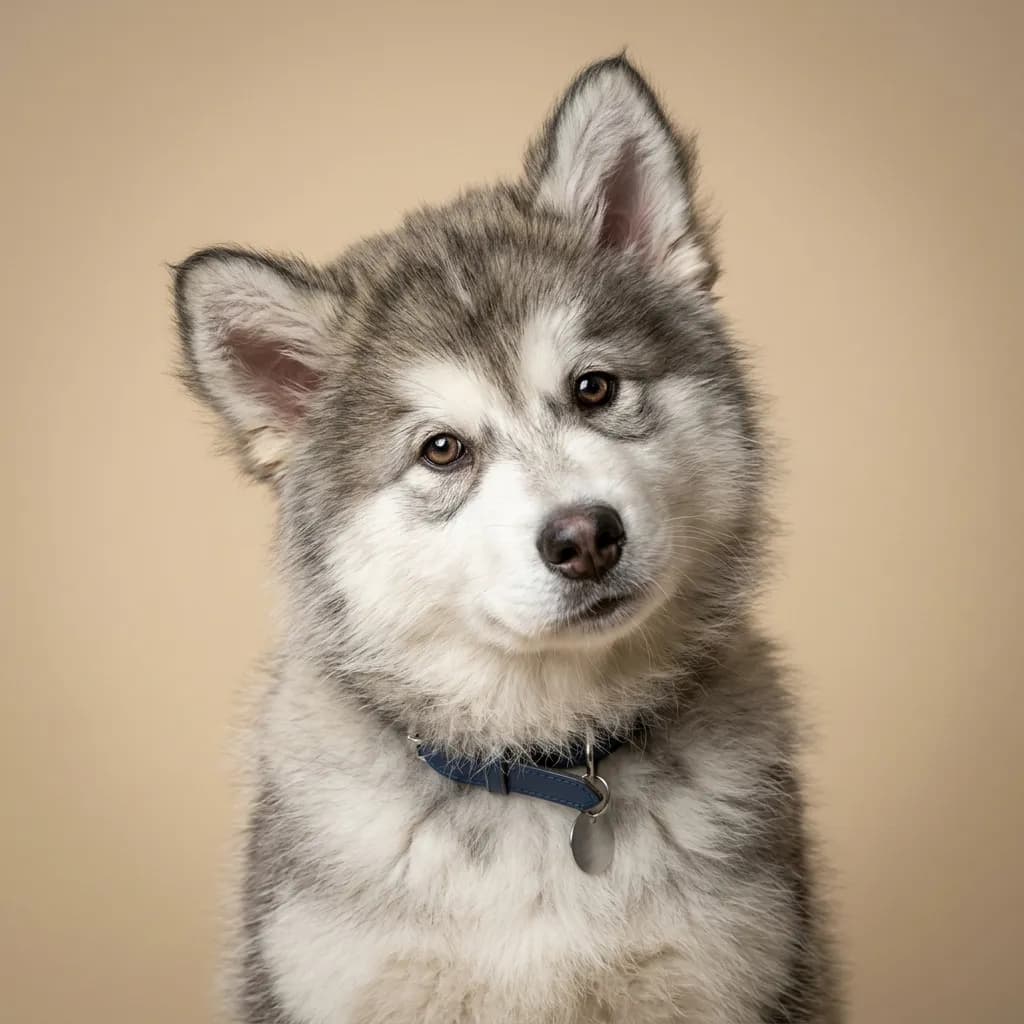
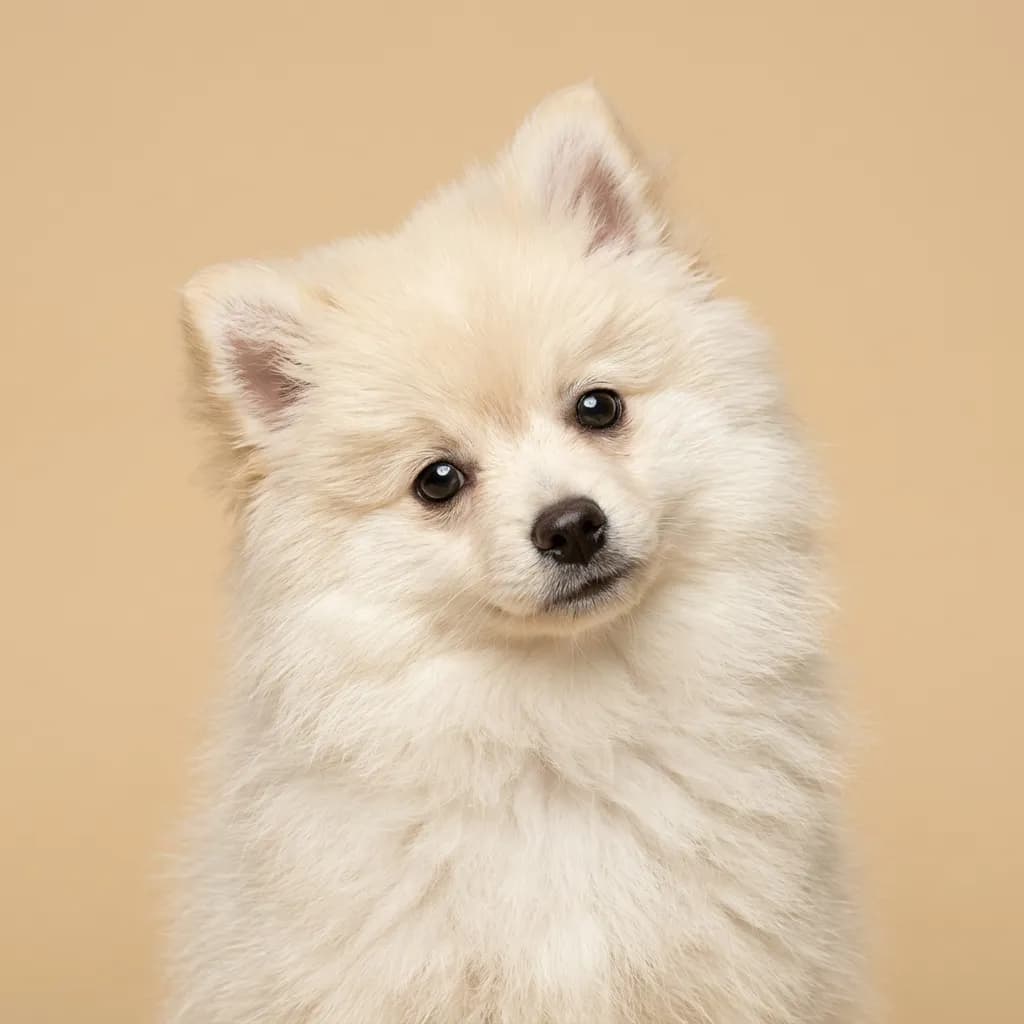
You don’t see these two in the same conversation much. on paper, they’re polar opposites. But I get why someone might be torn. Both are fluffy, fox-faced, and come from cold climates, so if you’re drawn to that “snow-dweller” look with a wild edge, it’s easy to get confused. Here’s the real story. The Alaskan Malamute is built like a snowplow. These dogs were bred to haul freight across frozen tundra, not sit on laps. You’ll need space, time, and serious outdoor plans. They’re loyal and affectionate but not always eager to please. They’ll look at you mid-training like, “We both know I could pull a sled loaded with meat better than you can teach me to sit.” They’re not for apartment life or hot cities. If you live in Arizona or don’t hike, ski, or at least walk five miles a day, don’t bring one home. The German Spitz is the opposite. Tiny, alert, and always watching, this dog thinks it’s a 100-pound guard. It’s perfect for city living or small homes. It bonds deeply and adapts well, but. fair warning. it barks. At mail carriers, squirrels, shadows. If you want peace and quiet, this isn’t your dog. But for a first-time owner who wants a devoted, trainable companion, it’s a great fit. Here’s the thing no one mentions: Malamutes aren’t pack leaders, but they’re not followers either. They’re partners. You’ll never fully “own” one. The Spitz, though? It wants to please. It’ll remember commands faster and cuddle on cue. But it needs consistency, or it’ll turn into a yappy little dictator. Pick the Malamute if you want a wilderness companion. Pick the Spitz if you want a vigilant little shadow. One pulls sleds. The other pulls your heartstrings.
Trait-by-trait
Higher bar = more of that trait. Shedding, barking, drooling, grooming flipped for readability.Where they diverge
Choose the Alaskan Malamute if…
- Active people
- Cold climates
- Experienced owners
- You value watchdog / protective — Alaskan Malamute scores noticeably higher.
Choose the German Spitz if…
- Apartment dwellers
- Families with children
- Alert watchdog
- You value barking level — German Spitz scores higher here.