Alaskan Malamute vs Otterhound
Side-by-side comparison across all 14 AKC trait ratings, with a clear verdict on which breed fits which kind of household.
Not sure which breed fits your life?
Answer five questions about your home, your schedule, and your tolerance for shedding. We’ll match you to your top three breeds from over 200.
Alaskan Malamute vs Otterhound
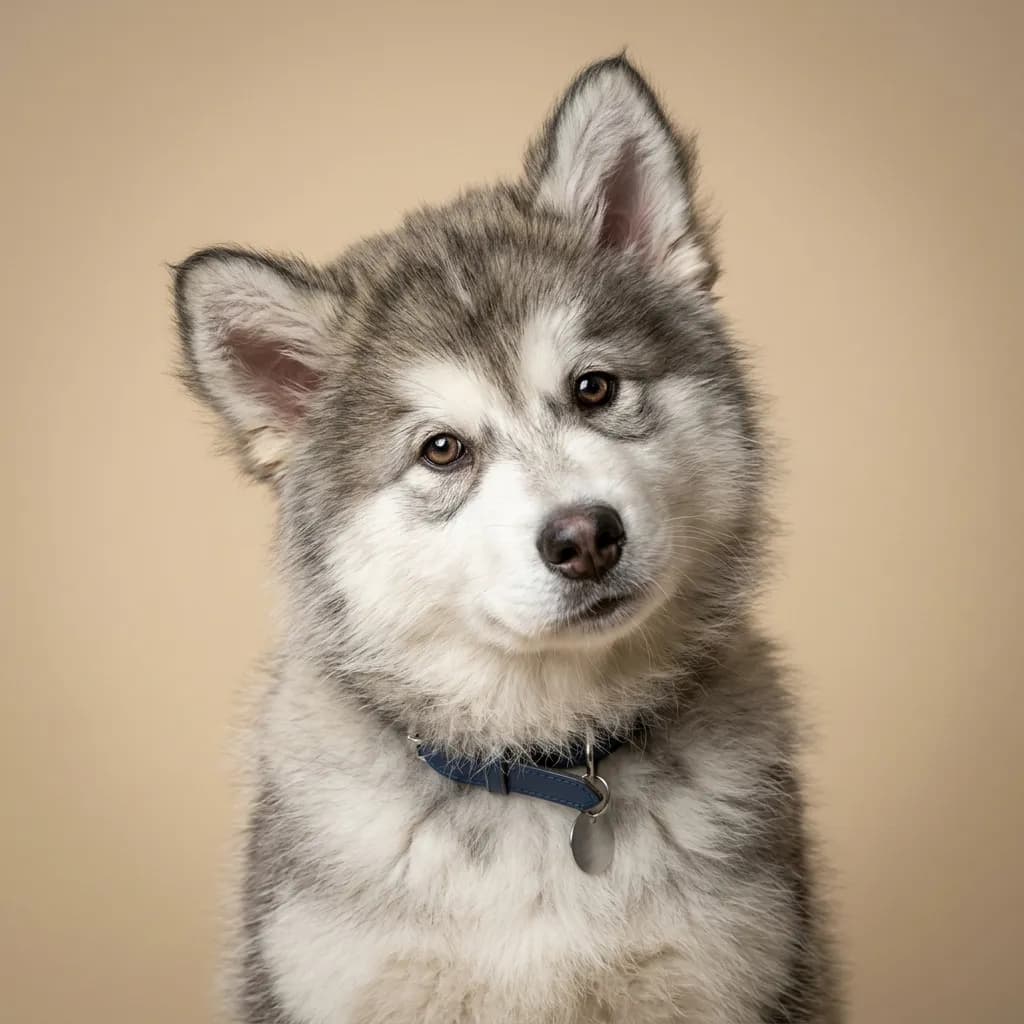
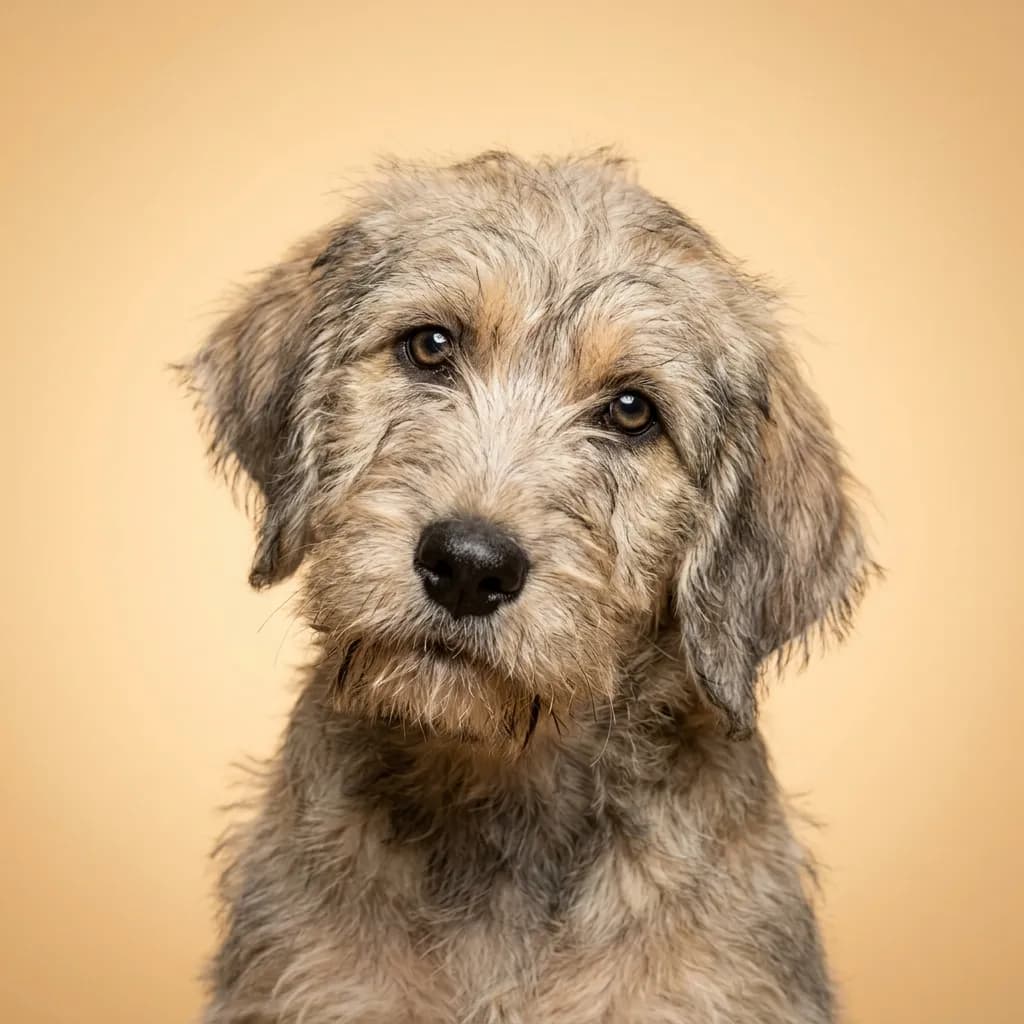
People don’t usually line up an Alaskan Malamute and an Otterhound in their heads, but they do end up comparing them. usually because they’re both big, shaggy, rare dogs that look like they should come with a soundtrack of thunder and wilderness. The real story isn’t in their looks, though. It’s in what they do with their days and who can actually keep up. The Malamute is a powerhouse built for frozen expanses. You’re not just adopting a dog. you’re signing up for a sled team co-captain. These dogs thrive when they’re working, pulling, or hiking 10 miles in the snow. They’re loyal and affectionate but will test a first-time owner fast. Their independence isn’t stubbornness. it’s centuries of making decisions in blizzard conditions. You’ll need space, cold weather, and the energy to match theirs. Skip this breed if your idea of adventure is walking to the fridge. The Otterhound? Imagine the Malamute’s scruffier, more social cousin who grew up by an English river and never met a puddle he didn’t love. Boisterous and goofy, they’re water-obsessed, loud barkers with a coat that smells like wet dog. permanently. They’re more adaptable than Malamutes, happy in a big yard with a stream, but good luck calling them back once they catch a scent. Training is possible, but it’s a negotiation. Here’s the real talk: Malamutes need purpose. Otterhounds need forgiveness. for the drool, the bark, the muddy paws at 2 a.m. after a midnight swim. Choose the Malamute if you want a stoic partner in extreme adventure. Choose the Otterhound if you want a loving, chaotic character who turns every walk into a spectacle. Both are rare for a reason. they aren’t for everyone, and that’s exactly why the right person will fall hard.
Trait-by-trait
Higher bar = more of that trait. Shedding, barking, drooling, grooming flipped for readability.Where they diverge
Choose the Alaskan Malamute if…
- Active people
- Cold climates
- Experienced owners
- You value shedding level — Alaskan Malamute scores noticeably higher.
Choose the Otterhound if…
- Active families
- Rural settings
- Outdoor and swimming enthusiasts
- You value affectionate w/ family — Otterhound scores higher here.