Alaskan Malamute vs Puli
Side-by-side comparison across all 14 AKC trait ratings, with a clear verdict on which breed fits which kind of household.
Not sure which breed fits your life?
Answer five questions about your home, your schedule, and your tolerance for shedding. We’ll match you to your top three breeds from over 200.
Alaskan Malamute vs Puli
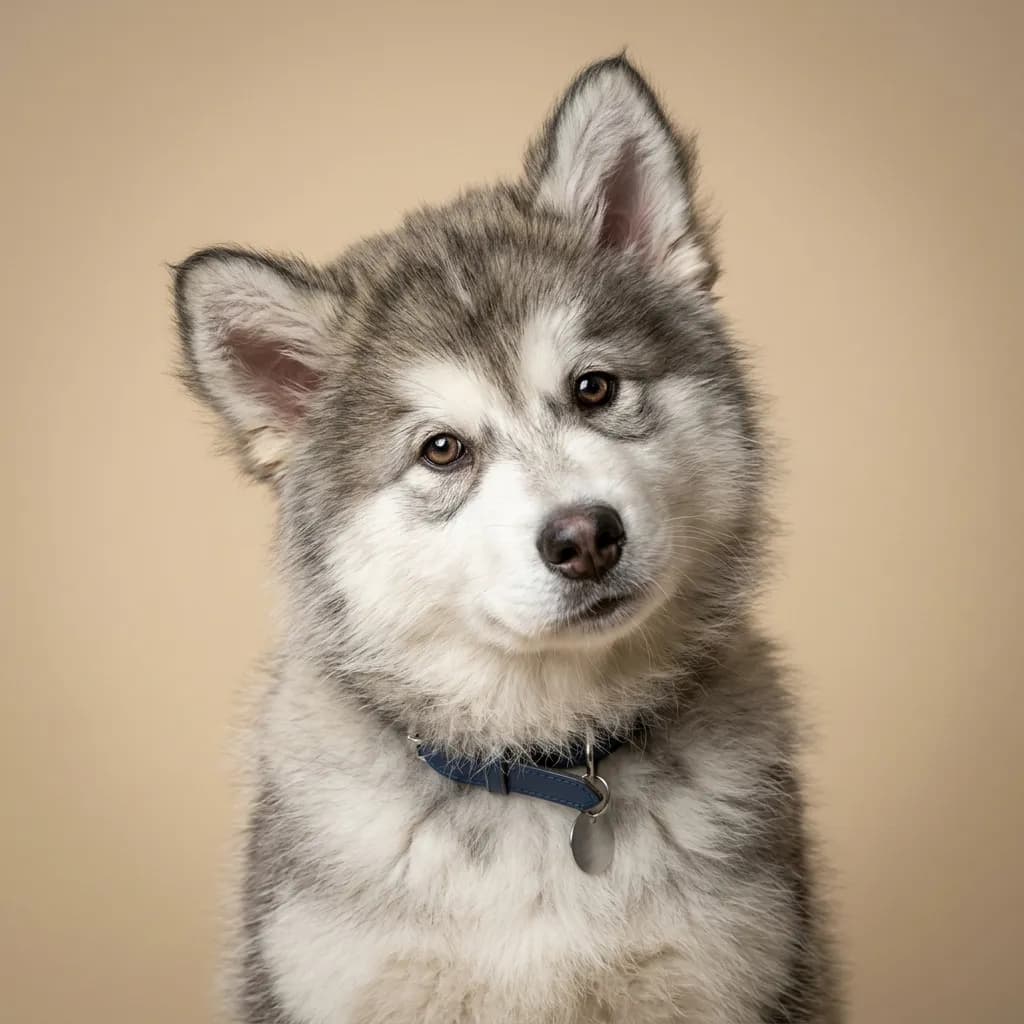
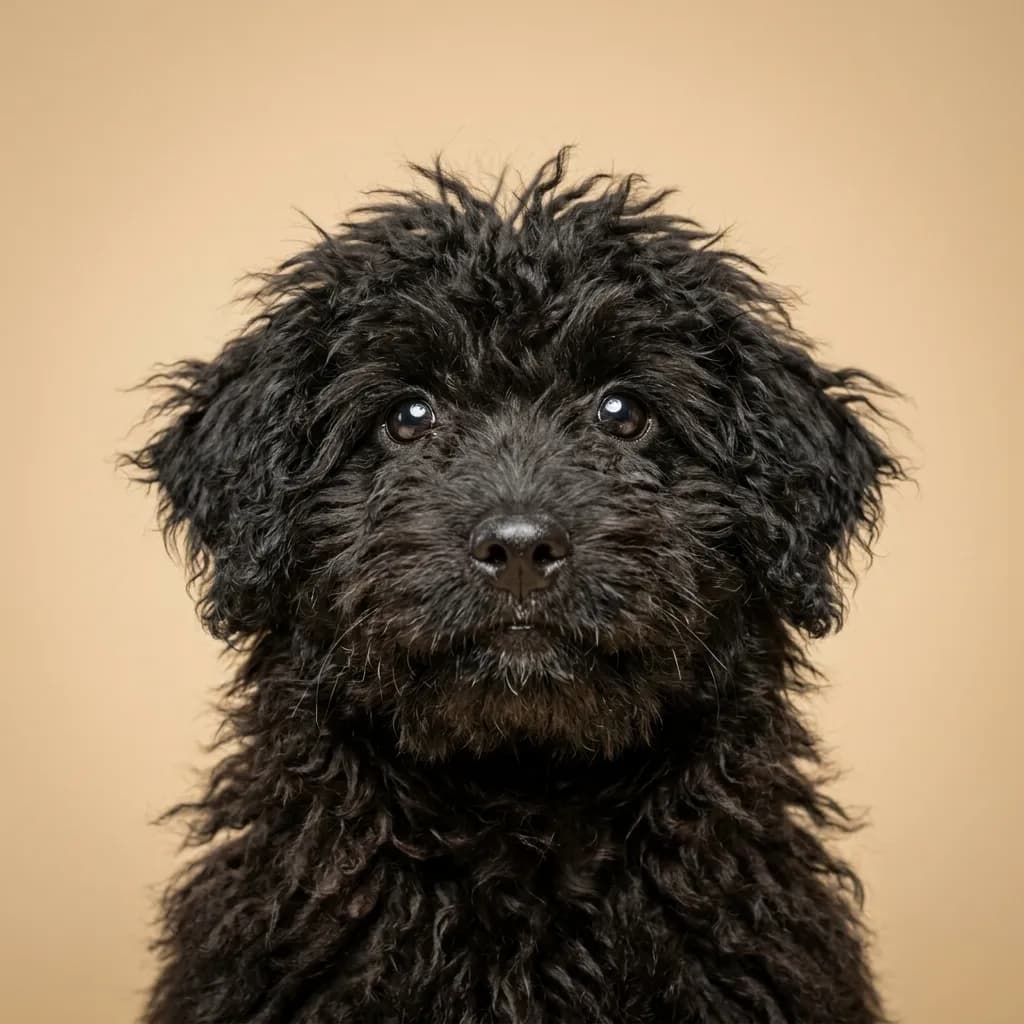
People compare Malamutes and Pulis because both are high-maintenance in their own ways, and both look like they stepped out of a fairy tale. But that’s where the similarities end. If you’re choosing between them, you’re really asking yourself two different questions: Do I want a force of nature, or a shadow in a cloud? The Alaskan Malamute is built for endurance, not obedience. This dog was born to pull heavy loads across frozen tundra, and it shows. You’ll need space, cold weather, and the stamina to keep up with 80 pounds of playful, stubborn muscle. They’re loyal and affectionate, but not particularly adaptable. Living in an apartment in Texas? That’s a one-way ticket to behavioral meltdown. They’re also escape artists with a prey drive you can’t train away. The Puli, in contrast, is half the size but twice the personality in some ways. That iconic corded coat isn’t just for show. it’s high maintenance and requires daily care. But Pulis thrive on mental work and connection. They’re bred to think, to guard, to stay close to their people. They adapt better to different living situations and will stick to you like velcro. Their intelligence is sharp, almost relentless. If you’re not engaging them, they’ll find their own job. usually involving barking at the mailman or herding your kids. Here’s the insight no one talks about: the Malamute will love you deeply but on its own terms. The Puli will love you just as deeply, but it expects you to be its entire world. If you’re gone all day, the Puli will suffer. The Malamute might just nap. Choose the Malamute if you’re an adventurer with space and time. Choose the Puli if you want a brilliant, loyal companion who needs to be part of everything you do.
Trait-by-trait
Higher bar = more of that trait. Shedding, barking, drooling, grooming flipped for readability.Where they diverge
Choose the Alaskan Malamute if…
- Active people
- Cold climates
- Experienced owners
- You value shedding level — Alaskan Malamute scores noticeably higher.
Choose the Puli if…
- Active families
- Experienced dog owners
- Those wanting a unique coat
- You value affectionate w/ family — Puli scores higher here.