Alaskan Malamute vs Rottweiler
Side-by-side comparison across all 14 AKC trait ratings, with a clear verdict on which breed fits which kind of household.
Not sure which breed fits your life?
Answer five questions about your home, your schedule, and your tolerance for shedding. We’ll match you to your top three breeds from over 200.
Alaskan Malamute vs Rottweiler
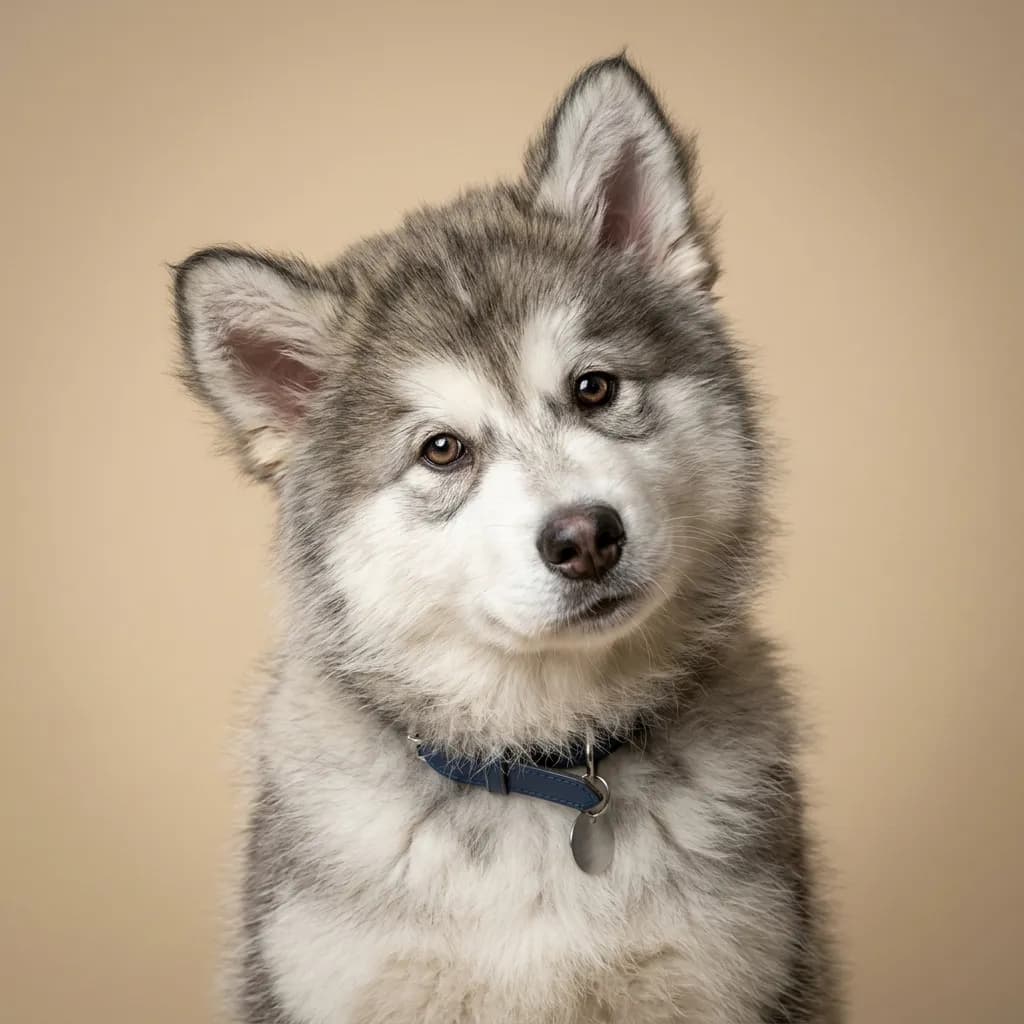
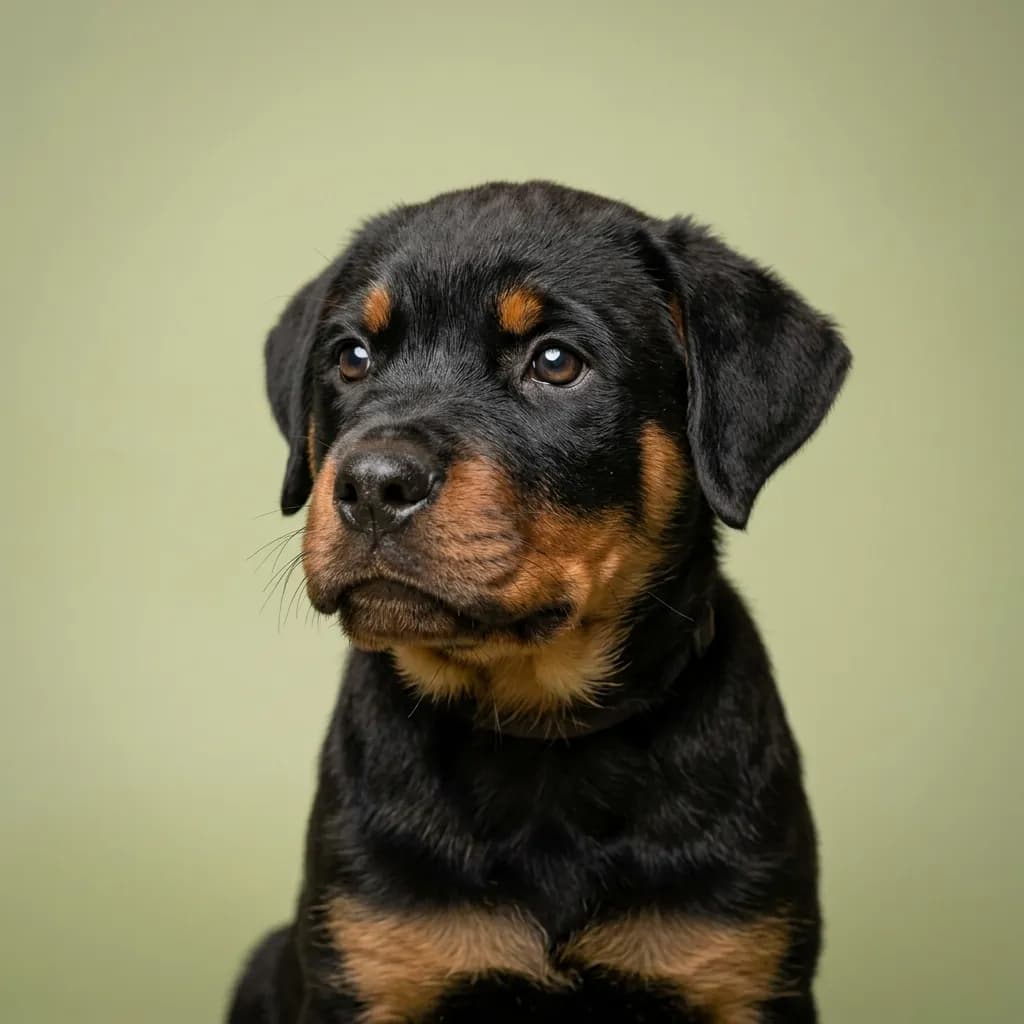
People toss Malamutes and Rottweilers into the same "big dog" category, but that’s where the similarity ends. Both are powerful, loyal, and demand experience. but one was born for frozen tundra endurance, the other for grounded, urban muscle. If you’re picturing a dog that commands space and respect, you’re probably torn between these two. Let’s cut through the fluff. The Malamute is a snow-gobbling freight dog with a wolfish grin and a stubborn streak. They’re affectionate but independent, built for 30-mile days in -40° weather. That means they need serious space and activity. You don’t own a Malamute. you negotiate with it. They’ll charm your kids one minute, ignore your recall the next. Hot climates? Forget it. Apartment? No way. They’re happiest hauling weight or power-walking through deep snow. The Rottweiler, by contrast, is a precision instrument. Calmer, more alert, and deeply people-focused. They’re not barkers, but they’re watchful. You’ll find them closer at your heel, tuned into your energy. They adapt better to suburban life and thrive under strong, consistent leadership. With their shorter coat and denser frame, they handle heat a bit better. though bloat is a real concern given their deep chest. Here’s the truth beyond breed standards: Malamutes are athletes with a side of mischief. Rottweilers are protectors with a soft heart. If you want a dog that feels like a wild force tamed, go Malamute. If you want a loyal shadow who’ll guard the family with quiet confidence, pick the Rottweiler. Just don’t expect either to be easy. Both cost over $1,000, live around a decade, and need owners who’ve done their homework. One wrong move with either, and you’ll know.
Trait-by-trait
Higher bar = more of that trait. Shedding, barking, drooling, grooming flipped for readability.Where they diverge
Choose the Alaskan Malamute if…
- Active people
- Cold climates
- Experienced owners
- You value coat grooming — Alaskan Malamute scores noticeably higher.
Choose the Rottweiler if…
- Experienced dog owners
- Active families
- Protection and working dog roles
- You value affectionate w/ family — Rottweiler scores higher here.