Alaskan Malamute vs Stabyhoun
Side-by-side comparison across all 14 AKC trait ratings, with a clear verdict on which breed fits which kind of household.
Not sure which breed fits your life?
Answer five questions about your home, your schedule, and your tolerance for shedding. We’ll match you to your top three breeds from over 200.
Alaskan Malamute vs Stabyhoun
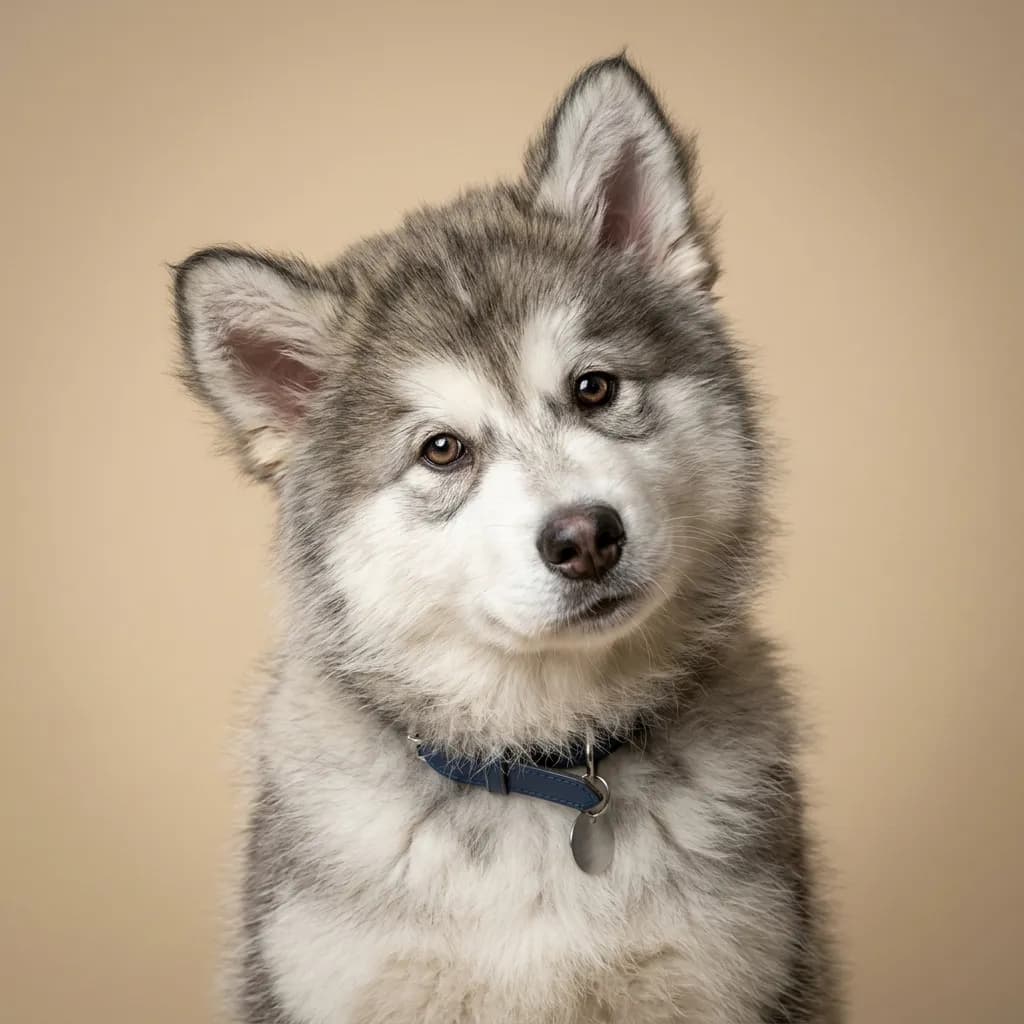
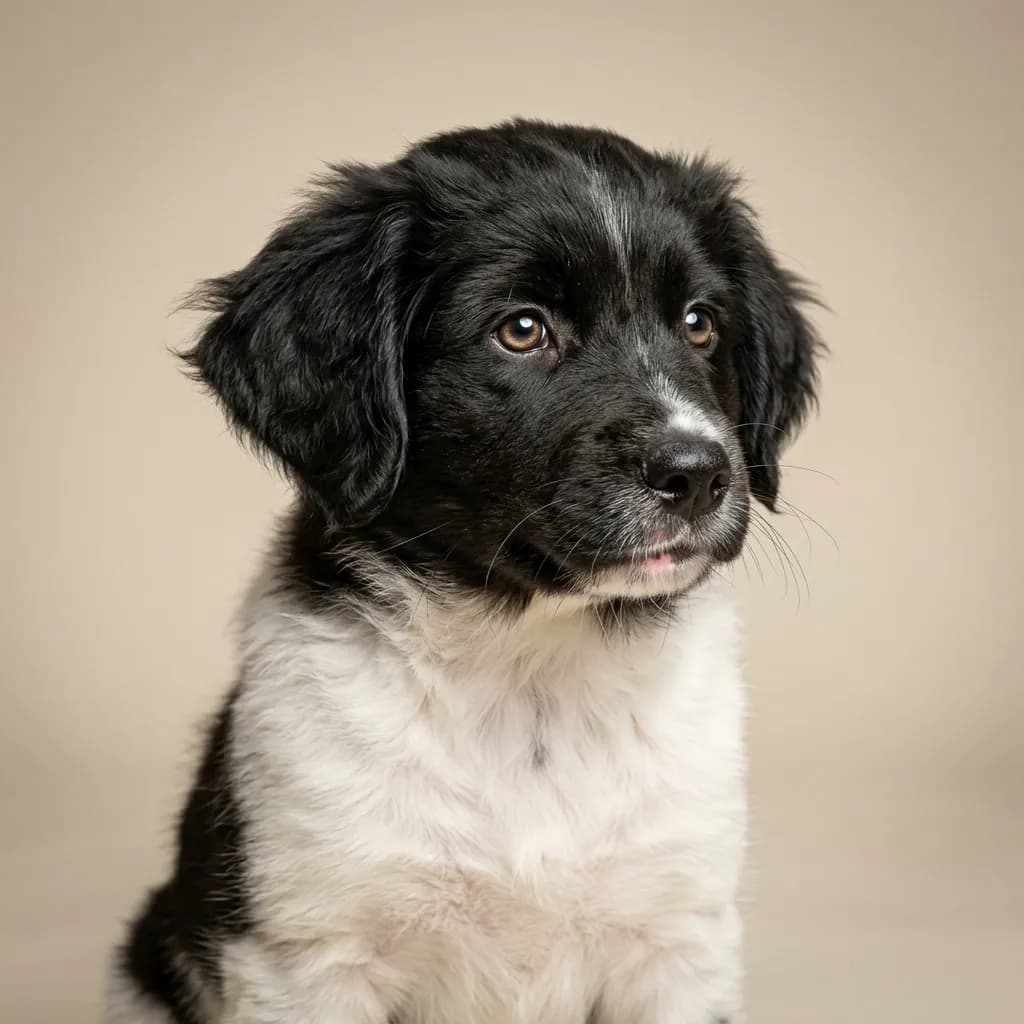
You’re not going to find many people stacking an Alaskan Malamute against a Stabyhoun at the dog park. these breeds come from different worlds, literally and figuratively. But if you’re deep in the weeds of dog research, drawn to loyal, energetic dogs with histories rooted in hard work, you might be circling both. The Malamute pulls you in with that wolf-like presence and Arctic power. The Stabyhoun? A hidden gem, a Dutch farm dog with a soft gaze and quiet versatility. So what’s really at stake here? The Malamute is a force of nature. Bred to haul heavy loads across frozen tundra, this dog thrives in cold climates and demands space, activity, and experienced handling. They’re affectionate, but on their own terms. think loyal sled team partner, not always a push-button pet. They’ll knock over your toddler without meaning to, simply because they don’t fully grasp their size. And yes, they shed. expect tumbleweeds of fur in spring. The Stabyhoun, meanwhile, is the kind of dog who fits into life instead of reshaping it around them. Smaller, more adaptable, and deeply bonded to family, they’re great with kids and surprisingly agile in dog sports. They’re hunters at heart but with a soft switch. able to chill after a long run. They need mental work, though. Bored Stabyhouns get creative in ways you won’t like. If you live in a condo or hate vacuuming, skip both. But if you’re active: choose the Malamute for raw power and cold-weather adventure, the Stabyhoun for harmony, trainability, and family ease. Here’s the real talk. Malamutes look majestic, but they’ll test your patience. Stabyhouns? They’re the dog you didn’t know you needed, the one who just… fits.
Trait-by-trait
Higher bar = more of that trait. Shedding, barking, drooling, grooming flipped for readability.Where they diverge
Choose the Alaskan Malamute if…
- Active people
- Cold climates
- Experienced owners
- You value coat grooming — Alaskan Malamute scores noticeably higher.
Choose the Stabyhoun if…
- active families
- hunters and waterfowl retrievers
- dog sport enthusiasts
- You value affectionate w/ family — Stabyhoun scores higher here.