Alaskan Malamute vs Vizsla
Side-by-side comparison across all 14 AKC trait ratings, with a clear verdict on which breed fits which kind of household.

Not sure which breed fits your life?
Answer five questions about your home, your schedule, and your tolerance for shedding. We’ll match you to your top three breeds from over 200.
Alaskan Malamute vs Vizsla
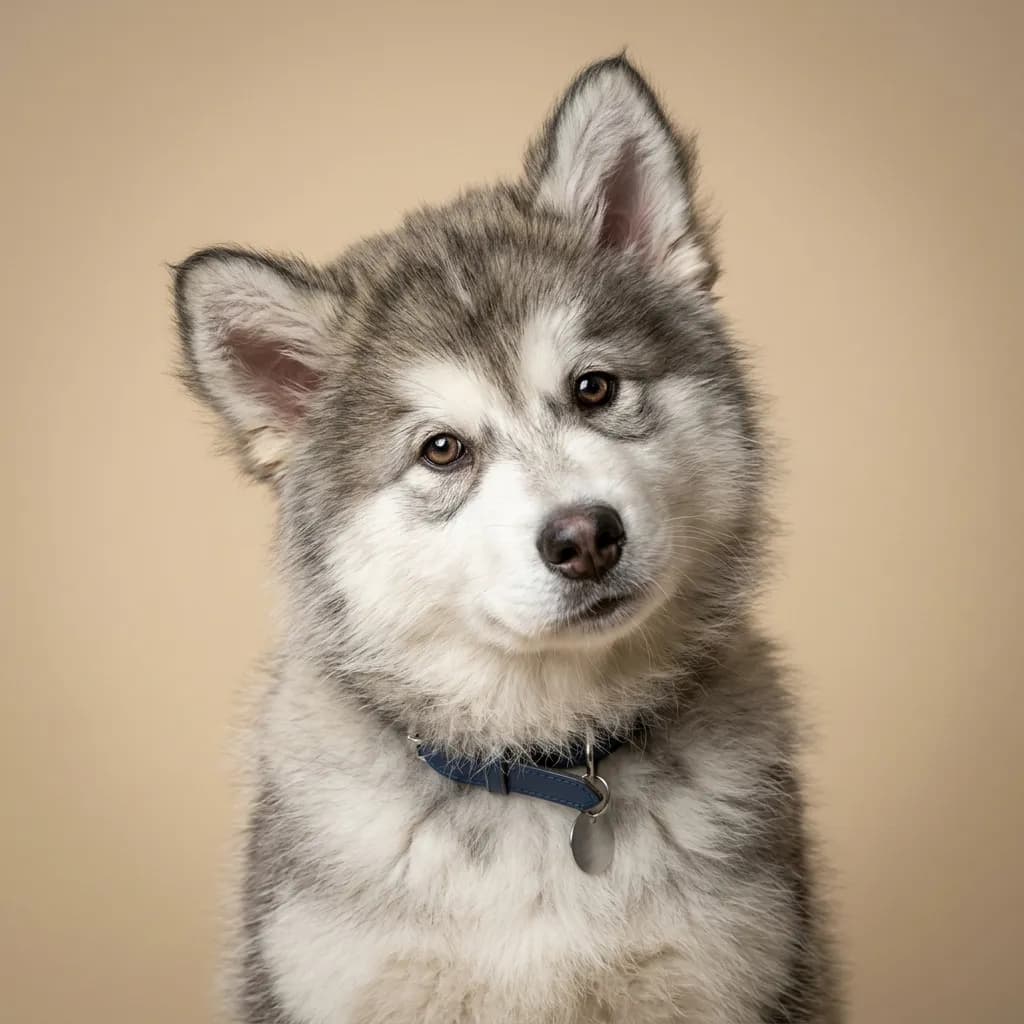
You don’t see Alaskan Malamutes and Vizslas lined up against each other at dog parks often, but they pop up together in the same search results. owners drawn to big, energetic, people-loving dogs with golden hearts and zero interest in laziness. Both are loyal, smart, and thrive with active families. But that’s where the easy comparison ends. The Malamute is a force of nature built for survival. Think deep snow, frozen breath, and hauling 100 pounds across tundra. He’s got the wolfy looks, thick double coat, and a stubborn streak that says “I’ve got work to do, and I’ll decide how.” He’s not a velcro dog like the Vizsla. he’ll follow you around, sure, but he’s also perfectly content digging a hole in the yard just because he can. You need space, cold weather, and the patience to manage a dog who’s strong-willed and sheds like a snowstorm in spring. The Vizsla? He’s the athlete with a love addiction. Sleek, copper-rust coat, built for sprinting through fields and crashing into your lap the second you sit down. This dog doesn’t just want to be near you. he needs it. Leave him alone too long and he’ll chew your couch not from boredom, but from genuine heartbreak. He’s lighter, easier in the house, and bonds deeply with older kids and adults alike. But he demands movement. Not just walks. real, hard exercise. Think 10-mile trail runs, not strolls. Here’s the real difference: Malamutes are partners with boundaries. Vizslas are partners with zero personal space. If you want a dog that’s majestic, independent, and built for wild places, go Malamute. If you want a dog that lives and breathes with you. every run, every couch session, every mood. get the Vizsla. Just don’t expect to live without either one once you do.
Trait-by-trait
Higher bar = more of that trait. Shedding, barking, drooling, grooming flipped for readability.Where they diverge
Choose the Alaskan Malamute if…
- Active people
- Cold climates
- Experienced owners
- You value coat grooming — Alaskan Malamute scores noticeably higher.
Choose the Vizsla if…
- Active families
- Runners and cyclists
- Hunters
- You value affectionate w/ family — Vizsla scores higher here.