American Bulldog vs Japanese Spitz
Side-by-side comparison across all 14 AKC trait ratings, with a clear verdict on which breed fits which kind of household.

Not sure which breed fits your life?
Answer five questions about your home, your schedule, and your tolerance for shedding. We’ll match you to your top three breeds from over 200.
American Bulldog vs Japanese Spitz
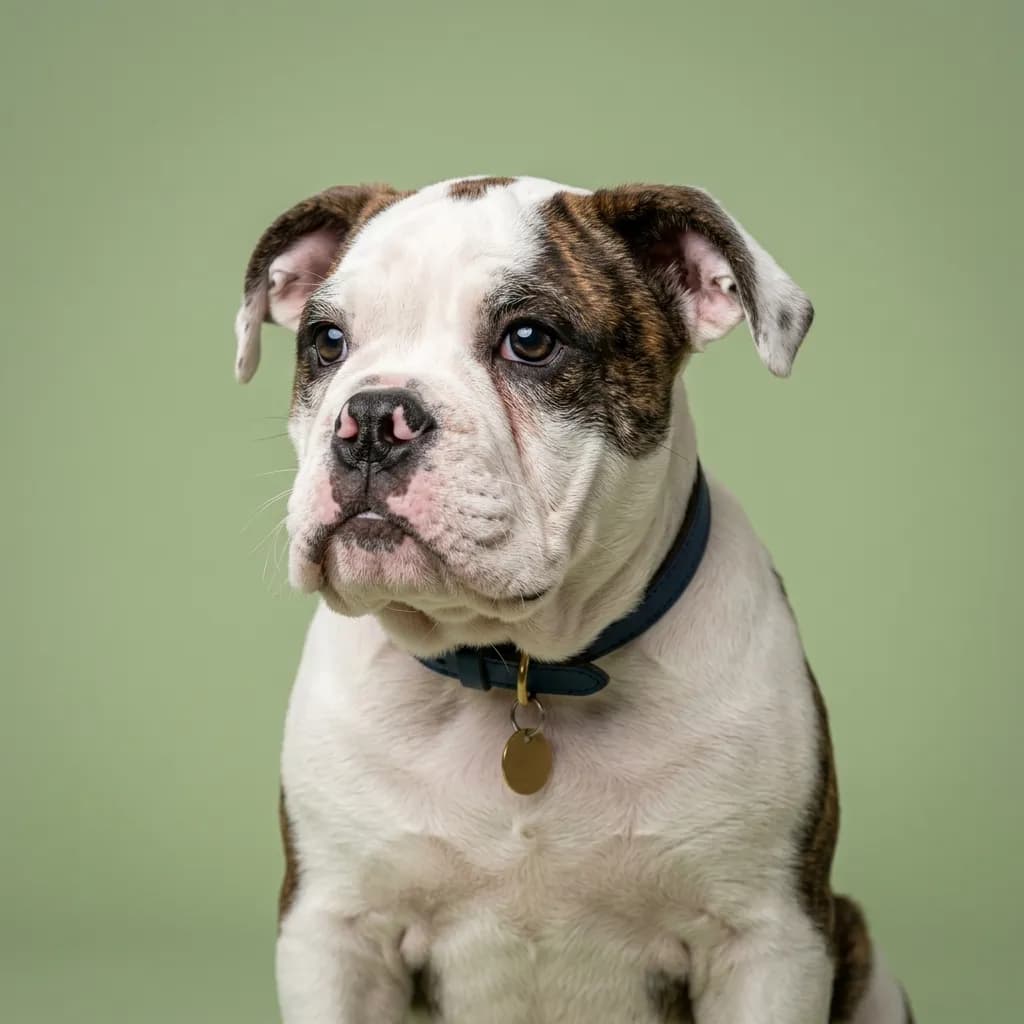
You don’t see many people torn between an American Bulldog and a Japanese Spitz. But maybe you’re charmed by loyalty in both forms. one a burly ranch sentinel, the other a snowball of affection bouncing at your heels. The real question isn’t which is cuter. It’s what kind of life you actually live. The American Bulldog is a working-class tank with a soft heart. At 80 pounds of muscle and quiet confidence, it won’t bark much, but it will notice every car that passes and every stranger at the gate. It’s not hyper, but it needs space and structure. You’ll need to walk it, train it, and give it a job. even if that job is just hiking with you on weekends. It’s great with kids if raised with them, but its size alone means it’s not for cramped apartments or timid owners. Health issues like hip dysplasia mean vet bills could add up, and you’re likely investing $2,000 or more upfront. The Japanese Spitz is the opposite kind of commitment. small, bright-eyed, and endlessly affectionate. It thrives on being near you, whether you’re on the couch or walking city blocks. It’s easier for first-time owners, yes, but don’t be fooled by its size. That fluffy white coat sheds more than you’d think, and it barks at squirrels, doorbells, life itself. It’s not built for 90-degree summers, and its tiny knees can slip out of place if you’re not careful. Here’s the thing no breeder tells you: the American Bulldog grows into your lifestyle. The Japanese Spitz amplifies it. Pick the Bulldog if you want a quiet partner in a rural home. Pick the Spitz if your world is small, busy, and full of noise. and you want a dog that matches your rhythm, not changes it.
Trait-by-trait
Higher bar = more of that trait. Shedding, barking, drooling, grooming flipped for readability.Where they diverge
Choose the American Bulldog if…
- experienced dog owners
- active families
- property protection
- You value trainability — American Bulldog scores noticeably higher.
Choose the Japanese Spitz if…
- Apartment dwellers
- Families with children
- First-time owners
- You value playfulness — Japanese Spitz scores higher here.