American English Coonhound vs Tornjak
Side-by-side comparison across all 14 AKC trait ratings, with a clear verdict on which breed fits which kind of household.
Not sure which breed fits your life?
Answer five questions about your home, your schedule, and your tolerance for shedding. We’ll match you to your top three breeds from over 200.
American English Coonhound vs Tornjak
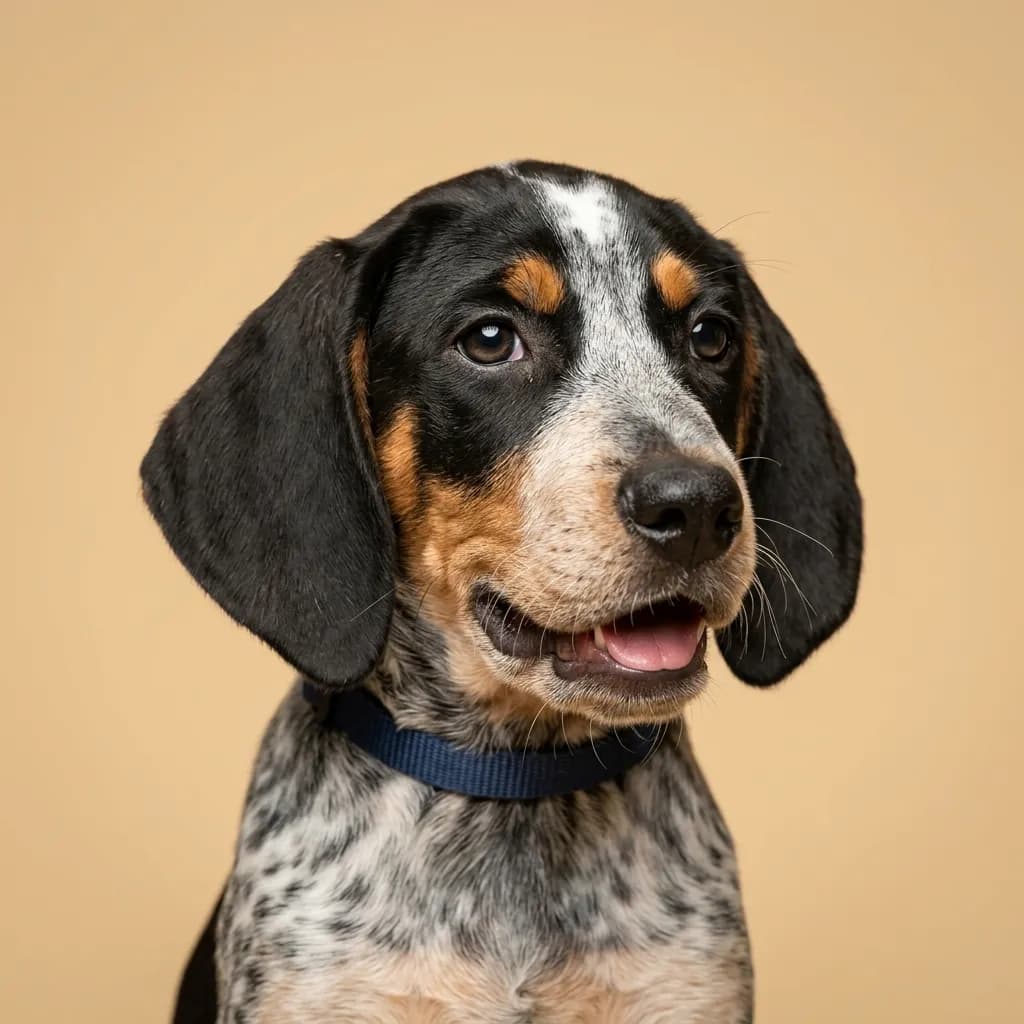
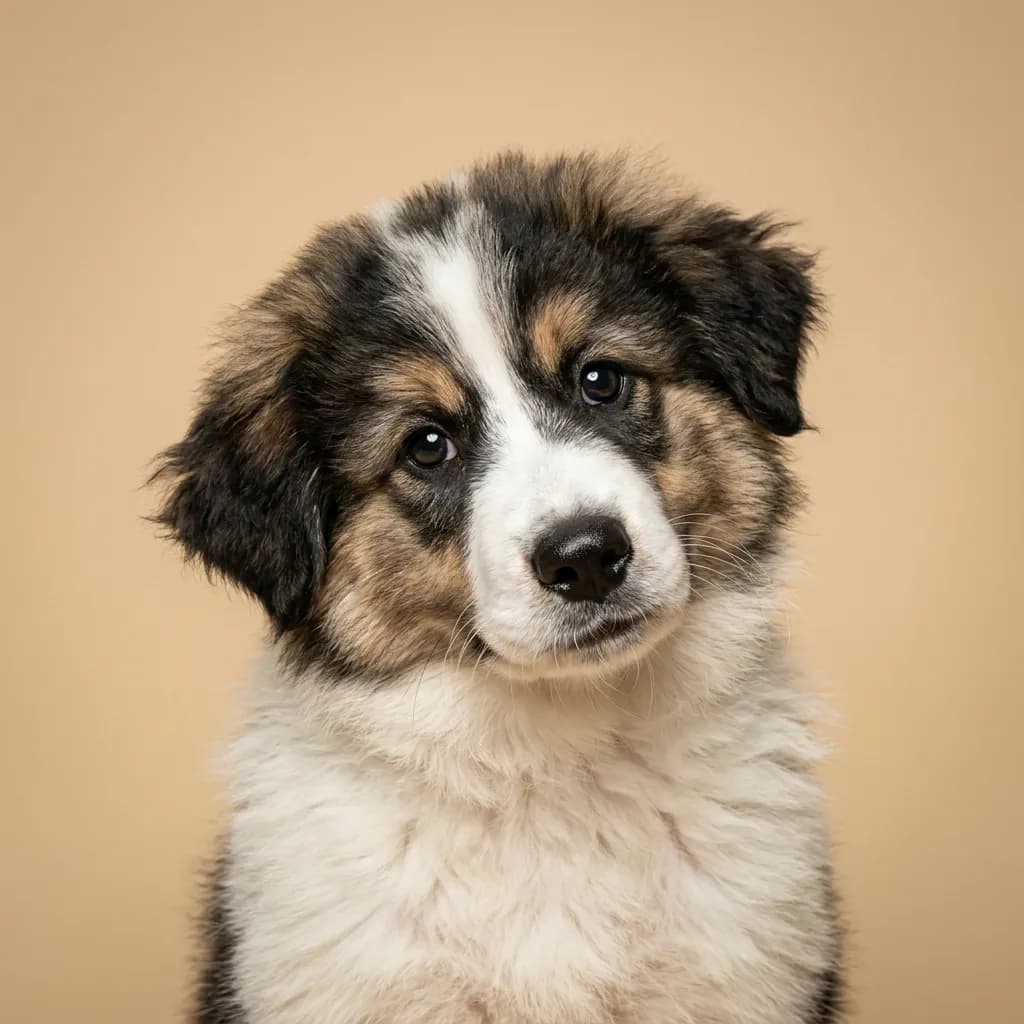
You’re probably comparing these two because you want a loyal, rugged dog that can handle country life and isn’t afraid of a little mud. Maybe you’ve got land, maybe livestock, or maybe you just love the idea of a dog that’s truly useful. But that’s where the similarity ends. The American English Coonhound and the Tornjak come from entirely different jobs, and that shapes everything. The Coonhound is built for motion. Lean, loud, and driven, this dog lives to follow a scent for miles. You’ll need space, a secure fence, and the patience for baying that carries half a mile. They’re sweet and goofy with family, but they’re not watchdogs. they’re nose-down explorers who’ll ignore you if a raccoon’s in the area. They’re the dog for someone who hunts or wants a jogging companion with a purpose. The Tornjak? He’s the quiet giant who watches. Bred to guard flocks in the mountains of Bosnia, he’s heavier, hairier, and far more reserved. He won’t roam like a hound, but he will size up strangers and take his job seriously. He bonds deeply and is gentle with kids if raised with them, but his thick coat means heavy shedding and he overheats easily. You don’t “use” a Tornjak like a tool. he’s more like a quiet partner in vigilance. Here’s the real talk: if you’re looking for a dog that does something, the Coonhound thrives on action. If you want a dog that is something. a presence, a protector. the Tornjak fills that role. But neither is for beginners or city living. Pick the Coonhound if you want energy and enthusiasm. Pick the Tornjak if you value calm strength and don’t mind brushing fur year-round.
Trait-by-trait
Higher bar = more of that trait. Shedding, barking, drooling, grooming flipped for readability.Where they diverge
Choose the American English Coonhound if…
- Active people
- Rural homes
- Hunters
- You value good with other dogs — American English Coonhound scores noticeably higher.
Choose the Tornjak if…
- Experienced large-breed owners
- Farm or rural settings
- Livestock guardian needs
- You value shedding level — Tornjak scores higher here.