American Eskimo Dog vs Collie
Side-by-side comparison across all 14 AKC trait ratings, with a clear verdict on which breed fits which kind of household.
Not sure which breed fits your life?
Answer five questions about your home, your schedule, and your tolerance for shedding. We’ll match you to your top three breeds from over 200.
American Eskimo Dog vs Collie
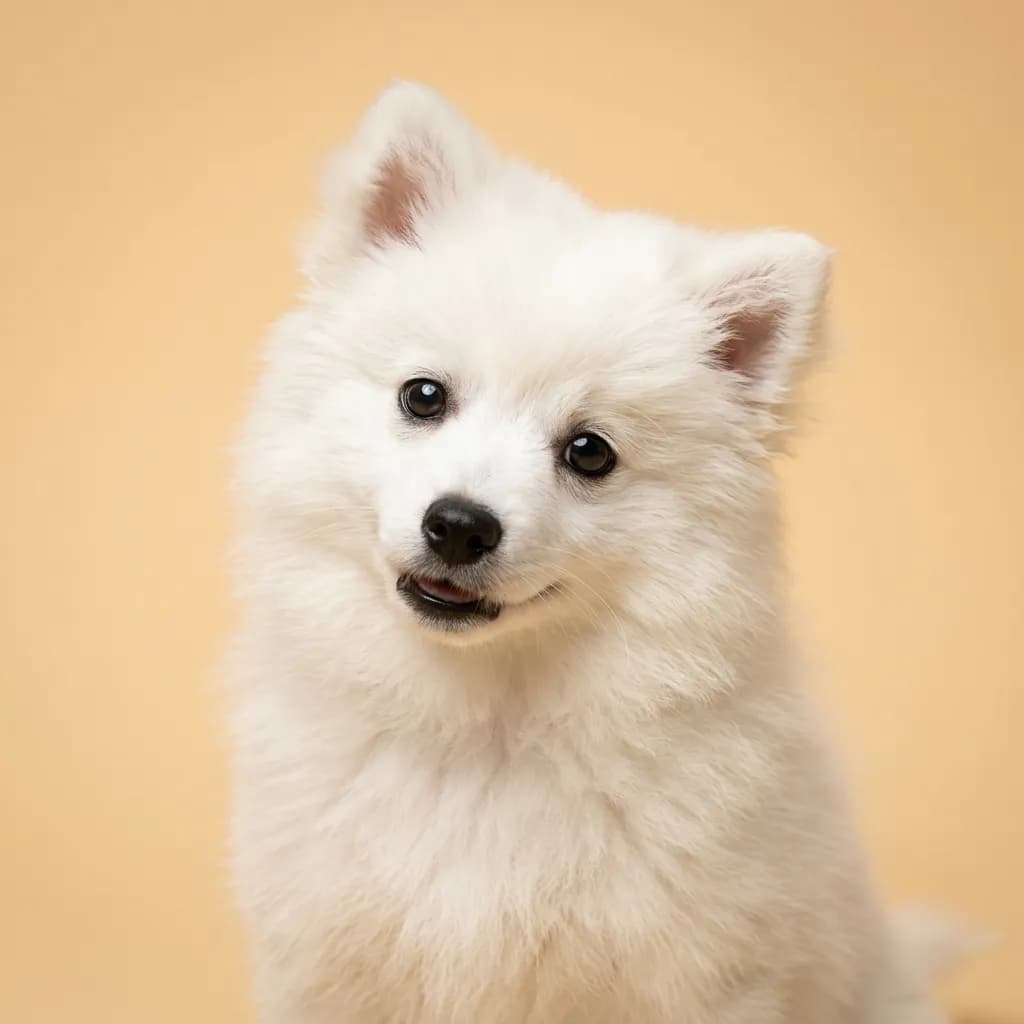
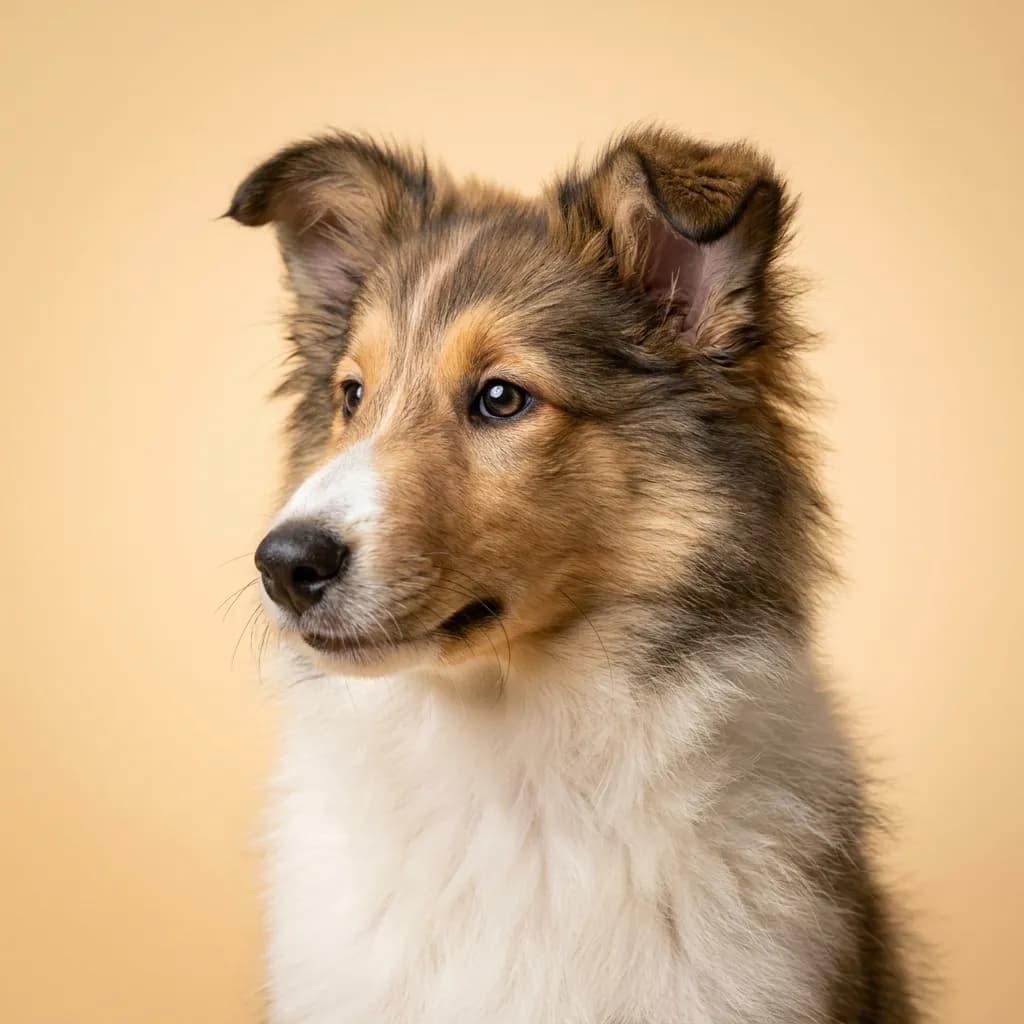
People compare American Eskimo Dogs and Collies because they both look like living stuffed animals with their fluffy coats and alert expressions. But don’t let the fluff fool you. these breeds live entirely different lives under the surface. If you're torn between them, what you're really choosing is size versus intensity, presence versus persistence. The American Eskimo is compact, energetic, and thrives in tight spaces. think a 15-pound whirlwind of joy that fits in a studio apartment. They’re smart in a sassy, watchful way, bred to perform and alert, so they’ll learn tricks fast but might bark at the toaster. They’re great with kids, adapt easily, and don’t need a farm to feel fulfilled. just daily play and mental games. But their grooming isn’t optional. Skip brushing for a week and that plush coat mats like steel wool. The Collie, meanwhile, is a gentle giant of loyalty. At 50 to 75 pounds, they’re built for space and routine. They were made to move across fields for hours, so while they’re not hyper, they need consistent walks and a yard to patrol. Their bark is louder and more frequent. not out of anxiety, but duty. And yes, they shed. twice a year feels like a wool harvest. But their devotion is quiet and deep. They bond closely, especially with kids, and tend to follow you from room to room like a furry shadow. Here’s the real talk: the Eskimo suits someone who wants a lively companion with big-dog energy in a small package. The Collie? They’re for people who want a noble, steady presence. a dog that feels like family, not just a pet. One thing the breeders won’t tell you: both can be dramatic. But the Eskimo owns the spotlight; the Collie just wants to save the day.
Trait-by-trait
Higher bar = more of that trait. Shedding, barking, drooling, grooming flipped for readability.Where they diverge
Choose the American Eskimo Dog if…
- Families
- Active people
- Cold climates
- You value good with strangers — American Eskimo Dog scores noticeably higher.
Choose the Collie if…
- Families with children
- Active individuals
- Homes with a yard
- You value barking level — Collie scores higher here.