American Eskimo Dog vs Kishu Ken
Side-by-side comparison across all 14 AKC trait ratings, with a clear verdict on which breed fits which kind of household.
Not sure which breed fits your life?
Answer five questions about your home, your schedule, and your tolerance for shedding. We’ll match you to your top three breeds from over 200.
American Eskimo Dog vs Kishu Ken
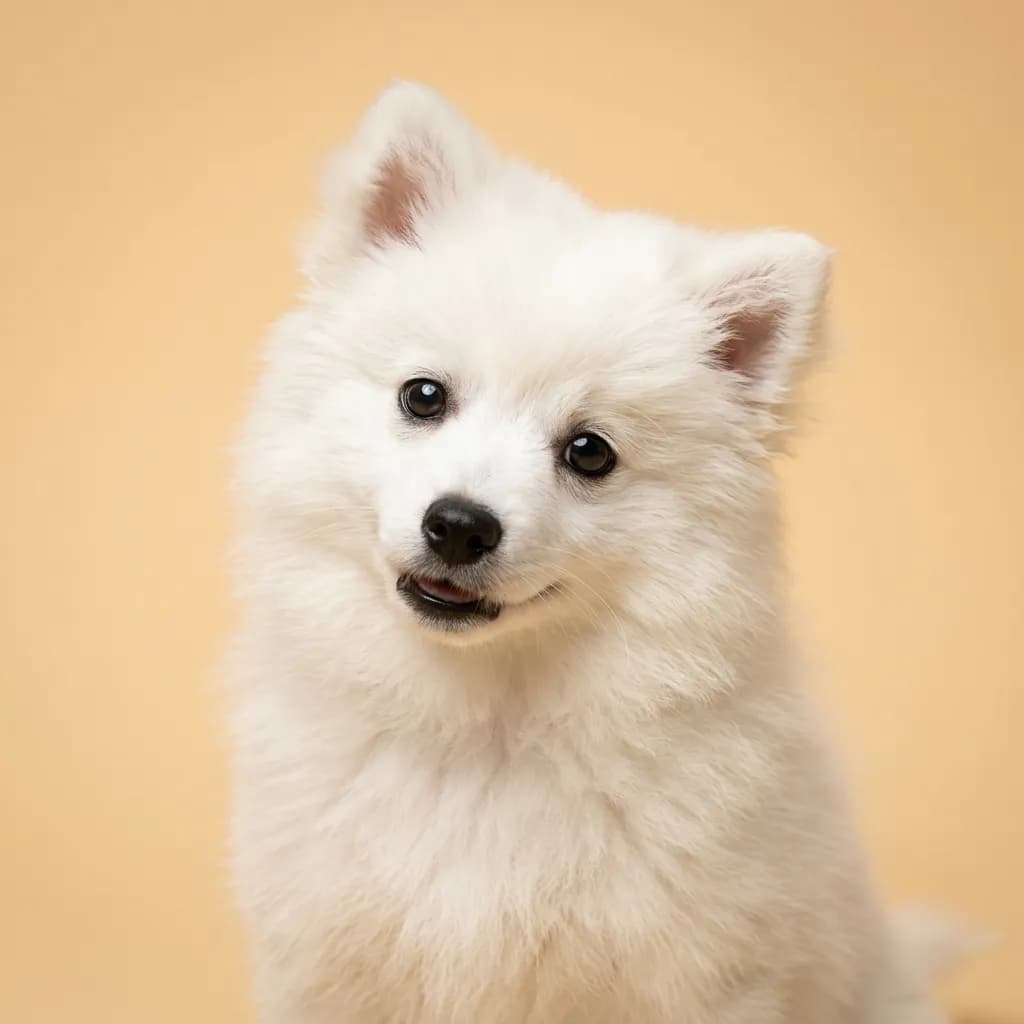
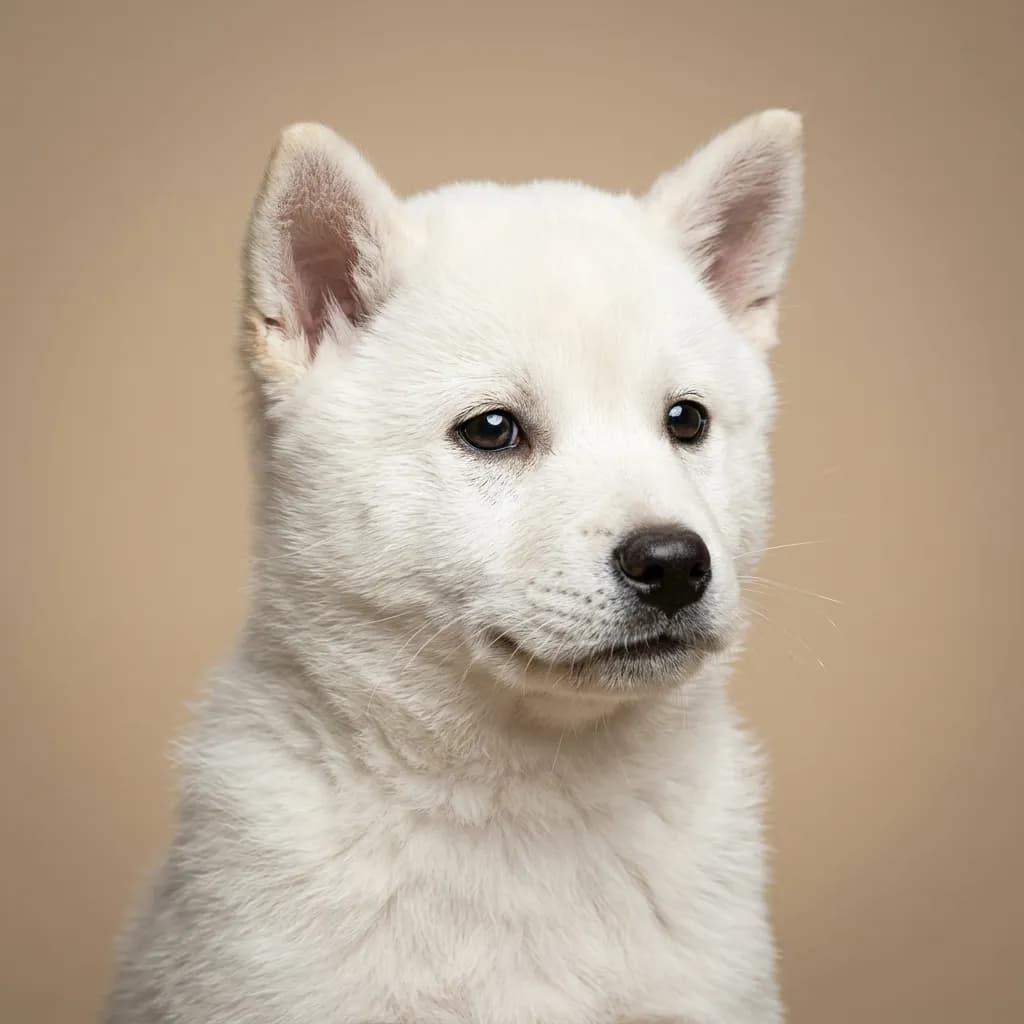
People compare the American Eskimo Dog and the Kishu Ken because they’re both spitz-types with fox-like faces and thick double coats that shimmer in the snow. On paper, they look like distant cousins. white fluffball versus stoic bronze warrior. but in reality, they’re built for entirely different lives. The American Eskimo is your cheerful, quick-learning neighbor who wants to play fetch, learn tricks, and snuggle on the couch after. They thrive in family homes, adore kids, and adapt well to suburbs or cities if you’re active with them. They’re smart in a “show-off” way, bred for circus acts, and they’ll learn a new command in five minutes. then remind you it’s treat time. But they need regular brushing, hate being left alone too long, and can bark at passing squirrels like it’s their job. The Kishu Ken is the quiet, intense guardian who watches the tree line. Bred to hunt boar in mountainous Japan, they’re independent, focused, and reserved with strangers. They’re not aloof, but their affection is earned, not given freely. You won’t find a Kishu begging for cuddles; they’d rather be working, hiking, or patrolling your property. They’re not for apartment living or first-time owners. they’ve got strong instincts and can be cat-reactive or aloof with kids. Here’s the real difference: the Eskimo wants to be part of your every moment; the Kishu respects you, but keeps a piece of their wild soul. If you want a dog that feels like family glue, go Eskimo. If you want a noble companion who walks beside you but isn’t clinging to your leg, and you’ve got space and experience, the Kishu might be your match. Just know. no amount of training erases the Kishu’s instinct to chase what moves.
Trait-by-trait
Higher bar = more of that trait. Shedding, barking, drooling, grooming flipped for readability.Where they diverge
Choose the American Eskimo Dog if…
- Families
- Active people
- Cold climates
- You value affectionate w/ family — American Eskimo Dog scores noticeably higher.
Choose the Kishu Ken if…
- Experienced dog owners
- Active owners
- Cold climates
- You value mental stimulation needs — Kishu Ken scores higher here.