American Eskimo Dog vs Maltese
Side-by-side comparison across all 14 AKC trait ratings, with a clear verdict on which breed fits which kind of household.

Not sure which breed fits your life?
Answer five questions about your home, your schedule, and your tolerance for shedding. We’ll match you to your top three breeds from over 200.
American Eskimo Dog vs Maltese
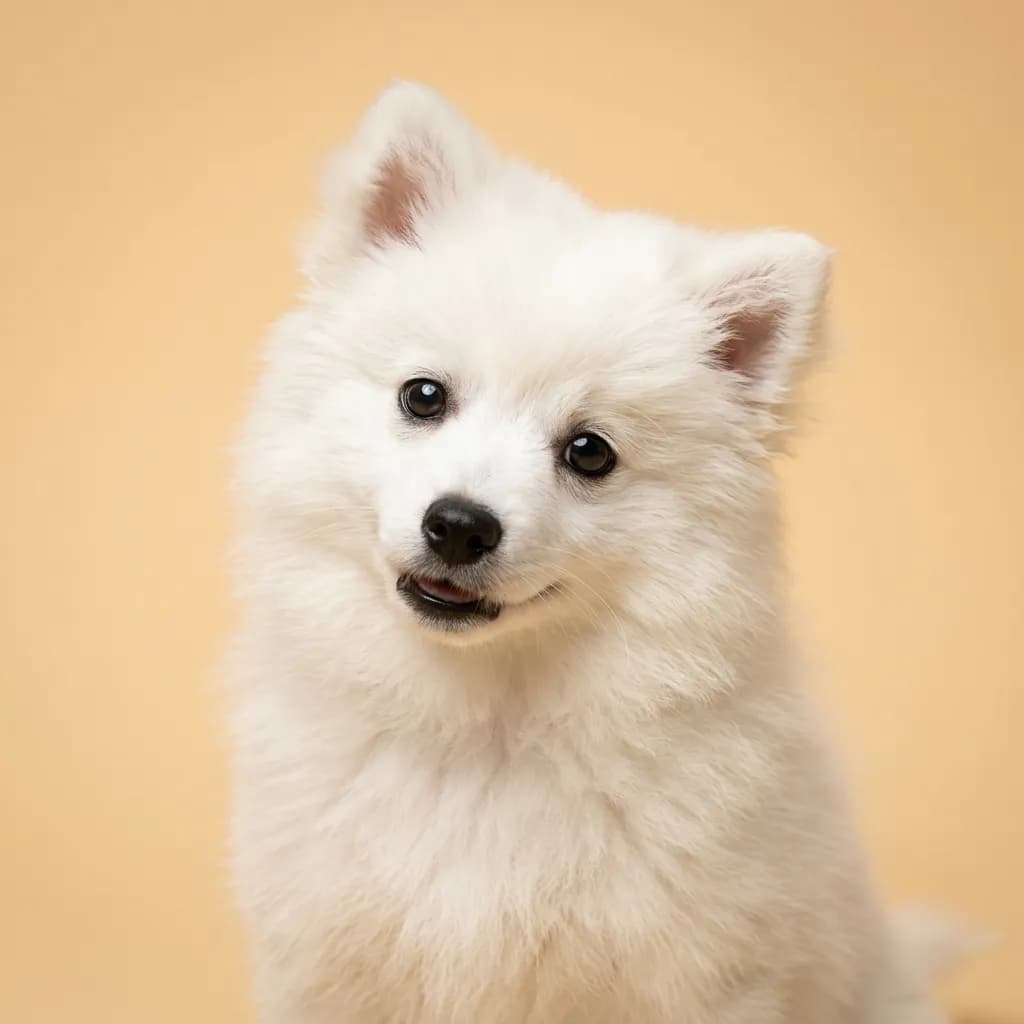
People compare the American Eskimo Dog and Maltese because they’re both small, fluffy, and white. like living teddy bears. But that’s where the similarity ends. Think of the Eskie as the energetic kid in the back seat of the minivan, always ready for a game or a trick, while the Maltese is the velveteen lapdog who’d rather stay put, preferably on silk sheets. The Eskimo Dog is smart, bold, and built for action. At up to 35 pounds and nearly two feet tall, it’s more substantial than most realize. It thrives on mental and physical activity, making it great for active families or dog sport fans. It’s also a people magnet. loves kids, adores attention, and will bark to alert you if a leaf blows by. But you’ll need to commit to brushing that thick double coat weekly, especially in summer when it sheds like a snowstorm. The Maltese, barely tipping the scales at 7 pounds, is delicate by comparison. It’s affectionate but can be snappy with rambunctious kids. It’s easier on allergies thanks to minimal shedding, but that silky coat tangles fast. you’re brushing every other day or facing mats. It’s adaptable to city life, but it bonds hard. Leave it alone too long and it’ll develop separation anxiety, not just loneliness. Here’s the real talk: the Eskimo Dog wants a job, even if it’s just learning spins on cue. The Maltese just wants to be your emotional support fluffball. If you’re gone a lot, skip both. but the Maltese will suffer more. If you want a dog that grows with your hobbies, go Eskie. If you want a pocket-sized companion who fits in a purse and a penthouse, Maltese wins. Price-wise, both can sting, but Maltese from show lines often cost more. Choose based on lifestyle, not just looks.
Trait-by-trait
Higher bar = more of that trait. Shedding, barking, drooling, grooming flipped for readability.Where they diverge
Choose the American Eskimo Dog if…
- Families
- Active people
- Cold climates
- You value good with young children — American Eskimo Dog scores noticeably higher.
Choose the Maltese if…
- Apartment living
- Allergy sufferers
- Seniors
- You value coat grooming — Maltese scores higher here.