American Eskimo Dog vs Otterhound
Side-by-side comparison across all 14 AKC trait ratings, with a clear verdict on which breed fits which kind of household.
Not sure which breed fits your life?
Answer five questions about your home, your schedule, and your tolerance for shedding. We’ll match you to your top three breeds from over 200.
American Eskimo Dog vs Otterhound
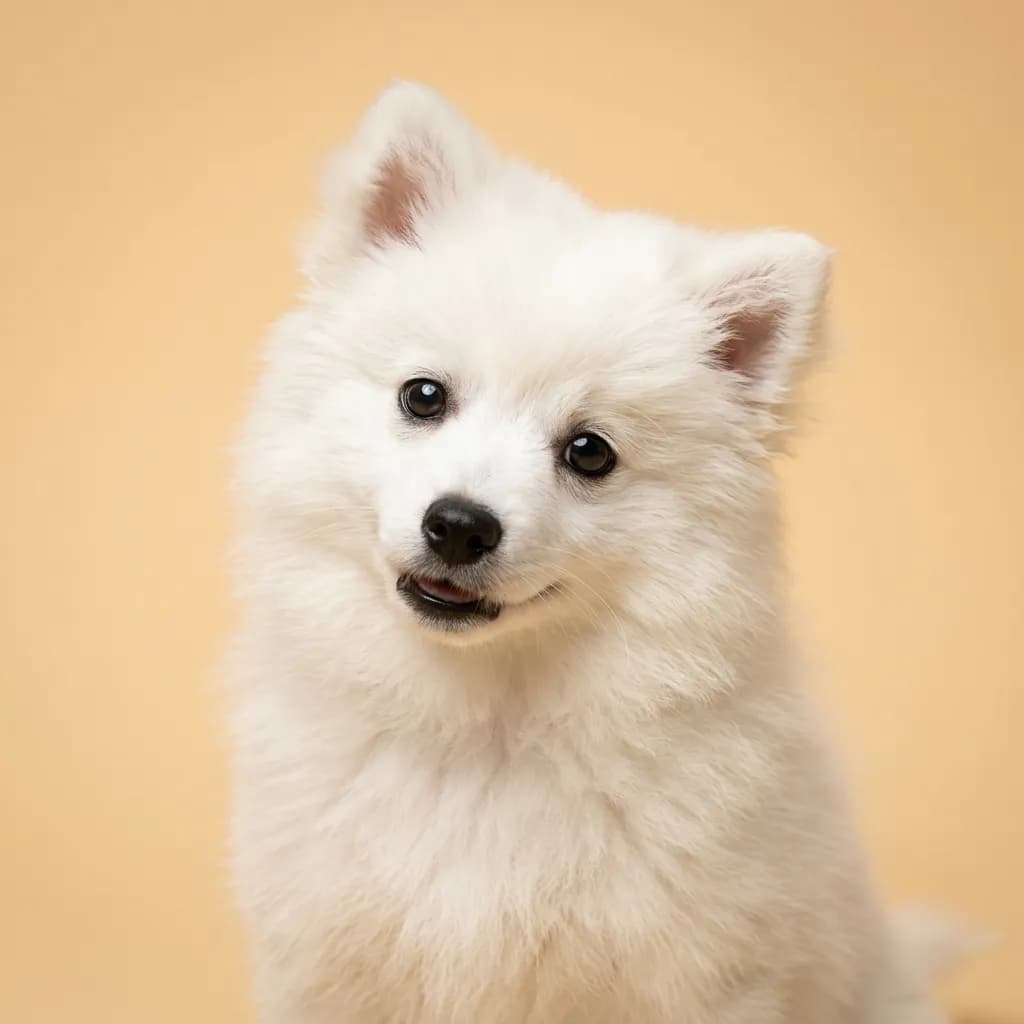
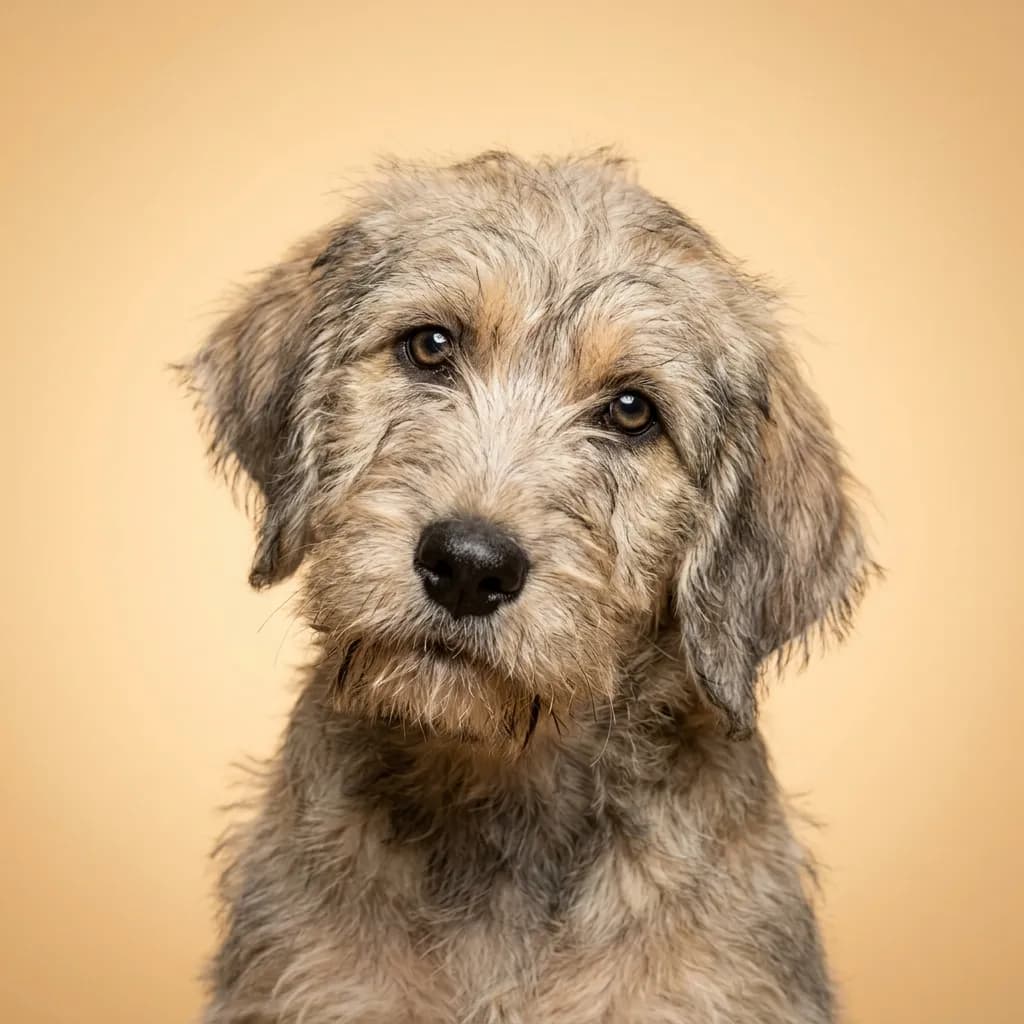
People rarely compare an American Eskimo Dog to an Otterhound unless they’re deep in the dog world and realizing both are rare, energetic, and oddly charming in their own ways. But that’s where the similarities end. Think of it like choosing between a nimble circus performer and a shaggy, boat-sized river raider. The Eskie is bright-eyed, compact, and thrives on interaction, while the Otterhound is a boisterous, independent-minded water hound built for muddy banks and long days outdoors. The Eskimo Dog suits families in colder climates who want a loyal, kid-friendly companion that can learn tricks, compete in agility, and still curl up on your lap. They’re smart, eager to please, and bark when something’s up. great for alertness, not so great if you hate noise. But they need consistent grooming and won’t do well in hot weather or if left alone too much. The Otterhound? You’re not just getting a dog, you’re adopting a piece of history. This breed was literally built to swim in English rivers hunting otters, so expect webbed feet, a waterproof coat, and a nose that will follow scents for miles. They’re affectionate and goofy but not always responsive. hound stubbornness is real. They drool, they smell, and they need space. Apartments won’t cut it. Here’s the real talk: the Eskie bonds tightly and adapts well, but can become high-strung without enough mental input. The Otterhound is a gentle giant with kids if socialized early, but their bark is loud and their recall spotty. Most people don’t realize how rare Otterhounds are. there are fewer than 1,000 worldwide. You’re not just picking a pet, you’re preserving a breed. With the Eskie, you get a polished, people-focused companion. With the Otterhound, you get a once-in-a-lifetime adventure. Choose based on your life, not just your heart.
Trait-by-trait
Higher bar = more of that trait. Shedding, barking, drooling, grooming flipped for readability.Where they diverge
Choose the American Eskimo Dog if…
- Families
- Active people
- Cold climates
- You value good with young children — American Eskimo Dog scores noticeably higher.
Choose the Otterhound if…
- Active families
- Rural settings
- Outdoor and swimming enthusiasts
- You value drooling level — Otterhound scores higher here.