American Eskimo Dog vs Pudelpointer
Side-by-side comparison across all 14 AKC trait ratings, with a clear verdict on which breed fits which kind of household.
Not sure which breed fits your life?
Answer five questions about your home, your schedule, and your tolerance for shedding. We’ll match you to your top three breeds from over 200.
American Eskimo Dog vs Pudelpointer
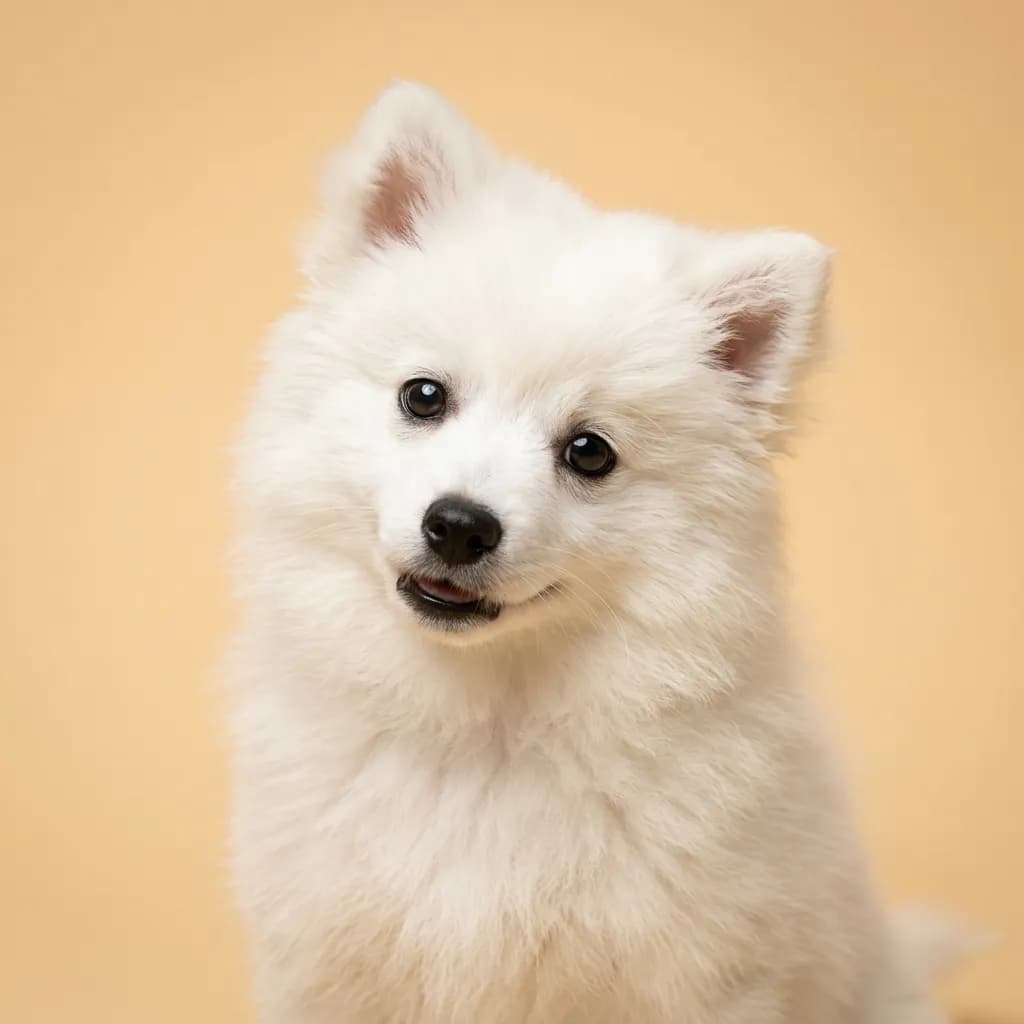
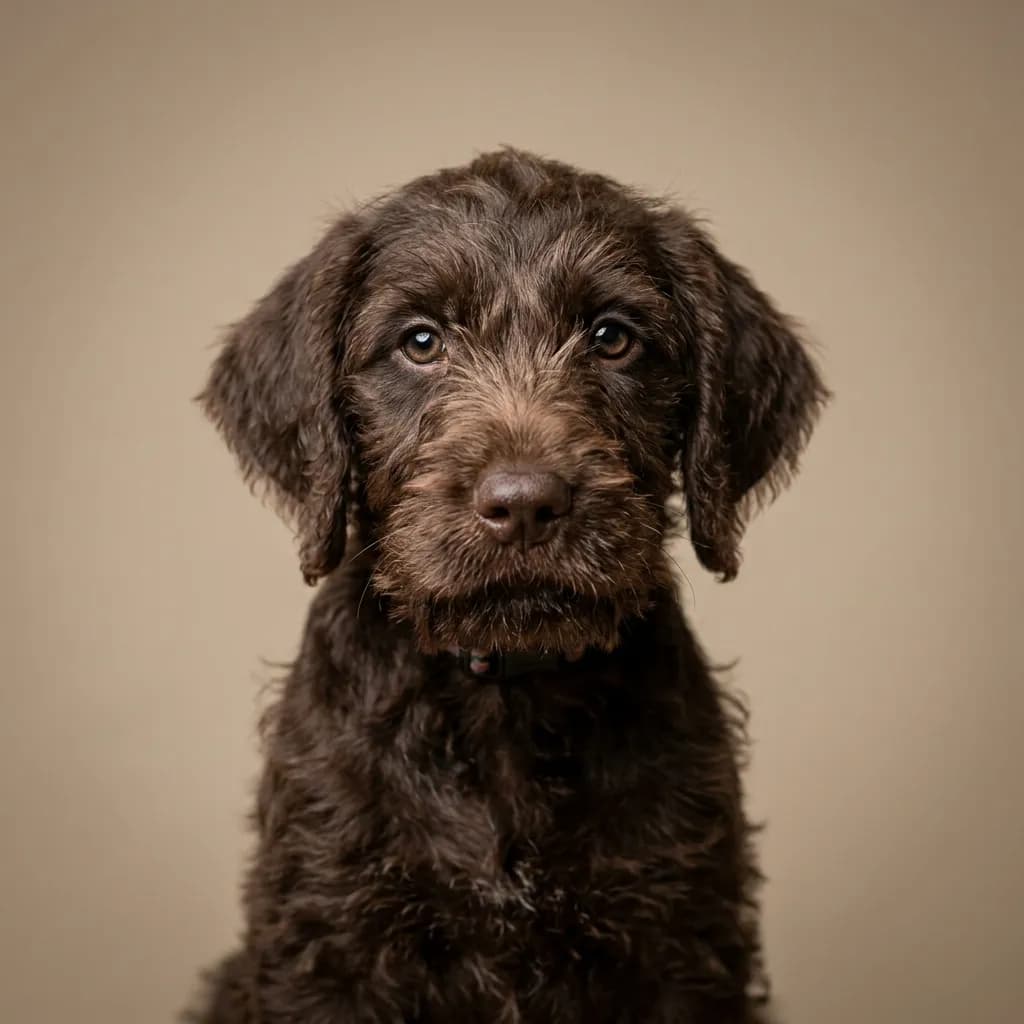
People compare the American Eskimo Dog and the Pudelpointer because both are smart, energetic, and loyal in their own ways, but that’s where the similarities end. One’s a compact, snow-white companion bred for the spotlight; the other’s a rugged, weather-beaten hunter built for marshes and miles. If you're choosing between them, you're really deciding between a family-oriented entertainer and a purpose-driven athlete. The American Eskimo Dog thrives in daily routines full of tricks, walks, and attention. They’re great with kids, love cold weather, and will learn anything fast. just don’t expect them to settle in a hot apartment. Grooming’s a real commitment, and if you’re gone all day, they’ll let you know with barks and chewed slippers. They’re the cheerful, slightly dramatic roommate who wants to be included in everything. The Pudelpointer, on the other hand, needs a mission. Bred in Germany as a dual-purpose gun dog, this breed lives to hunt, swim, track, and work alongside an active handler. They’re calmer in the house than you'd expect, but without serious physical and mental outlets, they’ll develop nervous energy or worse. They’re not naturally kid-focused like the Eskie, and their size alone. often over 50 pounds. makes them a poor fit for small spaces. Here’s the honest insight: the Pudelpointer isn’t just a dog for hunters. It’s a dog for people who think like hunters. organized, patient, and driven by shared purpose. Meanwhile, the American Eskimo Dog isn’t just a pretty face. It’s a high-energy companion that demands engagement, not just admiration. Pick the Eskie if you want charm and closeness in a manageable package. Choose the Pudelpointer if your life moves at a trailhead pace, and you need a partner, not a pet.
Trait-by-trait
Higher bar = more of that trait. Shedding, barking, drooling, grooming flipped for readability.Where they diverge
Choose the American Eskimo Dog if…
- Families
- Active people
- Cold climates
- You value good with young children — American Eskimo Dog scores noticeably higher.
Choose the Pudelpointer if…
- hunters
- very active owners
- waterfowl and upland bird hunters
- You value drooling level — Pudelpointer scores higher here.