American Eskimo Dog vs Shikoku
Side-by-side comparison across all 14 AKC trait ratings, with a clear verdict on which breed fits which kind of household.
Not sure which breed fits your life?
Answer five questions about your home, your schedule, and your tolerance for shedding. We’ll match you to your top three breeds from over 200.
American Eskimo Dog vs Shikoku
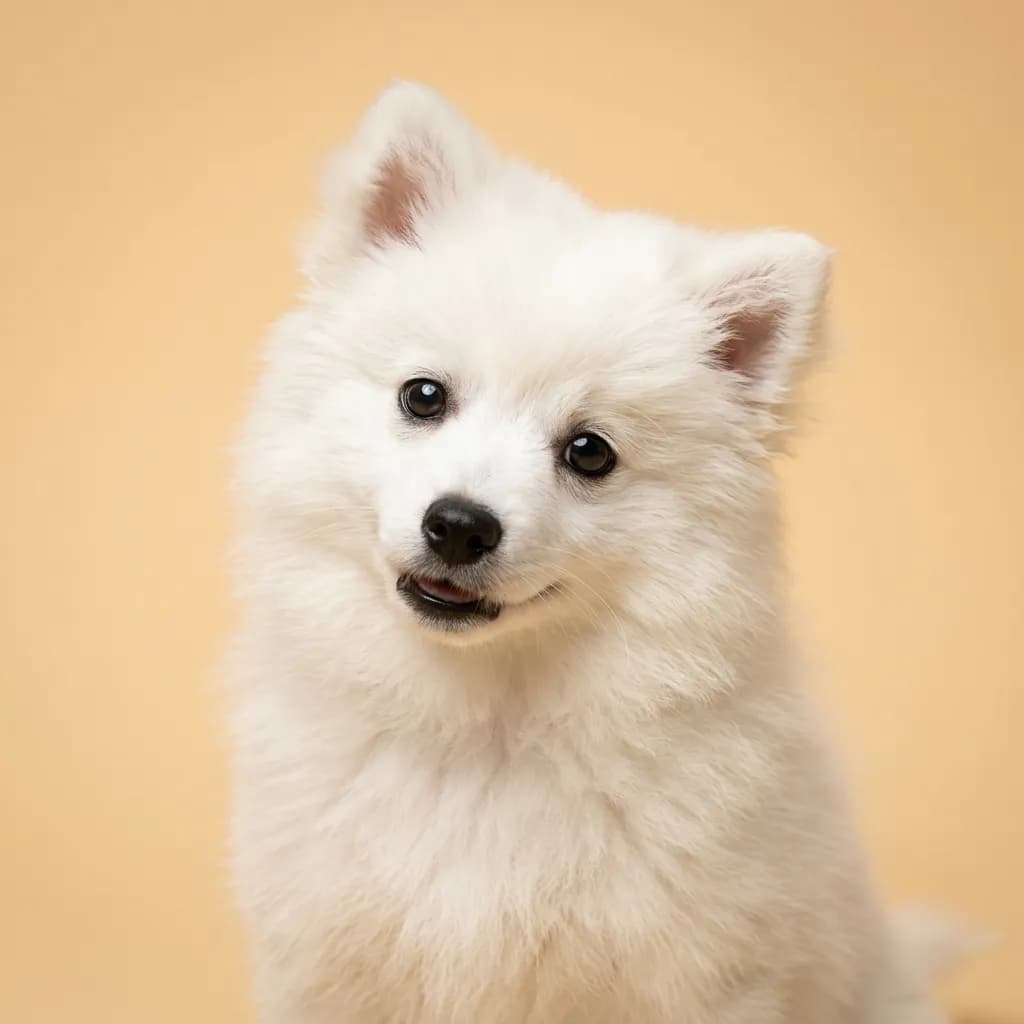
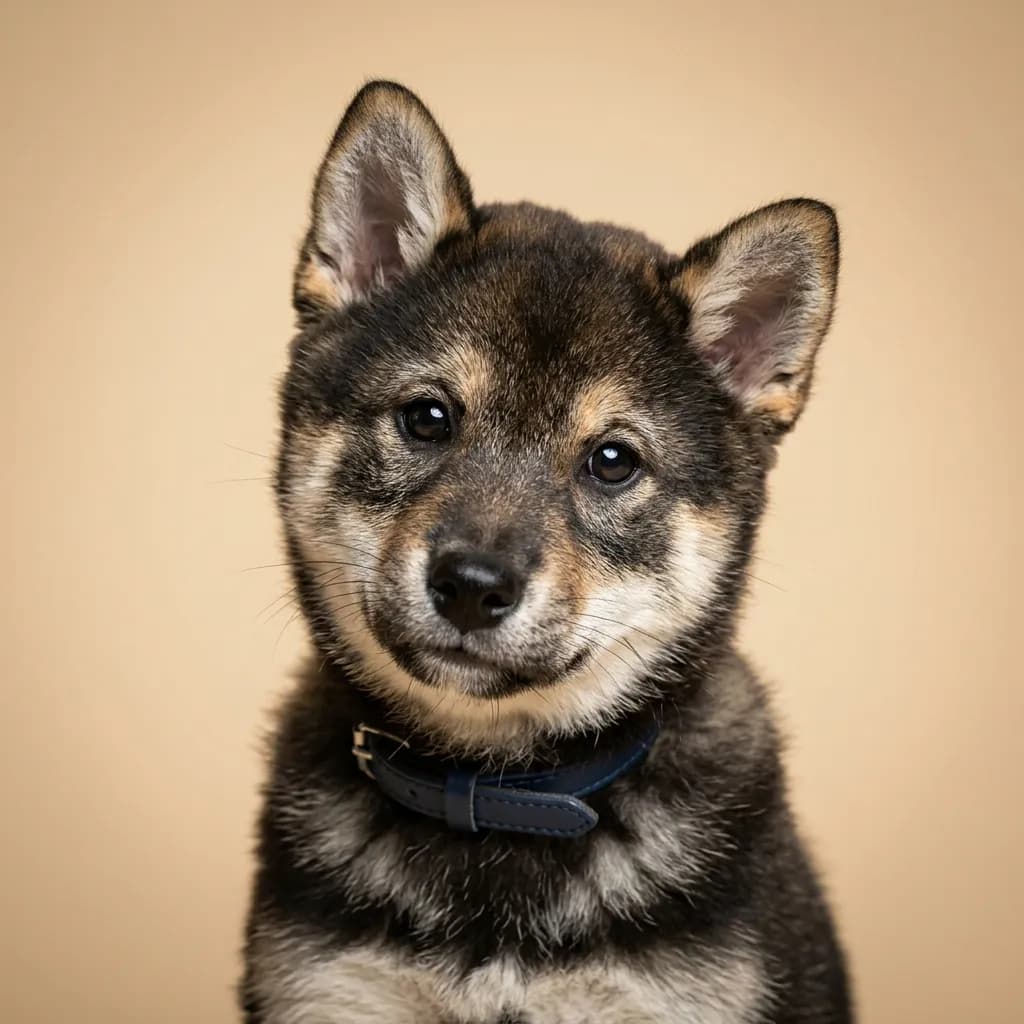
You’re not actually comparing these two breeds because they’re alike. because they’re not. You’re looking at the American Eskimo Dog and the Shikoku because both are spitz types with pointy ears and tails curled over their backs, maybe both came up in your deep-dive into “white fluffballs” or “rare dogs with personality,” but that’s where the similarity ends. One is a people-pleaser in a cloud of white fluff, the other a rugged mountain hunter with ancient instincts still very much alive. The American Eskimo Dog is your cheerful, bright-eyed companion who’ll learn tricks in minutes, thrive in a suburban home with kids and weekend hikes, and still fit in your lap after dinner. It’s smart, affectionate, and eager to impress, which makes it a breeze in dog sports or obedience. But it needs attention, grooming, and mental downtime is not part of its vocabulary. If you’re home a lot, love training games, and want a dog that’s always “on,” this one’s for you. The Shikoku? That’s a different story. It was bred to track boar in steep, wet mountains. not sit in a living room. It’s more reserved, independent, and selectively bred for problem-solving, not obedience. You don’t “own” a Shikoku so much as earn its cooperation. It’s not naturally kid-friendly or eager to please, and it needs serious space and experience to thrive. First-time owners will be out of their depth. Here’s the real talk: the American Eskimo wants to be your shadow. The Shikoku will decide when to check in. Pick based on whether you want a partner who follows your lead. or one who thinks for itself.
Trait-by-trait
Higher bar = more of that trait. Shedding, barking, drooling, grooming flipped for readability.Where they diverge
Choose the American Eskimo Dog if…
- Families
- Active people
- Cold climates
- You value affectionate w/ family — American Eskimo Dog scores noticeably higher.
Choose the Shikoku if…
- Experienced dog owners
- Active outdoor enthusiasts
- Those wanting a primitive, independent breed
- You value mental stimulation needs — Shikoku scores higher here.