American Eskimo Dog vs Siberian Husky
Side-by-side comparison across all 14 AKC trait ratings, with a clear verdict on which breed fits which kind of household.
Not sure which breed fits your life?
Answer five questions about your home, your schedule, and your tolerance for shedding. We’ll match you to your top three breeds from over 200.
American Eskimo Dog vs Siberian Husky
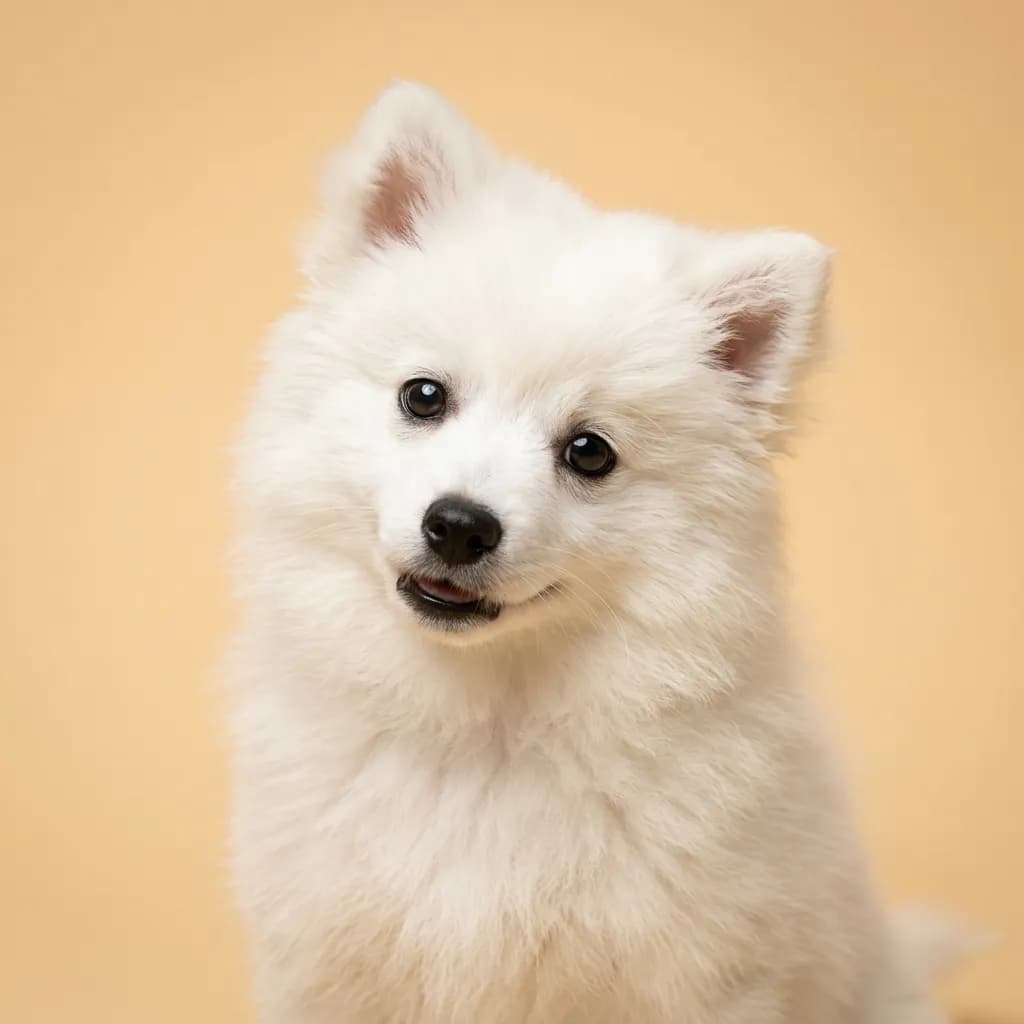
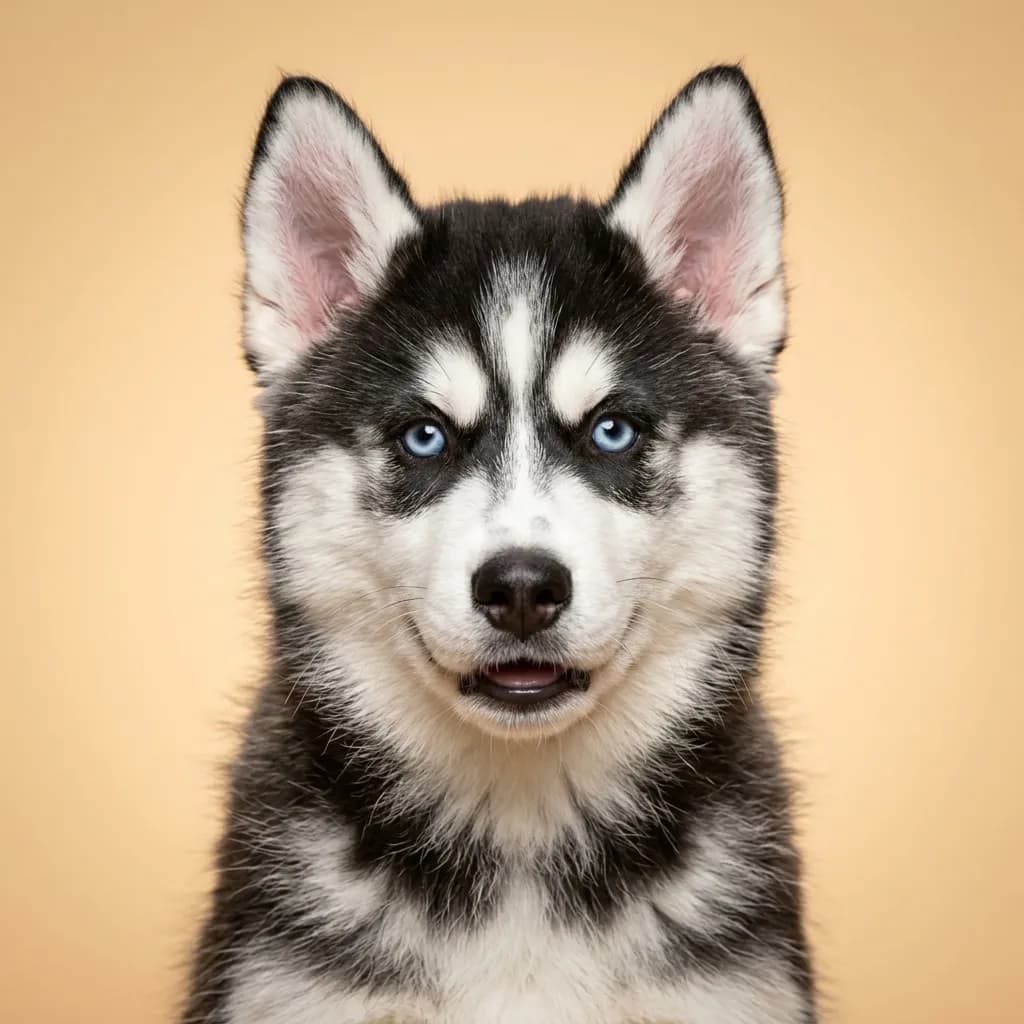
People compare American Eskimo Dogs and Siberian Huskies because they look vaguely related. fluffy, pointy ears, fox-like faces. and both thrive in cold weather. But that’s where the similarity ends. Think of it like choosing between a compact sports car and a rugged snowmobile. Both get you places, but the ride is wildly different. The American Eskimo is the smaller, sprightly companion, rarely topping 35 pounds. They’re sharp, eager to learn tricks, and bond tightly with families. They’ll alert you to every squirrel, but they’re not relentless barkers. Grooming’s a commitment two to three times a week, but they don’t shed quite as catastrophically as Huskies. They adapt well to apartments if you meet their daily energy needs, and they’re fantastic with kids. Then there’s the Husky. a full-blown athlete built for endurance. These dogs live to run. Six miles on a trail? They’re just warming up. Their trainability score is lower for a reason. They’re independent thinkers with a mind of their own, bred to make decisions 50 miles from camp. You’ll need a yard with a buried fence and the patience to outsmart a Houdini in fur. And the shedding? Twice a year, you’ll feel like you’re living in a tumbleweed of white fur. Here’s the real talk: the Eskimo wants to be your shadow. The Husky wants to be your teammate on an Arctic expedition. If you’re a busy family wanting a loyal, manageable pet, go Eskimo. If you’re an outdoor junkie with time for high-mileage hikes and dog sports, the Husky will be your soulmate. Just don’t expect either to sit quietly in a hot apartment. they’re both built for snow, not city heat.
Trait-by-trait
Higher bar = more of that trait. Shedding, barking, drooling, grooming flipped for readability.Where they diverge
Choose the American Eskimo Dog if…
- Families
- Active people
- Cold climates
- You value watchdog / protective — American Eskimo Dog scores noticeably higher.
Choose the Siberian Husky if…
- Active owners who exercise daily
- Cold climate households
- Families with children
- You value good with other dogs — Siberian Husky scores higher here.