American Eskimo Dog vs Skye Terrier
Side-by-side comparison across all 14 AKC trait ratings, with a clear verdict on which breed fits which kind of household.
Not sure which breed fits your life?
Answer five questions about your home, your schedule, and your tolerance for shedding. We’ll match you to your top three breeds from over 200.
American Eskimo Dog vs Skye Terrier
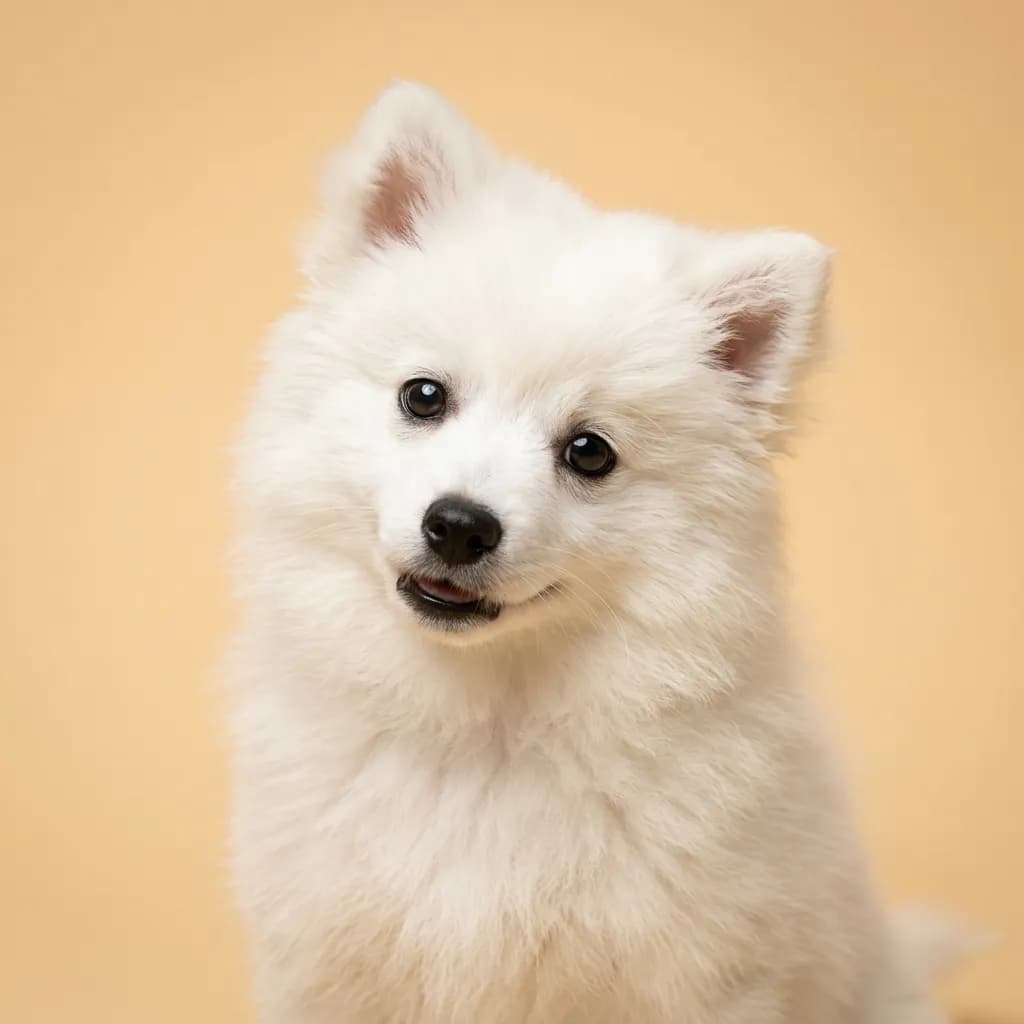
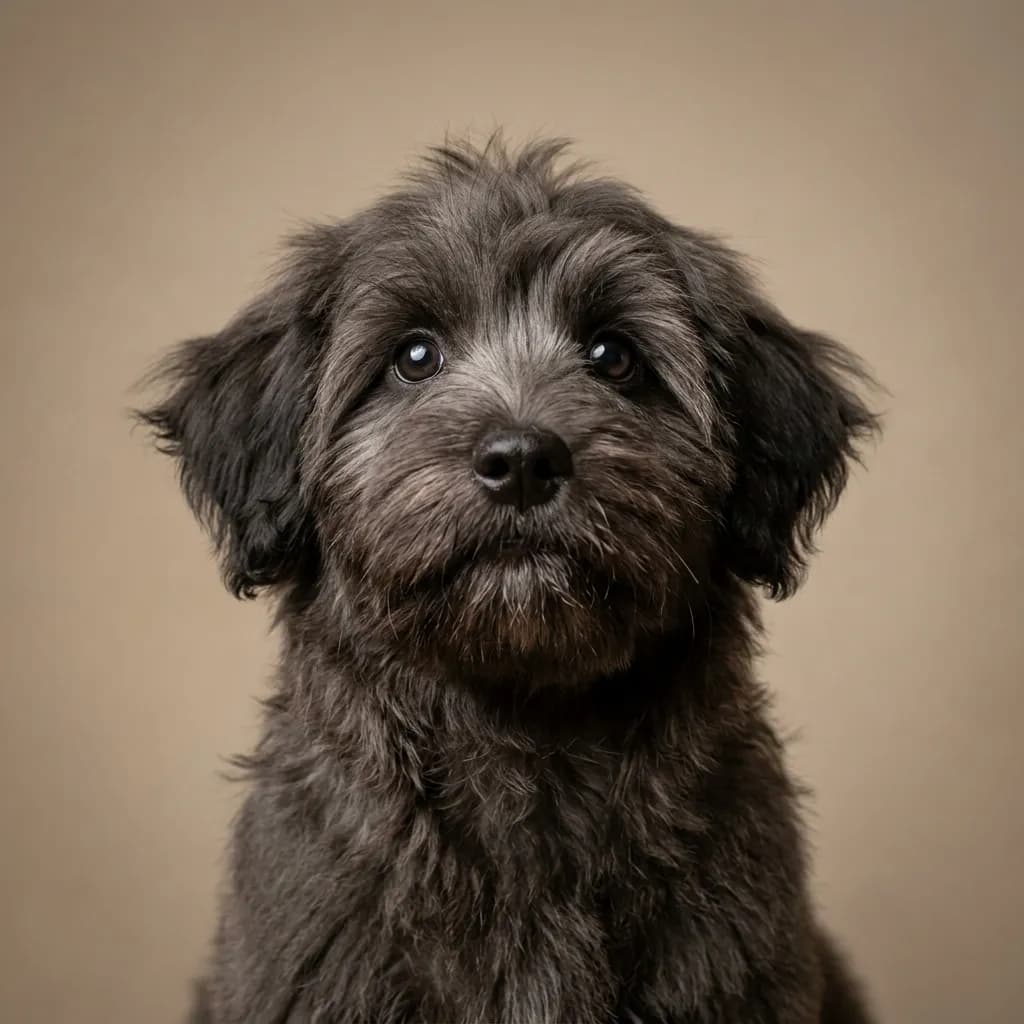
You’re not really comparing these two because they look vaguely alike with their long coats and alert eyes. You’re comparing them because both promise loyalty wrapped in fur, and you’re trying to figure out what kind of devotion fits your life. The American Eskimo Dog and the Skye Terrier couldn’t be more different under the surface. The Eskie is your family’s cheerleader. She’ll learn tricks in a weekend, rally the kids for a game of tag, and bark just enough to let you know the mailman exists. At 15 pounds max for the standard size, she’s light on her feet and big on affection. She thrives on interaction, needs a solid brushing every few days, and does best when she’s part of the action. If you’re into agility or just want a dog who feels like a warm, fluffy teammate, she’s your pick. The Skye Terrier? He’s not a teammate. He’s a quiet ally. Bred to go after foxes in the Scottish highlands, he moves with purpose and watches the world with ancient eyes. He’ll adore you, deeply and quietly, but he’s not here to perform. He’s stubborn in that terrier way, not maliciously, just certain of his opinions. He’ll tolerate older kids who respect his space but won’t forgive chaos. His coat is stunning but demands serious upkeep. think weekly baths and daily combing to avoid mats that can harbor skin issues. Here’s the truth the breed standards won’t tell you: the Eskie needs to be included, constantly. The Skye just needs to be understood. Pick the Eskie if you want a dog who’s always ready to play. Pick the Skye if you’re okay with a dog who’d rather sit beside you, silently, like he’s guarding something sacred.
Trait-by-trait
Higher bar = more of that trait. Shedding, barking, drooling, grooming flipped for readability.Where they diverge
Choose the American Eskimo Dog if…
- Families
- Active people
- Cold climates
- You value good with young children — American Eskimo Dog scores noticeably higher.
Choose the Skye Terrier if…
- Experienced terrier owners
- Adults and older children households
- Those wanting a loyal, devoted breed