American Eskimo Dog vs Toy Fox Terrier
Side-by-side comparison across all 14 AKC trait ratings, with a clear verdict on which breed fits which kind of household.
Not sure which breed fits your life?
Answer five questions about your home, your schedule, and your tolerance for shedding. We’ll match you to your top three breeds from over 200.
American Eskimo Dog vs Toy Fox Terrier
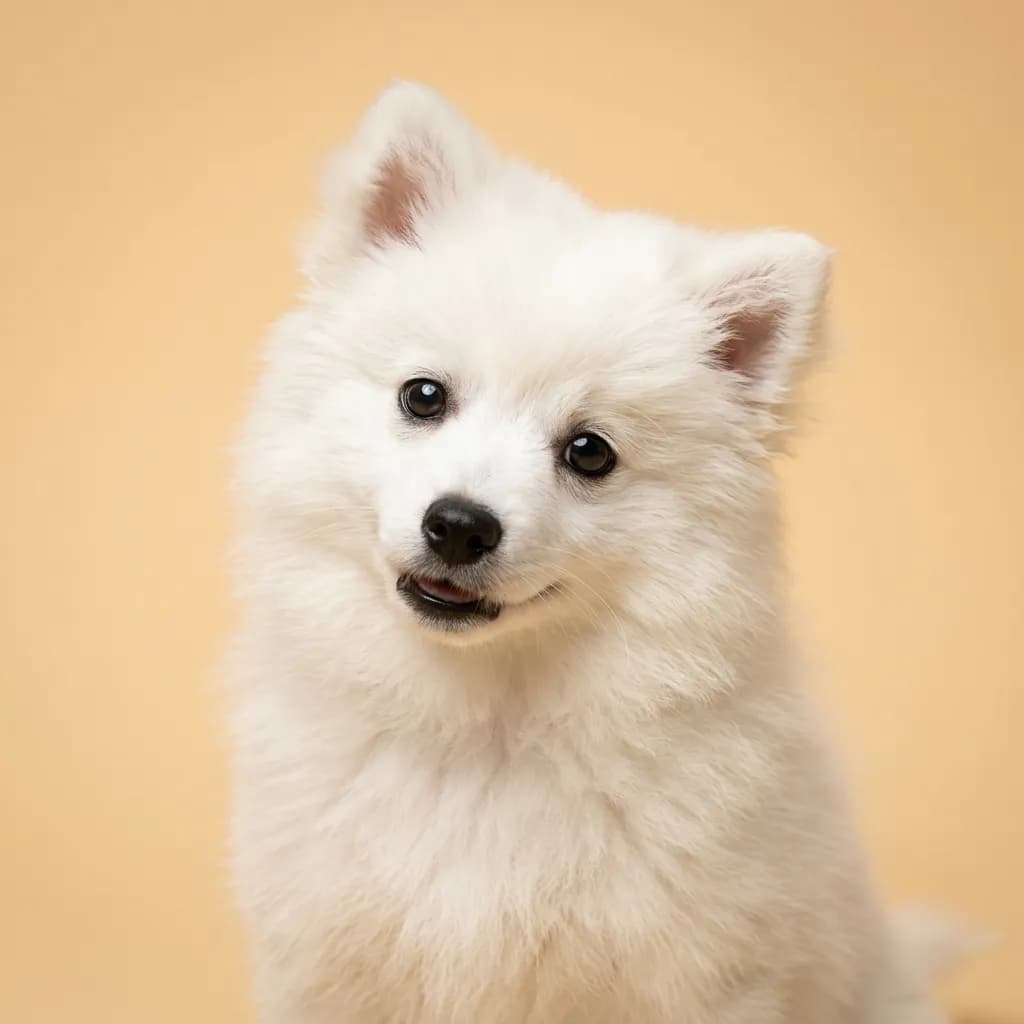
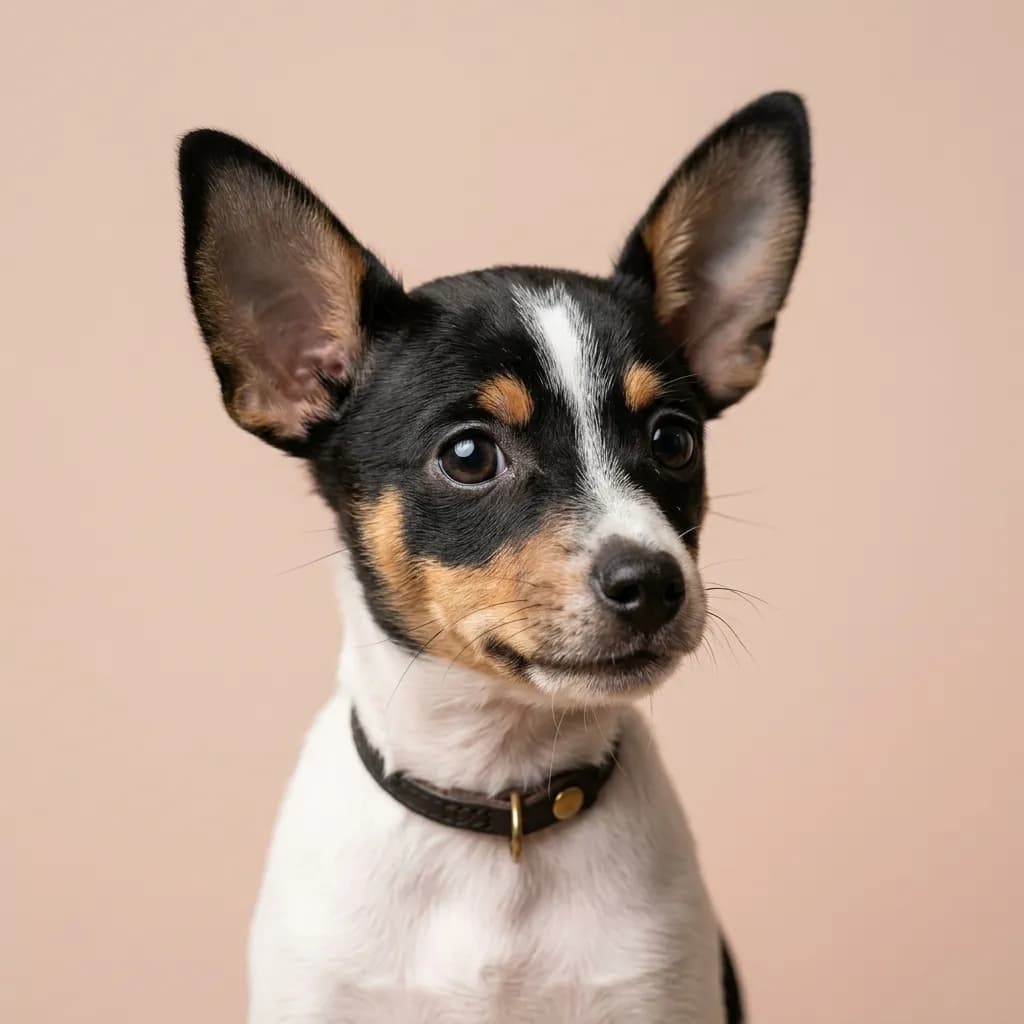
You don’t see people lining up to choose between an American Eskimo Dog and a Toy Fox Terrier every day, but when you do, it’s usually someone charmed by small, smart, high-energy dogs with big personalities. Both are alert, trainable, and thrive on human connection. But that’s where the similarities start to unravel. The American Eskimo Dog feels like a plush snowball with an engine. They’re fluffy, expressive, and deeply tuned into family life. At 6 to 35 pounds, they’re sturdier than they look and can handle kids wrestling with them. which matters because they score a rare 5/5 for kid-friendliness. They love cold weather, excel in agility, and need regular grooming. If you’re home a lot and love a dog that wants to do everything with you, from hiking to learning tricks, they’ll bond like glue. The Toy Fox Terrier, under 7 pounds, is all whip and spark. Bred from small game hunters and circus performers, they’re fearless, intensely intelligent, and need serious mental fuel. Their affection runs deep but can be one-person specific. They’re not ideal for homes with toddlers. they’re too fragile, and sudden movements spook them. But in an apartment with an active adult or older kids? They’re perfect. They’ll learn 50 tricks if you ask nicely. Here’s the real difference most people miss: the Eskie wants to be part of your herd. The Toy Fox Terrier wants to lead it. One is a loyal, adaptable companion; the other is a tiny strategist with opinions. Choose the Eskie if you want a family-centered, kid-safe entertainer. Pick the Toy Fox Terrier if you want a sharp, agile partner who’ll keep you on your toes. literally and mentally.
Trait-by-trait
Higher bar = more of that trait. Shedding, barking, drooling, grooming flipped for readability.Where they diverge
Choose the American Eskimo Dog if…
- Families
- Active people
- Cold climates
- You value good with young children — American Eskimo Dog scores noticeably higher.
Choose the Toy Fox Terrier if…
- Apartment living
- Active individuals
- Families with older children
- You value watchdog / protective — Toy Fox Terrier scores higher here.