American Foxhound vs Papillon
Side-by-side comparison across all 14 AKC trait ratings, with a clear verdict on which breed fits which kind of household.

Not sure which breed fits your life?
Answer five questions about your home, your schedule, and your tolerance for shedding. We’ll match you to your top three breeds from over 200.
American Foxhound vs Papillon
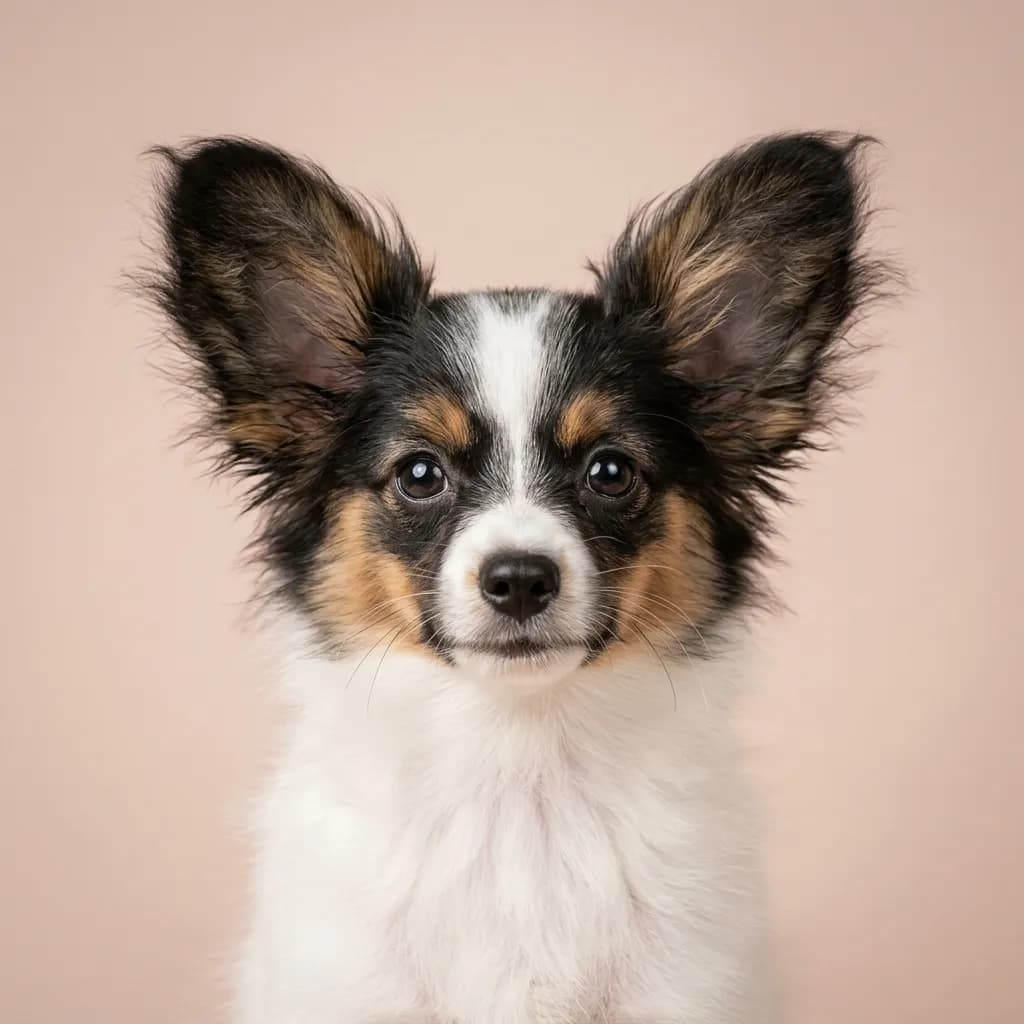
People compare the American Foxhound and Papillon because they’re both energetic, friendly dogs with big personalities, but that’s where the similarities end. Think of it like choosing between a pickup truck and a go-kart. you might need wheels, but what kind depends entirely on where you’re going. The American Foxhound was built for open fields and long, hard runs across American countryside. These dogs live to follow a scent, and they’ll bay at full volume while doing it. They’re gentle with kids and other dogs, but they’re not what you’d call cuddly. They’re independent, stubborn in training, and need space. lots of it. A suburban backyard with a six-foot fence? They’ll clear it without thinking twice. They’re for hunters or active folks with rural land and a tolerance for noise. The Papillon, on the other hand, thrives in your living room. This tiny, butterfly-eared dynamo was bred to charm royalty, and they still act like they own the place. They’re fearless, lightning-fast learners, and obsessed with their people. They adapt to apartments, travel well, and excel in agility. but they demand attention and mental work. Leave them alone too long, and they’ll find ways to entertain themselves, usually involving your shoes. One thing the data won’t tell you: the Foxhound will run off in the blink of an eye if a squirrel darts across the road. The Papillon? They’ll bark at the squirrel, then look back at you for approval. That’s the real difference. autonomy versus attachment. Pick the Foxhound if you want a partner in outdoor adventure. Choose the Papillon if you want a tiny, fearless shadow who lives for your company.
Trait-by-trait
Higher bar = more of that trait. Shedding, barking, drooling, grooming flipped for readability.Where they diverge
Choose the American Foxhound if…
- Active people
- Rural homes
- Hunters
- You value good with other dogs — American Foxhound scores noticeably higher.
Choose the Papillon if…
- Apartment living
- Active owners
- Families with older children
- You value affectionate w/ family — Papillon scores higher here.