American Hairless Terrier vs Great Dane
Side-by-side comparison across all 14 AKC trait ratings, with a clear verdict on which breed fits which kind of household.
Not sure which breed fits your life?
Answer five questions about your home, your schedule, and your tolerance for shedding. We’ll match you to your top three breeds from over 200.
American Hairless Terrier vs Great Dane
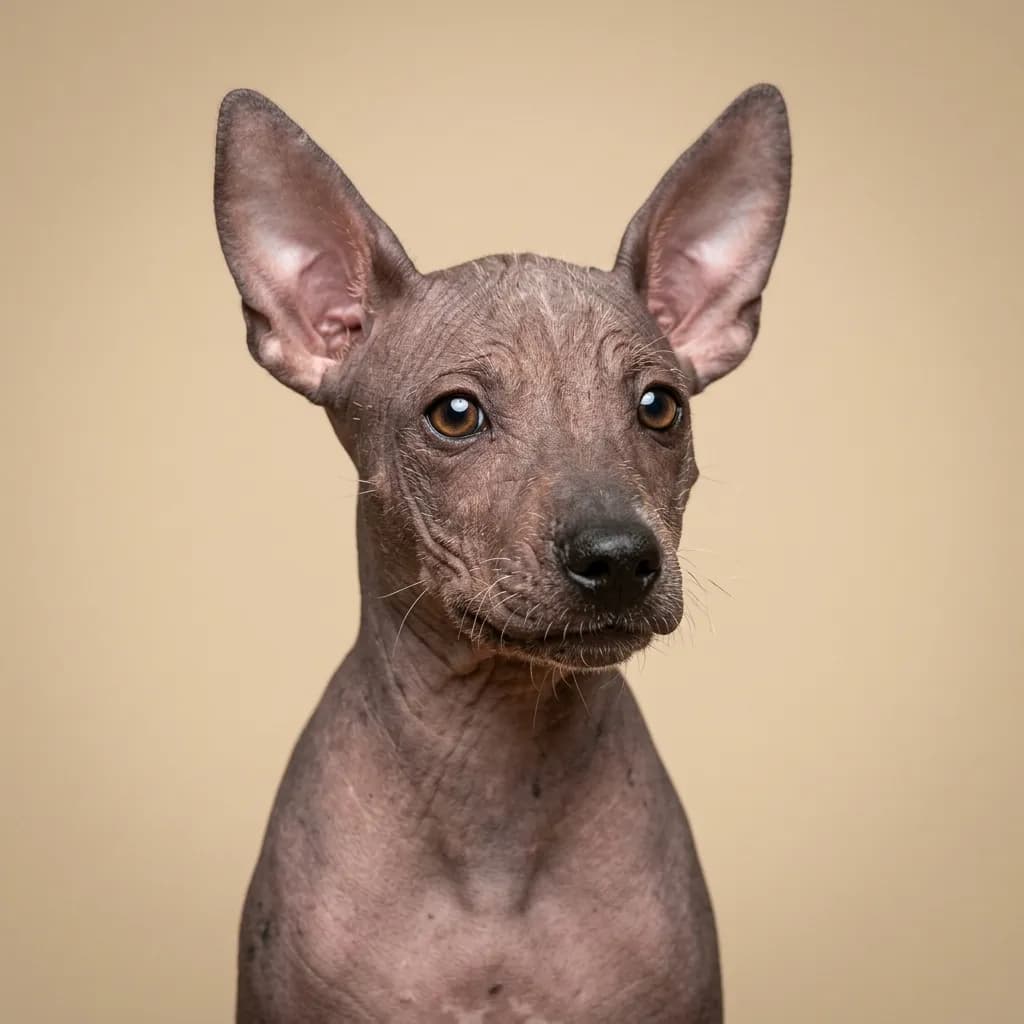
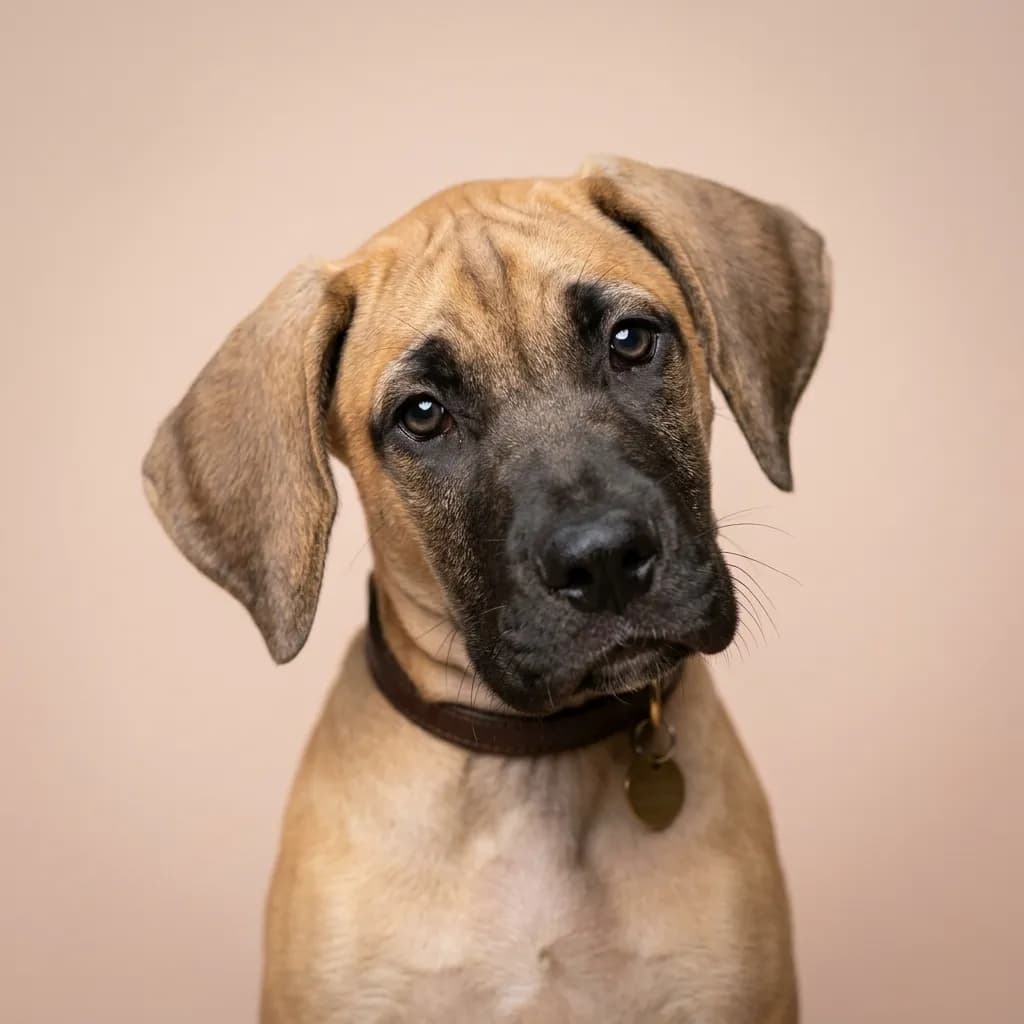
You’d never think someone would compare a dog the size of a bowling ball to one that looks like a living minivan, but here we are. People pit American Hairless Terriers against Great Danes when they want a dog that’s either extremely manageable or impressively large, yet both oddly low-shedding and affectionate. That’s where the similarities end. The American Hairless Terrier is the underdog you didn’t know you needed. At 12 to 16 pounds, it’s light enough to carry in one arm, built for city living, and thrives on daily puzzles and walks. It’s smart, easy to train, and loves kids. But you can’t just toss it outside. it burns in the sun and chills easily. Think of it as a tiny, furless comedian with a rat-hunting past who wants to snuggle on your lap between zoomies. The Great Dane is the gentle giant who forgets his size. At over 100 pounds, he’s built like a draft horse but acts like a lapdog. He’s calm indoors, adores families, and forms deep bonds. But he doesn’t live long. 7 to 10 years is typical. and his health risks are serious. Bloat can kill him in hours. He eats like a teenager and costs a fortune in food and vet bills. You pick the American Hairless if you live in an apartment, have allergies, or want a long-lived, portable pal. You choose the Dane if you’ve got space, a budget, and want a loyal, majestic presence. even if it breaks your heart sooner. Here’s the real talk: the Dane’s short life isn’t just a statistic. It changes how you love him. You’re not just getting a dog. You’re signing up for a beautiful, brief storm.
Trait-by-trait
Higher bar = more of that trait. Shedding, barking, drooling, grooming flipped for readability.Where they diverge
Choose the American Hairless Terrier if…
- Allergy sufferers
- Apartment dwellers
- Active people
- You value good with young children — American Hairless Terrier scores noticeably higher.
Choose the Great Dane if…
- Families with enough space
- Gentle companion seekers
- Those wanting a loyal calm dog
- You value drooling level — Great Dane scores higher here.