Bullmastiff vs Great Dane
Side-by-side comparison across all 14 AKC trait ratings, with a clear verdict on which breed fits which kind of household.
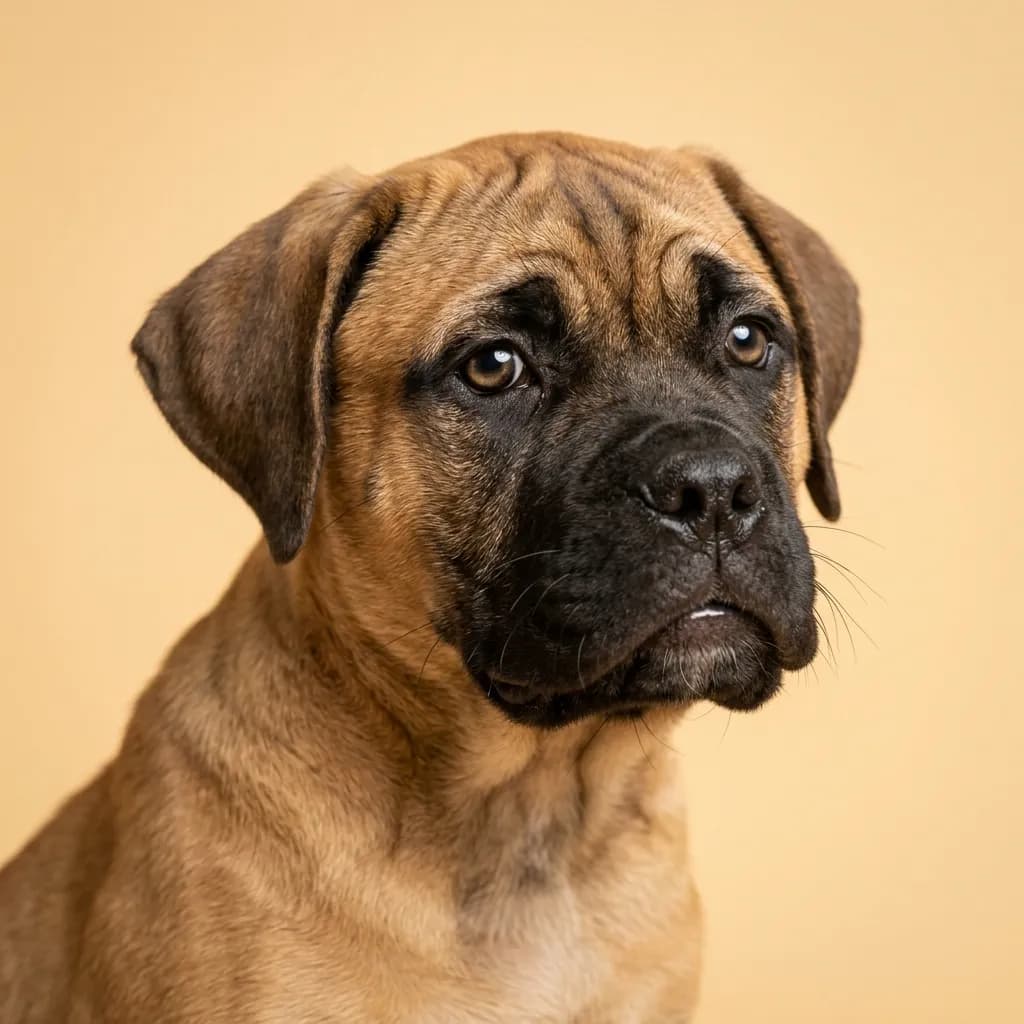
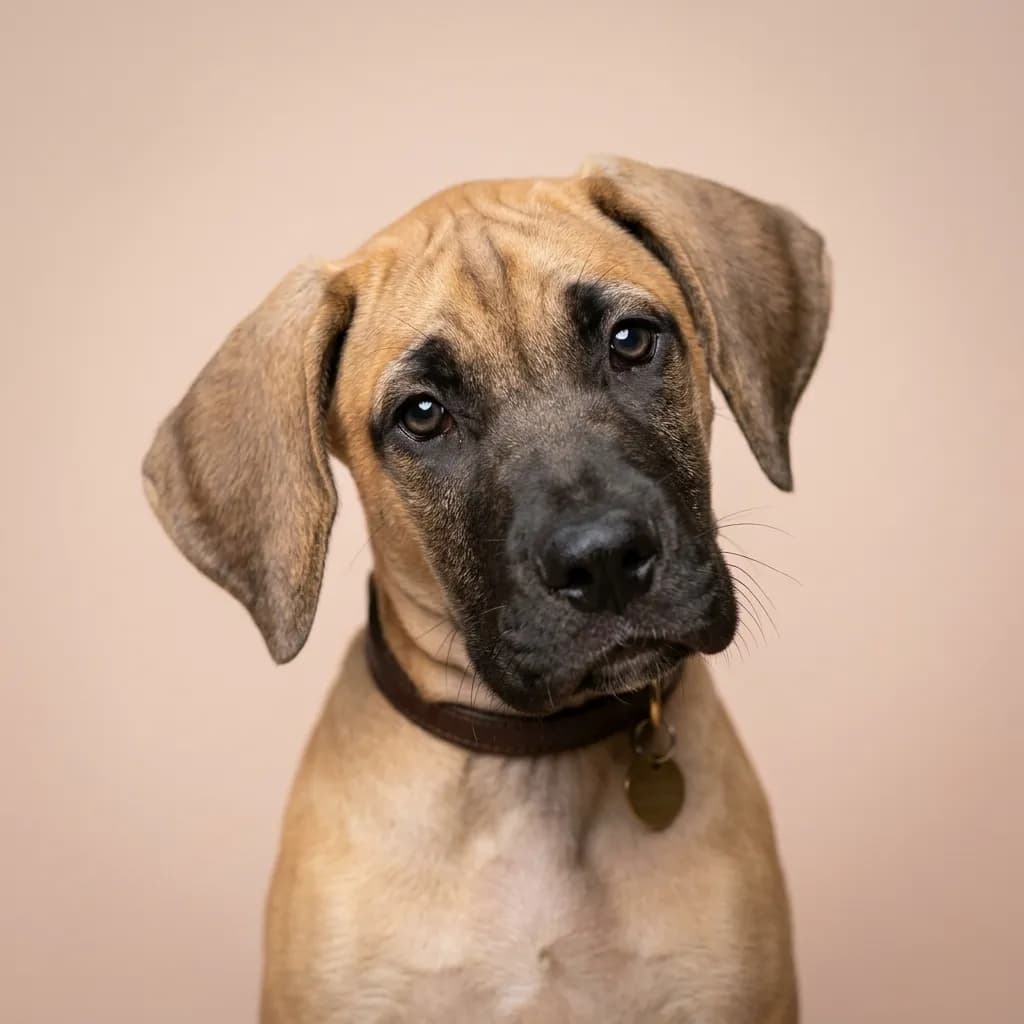
Not sure which breed fits your life?
Answer five questions about your home, your schedule, and your tolerance for shedding. We’ll match you to your top three breeds from over 200.
Bullmastiff vs Great Dane
People compare Bullmastiffs and Great Danes because they’re both massive, imposing dogs that somehow end up slobbering on your lap like oversized lap dogs. At first glance, they seem like two sides of the same coin. big, loyal, and built like tanks. But if you’re choosing between them, you’re really picking between a focused guardian and a gentle giant with a heart bigger than its body. The Bullmastiff is the dog who’ll quietly assess a threat before acting. Bred to take down poachers, they’re braver than most and naturally suspicious of strangers. They’re less barky, more aloof, and need a confident owner who can handle their strength without coddling. They’re not ideal for homes with toddlers simply because their sheer mass can knock a child over, not out of aggression. They thrive with routine, space, and a job to do. like watching over your property with quiet intensity. Great Danes, despite their size, are the "teddy bears" who think they’re lap dogs. They’re more adaptable, surprisingly good in suburban homes, and deeply affectionate with everyone. But their hearts are fragile. literally. Dilated cardiomyopathy is a silent killer, and their lifespan rarely cracks 10 years. They’re also expensive to feed and insure. But if you want a dog that greets you like you’ve been gone for years, even if you just went to the bathroom, this is your breed. Here’s the real talk: neither dog ages gracefully. But a Great Dane’s decline is fast and devastating. You’ll love them hard and lose them young. A Bullmastiff may live slightly longer but carries more joint issues into old age. Choose the Bullmastiff if you want a true guardian. Choose the Dane if you’re ready to love deeply, knowing time is short.
Trait-by-trait
Higher bar = more of that trait. Shedding, barking, drooling, grooming flipped for readability.Where they diverge
Choose the Bullmastiff if…
- Experienced dog owners
- Families with older children
- Homeowners with fenced yards
- You value trainability — Bullmastiff scores noticeably higher.
Choose the Great Dane if…
- Families with enough space
- Gentle companion seekers
- Those wanting a loyal calm dog
- You value barking level — Great Dane scores higher here.