American Hairless Terrier vs Pumi
Side-by-side comparison across all 14 AKC trait ratings, with a clear verdict on which breed fits which kind of household.

Not sure which breed fits your life?
Answer five questions about your home, your schedule, and your tolerance for shedding. We’ll match you to your top three breeds from over 200.
American Hairless Terrier vs Pumi
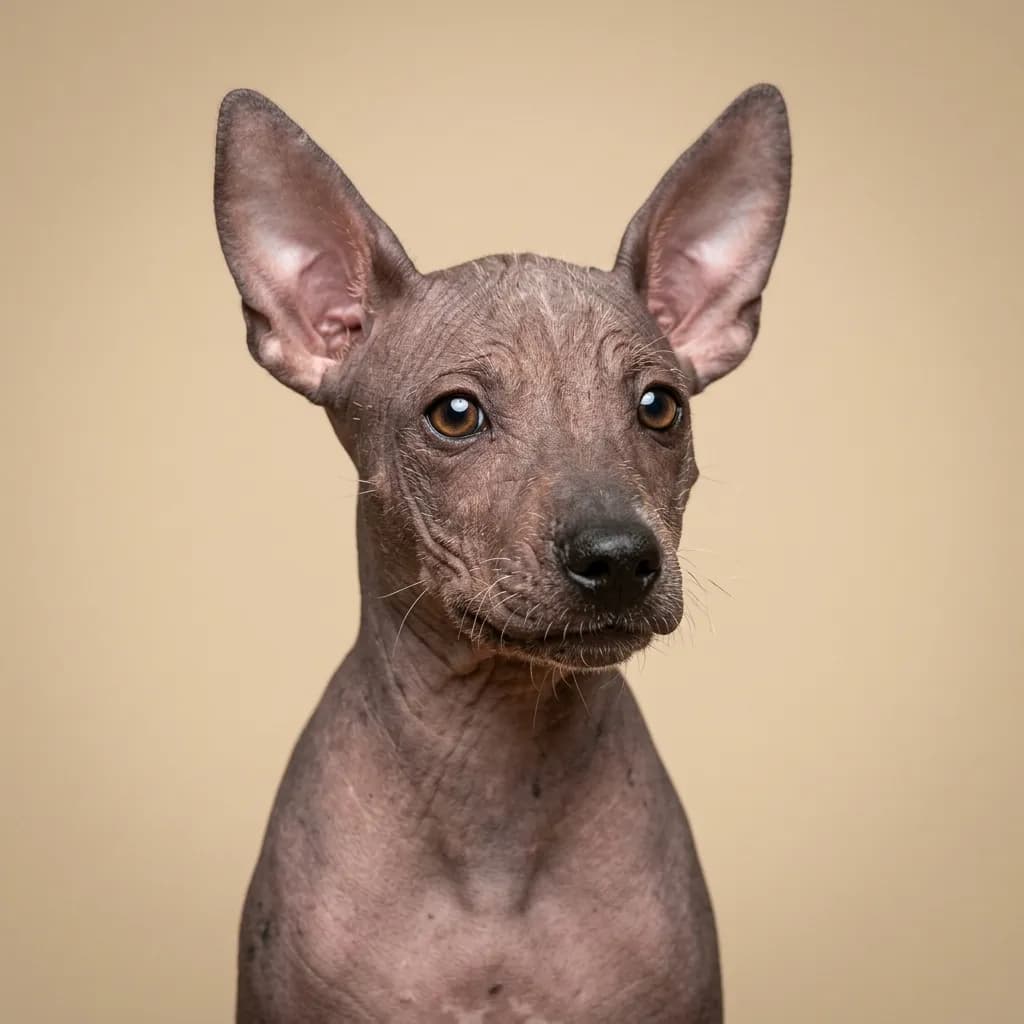
People compare the American Hairless Terrier and the Pumi because both are rare, low-shedding, and energetic dogs with a quirky look and sharp minds. At first glance, you might think they’re two sides of the same coin. both bouncy, smart, and affectionate. But spend a weekend with each and you’ll realize they’re built for entirely different lives. The American Hairless is your agile little shadow, perfect for city apartments or families with allergies. It’s easy to train, adores kids, and thrives on daily routines with a mix of play and cuddles. You’ll love how it adapts to your life, whether you’re out hiking or lounging on the couch. But remember, it’s a bare-skinned dog. sunscreen isn’t optional, and cold winters mean sweaters and booties. The Pumi, though? This is a dog that wakes up ready to work. With a springy step and wild curls, it’s built for motion. It’s just as trainable, but it demands mental fuel. dog sports, advanced tricks, herding trials. It’s affectionate with its family, but not the kind of dog to quietly follow kids around. It’s more likely to herd them. And while it can live in a home, it needs space to move and a job to do. A bored Pumi will rewire your houseplants and bark at the toaster. Here’s the real insight: The American Hairless is a companion who happens to be smart. The Pumi is a working dog who happens to be affectionate. If you want a clever, low-maintenance cuddler who won’t shed on your couch, go Hairless. If you live for agility classes, long hikes, and a dog that’s always three steps ahead mentally, the Pumi will blow your socks off. just don’t expect it to ever really settle.
Trait-by-trait
Higher bar = more of that trait. Shedding, barking, drooling, grooming flipped for readability.Where they diverge
Choose the American Hairless Terrier if…
- Allergy sufferers
- Apartment dwellers
- Active people
- You value good with young children — American Hairless Terrier scores noticeably higher.
Choose the Pumi if…
- Active owners
- Dog sports enthusiasts
- Experienced herding breed owners
- You value energy level — Pumi scores higher here.