American Leopard Hound vs Otterhound
Side-by-side comparison across all 14 AKC trait ratings, with a clear verdict on which breed fits which kind of household.
Not sure which breed fits your life?
Answer five questions about your home, your schedule, and your tolerance for shedding. We’ll match you to your top three breeds from over 200.
American Leopard Hound vs Otterhound
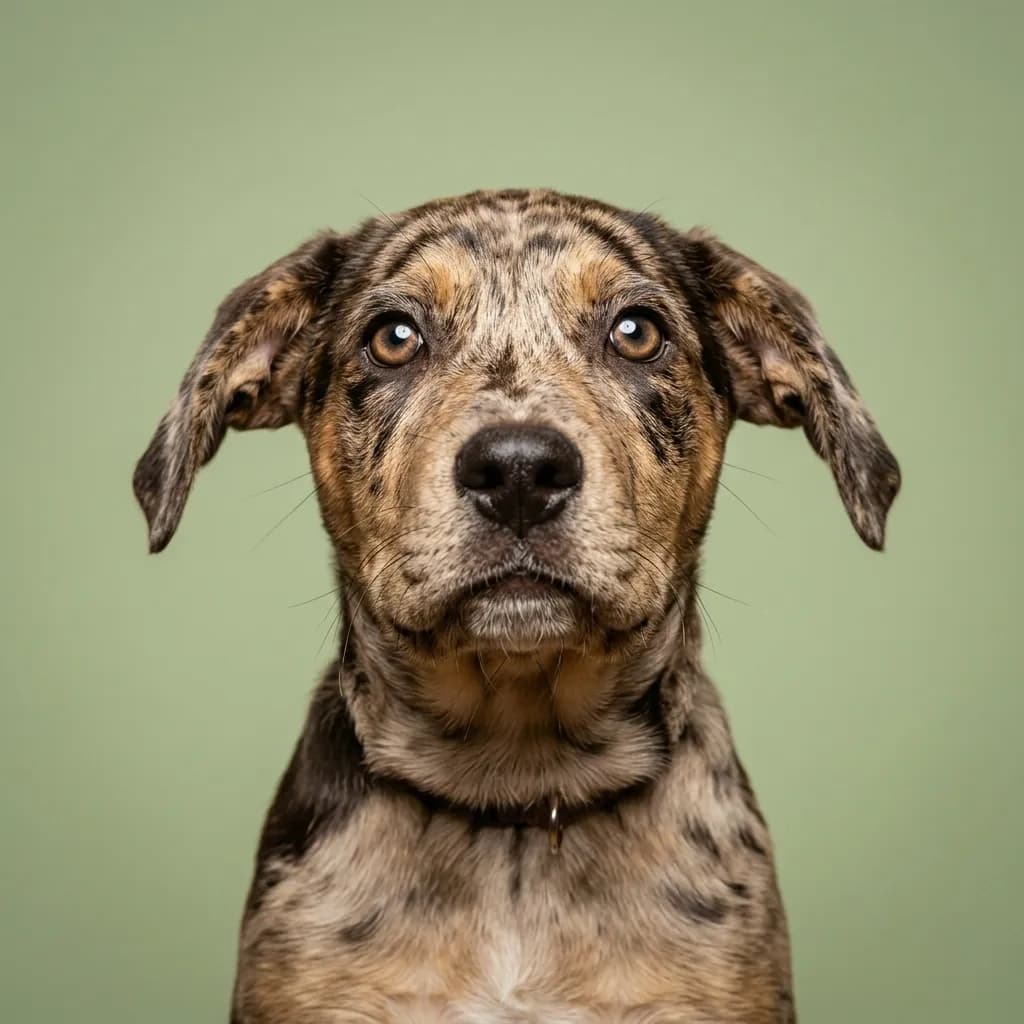
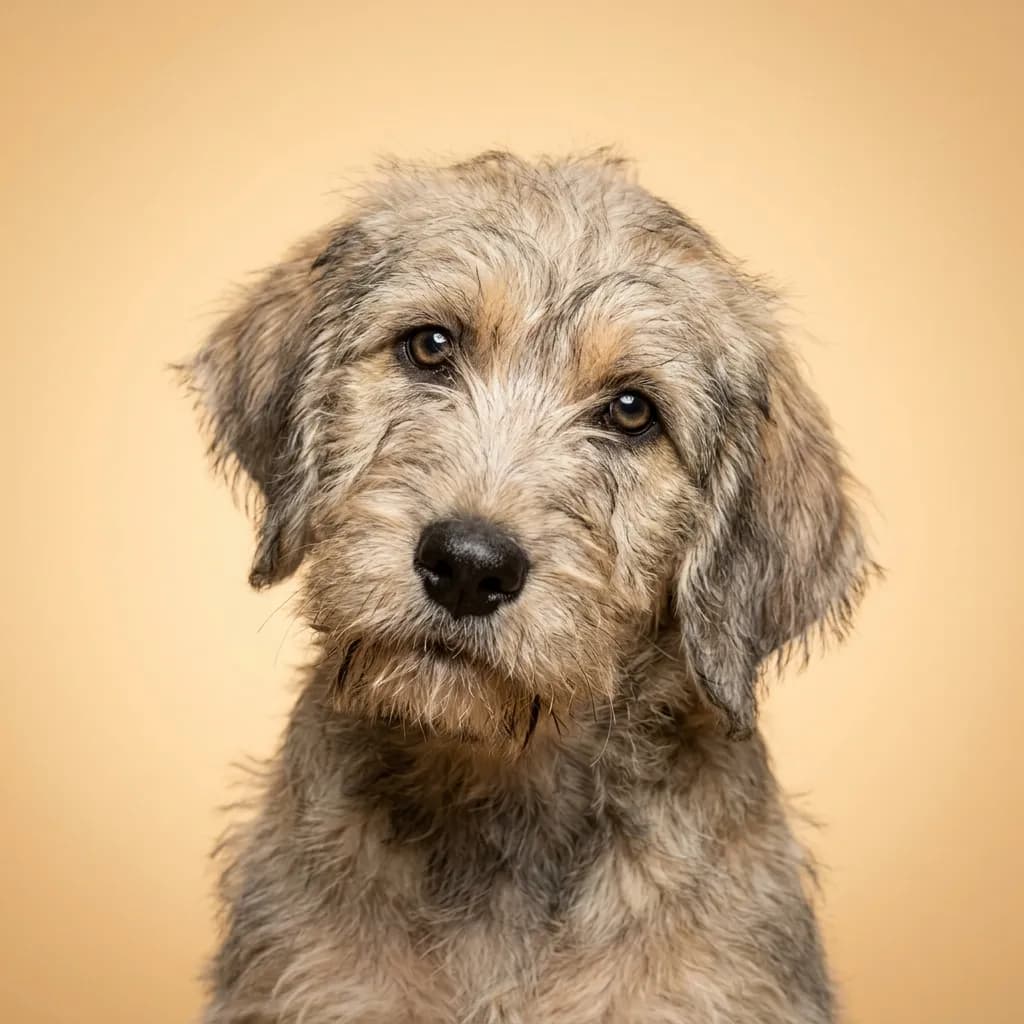
People don’t usually pit the American Leopard Hound against the Otterhound, but when they do, it’s usually someone with land, an active lifestyle, and a soft spot for rugged, old-school hounds. Both are rare, both are built for tough outdoor work, and both will stick close to their people. so the comparison makes sense if you’re deep in the hound world and need a working companion that won’t just nap on the porch. Here’s where they split. The American Leopard Hound is leaner, quicker, and built for covering miles in the backwoods, treeing squirrels or raccoons with relentless drive. You’ll need space and time to burn with this dog. It’s more reserved with strangers, less barky than you’d expect, and gets along great with kids. but it’s not as easy to train as it is to love. It’s the choice if you hunt or hike seriously and want a smart, loyal partner who thrives on routine and purpose. The Otterhound, meanwhile, is a shaggy, cheerful bruiser built for rivers and mud. It’s heavier, louder, and comes with a signature hound smell and drool you’ll either accept or resent. It’s more adaptable to different homes. just not small ones. and actually easier to train than the Leopard Hound, though good luck calling it back once it scents water. It’s a family dog but not a babysitter; it’s affectionate but boisterous, and kids under 8 might get knocked over. One thing the data won’t tell you? The Otterhound’s bark sounds like a foghorn at midnight. And the American Leopard Hound? It won’t come when called either. but for different reasons. One’s distracted by water. The other’s already miles ahead, doing the job it was born for. Choose based on terrain, not temperament.
Trait-by-trait
Higher bar = more of that trait. Shedding, barking, drooling, grooming flipped for readability.Where they diverge
Choose the American Leopard Hound if…
- hunters
- active rural families
- experienced hound owners
- You value good with young children — American Leopard Hound scores noticeably higher.
Choose the Otterhound if…
- Active families
- Rural settings
- Outdoor and swimming enthusiasts
- You value drooling level — Otterhound scores higher here.