American Leopard Hound vs Pekingese
Side-by-side comparison across all 14 AKC trait ratings, with a clear verdict on which breed fits which kind of household.

Not sure which breed fits your life?
Answer five questions about your home, your schedule, and your tolerance for shedding. We’ll match you to your top three breeds from over 200.
American Leopard Hound vs Pekingese
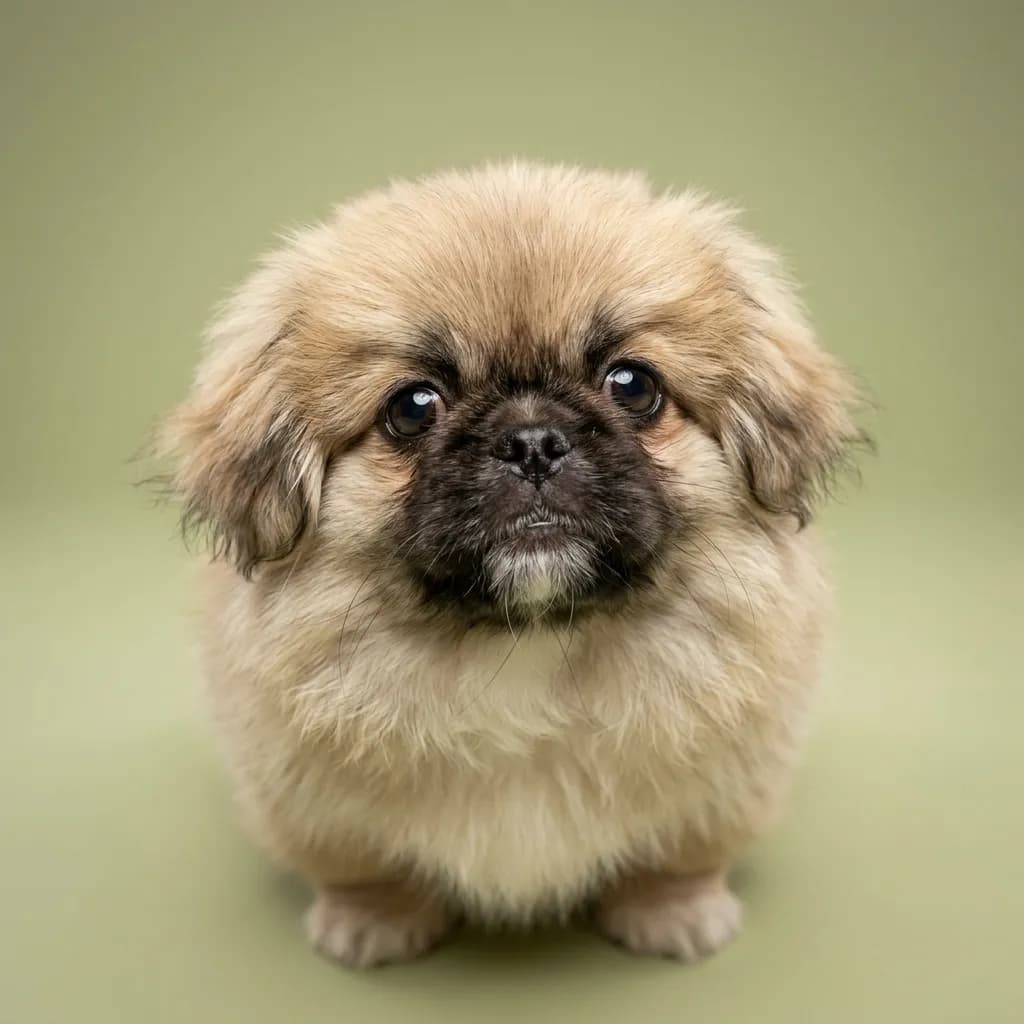
You’re probably not comparing a Pekingese to an American Leopard Hound because you’re trying to choose between them for the same lifestyle. You’re comparing them because you’re deep in the dog rabbit hole, and suddenly you’re wondering how two animals both technically called “dogs” can be so wildly different. One was built to tree raccoons in the Tennessee hills, the other was carried in the sleeves of Chinese emperors. It’s less a comparison and more a reality check: what kind of life are you actually living? The American Leopard Hound is a working machine. If you’ve got woods, a fence line, and a need for a dog that thrives on movement and mission, this breed will bond fiercely with your family and patrol your land like it’s sworn to protect it. Kids? Fine. Exercise? Non-negotiable. Expect barking at squirrels, shedding on your couch, and vet checks for hips and ears. You’ll need space, time, and an appetite for dog-driven chaos. The Pekingese is the opposite kind of commitment. This dog doesn’t want to run beside you. it wants to sit on your lap while you read. It’s stubborn, regal, and surprisingly tough for its size. Great for apartments or quieter homes, but don’t expect it to tolerate rambunctious kids or long walks in the heat. Its needs are subtle: breathing support in summer, spine care as it ages, and a household that respects its pace. Here’s the real insight: the Pekingese may look fragile, but it’s emotionally resilient if you understand its pride. The Leopard Hound looks rugged, but it’ll fall apart mentally if you chain it up or ignore it. One demands space, the other demands attention. Pick based on which you’re actually willing to give.
Trait-by-trait
Higher bar = more of that trait. Shedding, barking, drooling, grooming flipped for readability.Where they diverge
Choose the American Leopard Hound if…
- hunters
- active rural families
- experienced hound owners
- You value good with young children — American Leopard Hound scores noticeably higher.
Choose the Pekingese if…
- Apartment living
- Seniors
- Singles or couples
- You value coat grooming — Pekingese scores higher here.