American Staffordshire Terrier vs Bloodhound
Side-by-side comparison across all 14 AKC trait ratings, with a clear verdict on which breed fits which kind of household.

Not sure which breed fits your life?
Answer five questions about your home, your schedule, and your tolerance for shedding. We’ll match you to your top three breeds from over 200.
American Staffordshire Terrier vs Bloodhound
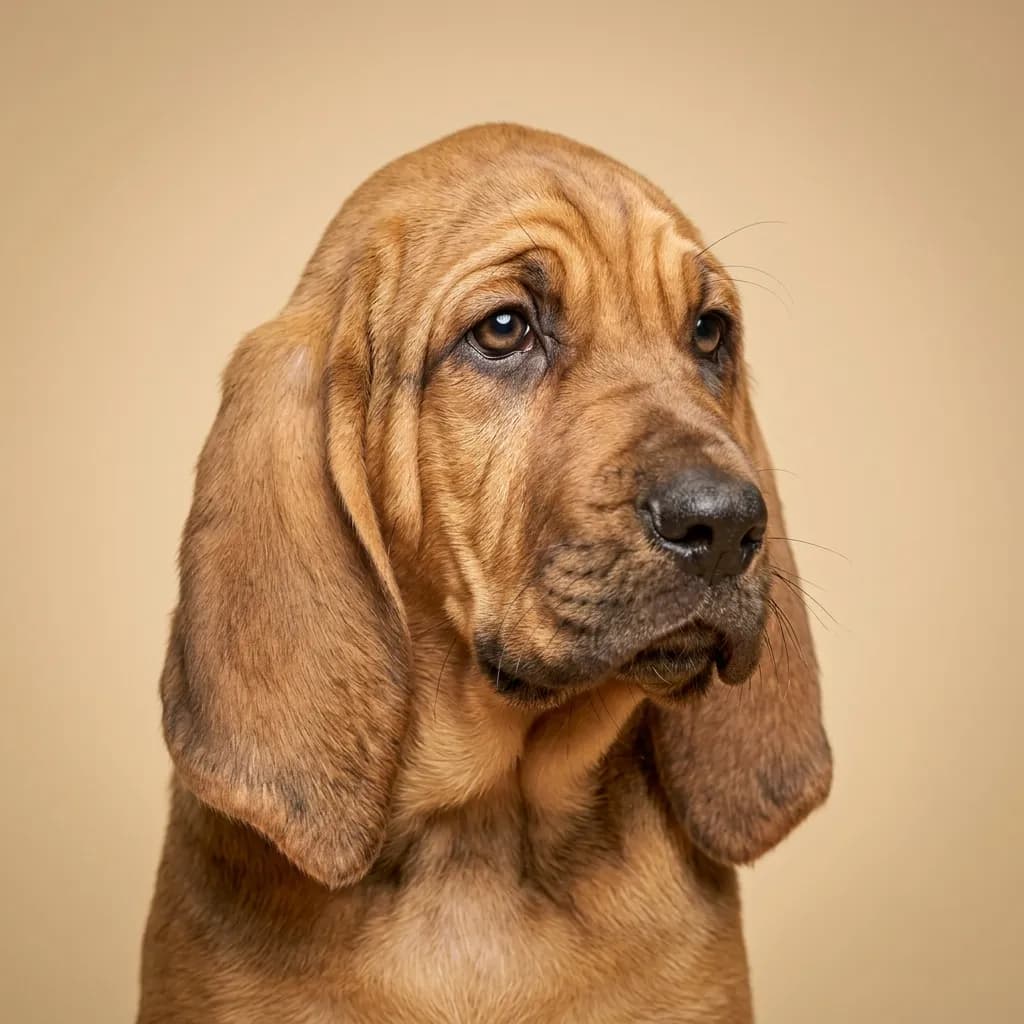
You’re not comparing these two breeds because they’re alike . you’re doing it because you’re torn between a dog that wants to be your shadow and one that barely remembers you exist once a scent hits the air. The American Staffordshire Terrier and Bloodhound don’t just come from different directions, they’re built for entirely different lives. AmStaffs are compact, intense, and deeply bonded. They’ll lean on you during a movie, walk like they own the sidewalk, and lock eyes with you like they’re solving a puzzle. They’re smart, yes, but they’ll test you. You need to be consistent, or they’ll run the household. Great with older kids if raised together, but their strength and energy mean you can’t be passive. Plus, some cities ban them outright, so check your local laws. Bloodhounds? They’re scent-driven machines with droopy faces and zero urgency. They’ll follow a trail through a tornado and ignore your recall like it’s background noise. They’re gentle and affectionate in their own spaced-out way, but don’t expect obedience. Their bark is loud and frequent, and their ears need constant cleaning. They’re best for rural homes with big, secure yards . not for city living or sensitive neighbors. Here’s the real talk: AmStaffs thrive on partnership. Bloodhounds operate on loan. You don’t own a Bloodhound, you just happen to feed the thing that lives in your yard. If you want a dog that feels like family, go AmStaff. If you want a living bloodhound, well . you know what you’re getting.
Trait-by-trait
Higher bar = more of that trait. Shedding, barking, drooling, grooming flipped for readability.Where they diverge
Choose the American Staffordshire Terrier if…
- Active people
- Experienced owners
- Families with older children
- You value watchdog / protective — American Staffordshire Terrier scores noticeably higher.
Choose the Bloodhound if…
- Active people
- Rural homes
- Hunters
- You value drooling level — Bloodhound scores higher here.