American Water Spaniel vs Papillon
Side-by-side comparison across all 14 AKC trait ratings, with a clear verdict on which breed fits which kind of household.
Not sure which breed fits your life?
Answer five questions about your home, your schedule, and your tolerance for shedding. We’ll match you to your top three breeds from over 200.
American Water Spaniel vs Papillon
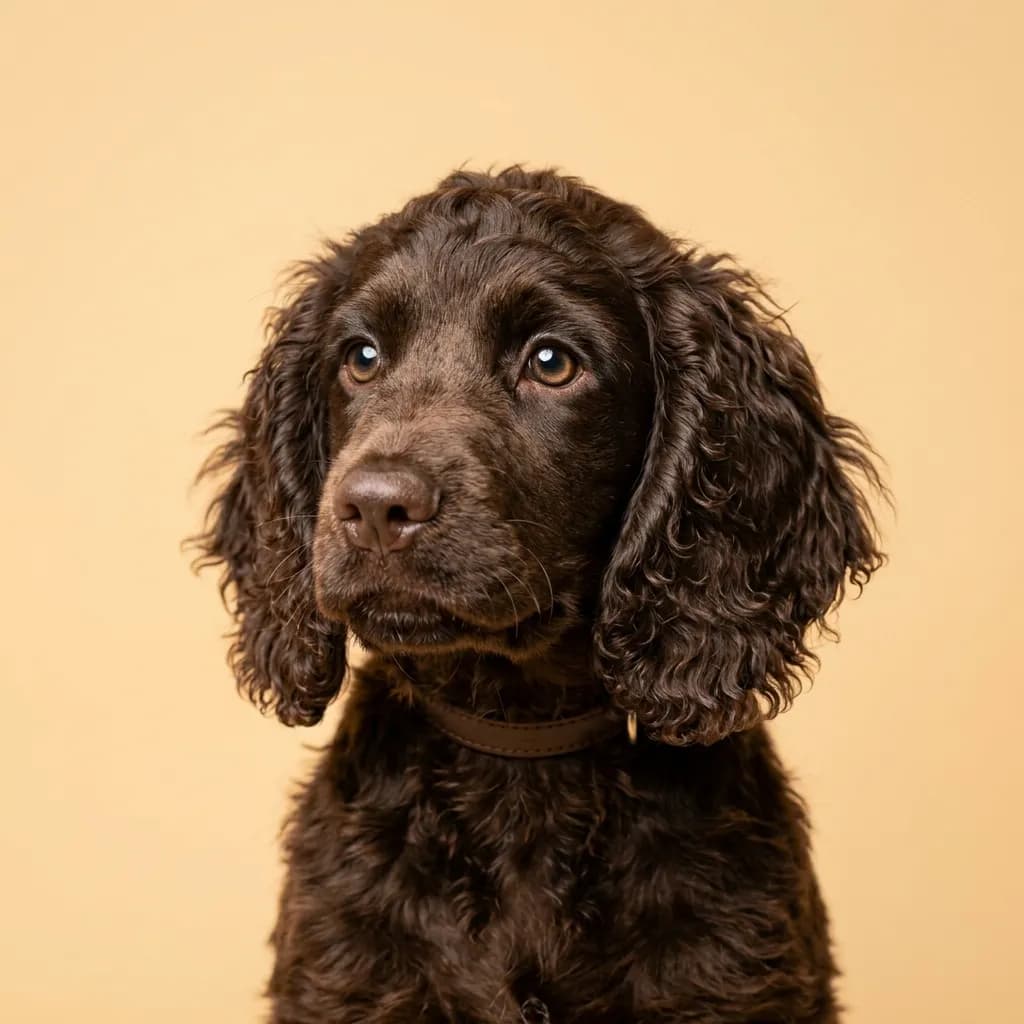
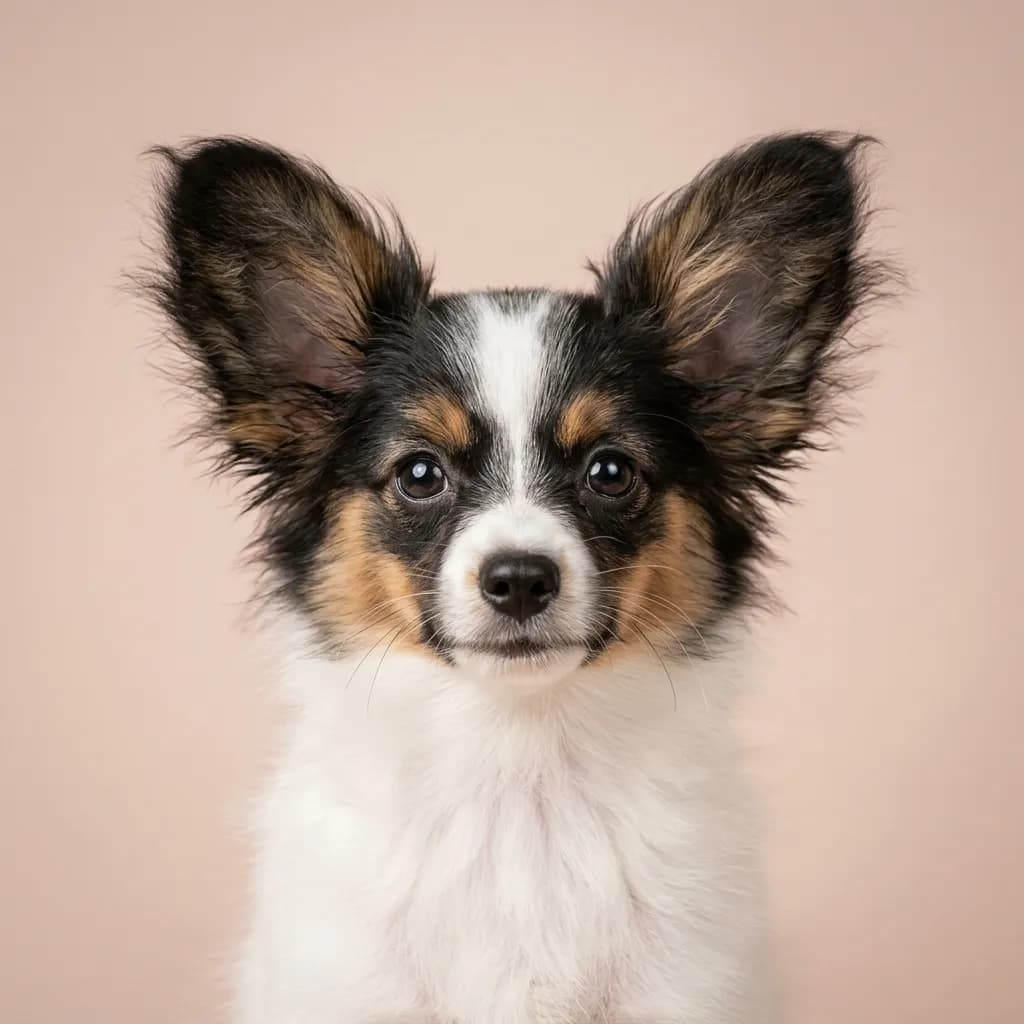
You might wonder why anyone would compare a Papillon and an American Water Spaniel. One’s a tiny lapdog with butterfly ears that charmed French queens, the other a wiry, web-footed hunter built for Wisconsin marshes. But people do compare them. because both are energetic, intelligent, and deeply loyal in their own ways. The real question isn’t about looks. It’s about life. If you’re drawn to the Papillon, you’re signing up for a furry little dynamo. This dog lives to learn, to compete, to sit in your lap during Zoom calls and then bolt across the room at the sound of a leaf crunching outside. It’s adaptable. perfect for apartments. but don’t be fooled. It’s not a quiet ornament. It barks. A lot. And while it’s gentle with older kids, toddlers can be a risk with such a small frame. The American Water Spaniel is a different beast entirely. Built for cold lakes and long days in a duck blind, it’s calmer indoors but needs real work. fetch, hikes, swimming, anything with purpose. It’s not as vocal, sheds less, and bonds deeply with active owners who’ll get it muddy. But it’s not city-friendly. It needs space and routine. Here’s the truth beyond the numbers: the Papillon thrives on attention and mental puzzles. It’s a dog that wants to be your shadow. The AWS, though affectionate, is more of a partner. It’s happy to follow you into the woods but won’t demand eye contact like the Papillon does. Choose the Papillon if your life is indoors but mentally rich. Choose the AWS if your life is outdoors and you want a quiet, capable companion who won’t quit. One won’t bark at squirrels from the window. The other definitely will.
Trait-by-trait
Higher bar = more of that trait. Shedding, barking, drooling, grooming flipped for readability.Where they diverge
Choose the American Water Spaniel if…
- hunters and waterfowl enthusiasts
- active families
- outdoor adventurers
- You value coat grooming — American Water Spaniel scores noticeably higher.
Choose the Papillon if…
- Apartment living
- Active owners
- Families with older children
- You value affectionate w/ family — Papillon scores higher here.