Anatolian Shepherd Dog vs Havanese
Side-by-side comparison across all 14 AKC trait ratings, with a clear verdict on which breed fits which kind of household.
Not sure which breed fits your life?
Answer five questions about your home, your schedule, and your tolerance for shedding. We’ll match you to your top three breeds from over 200.
Anatolian Shepherd Dog vs Havanese
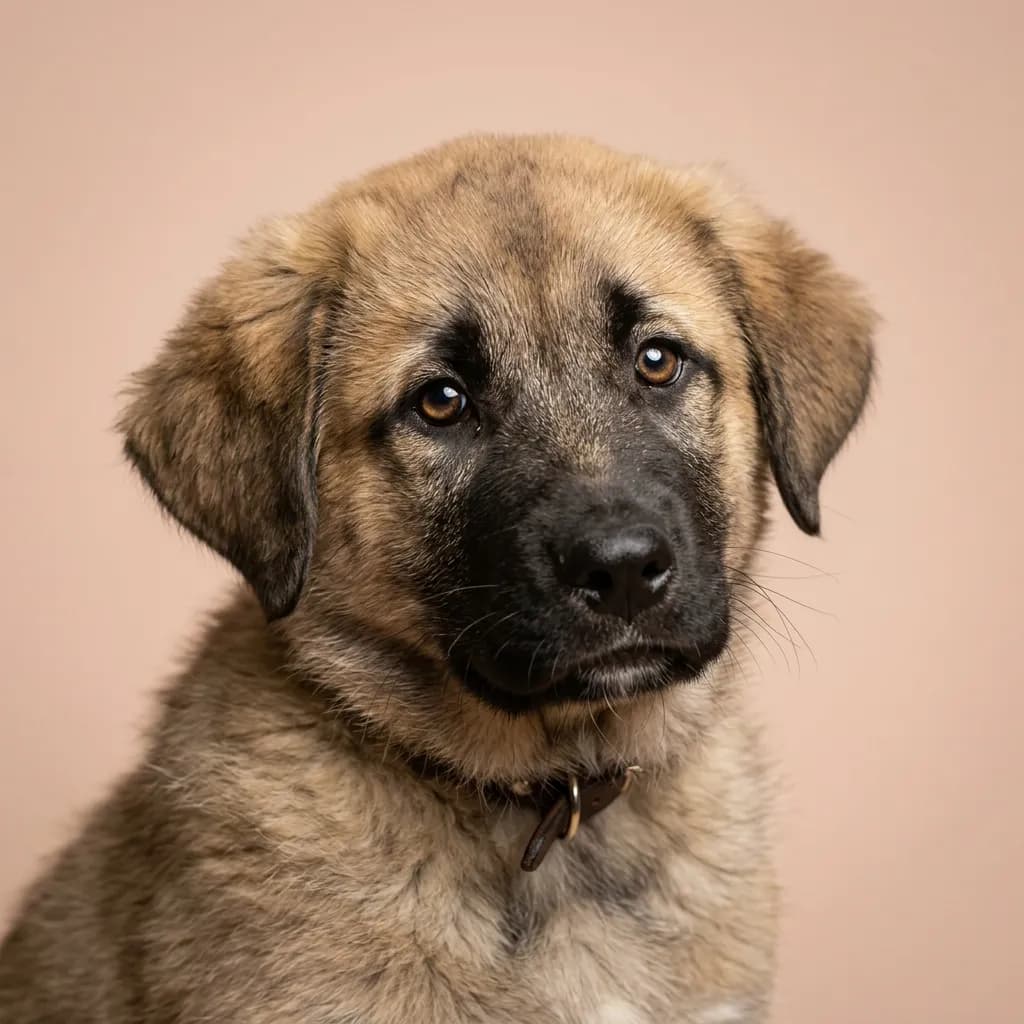
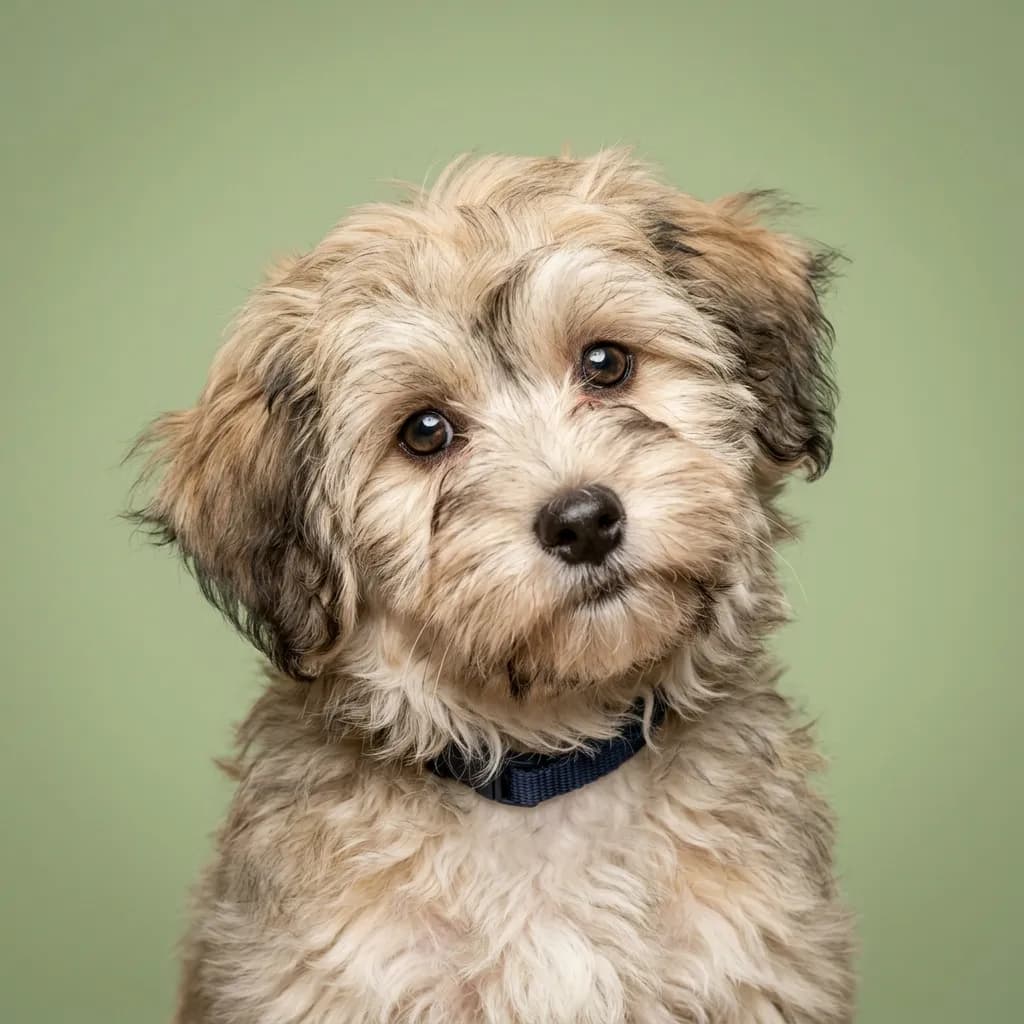
You’re not actually comparing these two breeds unless you’re standing in a pet store and your kid is pointing at a Havanese while your partner dreams of a majestic mountain of dog in the backyard. The Anatolian Shepherd and Havanese are about as similar as a pickup truck and a scooter. People lump them together only because both are dogs and both can cost $1,000 to $3,500. That’s where the story ends. The Anatolian is a fortress on four legs. Bred to stare down wolves in the Anatolian plateau, this dog isn’t looking to cuddle. It’s assessing threats. It’s independent to a fault, not because it’s stubborn but because it was born to make life-or-death decisions without human input. You don’t train an Anatolian so much as negotiate with it. It thrives on open land, a job to do, and quiet respect. Kids? It tolerates them if raised together, but don’t expect a babysitter. Affection? You’ll get a glance. Maybe a nudge. Now, the Havanese. this dog wants to be in your lap during dinner, on your Zoom call, and under the blanket at 2 a.m. It’s a social butterfly from Cuban palaces, bred for charm and companionship. It learns tricks fast, sings when excited, and will absolutely lose it if left alone for eight hours. It’s the dog for city living, for families who want a furry shadow, for people who want to feel loved on demand. Pick the Anatolian if you need a guardian and have space, experience, and patience. Pick the Havanese if you want a joyful companion and can handle a clingy co-pilot. Here’s the truth no one says: the Havanese’s biggest flaw isn’t its grooming. it’s that it makes you feel guilty for existing without it.
Trait-by-trait
Higher bar = more of that trait. Shedding, barking, drooling, grooming flipped for readability.Where they diverge
Choose the Anatolian Shepherd Dog if…
- Experienced owners
- Rural properties
- Livestock guardians
- You value watchdog / protective — Anatolian Shepherd Dog scores noticeably higher.
Choose the Havanese if…
- Apartment dwellers
- Seniors
- Families with children
- You value affectionate w/ family — Havanese scores higher here.