Appenzeller Sennenhund vs Norwegian Lundehund
Side-by-side comparison across all 14 AKC trait ratings, with a clear verdict on which breed fits which kind of household.
Not sure which breed fits your life?
Answer five questions about your home, your schedule, and your tolerance for shedding. We’ll match you to your top three breeds from over 200.
Appenzeller Sennenhund vs Norwegian Lundehund
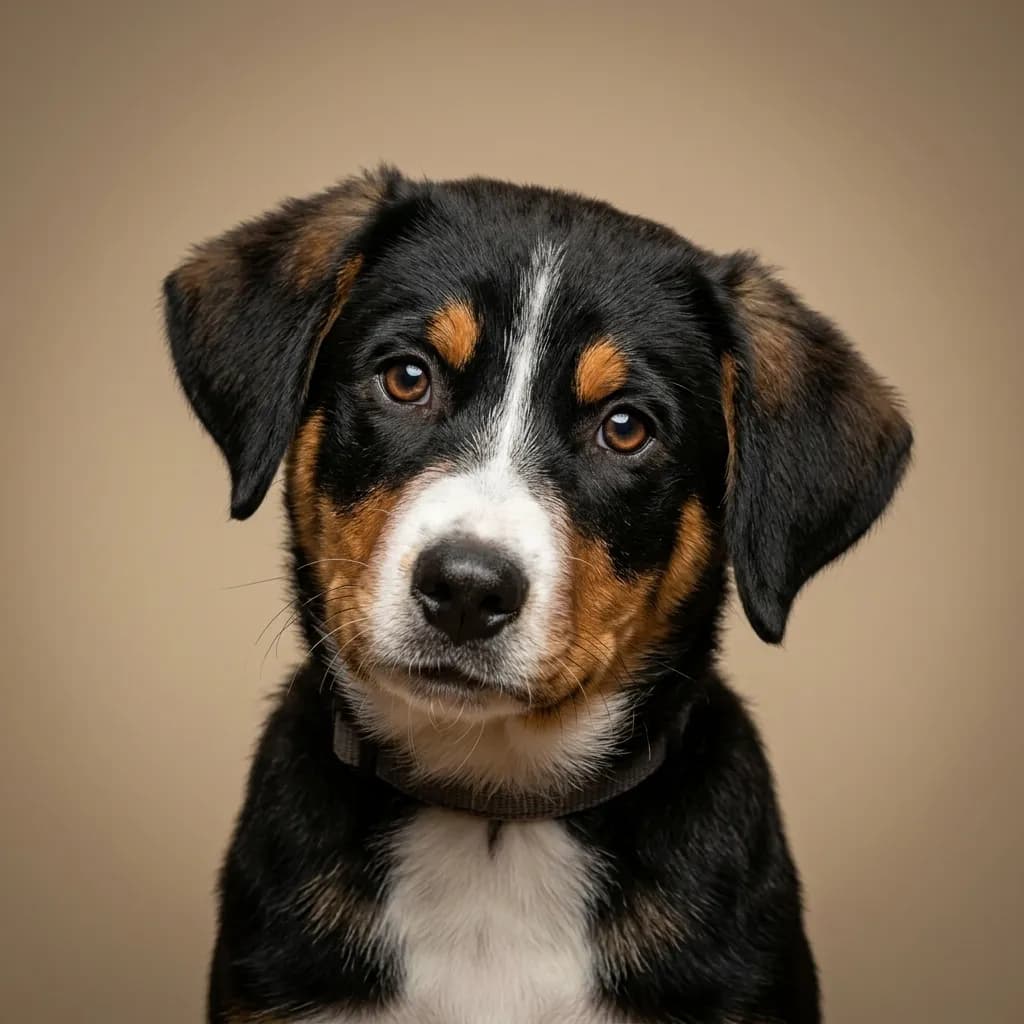
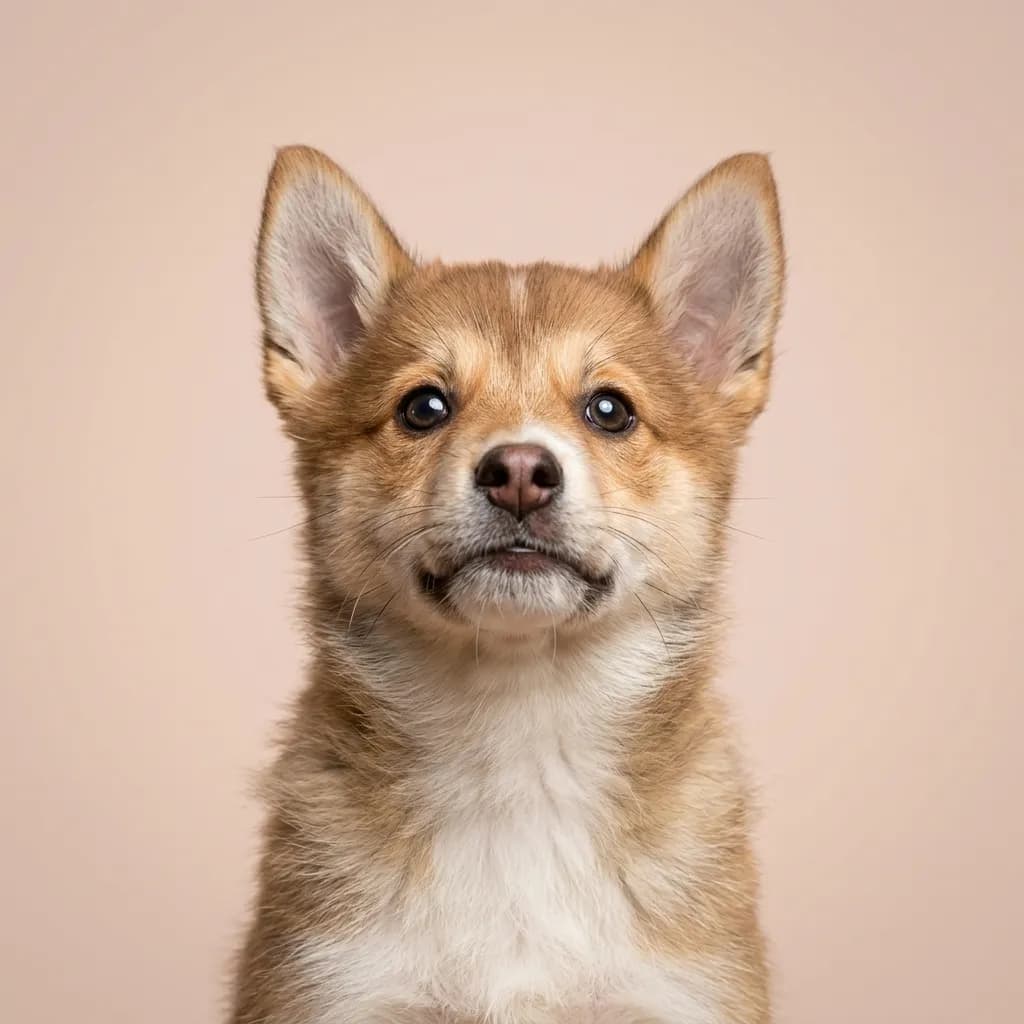
You don’t see people comparing an Appenzeller Sennenhund and a Norwegian Lundehund every day, but when they do, it’s usually because they’re drawn to rare, active mountain dogs with a job to do. Both are energetic, medium-to-low on trainability, and demand experienced hands. But that’s where the similarities crumble. The Appenzeller is a full-throttle Swiss farmhand, built to move cattle in rugged terrain. At 50 to 70 pounds, he’s nearly twice the size of the Lundehund and built like a compact athlete with a voice that carries across valleys. He’ll bark, he’ll work, he’ll outlast you on a hike, and he’ll want to be right beside you the whole time. He’s affectionate in a busy, attached way. think loyal assistant who never clocks out. If you’re into agility, herding, or just need a dog that thrives on structure and space, he fits. The Lundehund is another world entirely. A relic from Norway’s coastal cliffs, he’s a 20-pound escape artist with six toes per paw and joints that bend like rubber. He was built to wriggle into narrow crevices to catch puffins, and that quirky agility remains. He’s affectionate but often reserved, more independent, and harder to read. His real challenge? Health. Lundehund syndrome and chronic digestive issues mean vet bills can pile up fast, and diet management becomes a daily job. Here’s the truth beyond the data: The Appenzeller will wear you out, but you’ll always know where you stand with him. The Lundehund may seem low-key, but he demands high-level commitment. not just time or exercise, but medical vigilance. Pick the Appenzeller if you want a spirited, engaged partner for an active life. Pick the Lundehund only if you’re ready for a rare breed project, not just a pet.
Trait-by-trait
Higher bar = more of that trait. Shedding, barking, drooling, grooming flipped for readability.Where they diverge
Choose the Appenzeller Sennenhund if…
- active families
- experienced owners
- rural and farm settings
- You value affectionate w/ family — Appenzeller Sennenhund scores noticeably higher.
Choose the Norwegian Lundehund if…
- Experienced dog owners
- Those interested in rare breeds
- Active families