Appenzeller Sennenhund vs Papillon
Side-by-side comparison across all 14 AKC trait ratings, with a clear verdict on which breed fits which kind of household.
Not sure which breed fits your life?
Answer five questions about your home, your schedule, and your tolerance for shedding. We’ll match you to your top three breeds from over 200.
Appenzeller Sennenhund vs Papillon
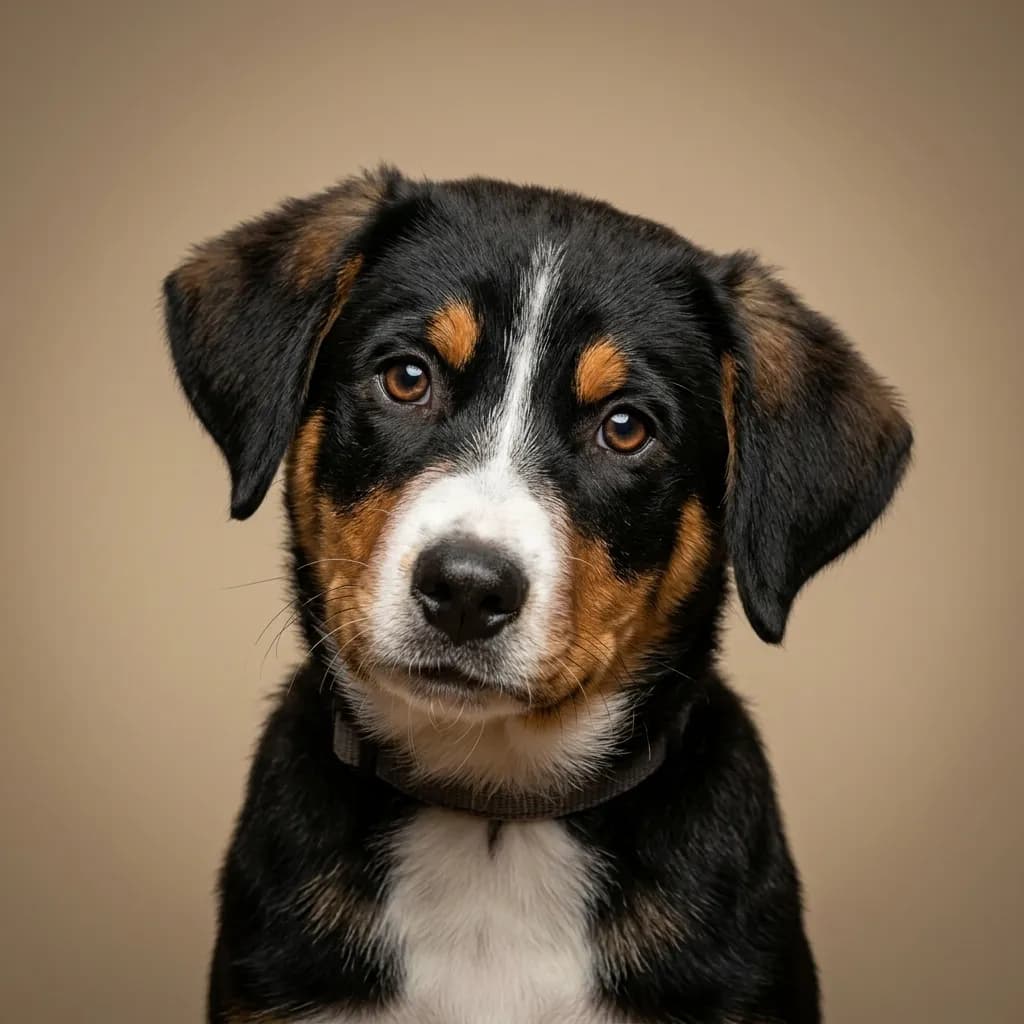
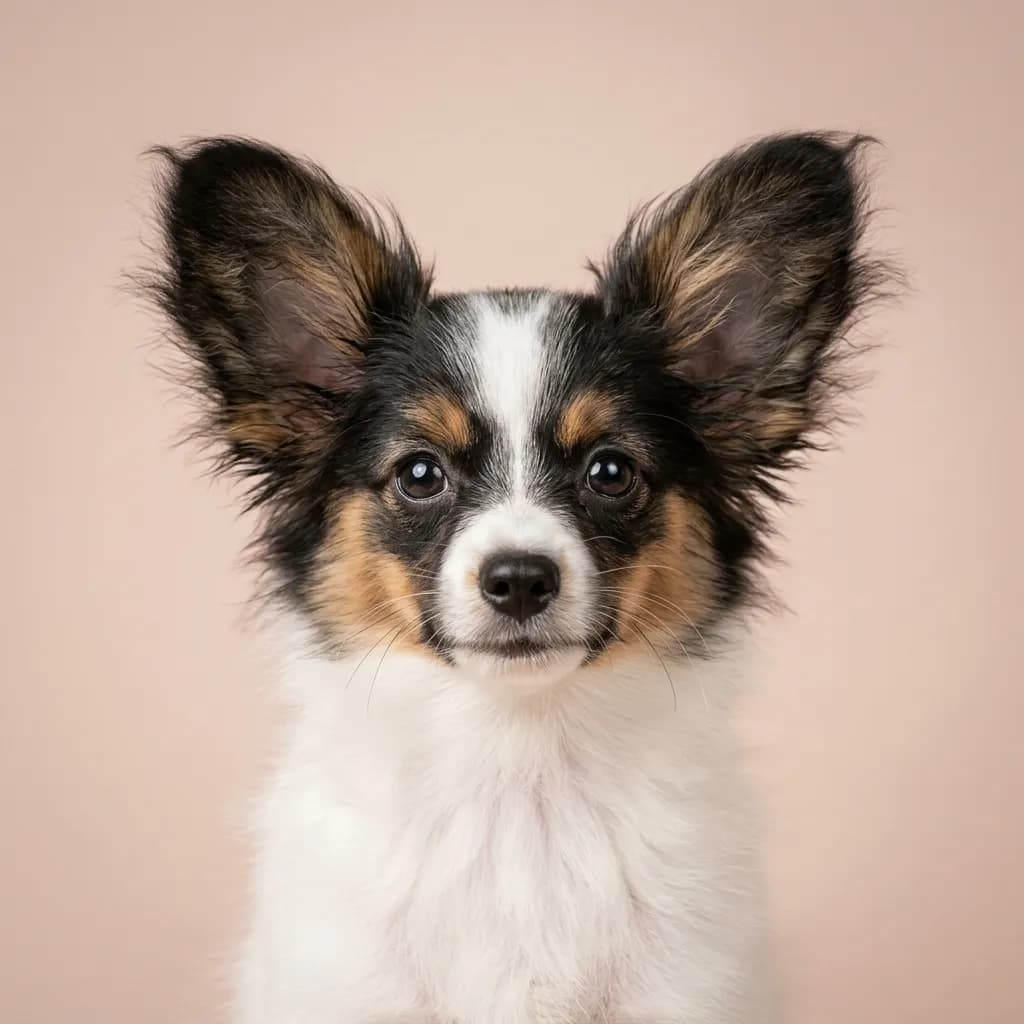
People compare Appenzeller Sennenhunds and Papillons because both are energetic, intelligent, and surprisingly bold for their size. on paper, they’re both “lively” dogs that thrive on engagement. But that’s where the similarities end. This isn’t a choice between two types of terriers or two herding breeds. This is a choice between a Swiss mountain farmhand and a Renaissance court jester. The Appenzeller is built for work. At 50+ pounds, it’s a rugged, medium-sized dog with the lungs and legs to cover miles of terrain. It was bred to herd cattle in the Alps and pull carts through villages, so it needs space, structure, and a job. It’s affectionate but not clingy, loyal but not lap-bound. You’ll need to be outdoors most days, rain or shine, because this dog won’t settle with just a backyard stroll. It barks with purpose. alerting, not pestering. and it’s better suited to a farm or rural home than a city apartment. The Papillon, meanwhile, weighs less than most handbags and lives to impress. It’s a genius in agility and obedience, yes, but its real talent is connection. This dog reads your face, follows you room to room, and will learn tricks just to hear you laugh. It’s fearless with strangers and older kids, but its tiny frame means it’s not a playmate for toddlers. And while it’s adaptable to apartments, it’s not quiet. this is a dog that will announce every doorbell, squirrel, and shadow. Here’s the truth beyond the data: the Appenzeller wants a teammate. The Papillon wants a spotlight. Pick the first if you’re building a working relationship. Pick the second if you want a tiny, tireless companion who lives for your attention. Your lifestyle isn’t just a factor here. it’s the deciding vote.
Trait-by-trait
Higher bar = more of that trait. Shedding, barking, drooling, grooming flipped for readability.Where they diverge
Choose the Appenzeller Sennenhund if…
- active families
- experienced owners
- rural and farm settings
Choose the Papillon if…
- Apartment living
- Active owners
- Families with older children
- You value good with young children — Papillon scores higher here.