Australian Cattle Dog vs Basset Hound
Side-by-side comparison across all 14 AKC trait ratings, with a clear verdict on which breed fits which kind of household.
Not sure which breed fits your life?
Answer five questions about your home, your schedule, and your tolerance for shedding. We’ll match you to your top three breeds from over 200.
Australian Cattle Dog vs Basset Hound
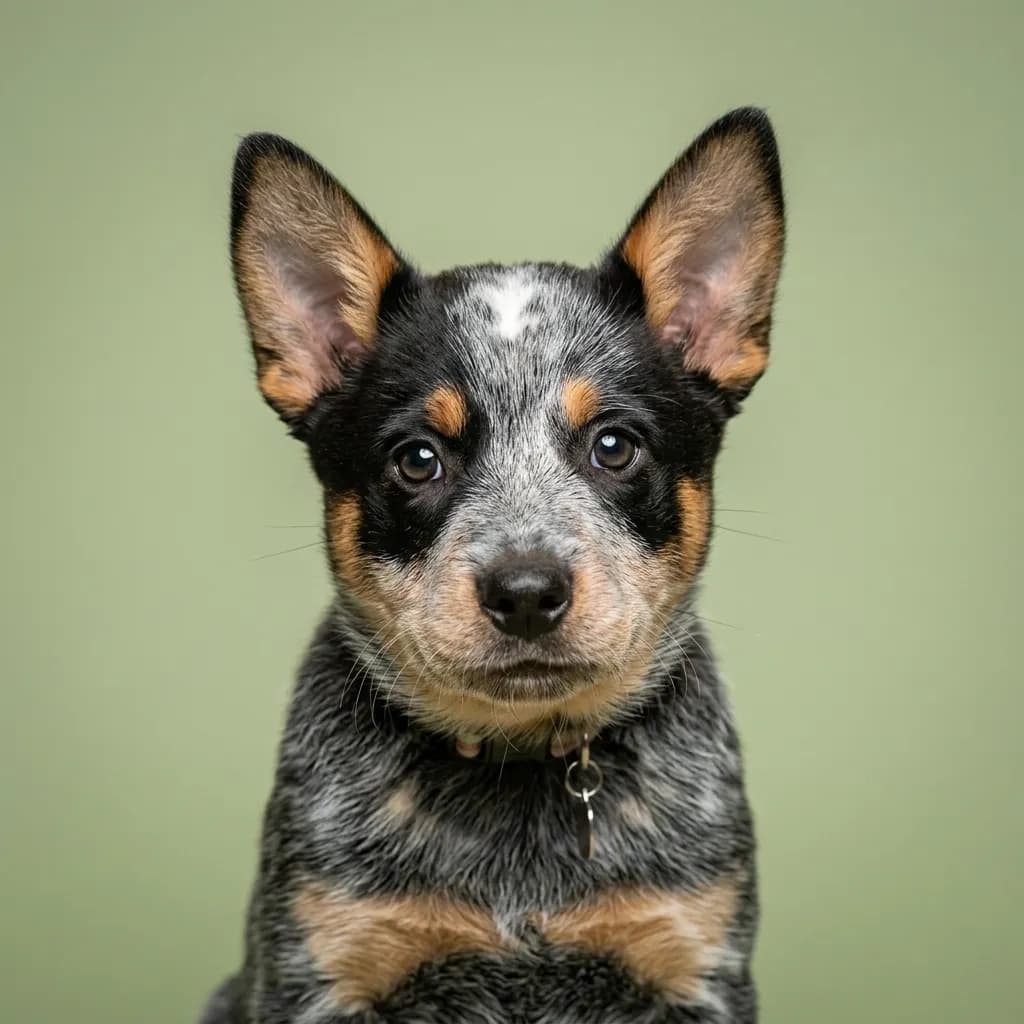
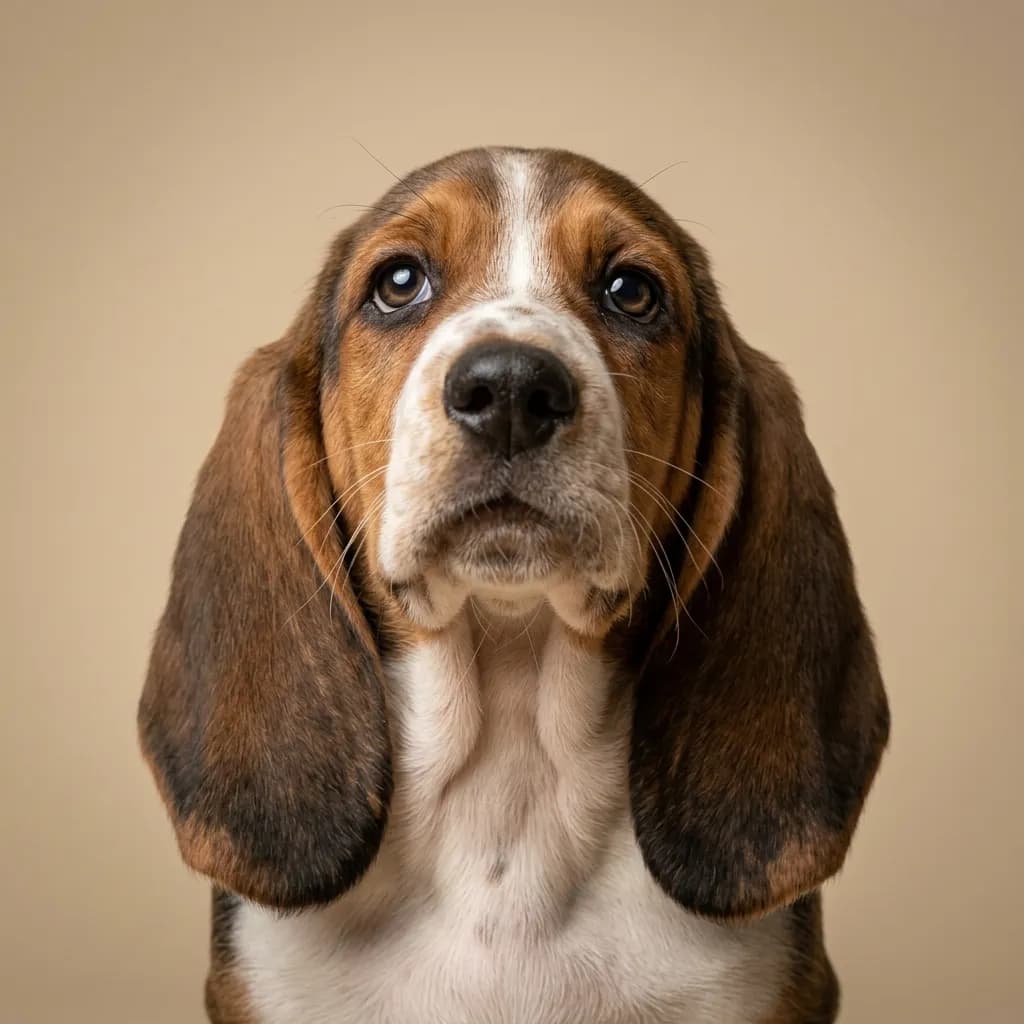
People compare Australian Cattle Dogs and Basset Hounds because they’re both stubborn in their own ways and kind of look like they’re built for a slow Tuesday. But that’s where the similarities end. One was forged in the Australian outback, driving cattle 30 miles a day under a blistering sun. The other was literally designed to amble through French forests, nose to the ground, ignoring your calls with quiet dignity. If you want a dog that’ll match your Type A energy, the Cattle Dog will not only keep up, it’ll push you harder. This is a dog that needs a job, whether that’s agility, trail running, or advanced obedience. Without one, it’ll rewire your house with chewed baseboards and escape artistry. They’re smart as hell but not eager to please in the way a golden might be. You’ll need consistency, not just love. The Basset? They couldn’t care less about your marathon training. They’ve got a scent to follow, a nap to finish, and possibly a bag of chips you left within their low-to-the-ground reach. They’re gentle, goofy, and fantastic with kids, but housebreaking can take forever and that bark is surprisingly loud for a dog that sleeps 16 hours a day. They adapt fine to apartments. great, even. but their idea of exercise is a leisurely sniff around the block. Here’s the real talk: the Cattle Dog isn’t “good with kids” unless those kids are part of a structured, active household with firm boundaries. A bored Cattle Dog nips. The Basset won’t nip, but it might outstubborn you in training every single time. Choose the Cattle Dog if you need a partner. Choose the Basset if you want a companion who happens to be shaped like a sausage.
Trait-by-trait
Higher bar = more of that trait. Shedding, barking, drooling, grooming flipped for readability.Where they diverge
Choose the Australian Cattle Dog if…
- Active people
- Outdoor enthusiasts
- Experienced owners
- You value energy level — Australian Cattle Dog scores noticeably higher.
Choose the Basset Hound if…
- Families
- Apartment dwellers
- Seniors
- You value drooling level — Basset Hound scores higher here.