Australian Cattle Dog vs Papillon
Side-by-side comparison across all 14 AKC trait ratings, with a clear verdict on which breed fits which kind of household.
Not sure which breed fits your life?
Answer five questions about your home, your schedule, and your tolerance for shedding. We’ll match you to your top three breeds from over 200.
Australian Cattle Dog vs Papillon
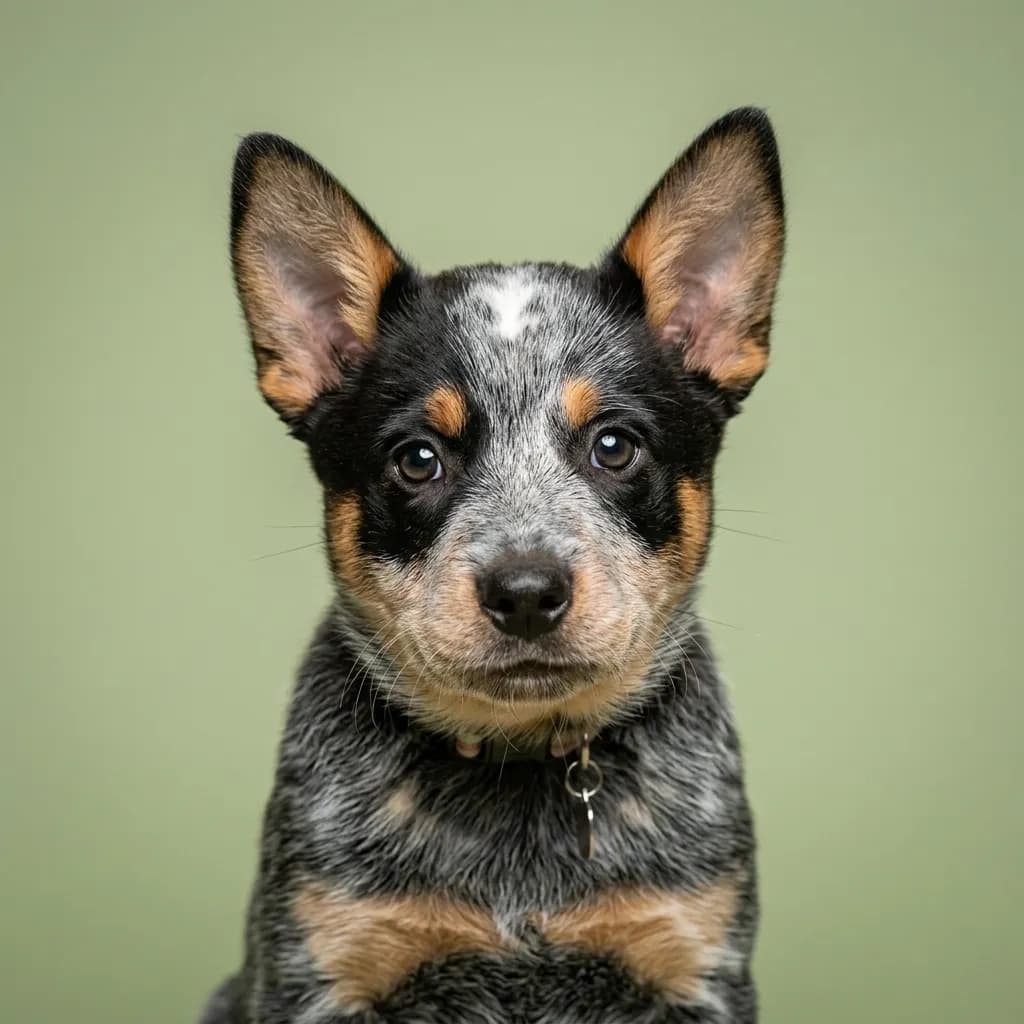
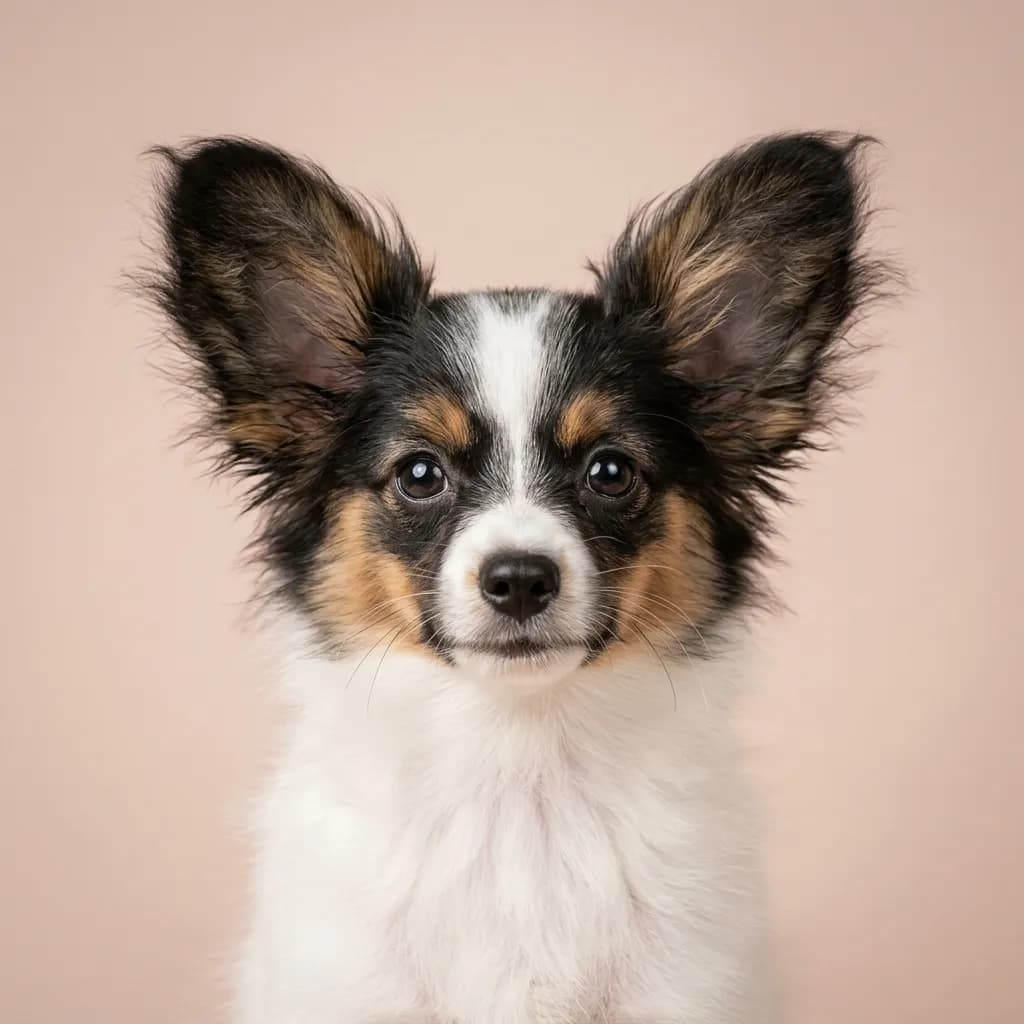
People compare the Australian Cattle Dog and the Papillon because both are smart, energetic, and thrive in dog sports. But that’s where the similarities end. One was built to outrun droughts and stubborn cattle under the Australian sun. The other was bred to charm kings and curl up in silk-lined laps. If you’re torn between them, you’re really asking: do you want a tireless outdoor partner or a sparkling indoor companion? The Blue Heeler will jog 10 miles and still want to play fetch. They need jobs, not just walks. Without mental challenges, they’ll invent their own. like chewing your baseboards or herding your kids in tight circles. They’re loyal but reserved, especially with strangers. Kids under 8 might get nipped during overexcited play. You need space, stamina, and dog-handling confidence. They’re not apartment pets. The Papillon, despite weighing barely more than a heavy sweater, is just as bold and twice as social. They’re fearless on agility courses and master tricks in minutes. But they bark at mail carriers, rustling leaves, and their own reflection. If you live in a quiet building or want peace after dinner, this isn’t the dog. But they’re perfect for apartments, adore older kids, and bond like velcro. Here’s the real talk: intelligence isn’t the same as trainability. The Cattle Dog outthinks you to win. The Papillon outperforms to please. Pick the Heeler if you lead an active life and can dominate the relationship. Pick the Papillon if you want a joyful, brainy shadow who’s happy anywhere. just don’t expect silence. One’s a wilderness guide in dog form. The other’s a court jester with a PhD. Choose your role, then your dog.
Trait-by-trait
Higher bar = more of that trait. Shedding, barking, drooling, grooming flipped for readability.Where they diverge
Choose the Australian Cattle Dog if…
- Active people
- Outdoor enthusiasts
- Experienced owners
- You value energy level — Australian Cattle Dog scores noticeably higher.
Choose the Papillon if…
- Apartment living
- Active owners
- Families with older children
- You value barking level — Papillon scores higher here.