Australian Cattle Dog vs Schapendoes
Side-by-side comparison across all 14 AKC trait ratings, with a clear verdict on which breed fits which kind of household.
Not sure which breed fits your life?
Answer five questions about your home, your schedule, and your tolerance for shedding. We’ll match you to your top three breeds from over 200.
Australian Cattle Dog vs Schapendoes
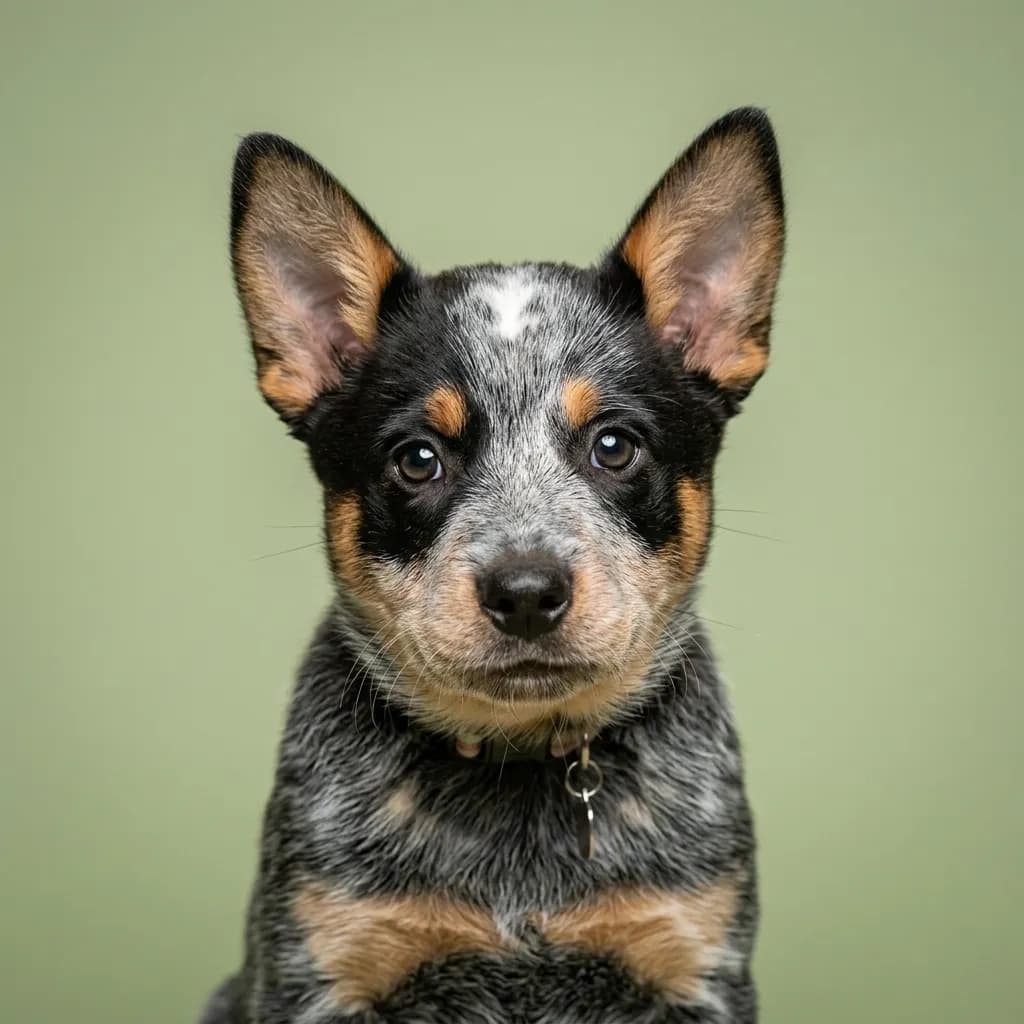
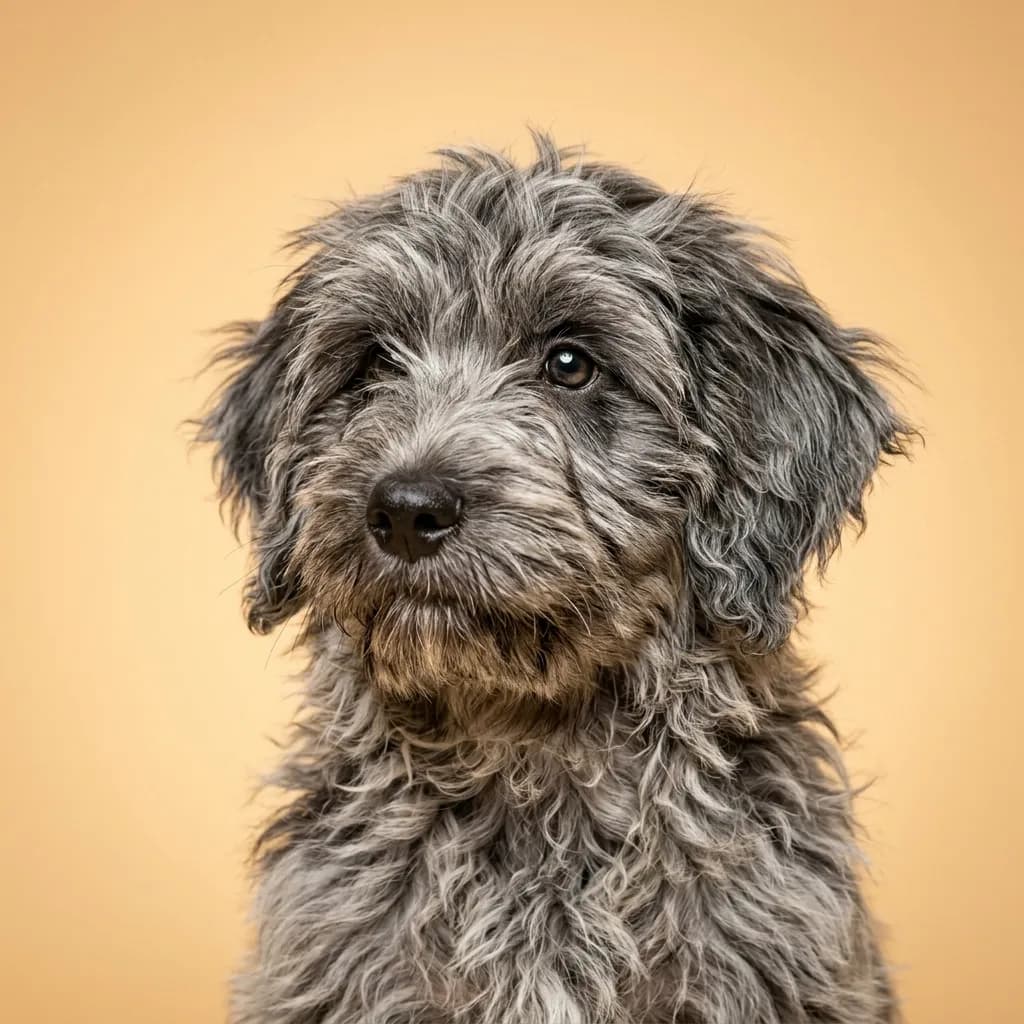
You’re not going to see an Australian Cattle Dog and a Schapendoes side by side at your average dog park, but if you're deep in the herding world or chasing agility titles, you might be weighing these two. People compare them because they’re both energetic, smart, and built for work. but that’s where the similarities start to fray. The Cattle Dog is a coiled spring with a mission. Bred to push cattle across scorched Australian plains, this dog thrives on intensity. You’ll need to match its stamina or risk a bored, destructive companion. It’s not overly vocal, but it’s relentless. Think of it as the no-nonsense athlete of the dog world. affectionate in its own gruff way, but not a cuddler. Kids aren’t its favorite, and apartment life? Forget it. It wants a job, and it wants it now. The Schapendoes, though, feels like a breath of wind through open Dutch fields. With its shaggy coat and bright eyes, it’s friendly and eager to please. It barks more than the Cattle Dog, sure, but it’s also more adaptable, more affectionate, and surprisingly easier to live with in a busy family home. if you don’t mind brushing that coat three times a week. It's a dog that wants to be part of everything, from hikes to homework sessions. Here’s the insight no breeder will lead with: the Cattle Dog will change your life to fit its needs. The Schapendoes will fit into yours. if you give it movement, purpose, and a little grooming love. Choose the Cattle Dog if you’re ready to commit to a high-octane partnership. Choose the Schapendoes if you want that same drive, but wrapped in warmth and wag.
Trait-by-trait
Higher bar = more of that trait. Shedding, barking, drooling, grooming flipped for readability.Where they diverge
Choose the Australian Cattle Dog if…
- Active people
- Outdoor enthusiasts
- Experienced owners
- You value shedding level — Australian Cattle Dog scores noticeably higher.
Choose the Schapendoes if…
- active families
- agility and herding sport enthusiasts
- experienced herding breed owners
- You value affectionate w/ family — Schapendoes scores higher here.