Australian Cattle Dog vs Tosa
Side-by-side comparison across all 14 AKC trait ratings, with a clear verdict on which breed fits which kind of household.
Not sure which breed fits your life?
Answer five questions about your home, your schedule, and your tolerance for shedding. We’ll match you to your top three breeds from over 200.
Australian Cattle Dog vs Tosa
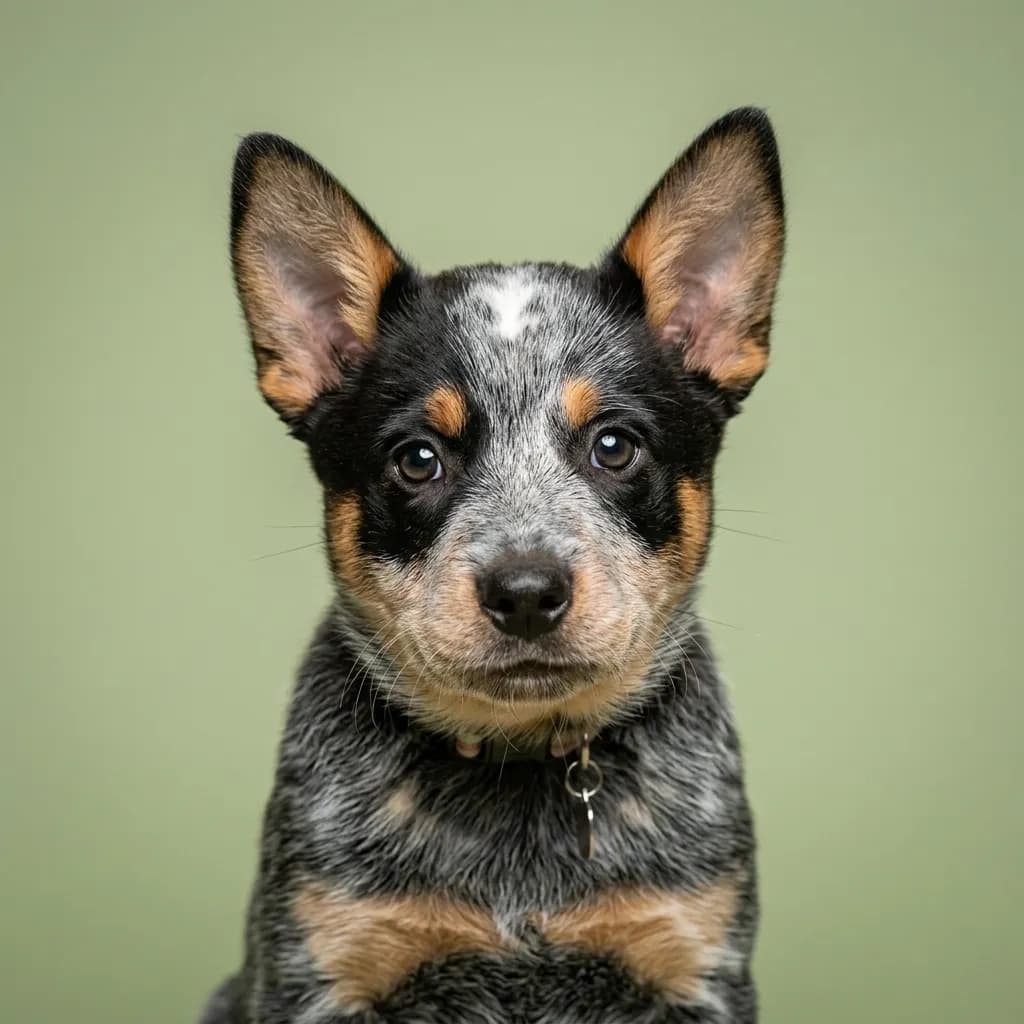
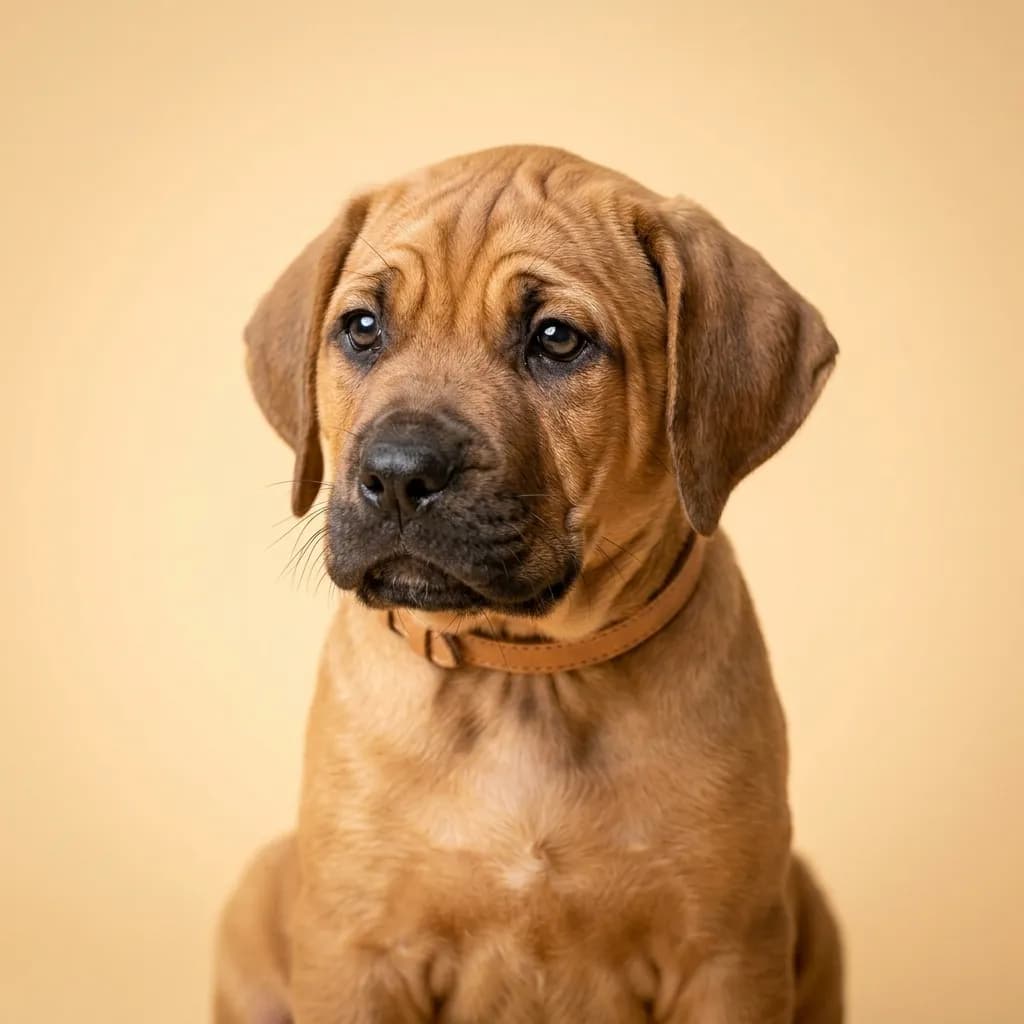
You’d never guess these two get compared. on paper, they’re nothing alike. But dig deeper and you’ll find the thread: both are intense, loyal, and absolutely not for beginners. People toss them into the same mental bucket because they want a dog with serious presence and protective instincts, but that’s where the similarities end. The Australian Cattle Dog is the wiry, relentless engine of the outback. This is a dog that thrives on motion, problem-solving, and partnership. Think weekend hikes, agility classes, or cattle work. He’s not loud, but he’s always watching, always thinking. Kids? He can tolerate them if raised together, but he’s not a cuddly nanny. He’ll nip, he’ll herd, and if you’re couch-bound, he’ll drive you nuts. He’s also healthier and lives longer. 14 years of sharp, focused energy. Then there’s the Tosa, a giant with a whisper-quiet demeanor. Originally bred for dog fighting in Japan, today’s Tosa is a calm, deeply loyal guardian. He’s not hyperactive, but he needs space and ironclad training. This isn’t a breed you wing. it’s 150 pounds of quiet power that demands respect. He’s affectionate with his people, but aloof with strangers. And yes, he’s banned in some places because of his history, which no amount of gentle behavior fully erases in the eyes of the law. Here’s the real insight: the Cattle Dog bonds through work, the Tosa through presence. You don’t “use” a Tosa. you steward him. Pick the Cattle Dog if you need a co-pilot. Pick the Tosa if you’re ready for a silent giant who sees you as his entire world. And whatever you do, don’t get either on a whim.
Trait-by-trait
Higher bar = more of that trait. Shedding, barking, drooling, grooming flipped for readability.Where they diverge
Choose the Australian Cattle Dog if…
- Active people
- Outdoor enthusiasts
- Experienced owners
- You value good with other dogs — Australian Cattle Dog scores noticeably higher.
Choose the Tosa if…
- very experienced large-breed owners
- homes with secure property
- owners seeking a calm giant breed companion
- You value drooling level — Tosa scores higher here.