Australian Kelpie vs Bloodhound
Side-by-side comparison across all 14 AKC trait ratings, with a clear verdict on which breed fits which kind of household.
Not sure which breed fits your life?
Answer five questions about your home, your schedule, and your tolerance for shedding. We’ll match you to your top three breeds from over 200.
Australian Kelpie vs Bloodhound
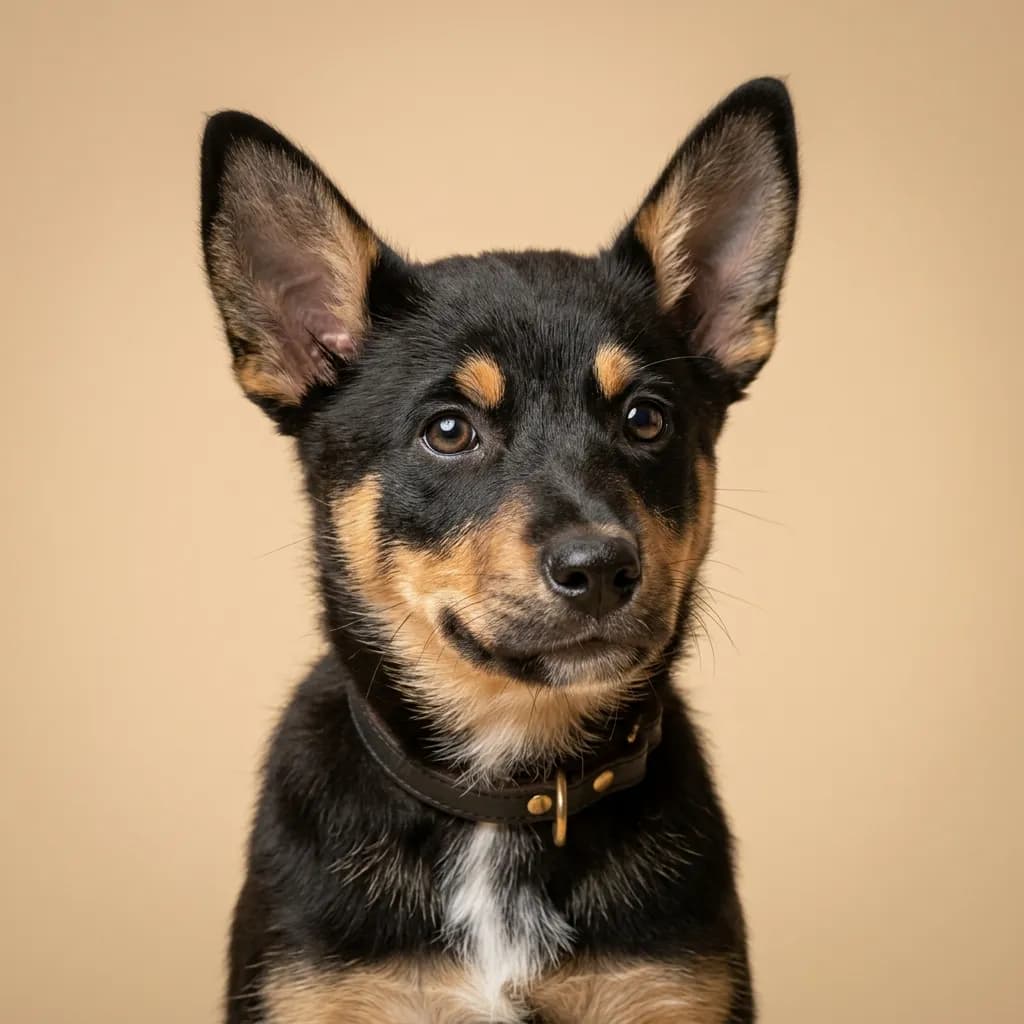
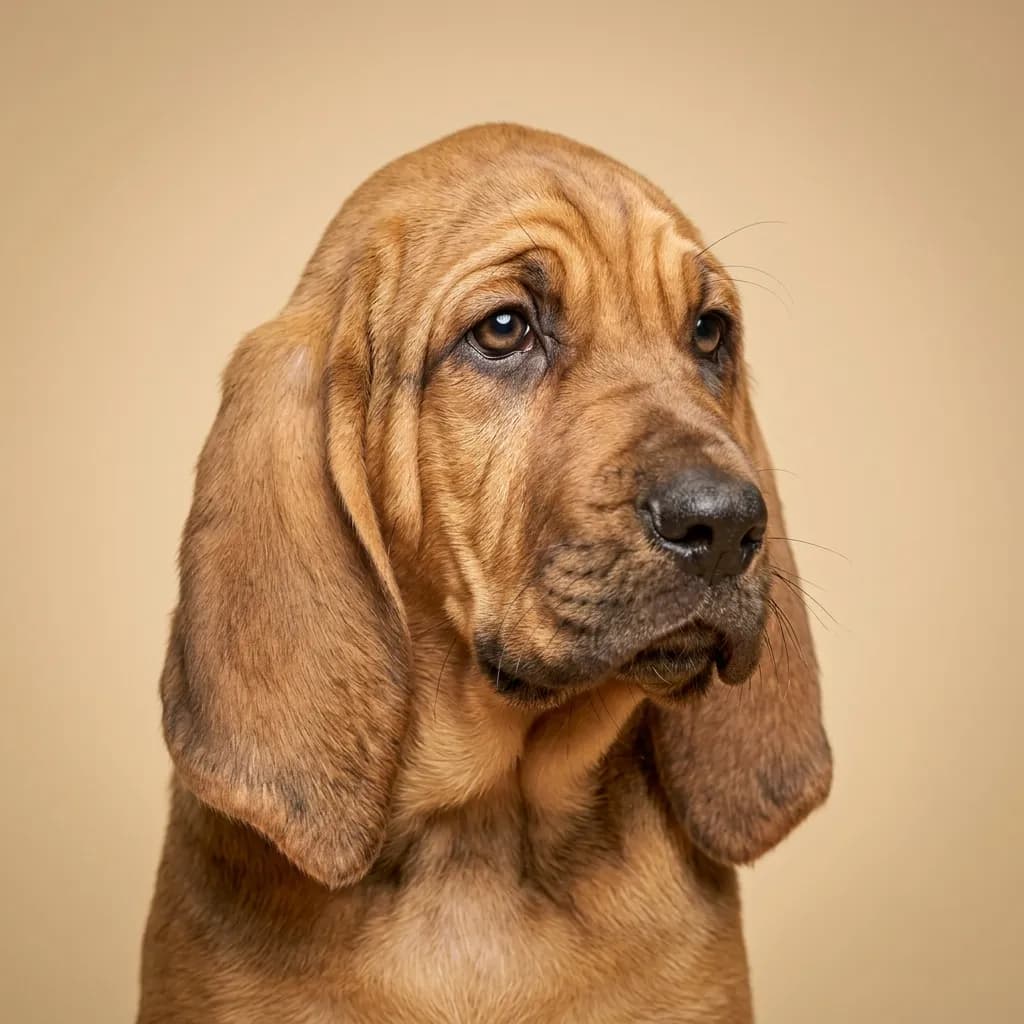
You’re not really comparing these two because you want both. You’re doing it because you’re torn between a dog that works like a machine and one that follows its nose like a bloodhound. literally. These breeds don’t even live in the same world. The Kelpie is a lightning bolt in dog form. compact, relentless, built to cover miles of outback before breakfast. The Bloodhound? A slow, deliberate force of nature, built like a tank with ears like velvet parachutes, whose entire purpose is to lock onto a scent and refuse to let go. If you’re active, yes. but what kind of active? The Kelpie needs structure, jobs, and mental puzzles like it needs air. It’ll learn agility sequences in half the time, but it won’t forgive a lazy Sunday indoors. Kids? Both score a 3/5. they’re not hostile, but they’re not patient. The Kelpie might try to herd your toddler; the Bloodhound will just ignore them unless food’s involved. Here’s the real difference: control. The Kelpie responds fast, obeys fast, but it’s always watching, always working. The Bloodhound? Once it catches a scent, it’s gone. Leash? Meaningless. Your voice? Forgotten. That independence is baked in. it’s why they’re used in search and rescue. But it also means you’re not really in charge. Pick the Kelpie if you’ve got a job for it. ranching, sports, serious hiking. Pick the Bloodhound if you’re okay with a large, drooly, stubborn companion who’s more bloodhound than dog. And here’s the truth no one mentions: neither will thrive without space. But the Kelpie will at least try to adapt. The Bloodhound? It’ll just look at you with those sad eyes and track the neighbor’s barbecue instead.
Trait-by-trait
Higher bar = more of that trait. Shedding, barking, drooling, grooming flipped for readability.Where they diverge
Choose the Australian Kelpie if…
- working farms and ranches
- very active owners
- canine sport enthusiasts
- You value watchdog / protective — Australian Kelpie scores noticeably higher.
Choose the Bloodhound if…
- Active people
- Rural homes
- Hunters
- You value drooling level — Bloodhound scores higher here.