Australian Shepherd vs Bloodhound
Side-by-side comparison across all 14 AKC trait ratings, with a clear verdict on which breed fits which kind of household.
Not sure which breed fits your life?
Answer five questions about your home, your schedule, and your tolerance for shedding. We’ll match you to your top three breeds from over 200.
Australian Shepherd vs Bloodhound
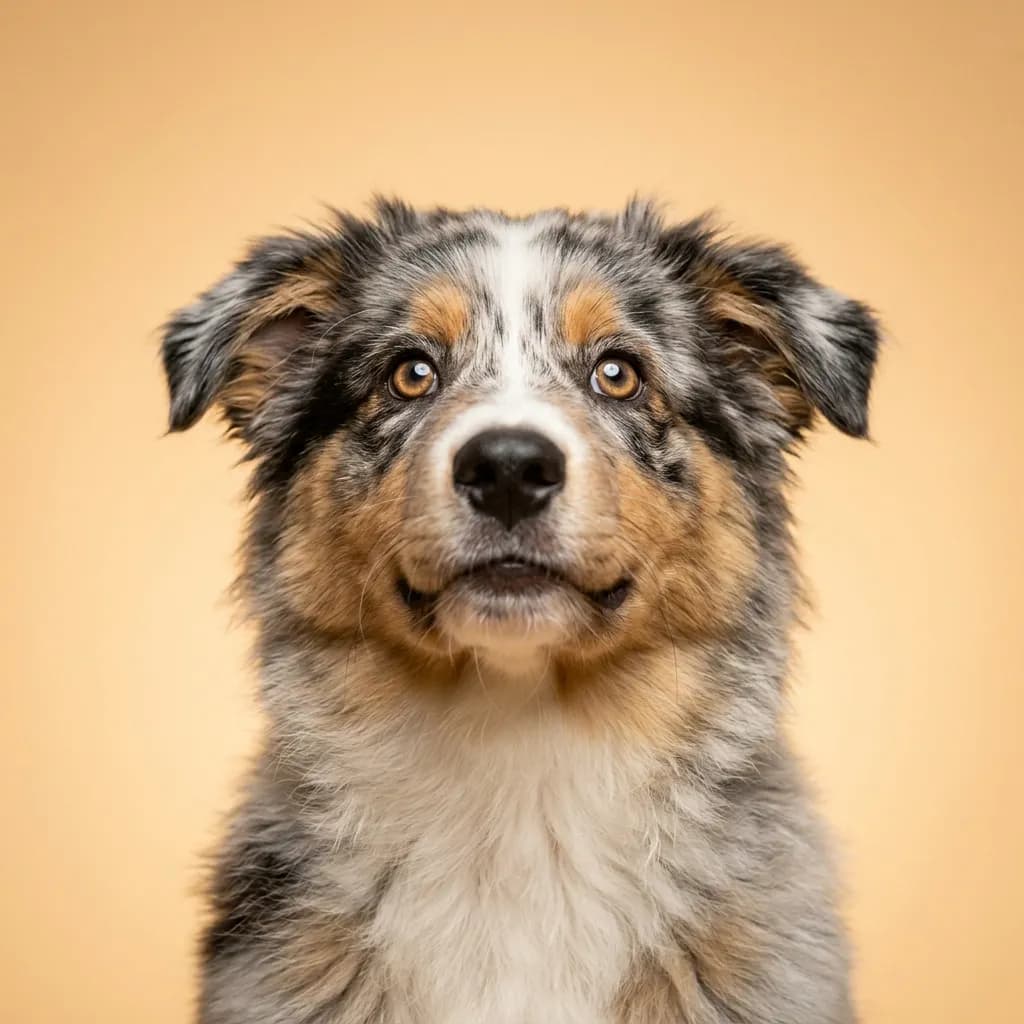
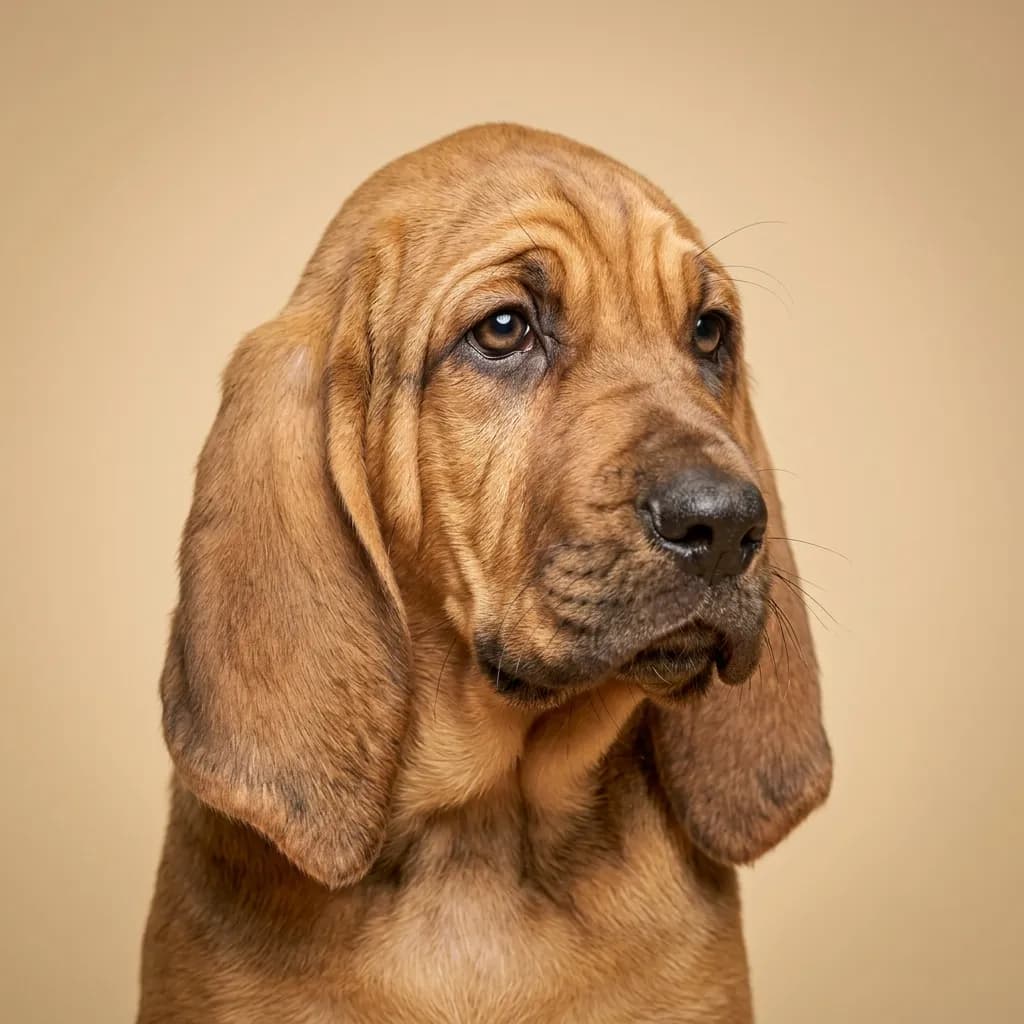
People compare Australian Shepherds and Bloodhounds because both are serious, working dogs with intense drives, but that’s where the similarity ends. You’re not just picking between sizes or coat types. you’re choosing two completely different kinds of obsession. The Aussie lives to work with you, eyes locked, waiting for the next cue. The Bloodhound? He’s following a scent trail you can’t even detect, and good luck convincing him to look back. If you’re active, mentally sharp, and want a dog that thrives on tasks. agility, obedience, hiking, herding trials. the Aussie is your partner. They’re like a high-performance engine: always running, always needing direction. Without it, they’ll herd your kids, bark at the vacuum, or chew your baseboards. They bond tightly but don’t smother you, and they do best with families who move as much as they do. The Bloodhound is a different beast. Literally built for endurance tracking, he’s got that droopy, soulful look and a voice that carries for miles. Don’t get one if your neighbor’s dog barking drives you nuts. yours will bay louder and longer. They’re gentle with people, but their independence can look like stubbornness. Trainability scores high, but only if you’re consistent. They’ll follow a smell through a locked gate, so a secure yard isn’t optional, it’s survival. Here’s the real talk: Aussies need mental reps like athletes need reps. Bloodhounds need scent work like lungs need air. Skip it, and both will find their own entertainment. usually involving your shoes or a neighborhood escape. If you want focus and flair, go Aussie. If you want raw, nose-to-the-ground purpose, go Hound. Just don’t expect either to sit quietly on the couch.
Trait-by-trait
Higher bar = more of that trait. Shedding, barking, drooling, grooming flipped for readability.Where they diverge
Choose the Australian Shepherd if…
- Active people
- Families
- Dog sports enthusiasts
- You value good with young children — Australian Shepherd scores noticeably higher.
Choose the Bloodhound if…
- Active people
- Rural homes
- Hunters
- You value drooling level — Bloodhound scores higher here.